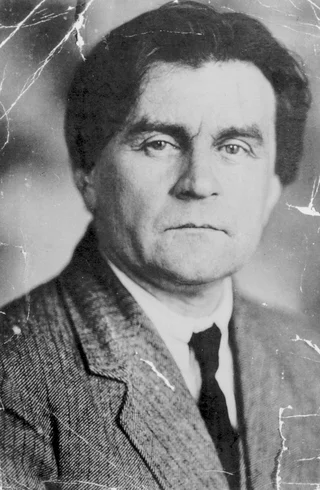
Kasimir Malewitsch
1878–1935 · Russisches Kaiserreich · Suprematismus
Die Geschichte
Im Dezember 1915, zwei Jahre in einen Krieg verstrickt, den Russland verlor, und mit der Revolution nicht mehr fern, hängte Malewitsch ein kleines Gemälde eines schwarzen Quadrats auf weißem Grund hoch in die Ecke einer Petrograder Galerie. Genau in dieser Ecke bewahrte ein russischer Haushalt traditionell seine Ikone auf, und jeder im Raum verstand die Geste. Er nannte die Schau 0,10, die letzte futuristische Ausstellung, und erklärte, die Malerei müsse auf null zurückgeführt und von vorn begonnen werden.
Die neue Kunst nannte er Suprematismus: flache farbige Formen, die auf Weiß treiben, verantwortlich allein dem reinen Gefühl, nicht Bäumen, Gesichtern oder Dingen. Ein paar Jahre nach der Revolution von 1917 ritt dieses radikale Werk auf der Welle: Malewitsch lehrte, veröffentlichte und baute seine Quadrate und Kreuze zu einem ganzen System von Formen aus.
Dann wendete sich die Politik. Unter Stalin wollte der Staat einen Realismus, den einfache Menschen verstehen konnten, und die Abstraktion wurde an den Rand gedrängt. 1930 wurde Malewitsch verhaftet und wochenlang verhört; in seinen letzten Jahren kehrte er zur Malerei erkennbarer Bauern und Porträts zurück, schmuggelte darin aber oft ein kleines schwarzes Quadrat als private Signatur unter. Als er 1935 starb, betteten ihn seine Freunde unter einem schwarzen Quadrat auf, und sein Grab markierten sie mit einem eben solchen.
Werke
26 Werke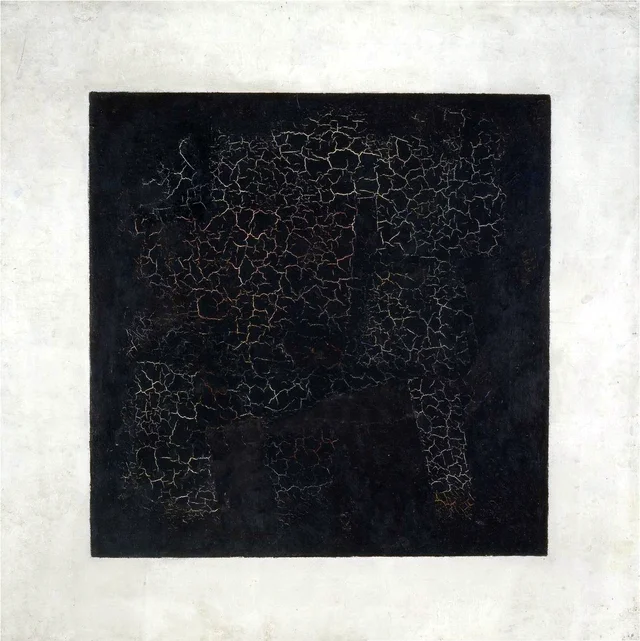 Schwarzes Quadrat (1915)Kasimir Malewitsch, 1915
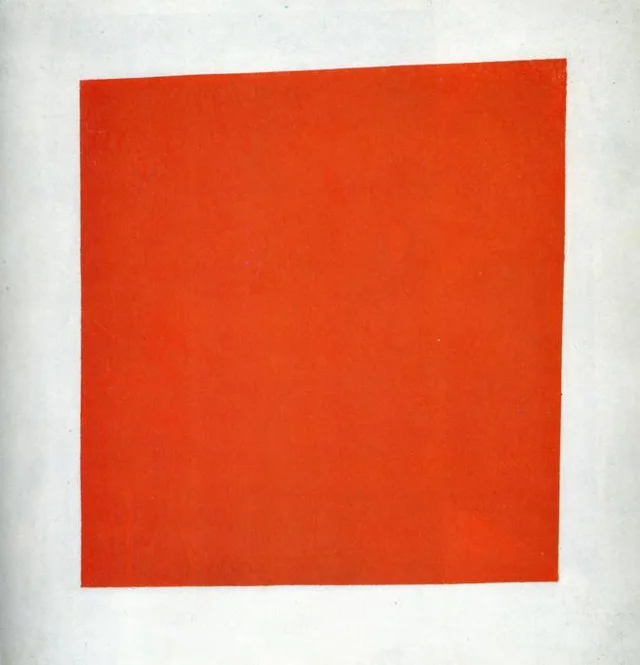 Rotes QuadratKasimir Malewitsch, 1915
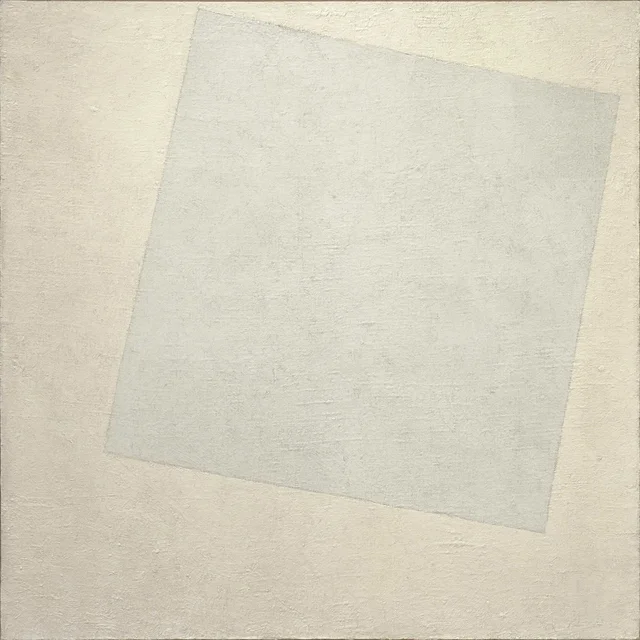 Weiß auf WeißKasimir Malewitsch, 1918
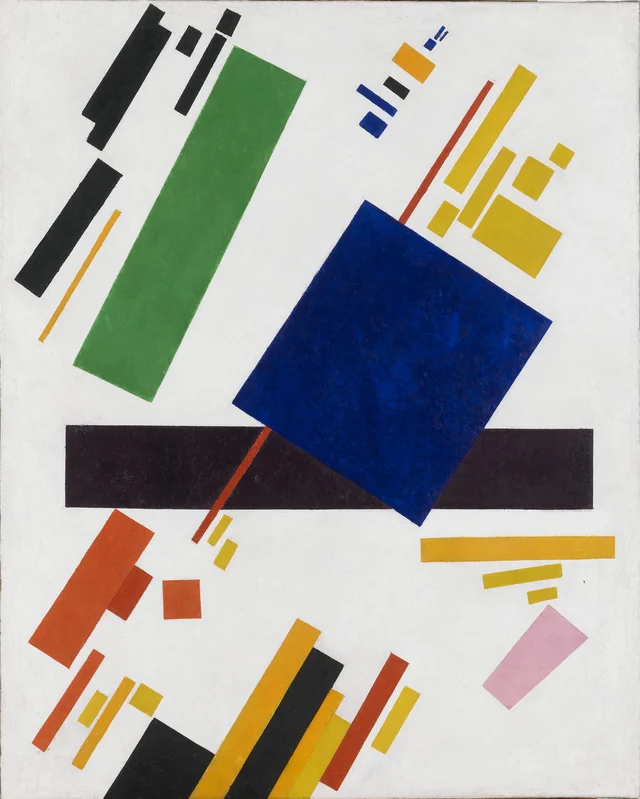 Suprematistische KompositionKasimir Malewitsch, 1916
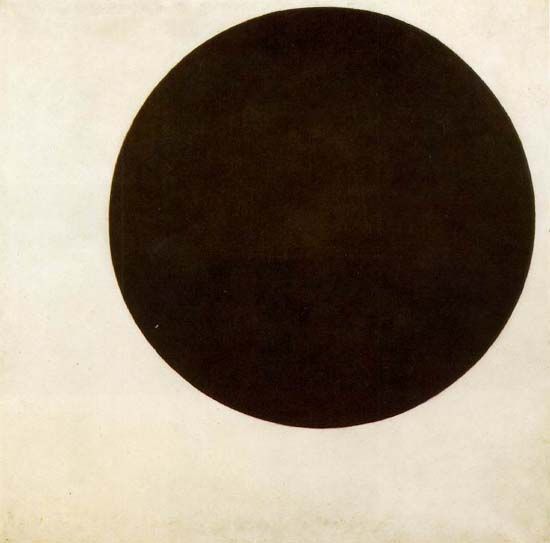 Schwarzer KreisKasimir Malewitsch, 1924
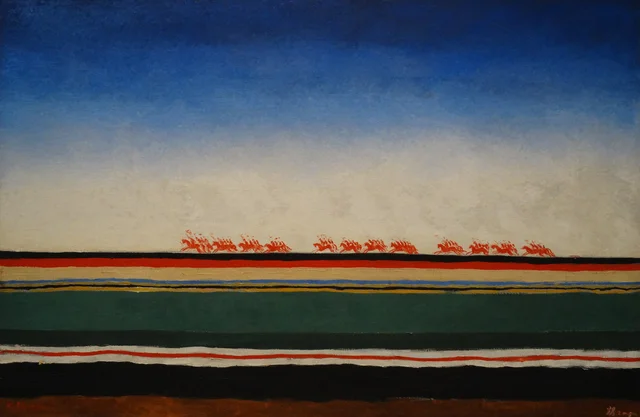 Rote KavallerieKasimir Malewitsch, 1932
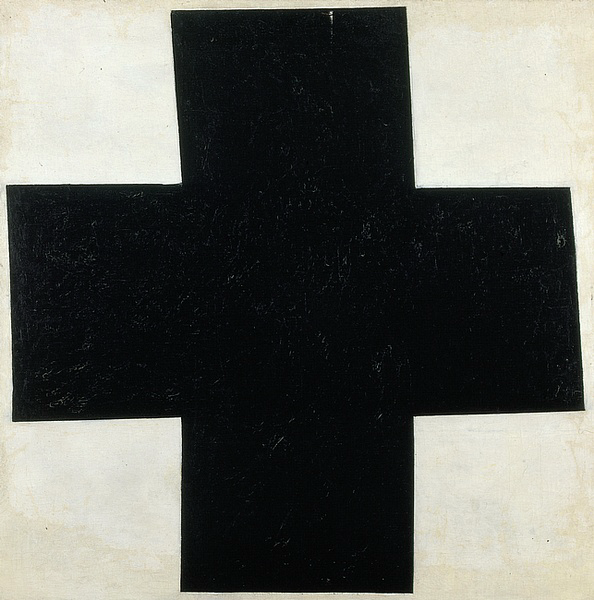 Schwarzes KreuzKasimir Malewitsch, 1915
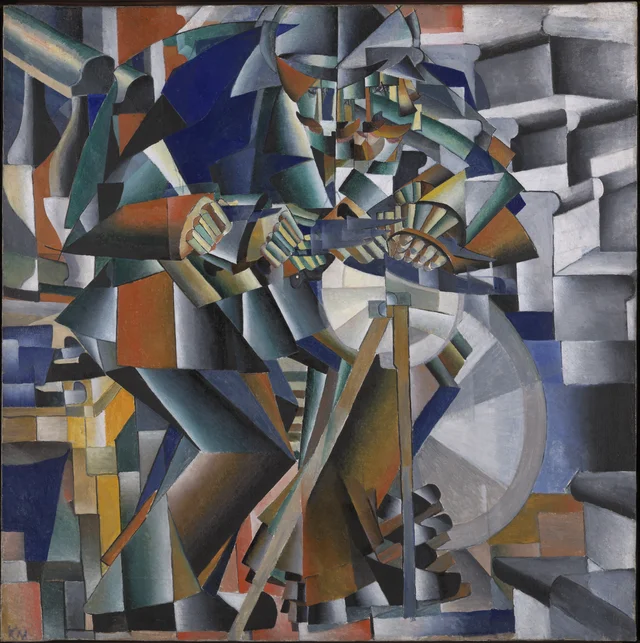 Der ScherenschleiferKasimir Malewitsch, 1912
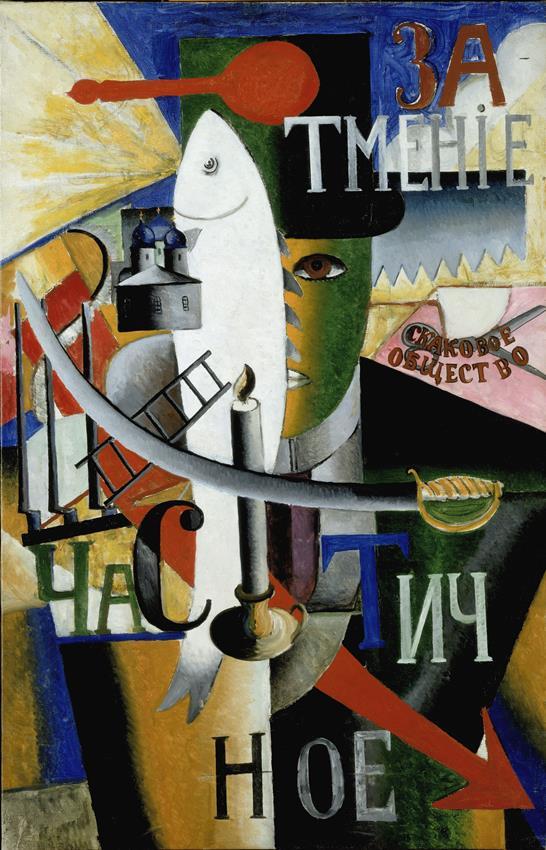 Ein Engländer in MoskauKasimir Malewitsch, 1914
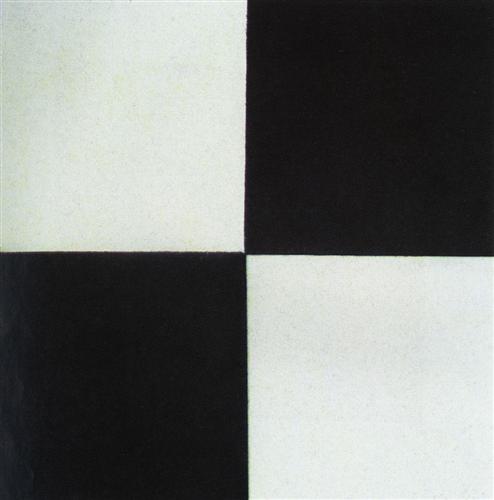 Vier QuadrateKasimir Malewitsch, 1915
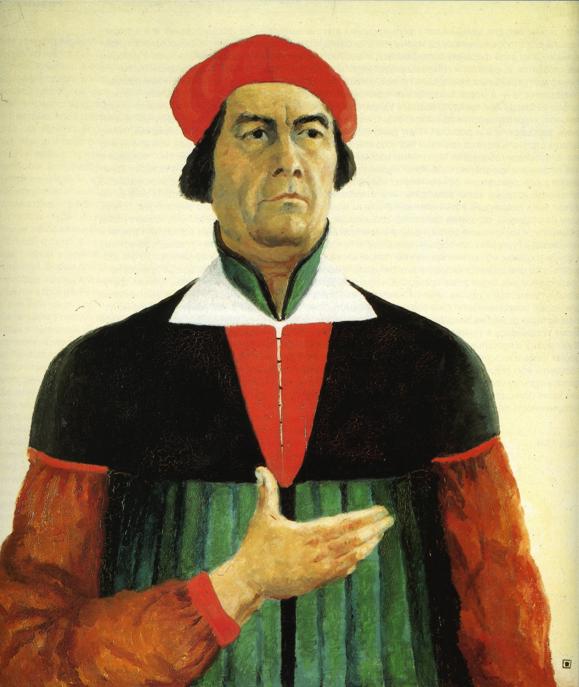 SelbstbildnisKasimir Malewitsch, 1933
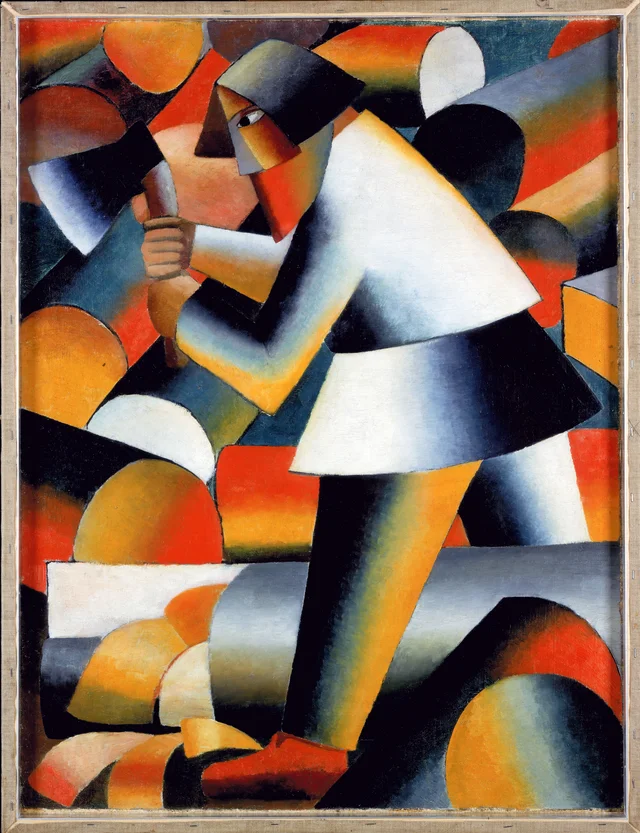 Der HolzfällerKasimir Malewitsch, 1912
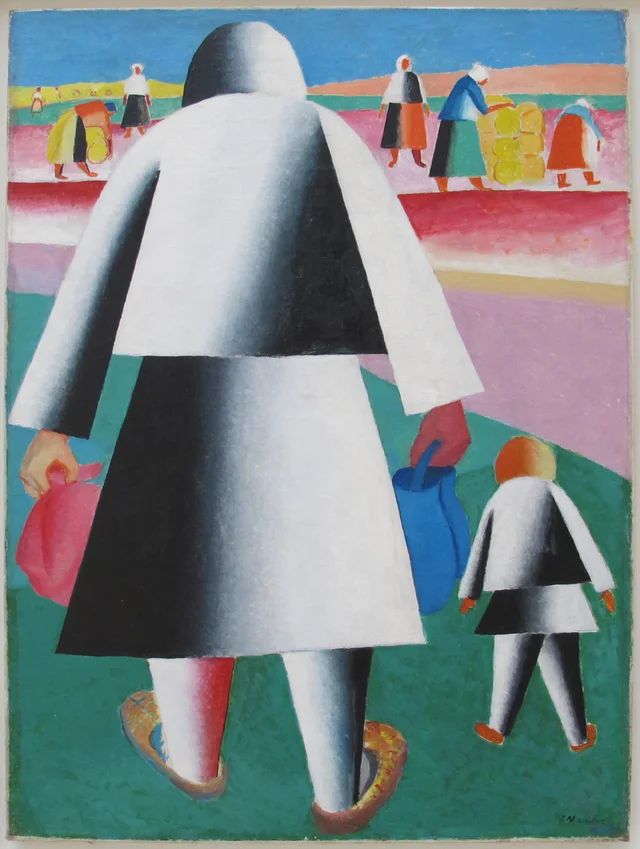 Zum Feld II (Marthe und Jeannot)Kasimir Malewitsch, 1929
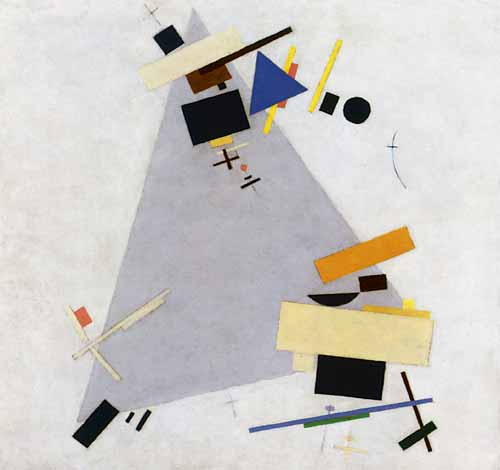 Dynamischer SuprematismusKasimir Malewitsch, 1915
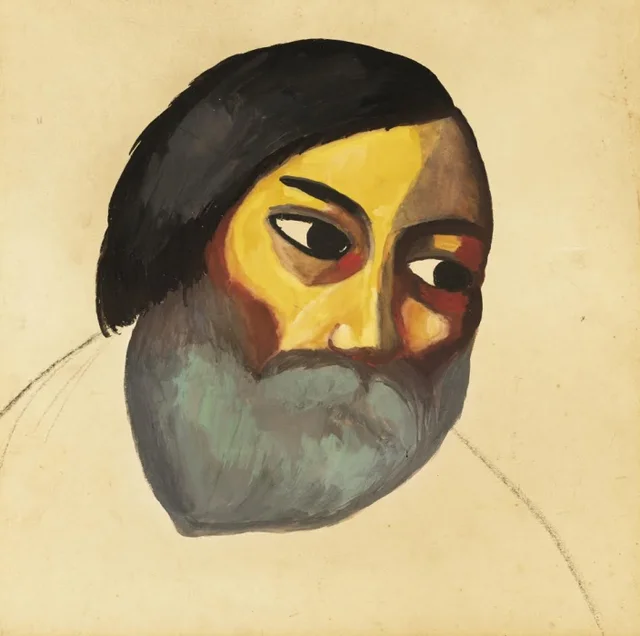 Kopf eines BauernKasimir Malewitsch, 1911
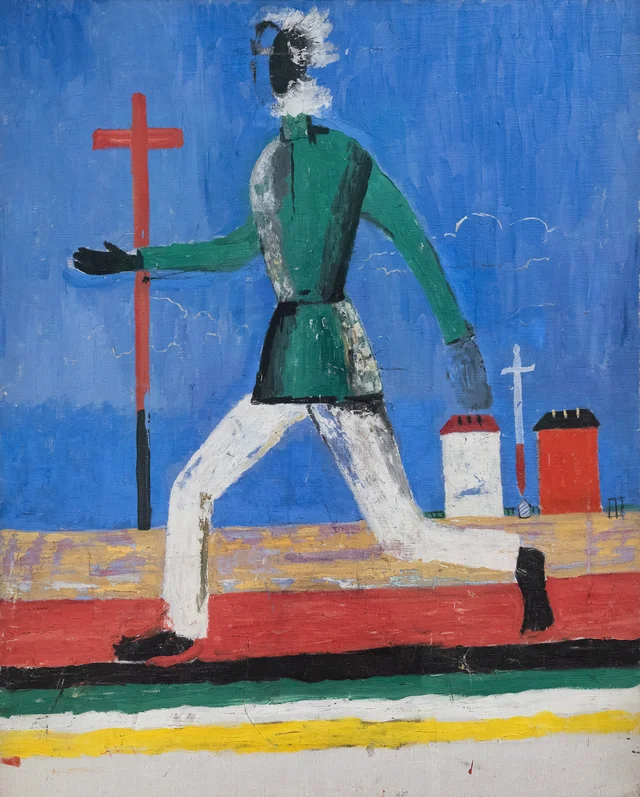 Gefühl der GefahrKasimir Malewitsch, 1930
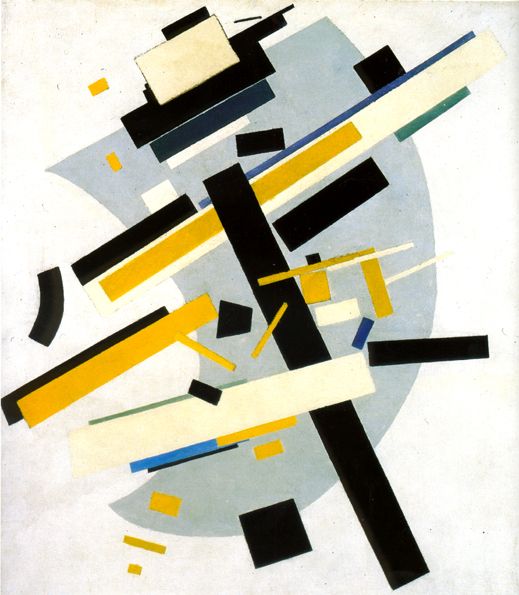 Supremus Nr. 58: Gelb und SchwarzKasimir Malewitsch, 1916
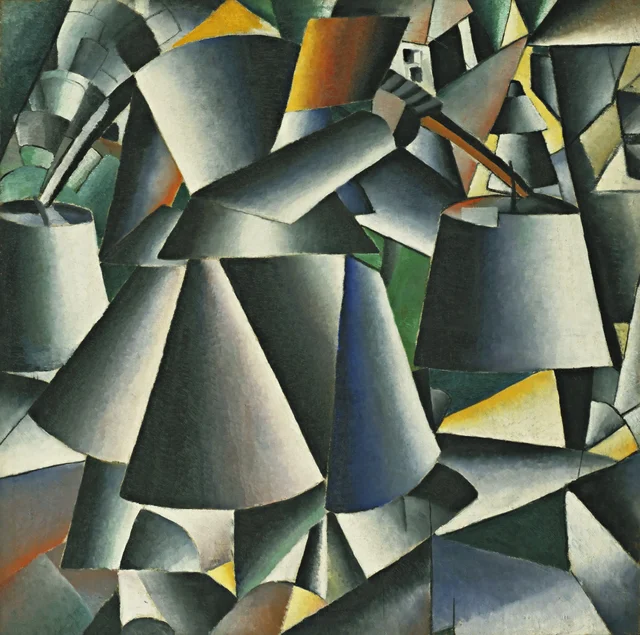 Frau mit Eimern: Dynamische KompositionKasimir Malewitsch, 1912
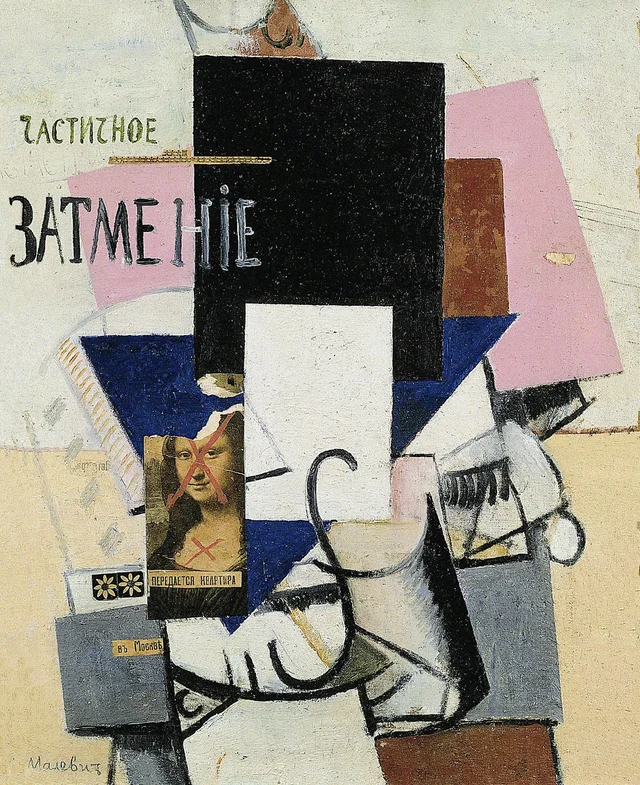 Partielle FinsternisKasimir Malewitsch, 1914
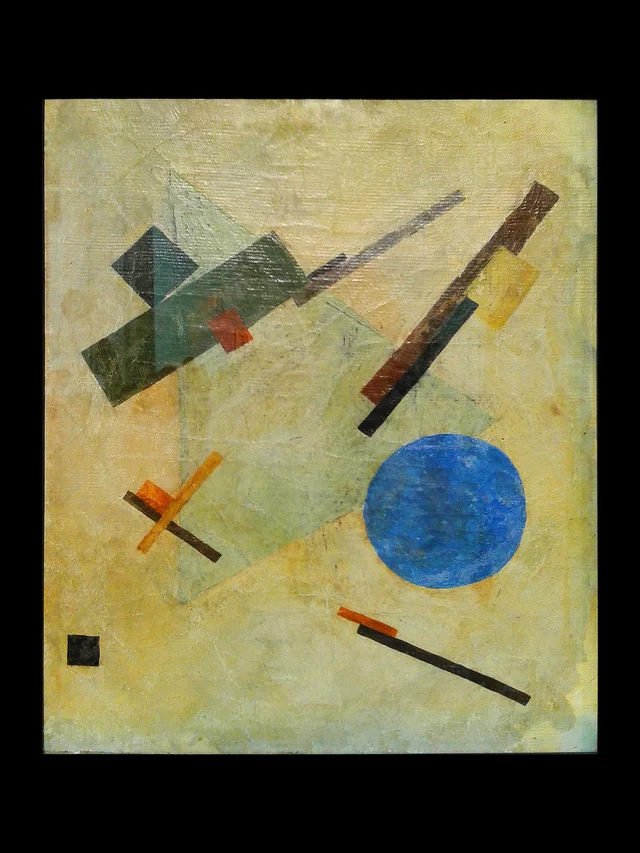 Suprematistische Komposition 1Kasimir Malewitsch, 1916
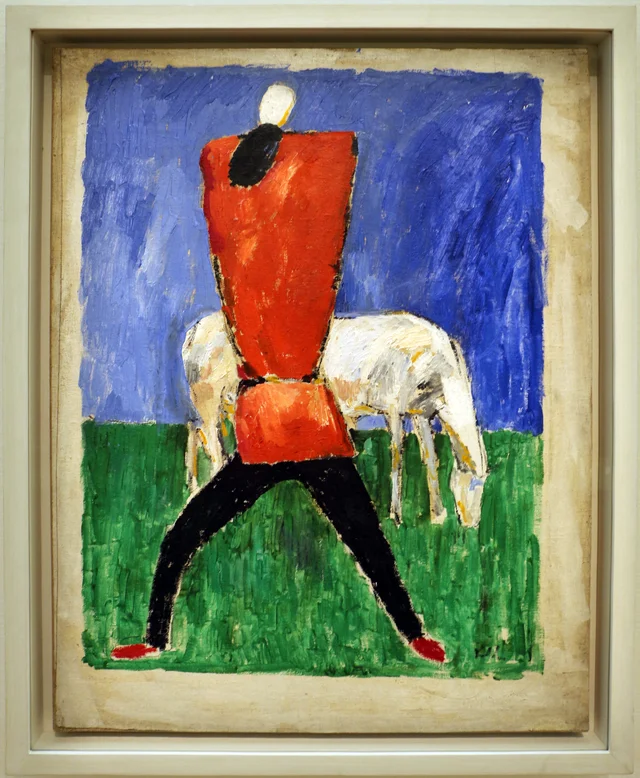 Das weiße PferdKasimir Malewitsch, 1930
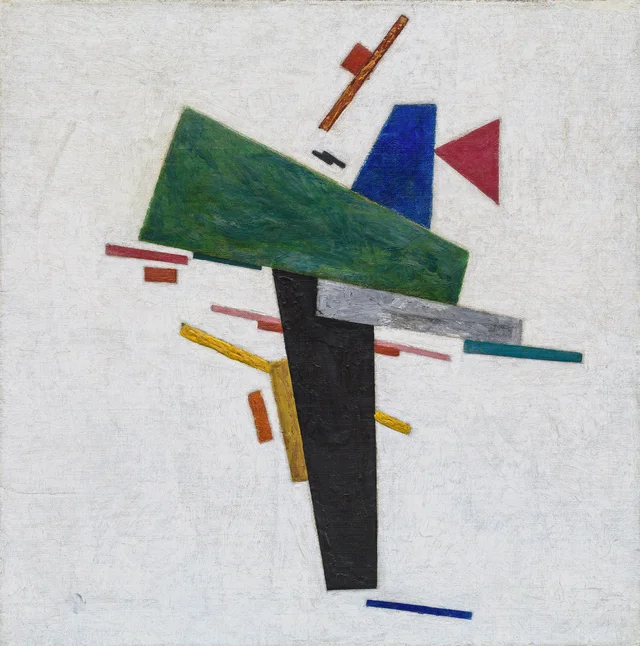 Ohne TitelKasimir Malewitsch, 1916
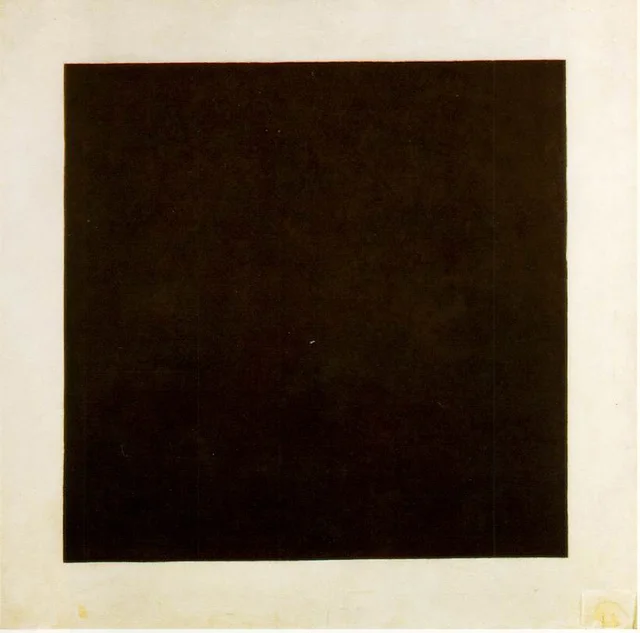 Schwarzes Quadrat (1924)Kasimir Malewitsch, 1924
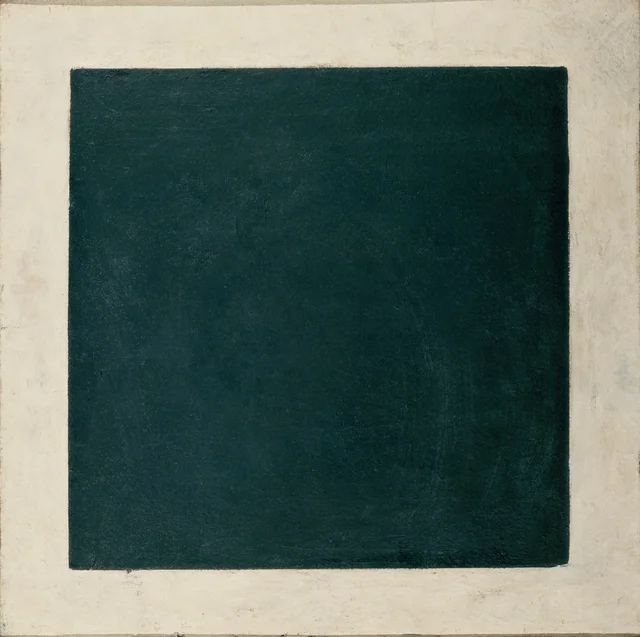 Schwarzes Quadrat (1930)Kasimir Malewitsch, 1930
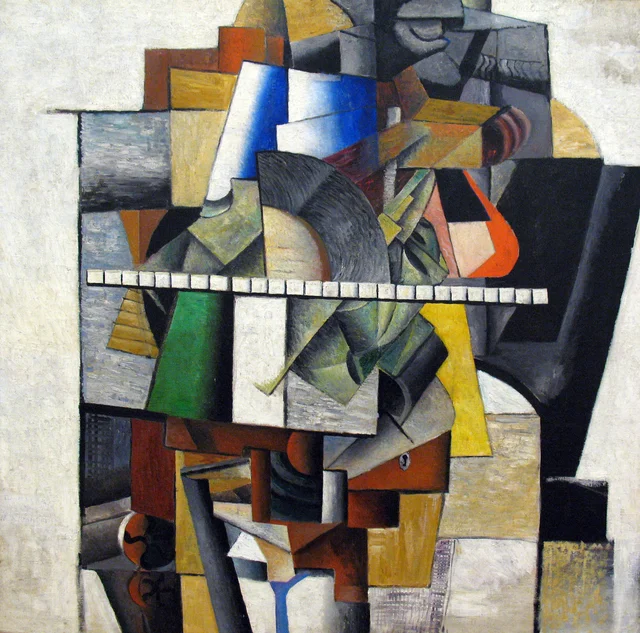 Porträt von Michail MatjuschinKasimir Malewitsch, 1913