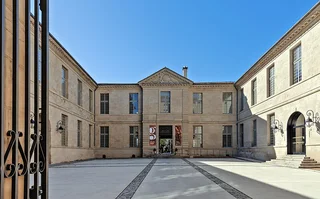
Die Geschichte
Castres, eine kleine Stadt in Südfrankreich, ist ein unerwarteter Ort für ein Museum spanischer Kunst, doch genau das ist das Goya-Museum seit 1947. Es füllt den einstigen Bischofspalast der Stadt, einen würdevollen Bau von 1675 nach einem Entwurf von Jules Hardouin-Mansart, einem der Architekten von Versailles, und dahinter liegt ein französischer Garten von Le Nôtre.
Goya ist der Anker der Sammlung. Neben einigen seiner Gemälde, darunter ein Selbstbildnis, hängen die großen druckgrafischen Folgen, in denen seine Fantasie ins Dunkle kippte, die Caprichos und die Schrecken des Krieges, Blatt um Blatt Albtraum und Grausamkeit. Um ihn herum baut das Museum den umfangreichsten spanischen Bestand Frankreichs nach dem Louvre auf, mit Murillo und Werken aus dem Umfeld von Velázquez, manche davon vor langer Zeit aus Paris hierher überwiesen. Die Gärten von Le Nôtre gehören zum Besuch dazu, ein Stück französischer Ordnung hinter einem Haus voller spanischer Intensität.
Sammlung
6 Werke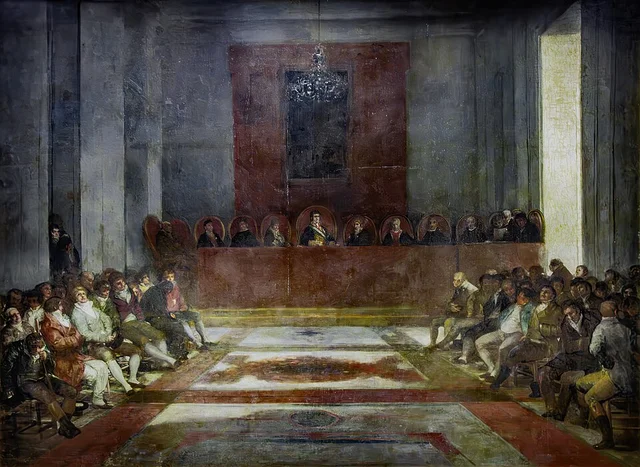 Die Junta der PhilippinenFrancisco Goya, 1815
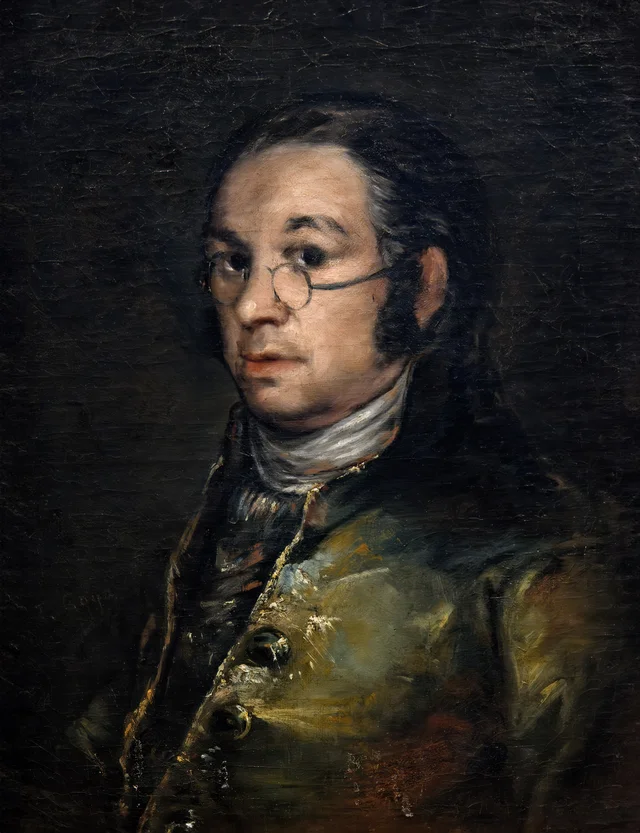 Selbstbildnis mit BrilleFrancisco Goya, 1800
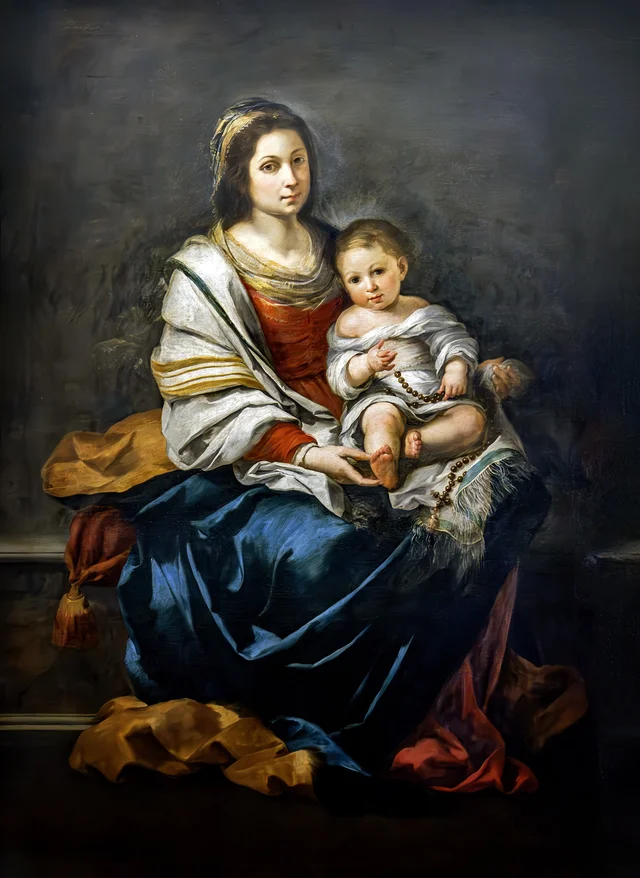 RosenkranzmadonnaBartolomé Esteban Murillo, 1650
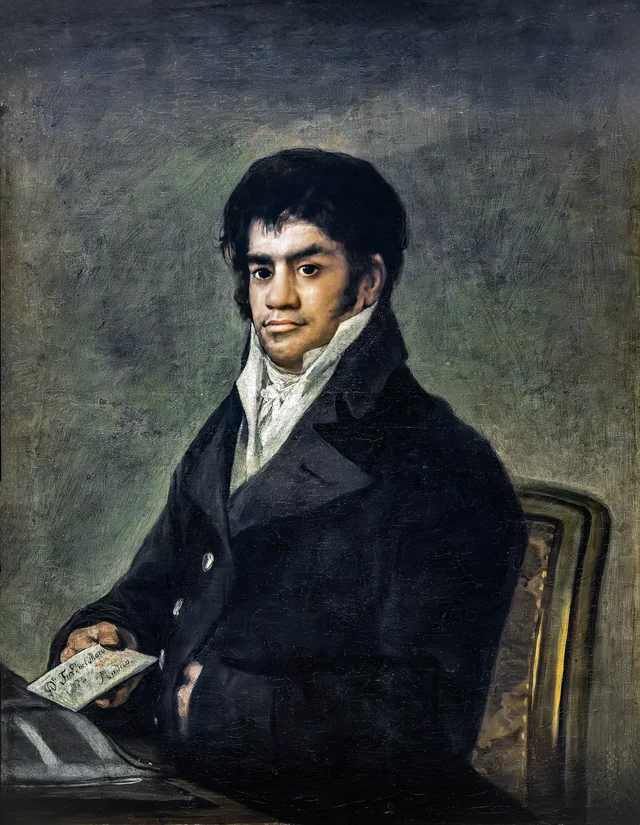 Bildnis des Francisco del MazoFrancisco Goya, 1817
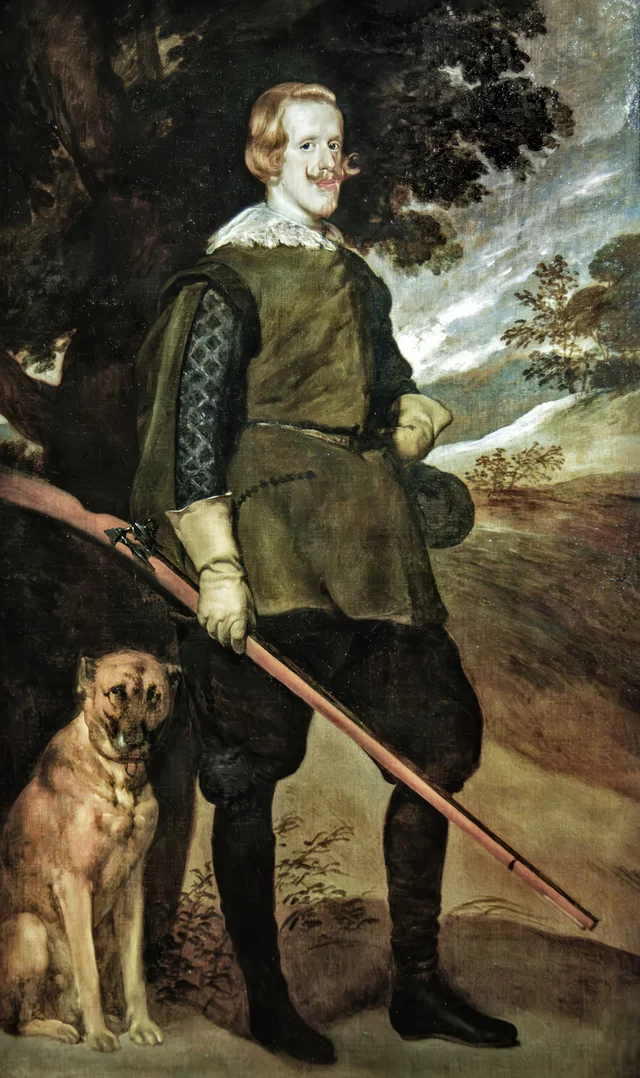 Philipp IV. als JägerDiego Velázquez, 1634
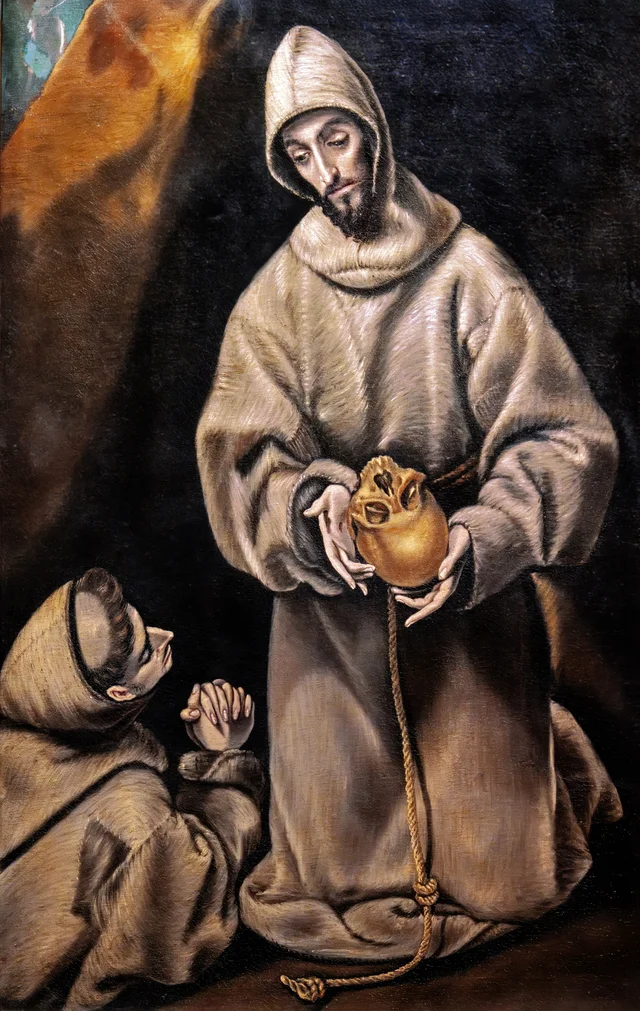 Der heilige Franziskus von Assisi und Bruder Leo meditieren über den TodAnonym, 1612