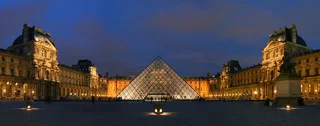
Die Geschichte
Der Louvre begann als Festung. Philipp II. ließ sie um 1190 am rechten Seineufer errichten, um das mittelalterliche Paris zu schützen, und über die folgenden Jahrhunderte bauten die französischen Könige sie zu einem Schloss um, bis Ludwig XIV. seinen Hof 1682 nach Versailles verlegte und die halbfertigen Säle der königlichen Sammlung und den dort einquartierten Künstlern überließ.
Die Revolution machte daraus ein öffentliches Museum. Am 10. August 1793 öffnete das Muséum central des arts seine Türen und zeigte die beschlagnahmte Kunst von Krone und Kirche jedem Bürger, der eintreten wollte. Napoleon füllte es mit der Beute seiner Feldzüge und benannte es kurzzeitig nach sich selbst. Vieles kehrte nach Waterloo zurück, doch die Idee hielt, eine für das Studium geordnete Nationalsammlung, frei zugänglich für alle.
Heute besitzt der Louvre mehr als 35.000 Werke, von der Venus von Milo bis zu Géricaults Floß der Medusa. Die Menge aber drängt zu einem kleinen Bildnis. Im August 1911 verschwand es: Vincenzo Peruggia, ein italienischer Handwerker, der im Museum gearbeitet hatte, nahm Leonardos Mona Lisa von der Wand und trug sie unter seinem Mantel hinaus. Zwei Jahre lang hing der Rahmen leer, während Besucher kamen, um die Lücke anzustarren, und das Bild kehrte erst 1913 zurück, nachdem Peruggia versucht hatte, es einem Händler in Florenz zu verkaufen. Die gläserne Pyramide von I. M. Pei, 1989 in den Hof gesetzt, markiert heute den Eingang.
Weitere Artikel
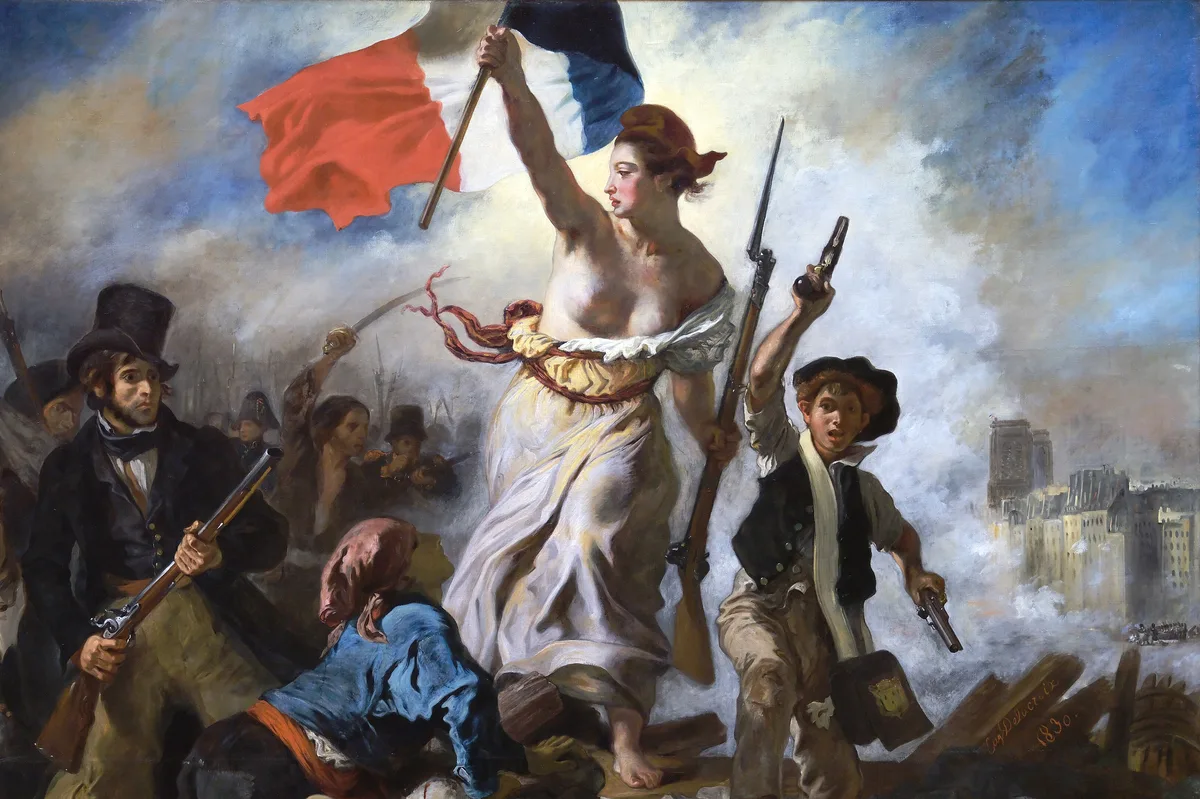
Sammlung
1.174 Werke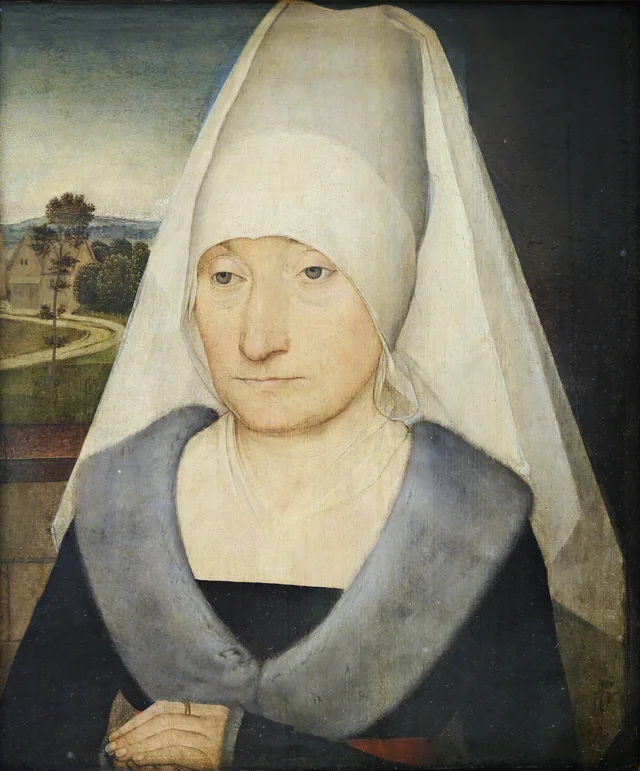 Bildnis einer alten FrauHans Memling, 1470
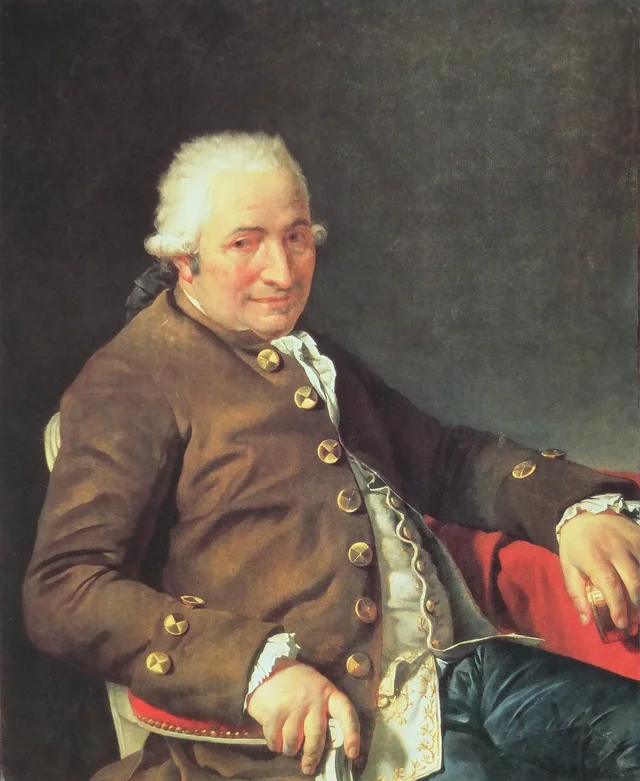 Porträt des Charles-Pierre PécoulJacques-Louis David, 1784
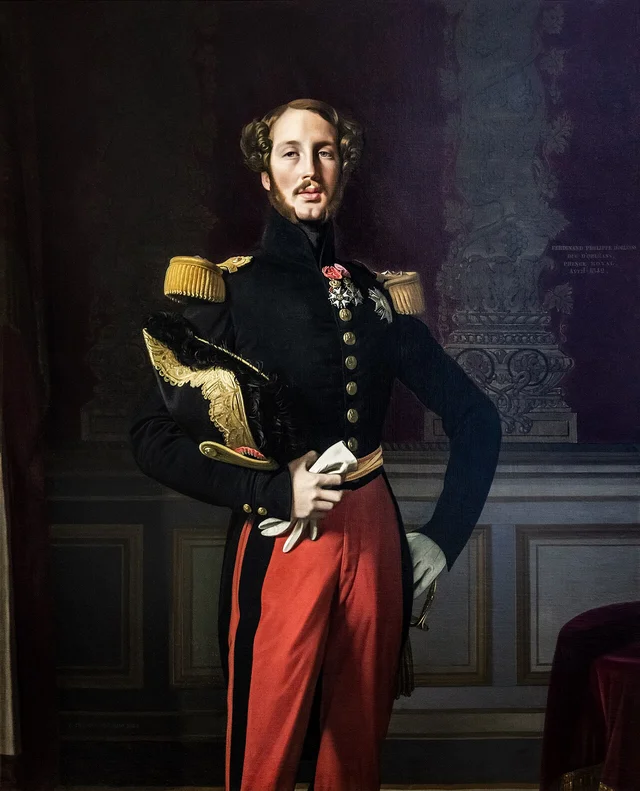 Porträt von Ferdinand-Philippe, Herzog von OrléansJean-Auguste-Dominique Ingres, 1842
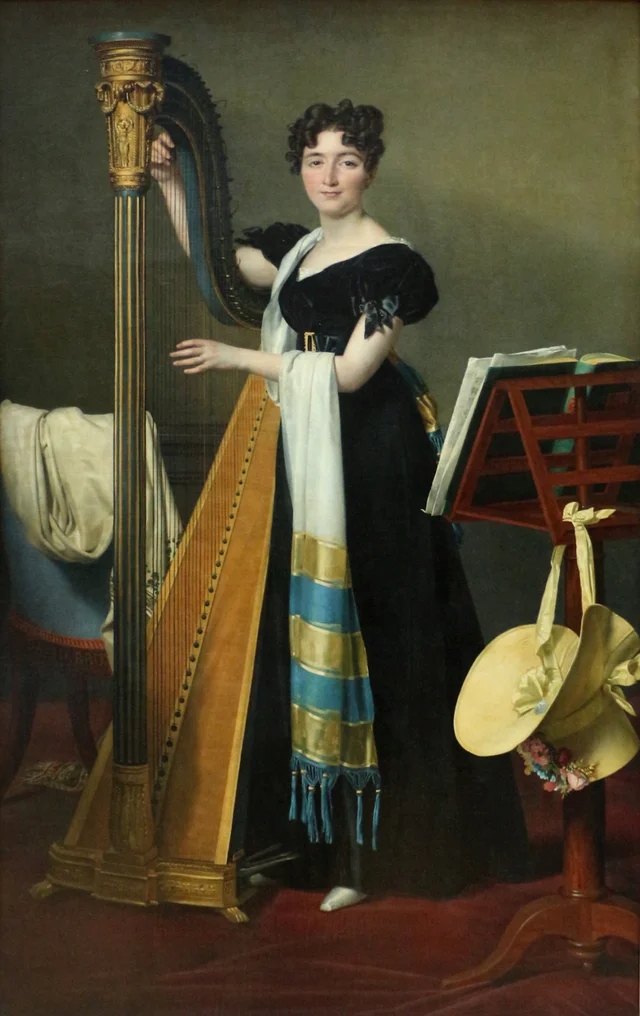 Porträt der Juliette de VilleneuveJacques-Louis David, 1824
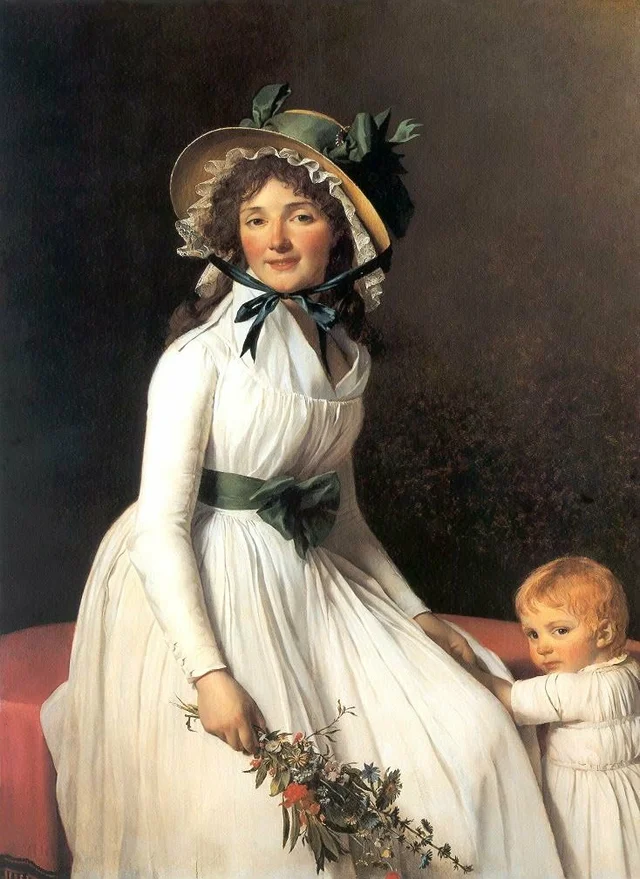 Porträt von Madame Émilie Sériziat und ihrem SohnJacques-Louis David, 1795
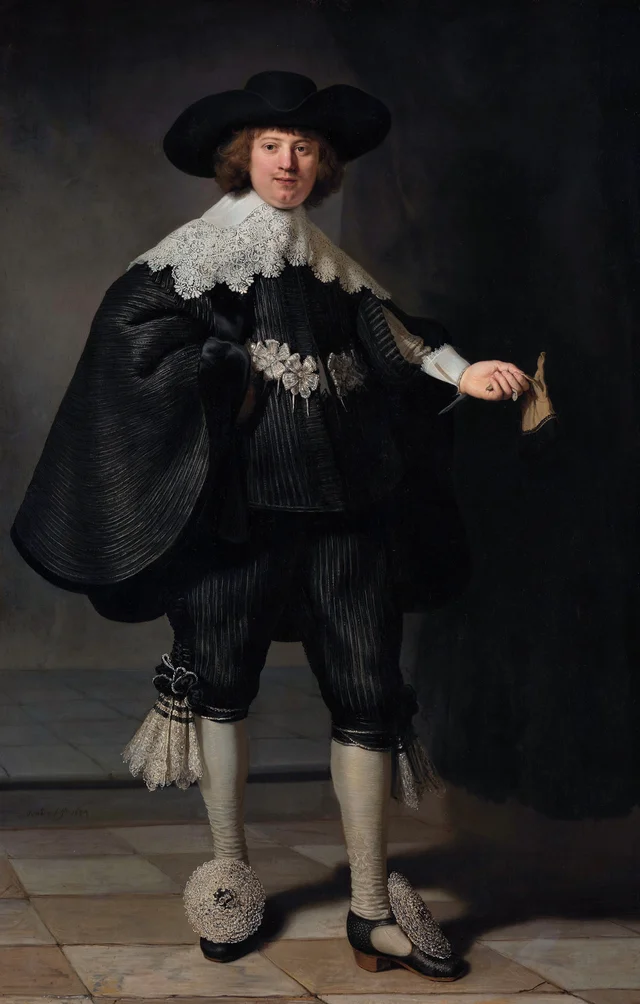 Bildnis des Maerten SoolmansRembrandt, 1634
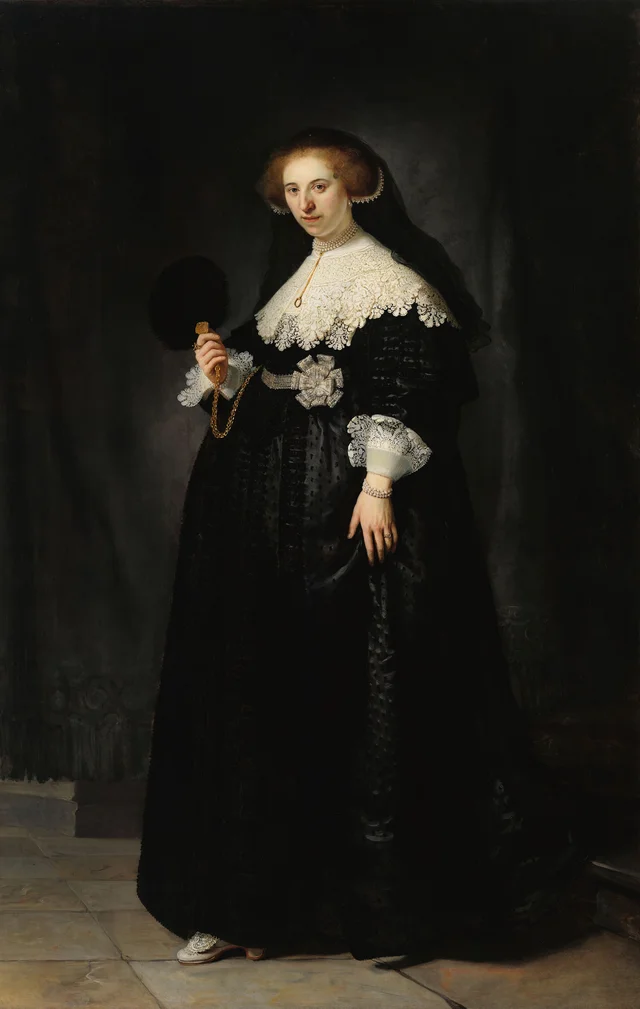 Porträt der Oopjen CoppitRembrandt, 1634
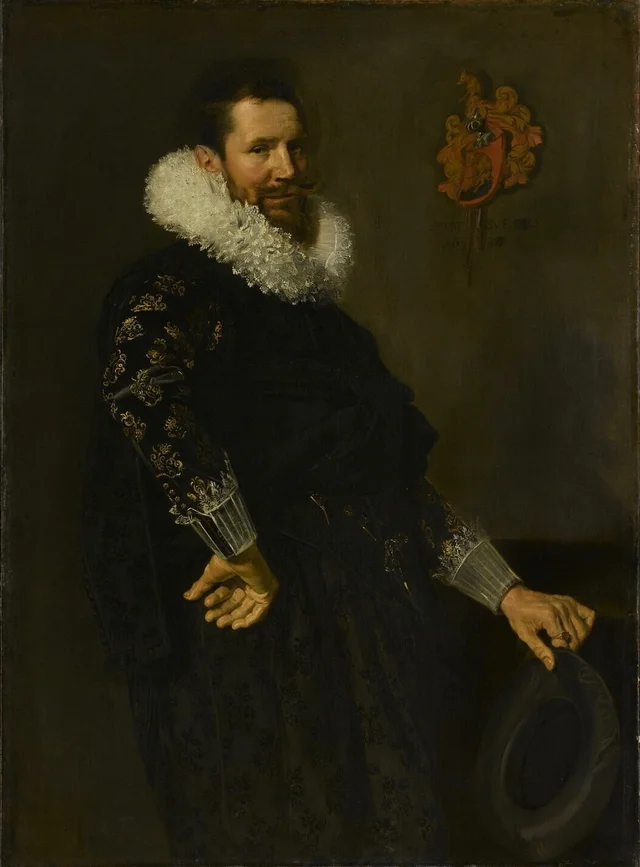 Bildnis des Paulus van BeresteynFrans Hals, 1620
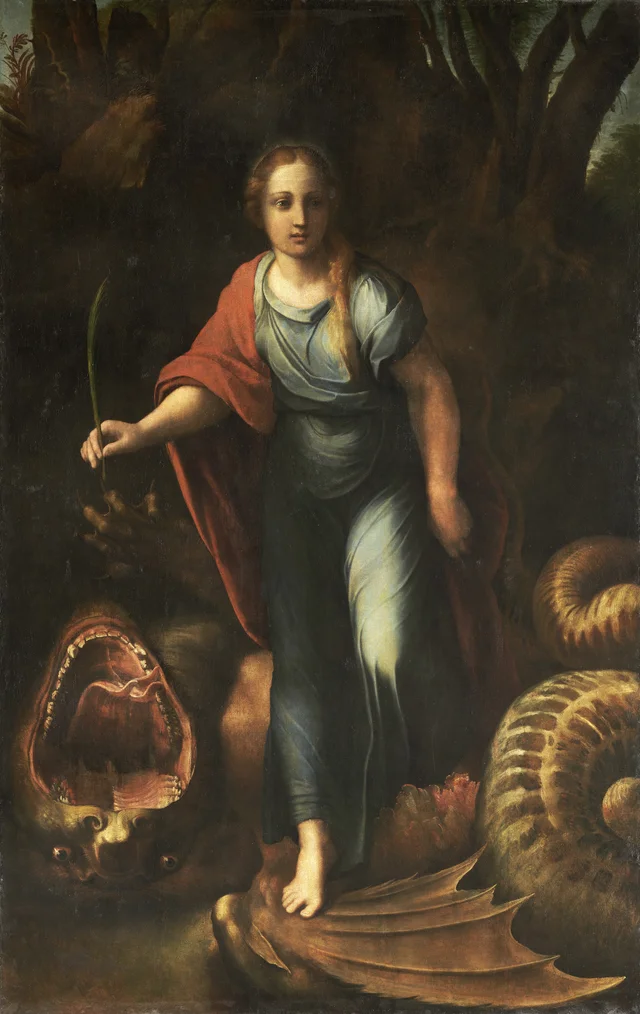 Heilige MargareteRaffael, 1518
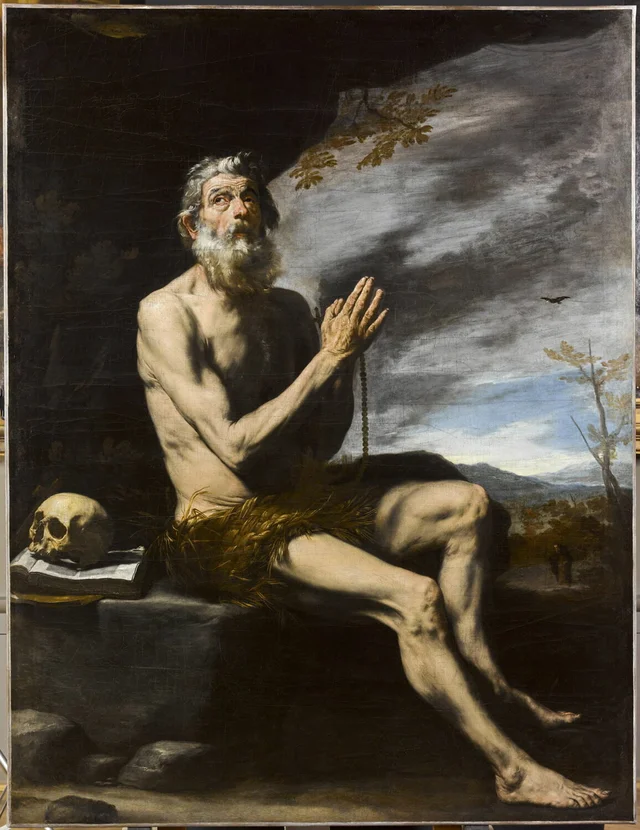 Der heilige Paulus der EinsiedlerJusepe de Ribera, 1642
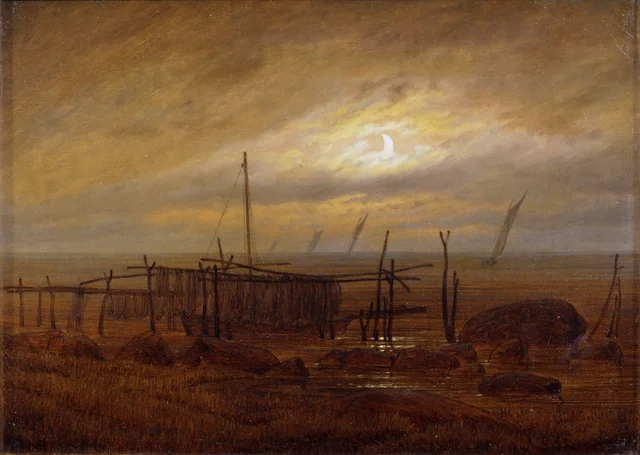 Mondaufgang am MeerCaspar David Friedrich, 1818
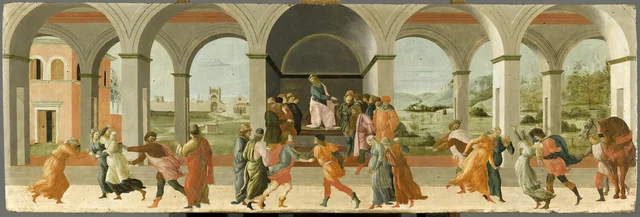 Geschichte der VerginiaFilippino Lippi, 1475
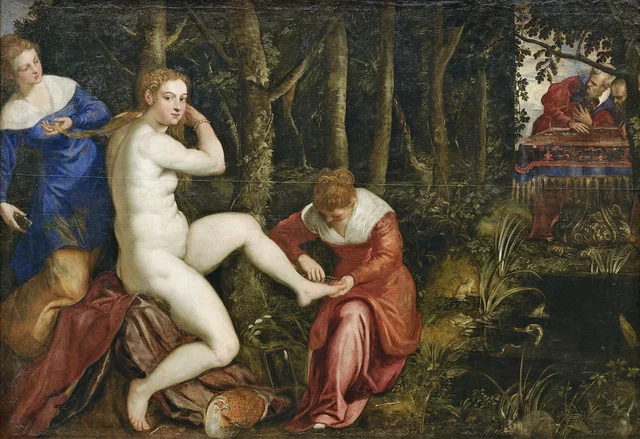 Susanna im BadeJacopo Tintoretto, 1550
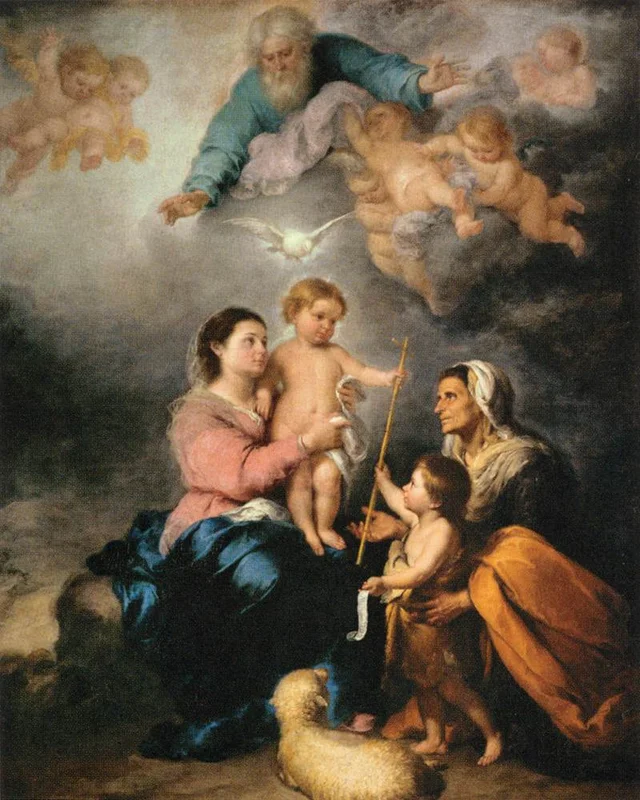 Die Heilige FamilieBartolomé Esteban Murillo, 1667
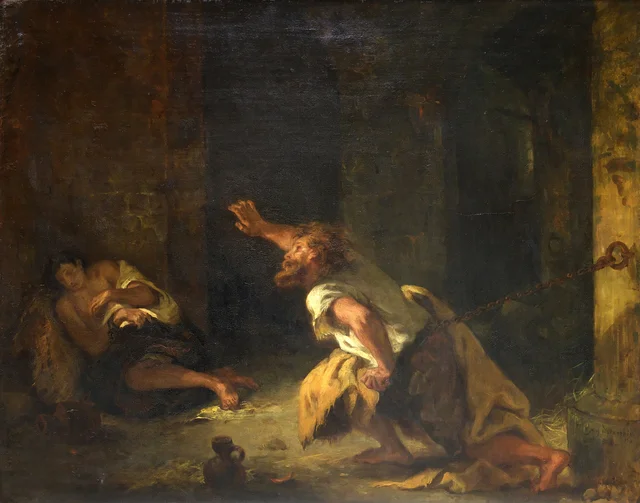 Der Gefangene von ChillonEugène Delacroix, 1834
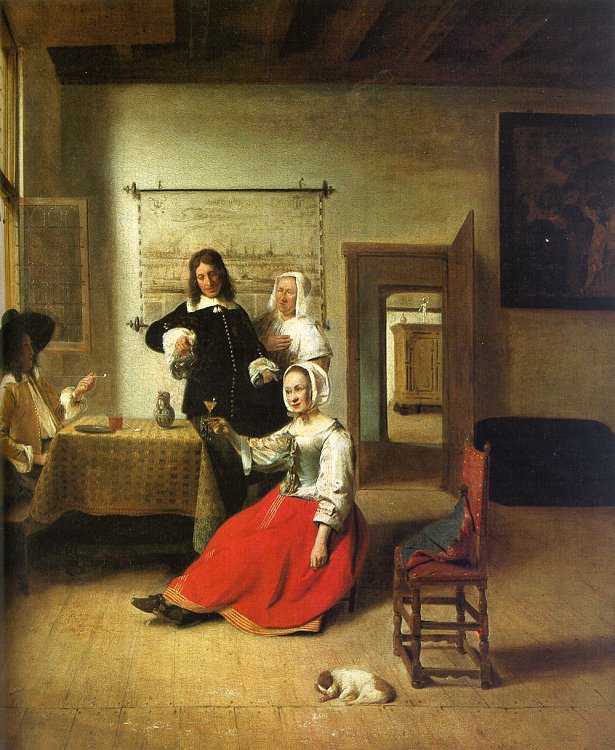 Trinkende Frau mit zwei Männern und einer Magd in einem InterieurPieter de Hooch, 1658
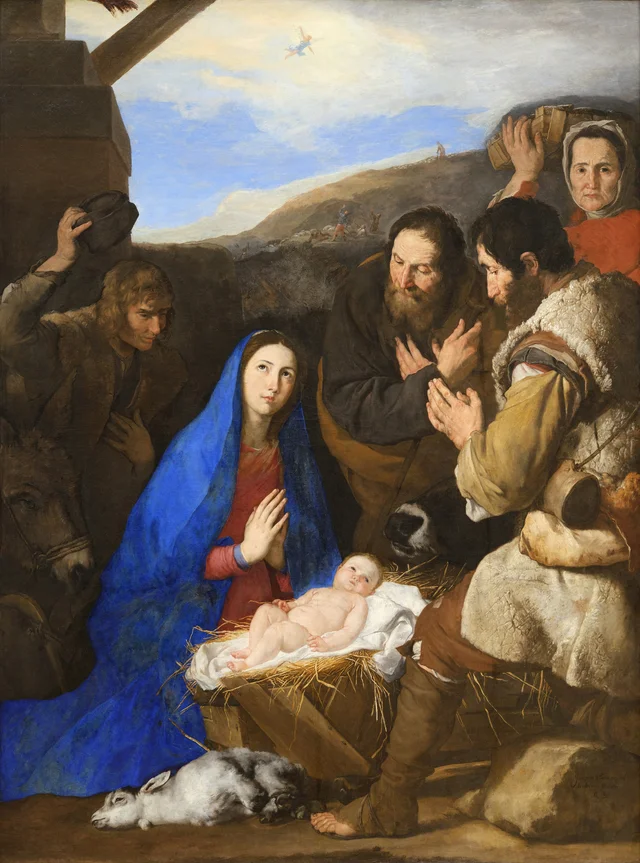 Anbetung der HirtenJusepe de Ribera, 1650
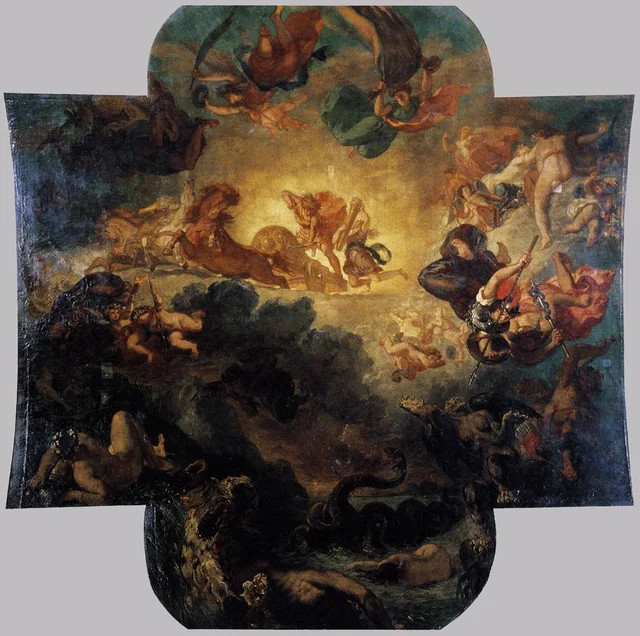 Apollo besiegt PythonEugène Delacroix, 1850
 Bacchanal mit LautenspielerNicolas Poussin, 1627
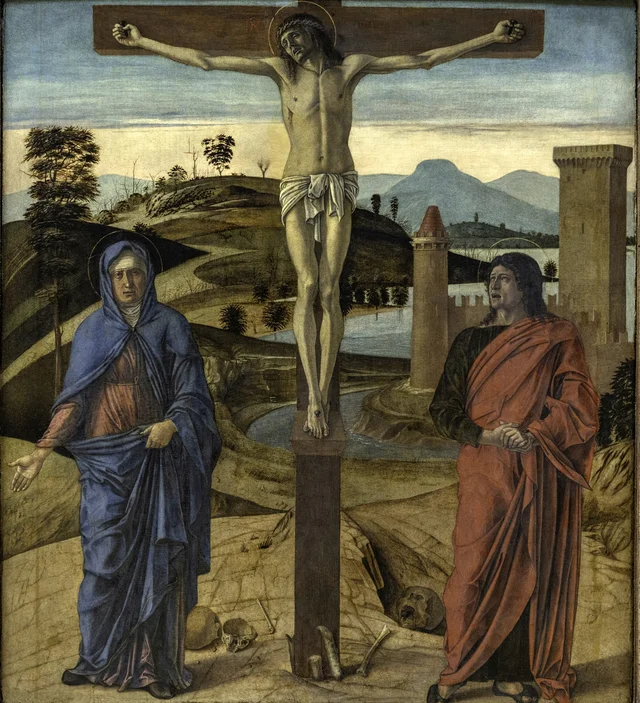 KalvarienbergGiovanni Bellini, 1467
 Christus und die EhebrecherinNicolas Poussin, 1653
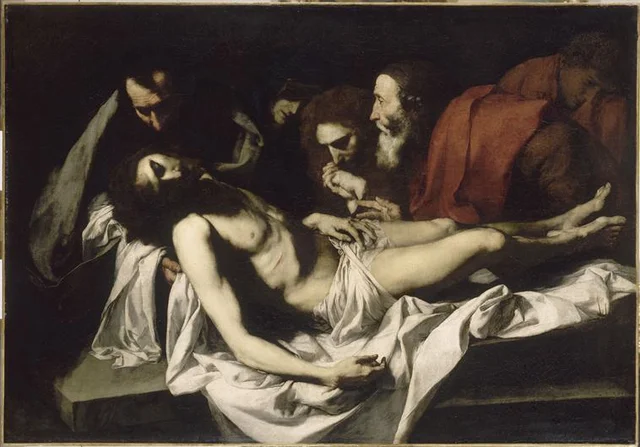 Kreuzabnahme ChristiJusepe de Ribera, 1628
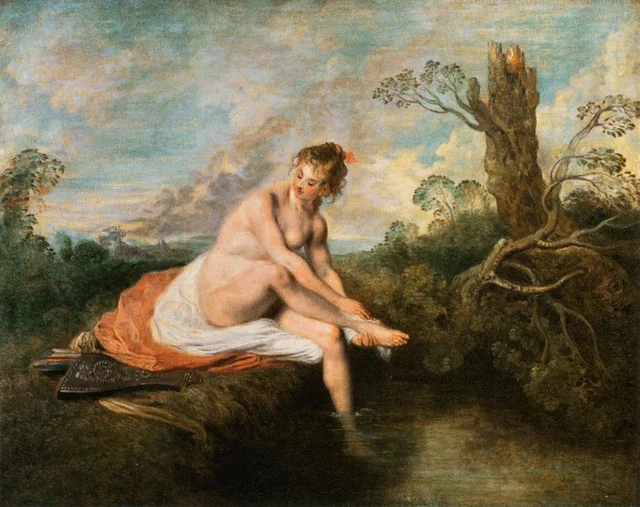 Diana im BadeJean-Antoine Watteau, 1715
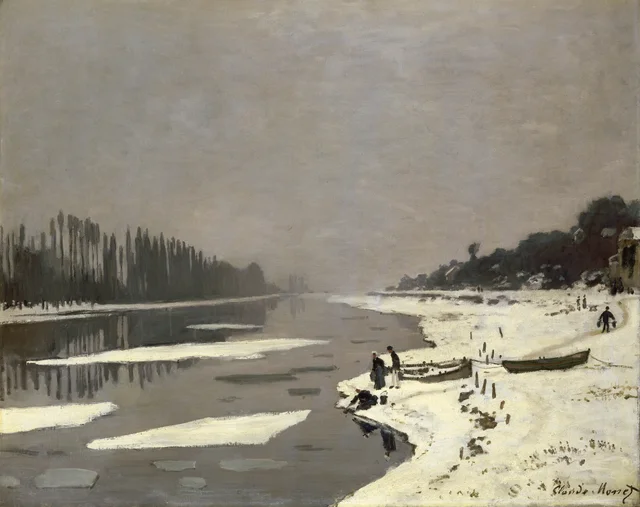 Eisschollen bei BougivalClaude Monet, 1867
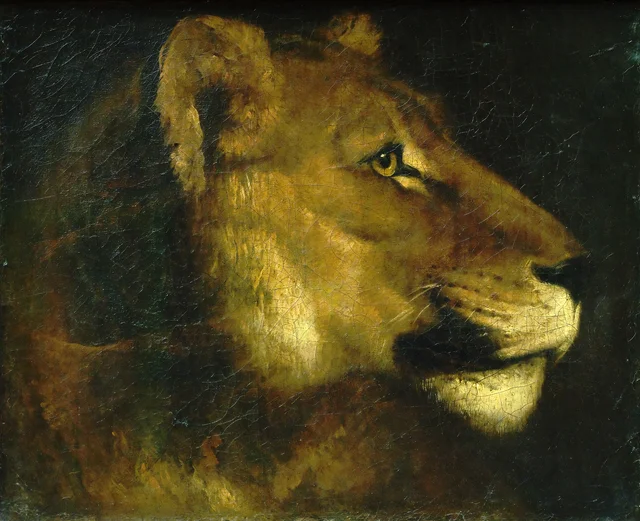 LöwenkopfThéodore Géricault, 1819