Die Geschichte
Der Louvre begann als Festung. Philipp II. ließ sie um 1190 am rechten Seineufer errichten, um das mittelalterliche Paris zu schützen, und über die folgenden Jahrhunderte bauten die französischen Könige sie zu einem Schloss um, bis Ludwig XIV. seinen Hof 1682 nach Versailles verlegte und die halbfertigen Säle der königlichen Sammlung und den dort einquartierten Künstlern überließ.
Die Revolution machte daraus ein öffentliches Museum. Am 10. August 1793 öffnete das Muséum central des arts seine Türen und zeigte die beschlagnahmte Kunst von Krone und Kirche jedem Bürger, der eintreten wollte. Napoleon füllte es mit der Beute seiner Feldzüge und benannte es kurzzeitig nach sich selbst. Vieles kehrte nach Waterloo zurück, doch die Idee hielt, eine für das Studium geordnete Nationalsammlung, frei zugänglich für alle.
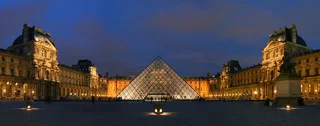
Heute besitzt der Louvre mehr als 35.000 Werke, von der Venus von Milo bis zu Géricaults Floß der Medusa. Die Menge aber drängt zu einem kleinen Bildnis. Im August 1911 verschwand es: Vincenzo Peruggia, ein italienischer Handwerker, der im Museum gearbeitet hatte, nahm Leonardos Mona Lisa von der Wand und trug sie unter seinem Mantel hinaus. Zwei Jahre lang hing der Rahmen leer, während Besucher kamen, um die Lücke anzustarren, und das Bild kehrte erst 1913 zurück, nachdem Peruggia versucht hatte, es einem Händler in Florenz zu verkaufen. Die gläserne Pyramide von I. M. Pei, 1989 in den Hof gesetzt, markiert heute den Eingang.
Weitere Artikel
Sammlung
1.174 Werke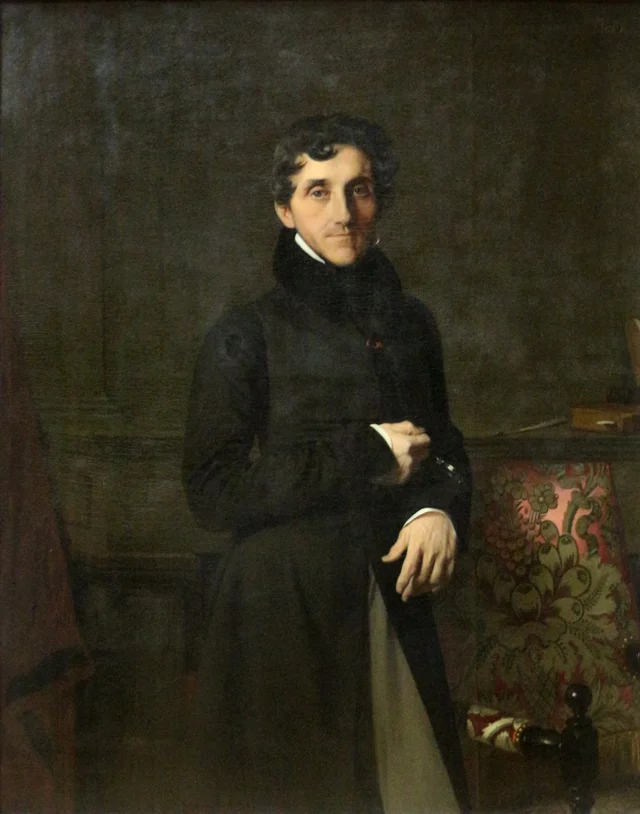 Porträt von Louis-Mathieu MoléJean-Auguste-Dominique Ingres, 1834
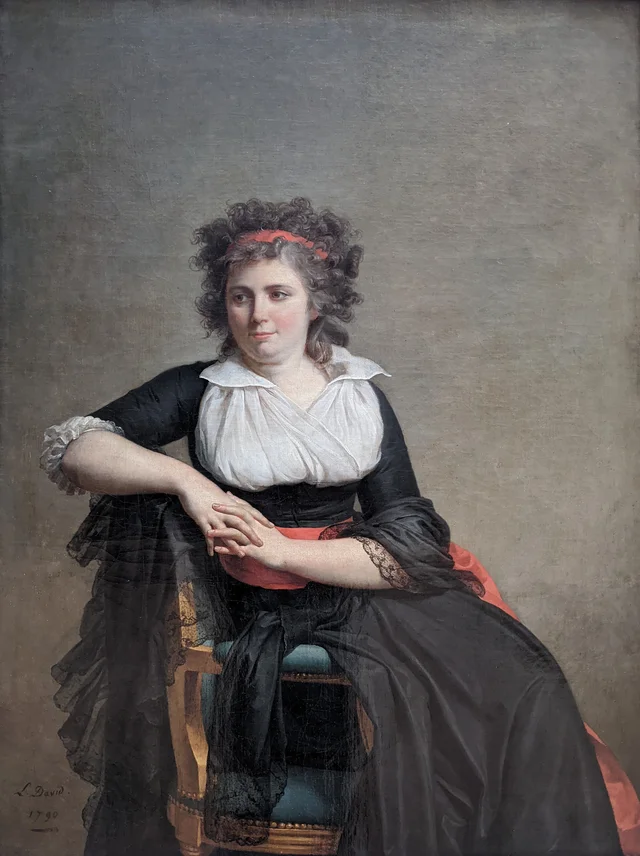 Porträt der Marquise d'OrvilliersJacques-Louis David, 1790
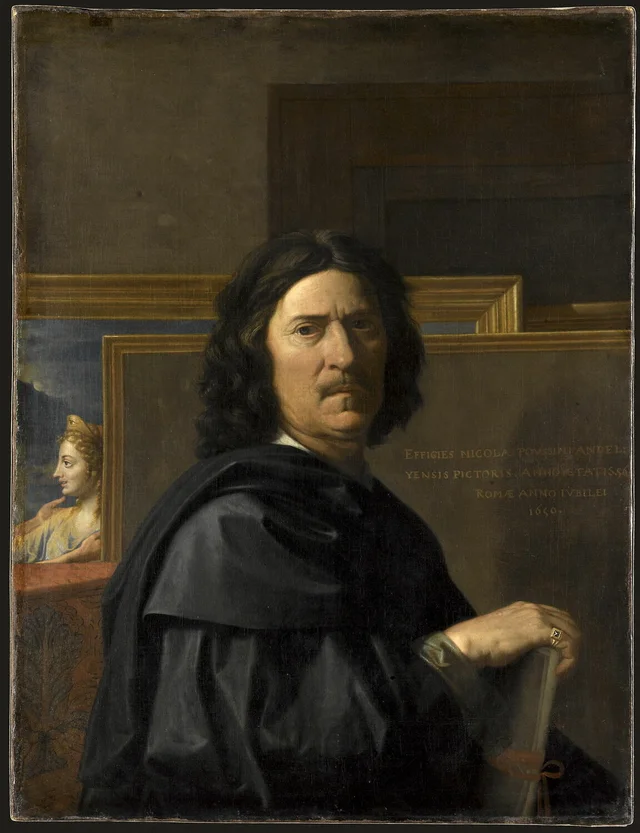 SelbstbildnisNicolas Poussin, 1650
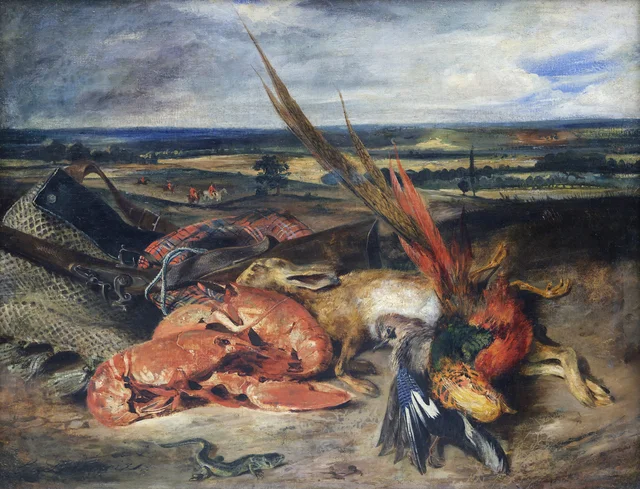 Stillleben mit Hummer und Jagd- und FischereitrophäenEugène Delacroix, 1827
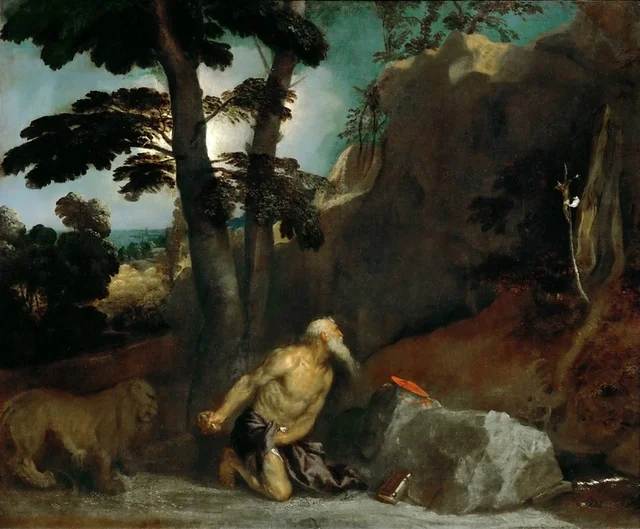 Der büßende HieronymusTizian, 1531
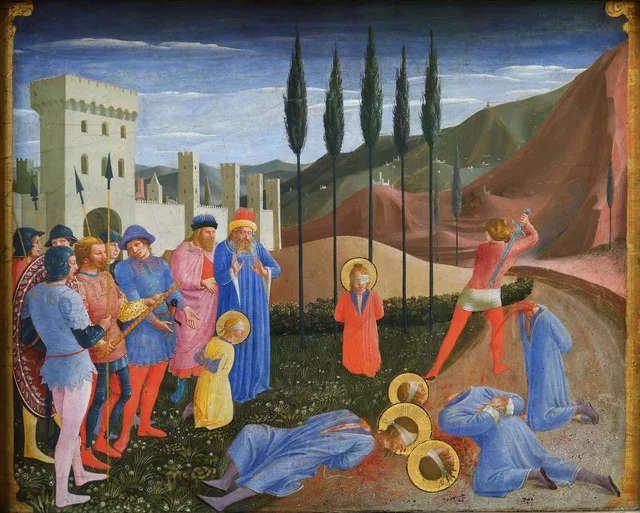 Die Enthauptung der Heiligen Kosmas und DamianFra Angelico, 1443
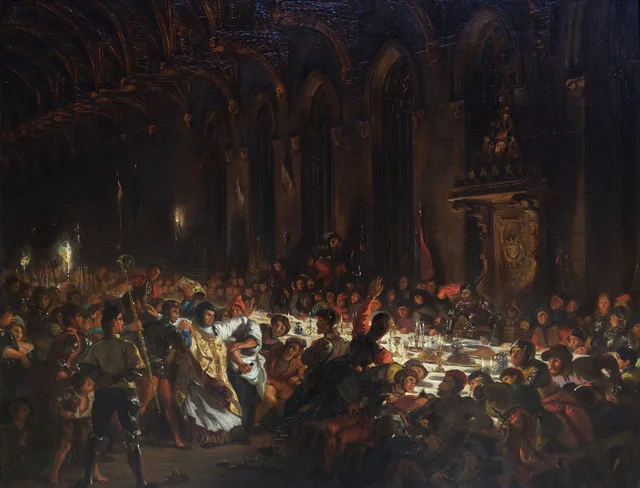 Die Ermordung des Bischofs von LüttichEugène Delacroix, 1828
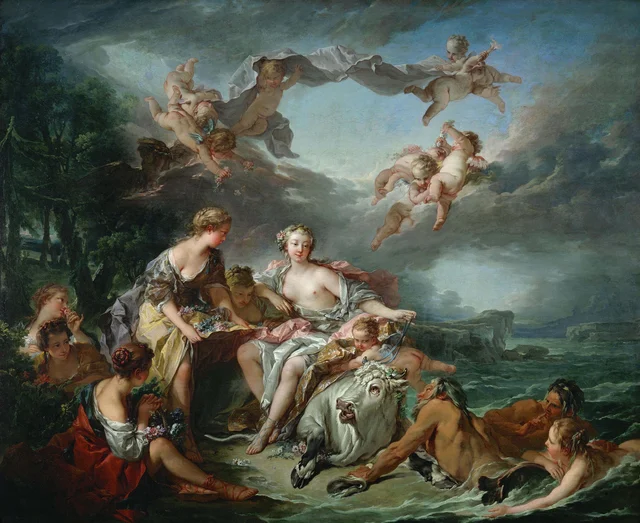 Der Raub der EuropaFrançois Boucher, 1747
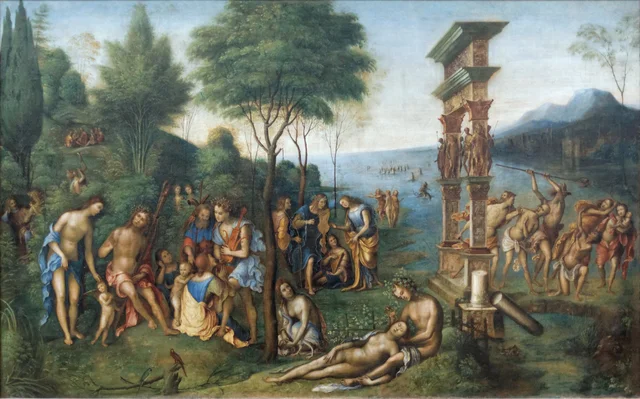 Das Reich des ComusLorenzo Costa, 1511
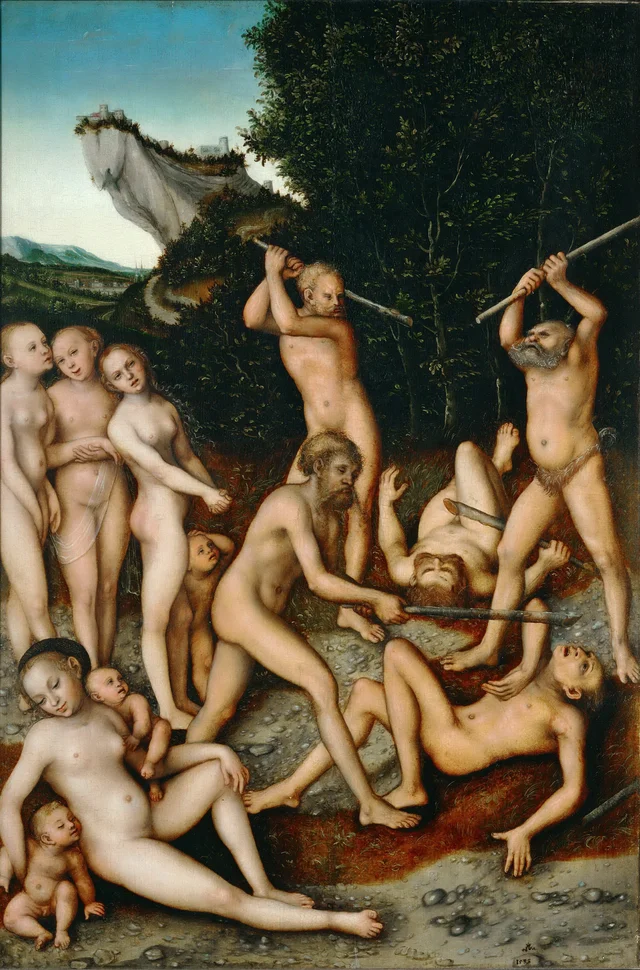 Das silberne ZeitalterLucas Cranach der Ältere, 1535
 Der Triumph der FloraNicolas Poussin, 1627
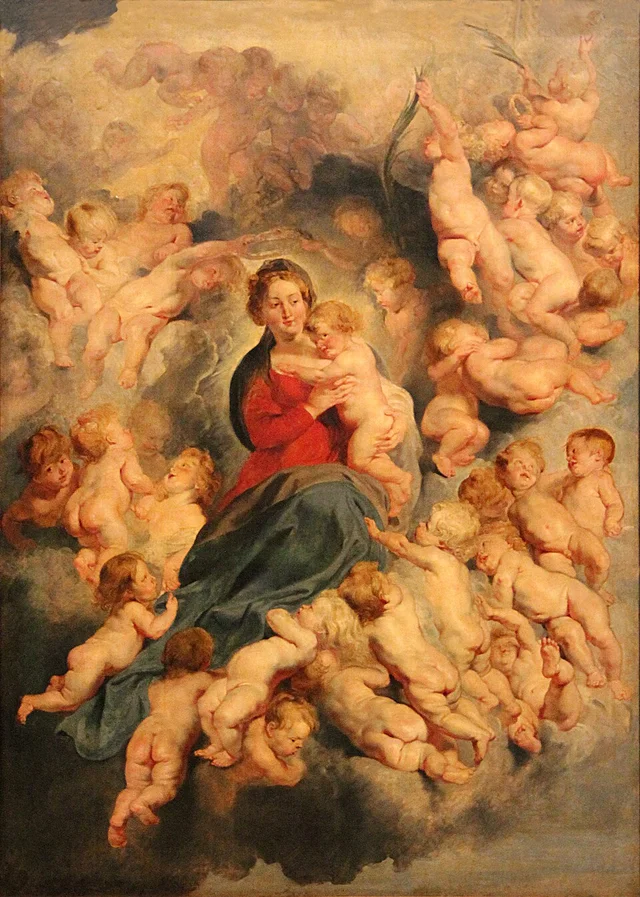 Die Jungfrau mit Kind, umgeben von den Unschuldigen KindernPeter Paul Rubens, 1618
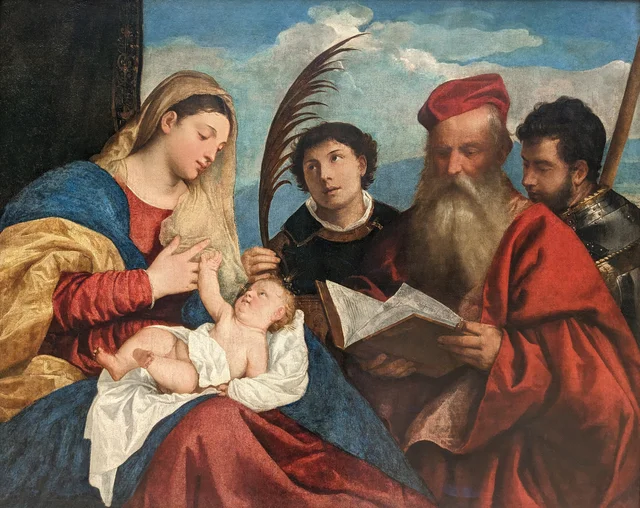 Madonna mit Kind und den Heiligen Stephanus, Hieronymus und MauritiusTizian, 1517
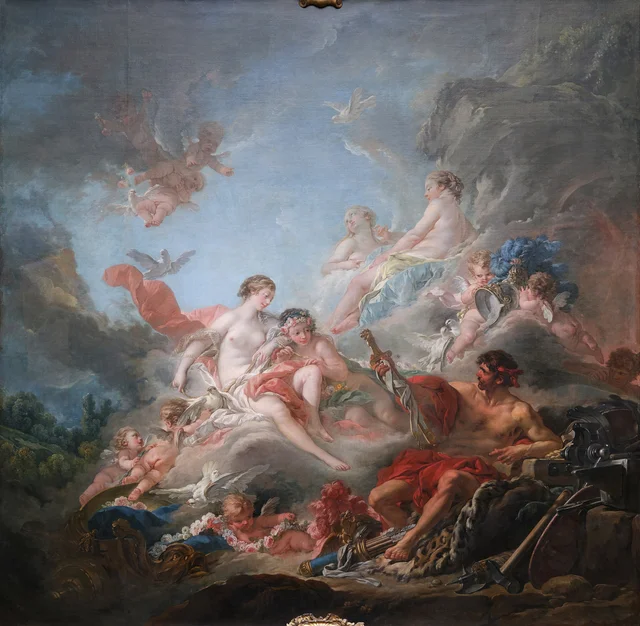 Vulkan überreicht Venus die Waffen für ÄneasFrançois Boucher, 1757
 Der WinterNicolas Poussin, 1662
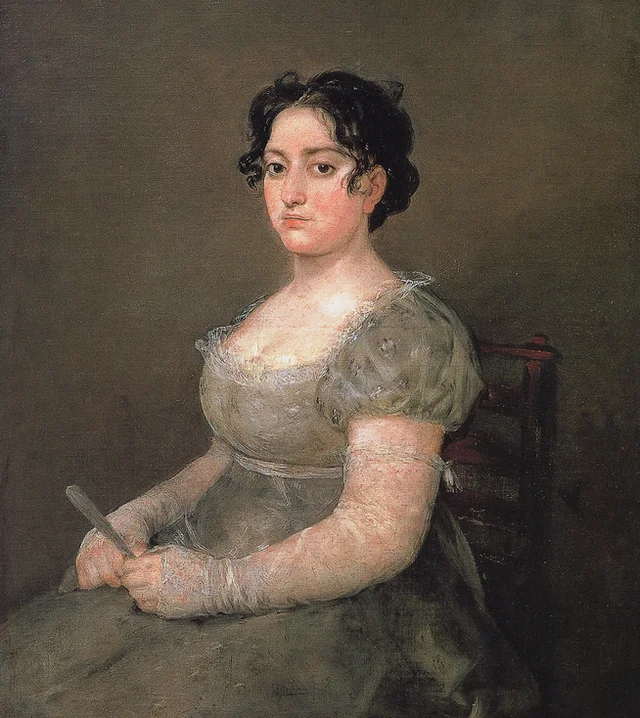 Die Dame mit dem FächerFrancisco Goya, 1805
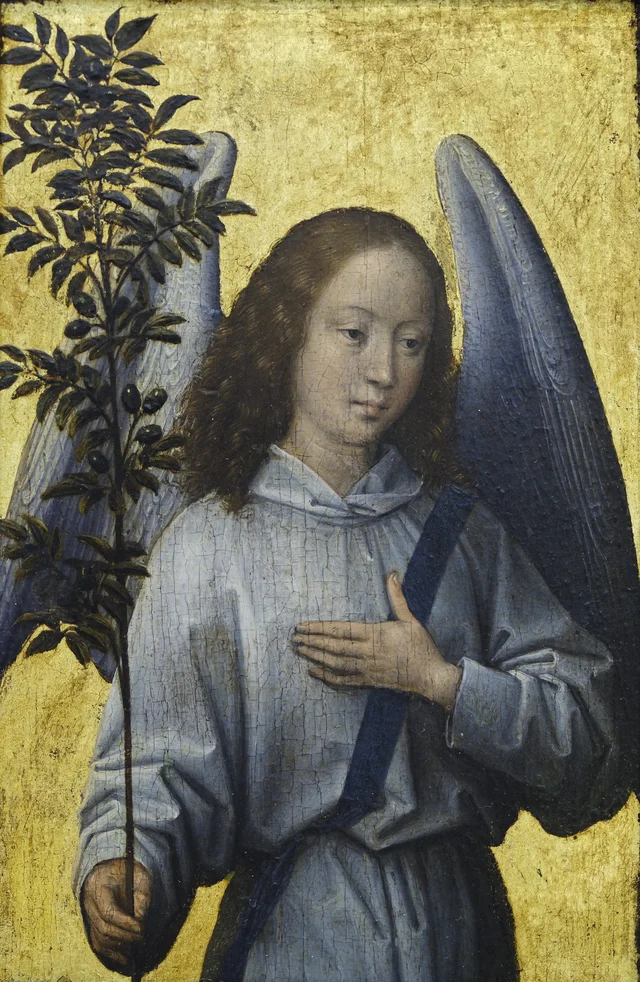 Engel mit ÖlzweigHans Memling, 1477
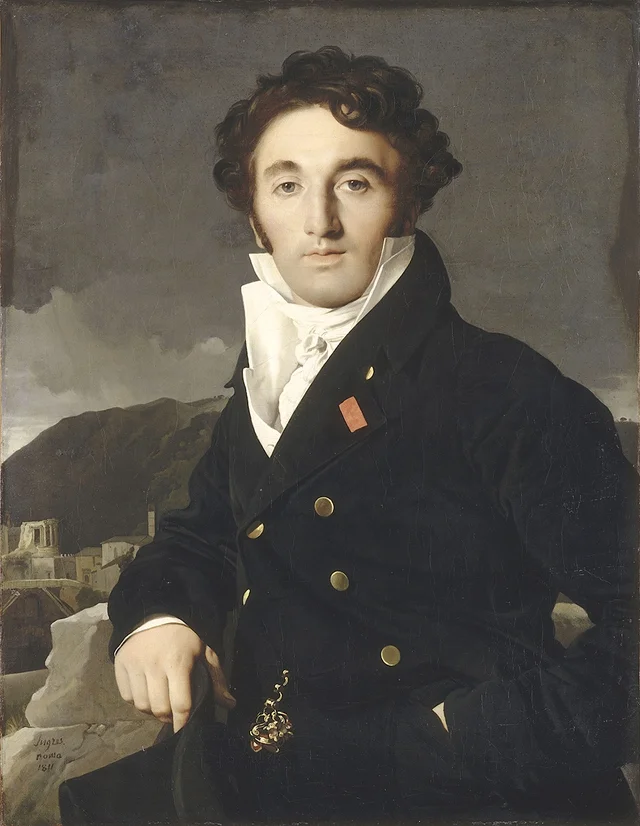 Charles CordierJean-Auguste-Dominique Ingres, 1811
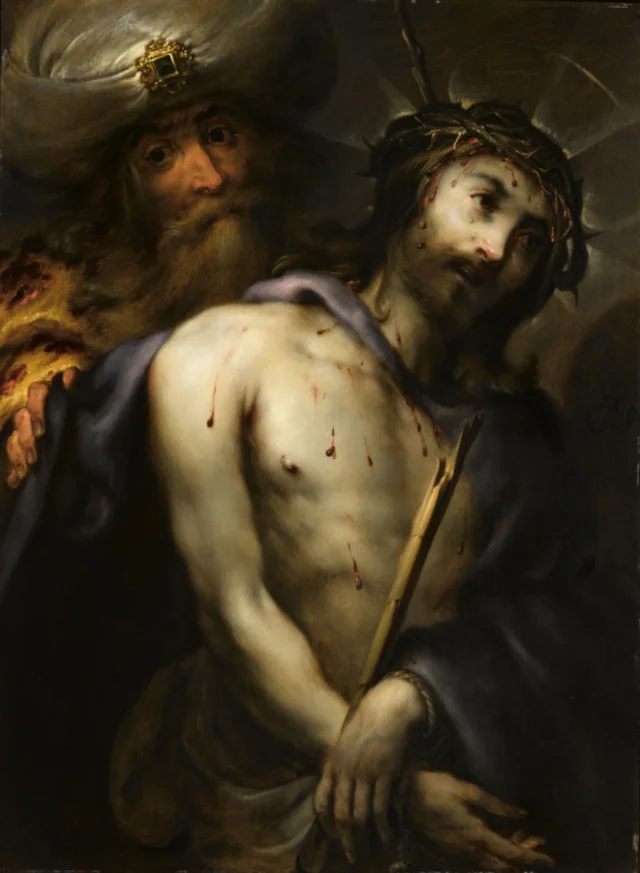 Ecce HomoJan Cossiers, 1620
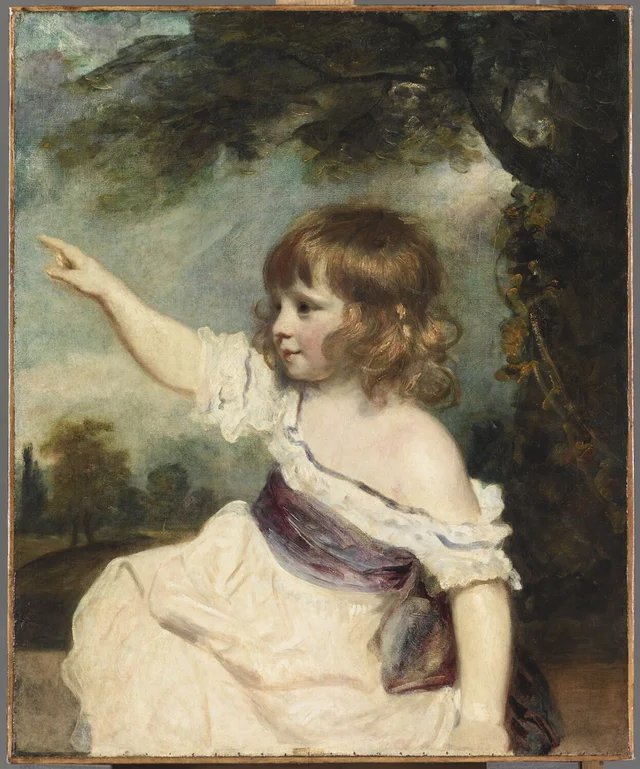 Francis George Hare, genannt Master Hare, als KindJoshua Reynolds, 1788
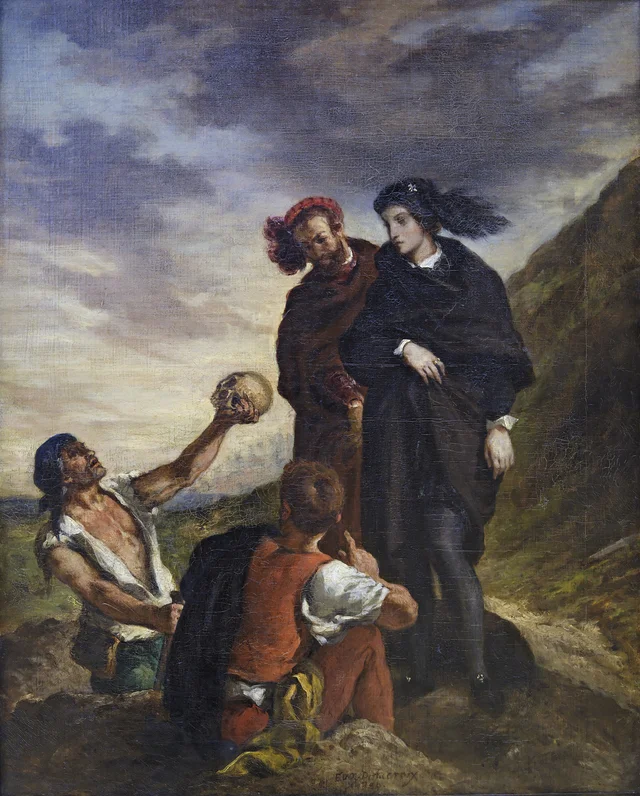 Hamlet und Horatio auf dem FriedhofEugène Delacroix, 1839
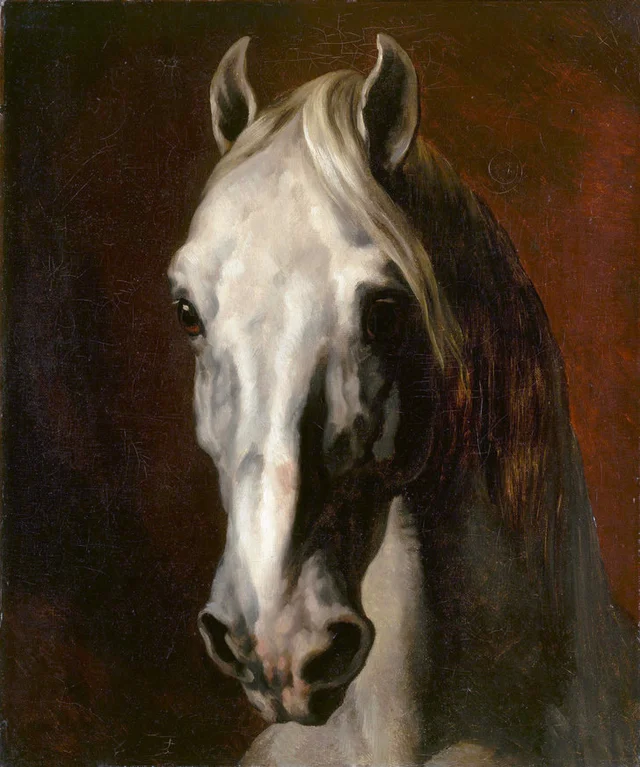 Kopf eines weißen PferdesThéodore Géricault, 1811
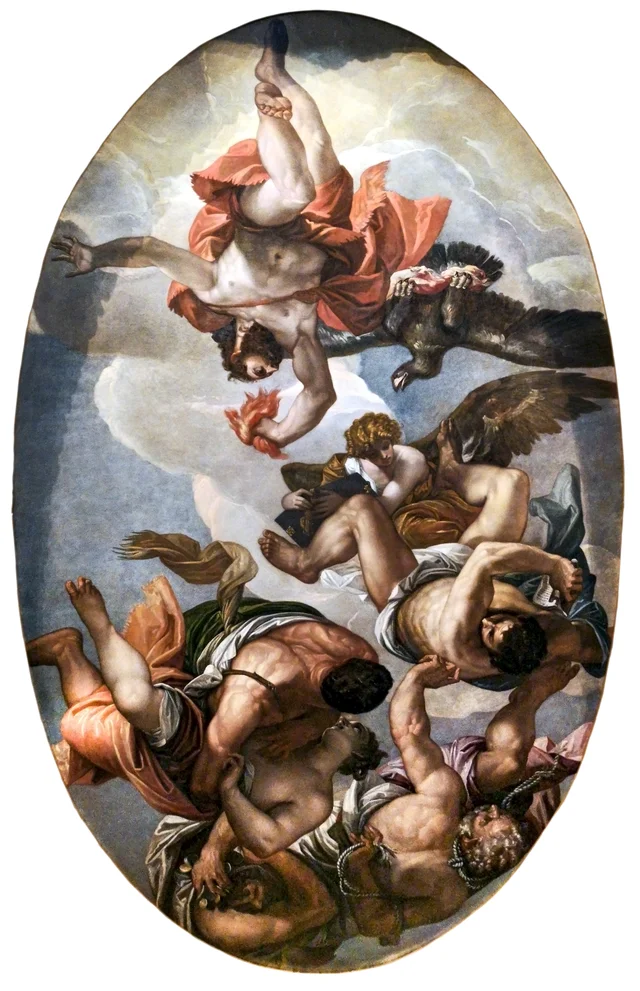 Jupiter schleudert Blitze gegen die LasterPaolo Veronese, 1553
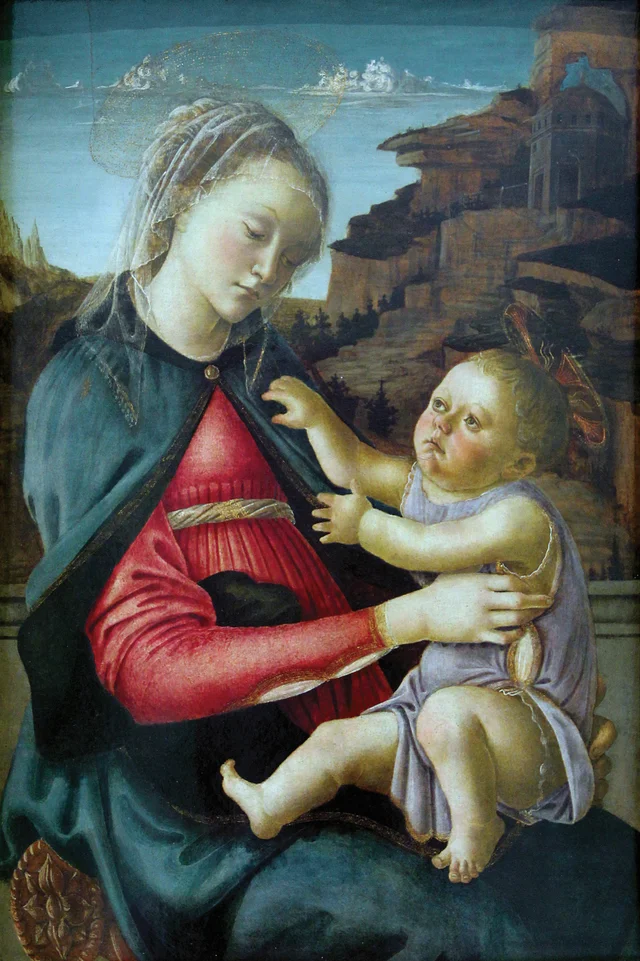 Maria mit KindSandro Botticelli, 1465
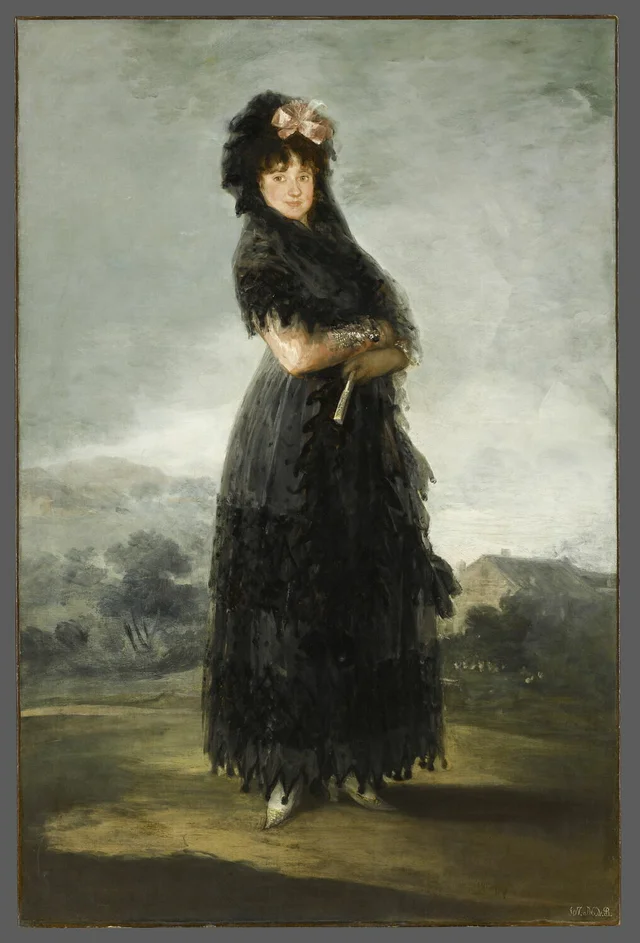 Mariana Waldstein, neunte Marquesa de Santa CruzFrancisco Goya, 1797