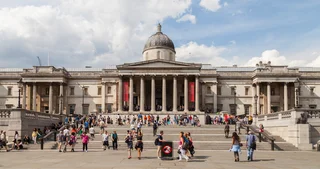
Die Geschichte
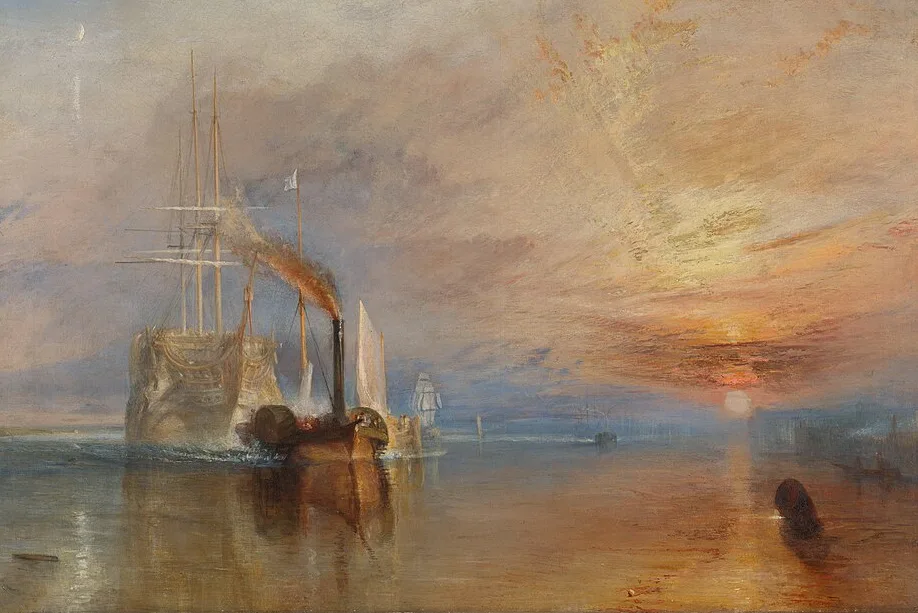
Nach Kriegsausbruch, mit einer für 1940 erwarteten Invasion, wurden die Bilder der National Gallery aus London fortgeschafft. Im Sommer 1941 waren sie in einem Schieferbergwerk in den Bergen von Nordwales verborgen. Jemand hatte vorgeschlagen, sie nach Kanada zu verschiffen, und Churchill antwortete: Versteckt sie in Höhlen und Kellern, aber kein einziges Bild soll diese Insel verlassen. Tief im Steinbruch von Manod, in Backsteinkammern, die Feuchtigkeit und Temperatur stabil halten sollten, überstanden van Eycks Arnolfini-Hochzeit und Turners Die kämpfende Téméraire den Blitz, während die Pianistin Myra Hess in den leergeräumten Sälen im fernen London Mittagskonzerte gab.
Die Galerie hatte immer der Öffentlichkeit gehört und keinem Palast. Sie begann 1824, als das Parlament dem Bankier John Julius Angerstein 38 Gemälde abkaufte, und wurde bewusst am Trafalgar Square im Zentrum Londons angesiedelt, damit ein Schreiber oder ein Fuhrmann sie ebenso leicht erreichte wie ein Lord. Ihre ständige Sammlung ist bis heute frei zugänglich.
Während des Krieges holten die Mitarbeiter immer wieder einzelne Meisterwerke aus Wales zurück, eines nach dem anderen, um sie im leeren Haus als Bild des Monats für eine bombardierte Stadt aufzuhängen. Dieselben Räume beherbergen heute das Wilton-Diptychon, Van Goghs Sonnenblumen und Constables Der Heuwagen, offen für jeden, der die Stufen vom Platz hinaufsteigt.
Weitere Artikel
Sammlung
648 Werke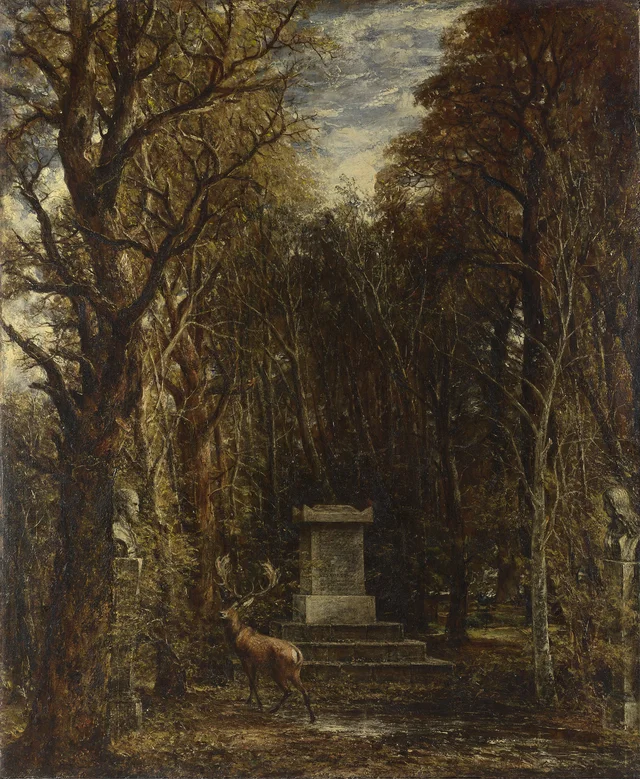 Kenotaph zum Gedenken an Sir Joshua ReynoldsJohn Constable, 1836
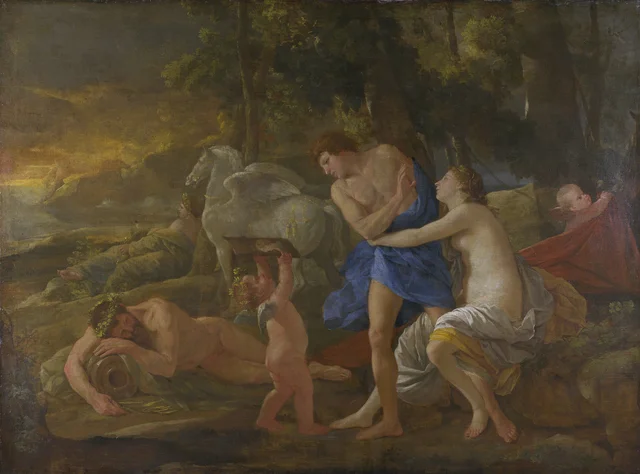 Cephalus und AuroraNicolas Poussin, 1630
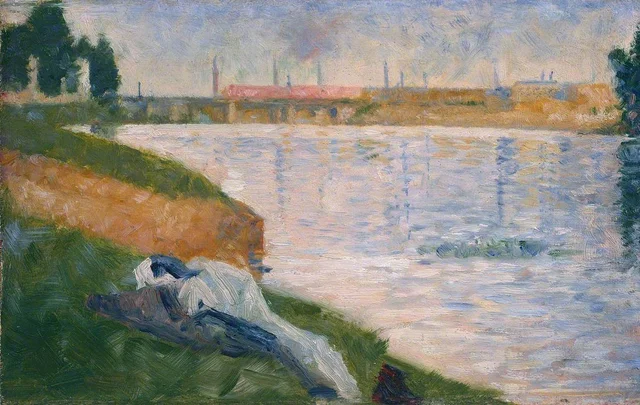 Kleider auf dem GrasGeorges Seurat, 1883
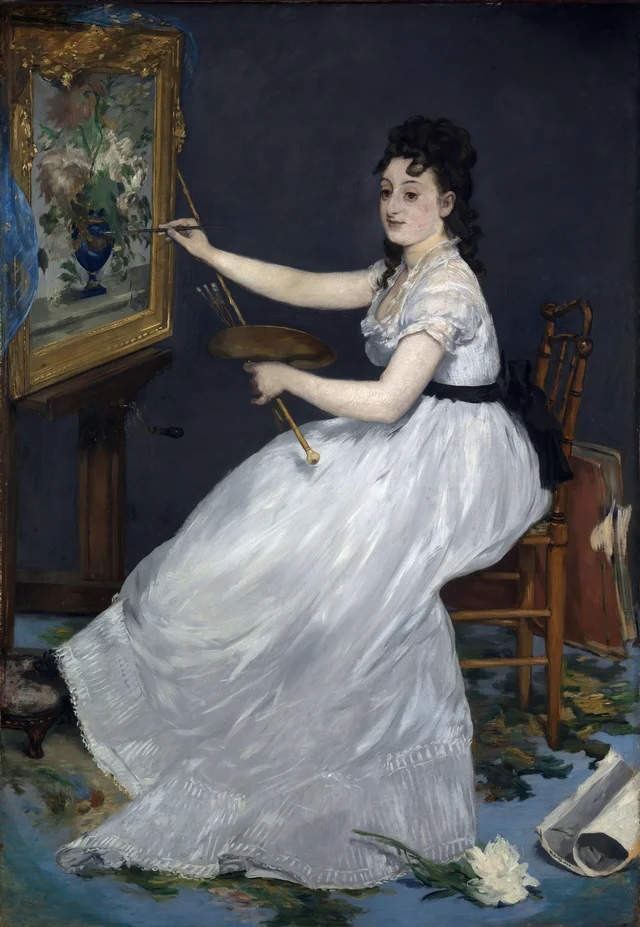 Eva GonzalèsÉdouard Manet, 1870
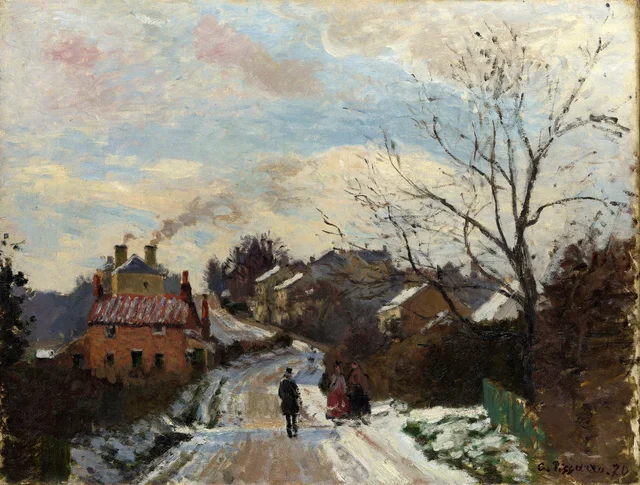 Fox Hill, Upper NorwoodCamille Pissarro, 1870
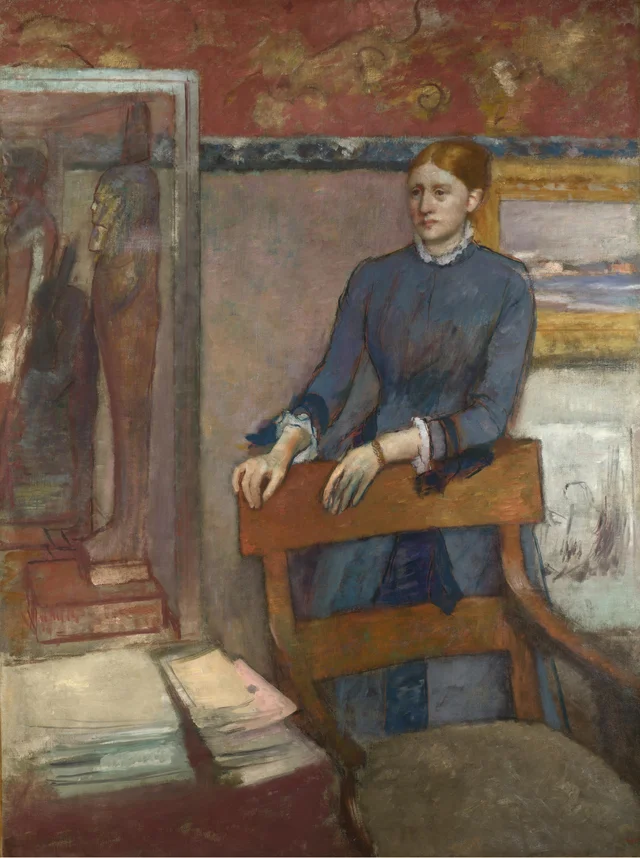 Hélène Rouart im Arbeitszimmer ihres VatersEdgar Degas, 1886
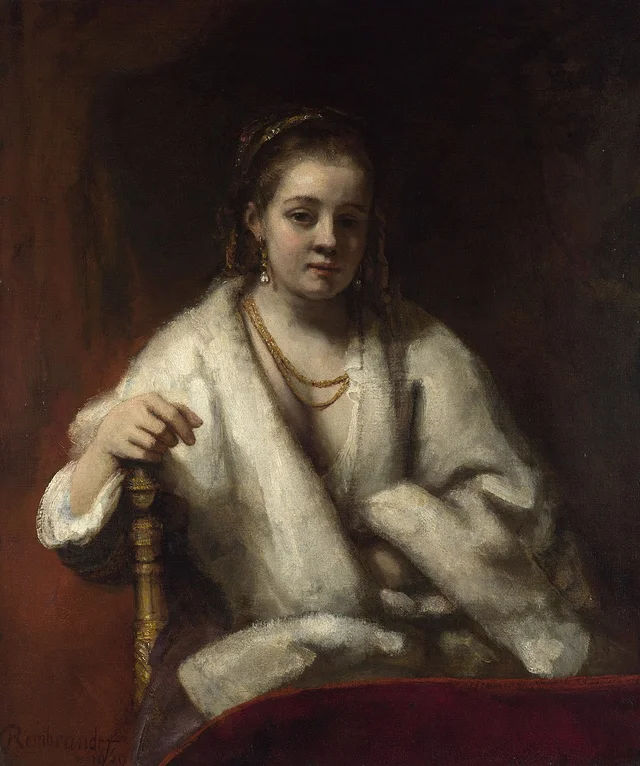 Hendrickje mit PelzumhangRembrandt, 1659
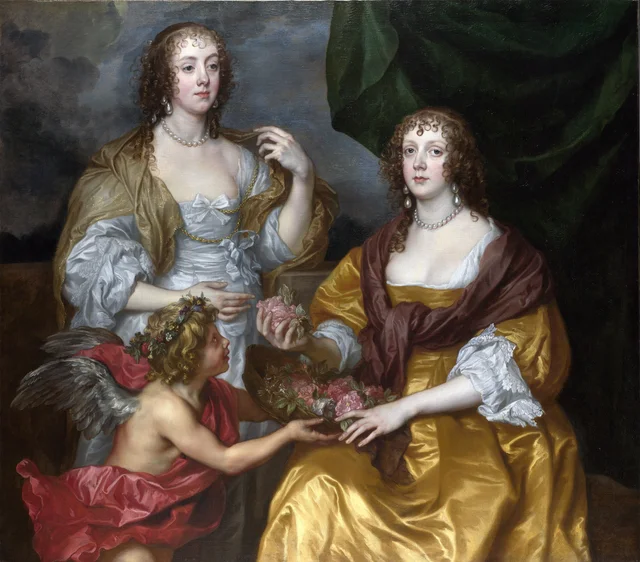 Lady Elizabeth Thimbelby und ihre SchwesterAnthonis van Dyck, 1637
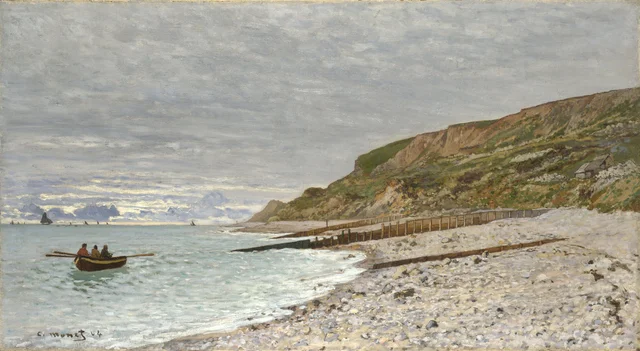 La Pointe de la Hève, Sainte-AdresseClaude Monet, 1864
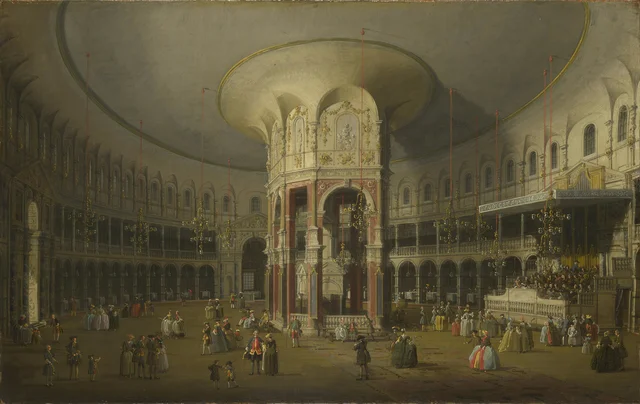 London: Inneres der Rotunde in RanelaghCanaletto, 1754
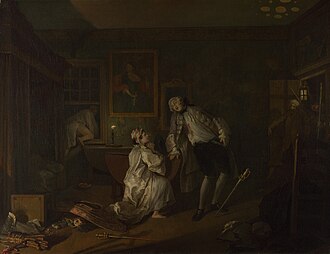 Marriage A-la-Mode: 5. Das BagnioWilliam Hogarth, 1743
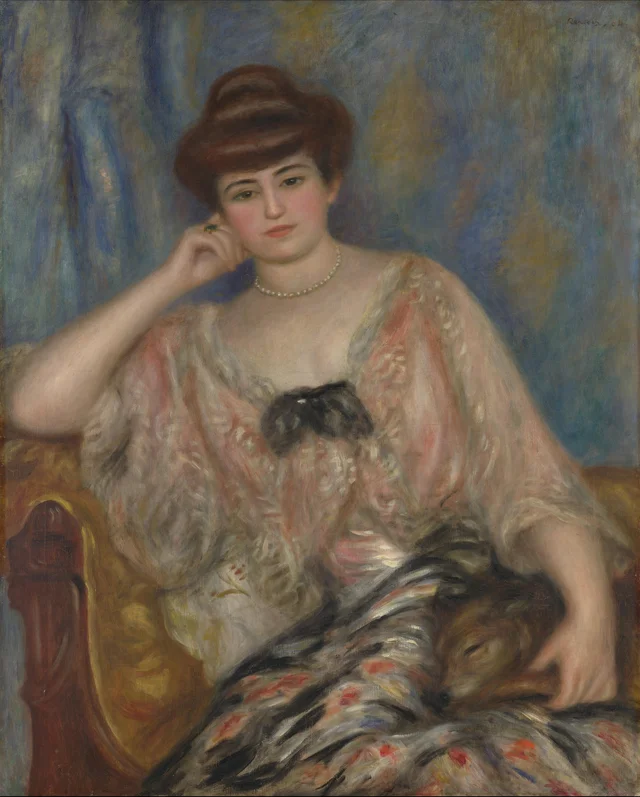 Misia SertPierre-Auguste Renoir, 1904
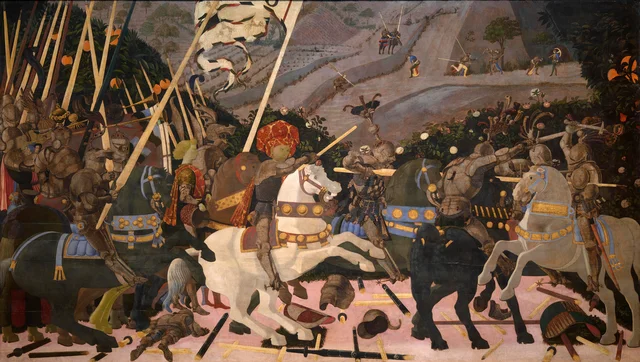 Niccolò Mauruzi da Tolentino in der Schlacht von San RomanoPaolo Uccello, 1439
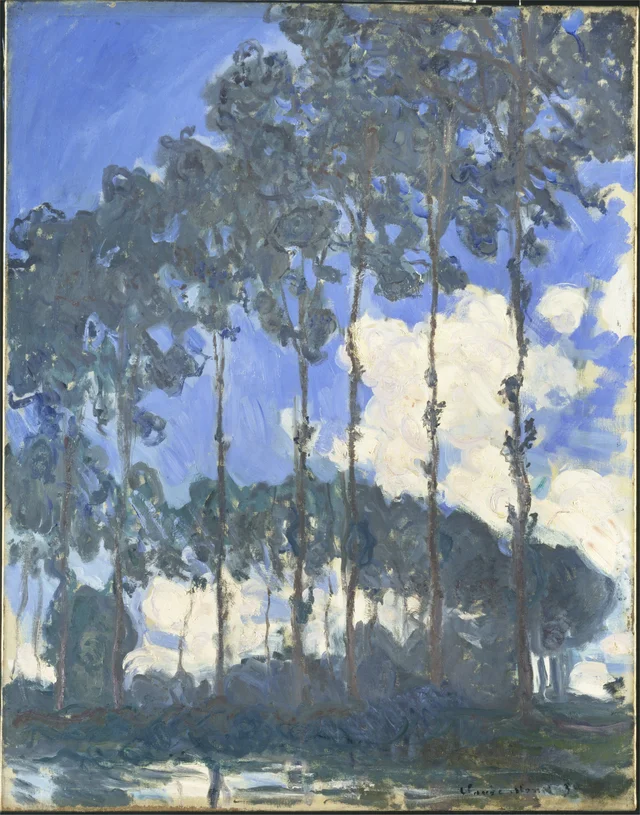 Pappeln am Ufer der EpteClaude Monet, 1891
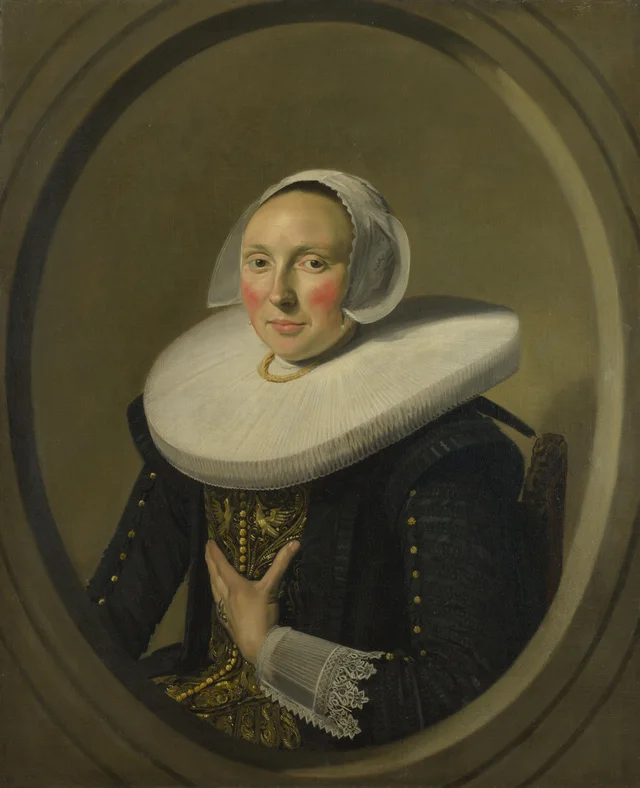 Bildnis einer Frau, möglicherweise Maria LarpFrans Hals, 1634
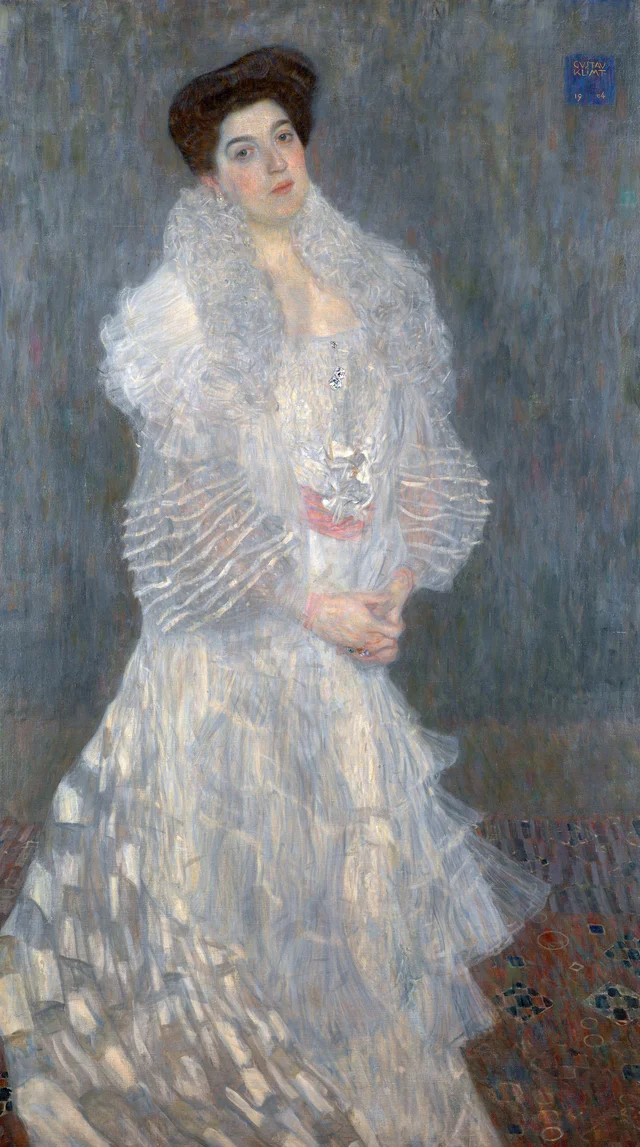 Bildnis Hermine GalliaGustav Klimt, 1904
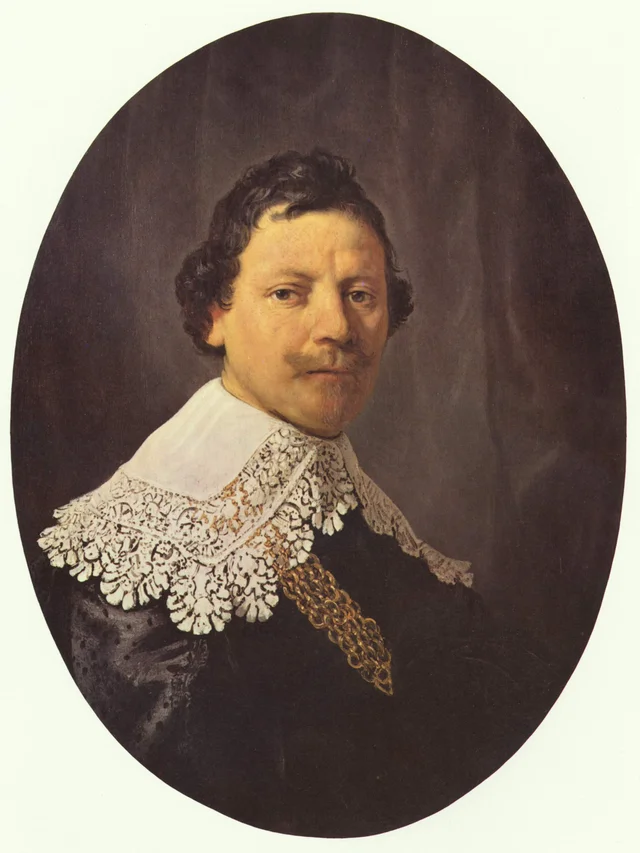 Bildnis des Philips Lucasz.Rembrandt, 1635
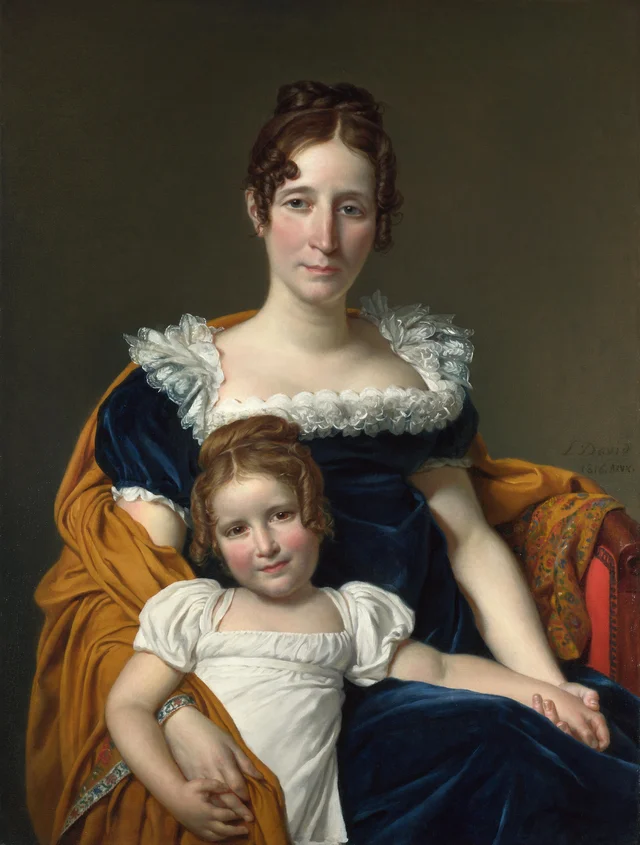 Porträt der Gräfin Vilain XIIII und ihrer Tochter LouiseJacques-Louis David, 1816
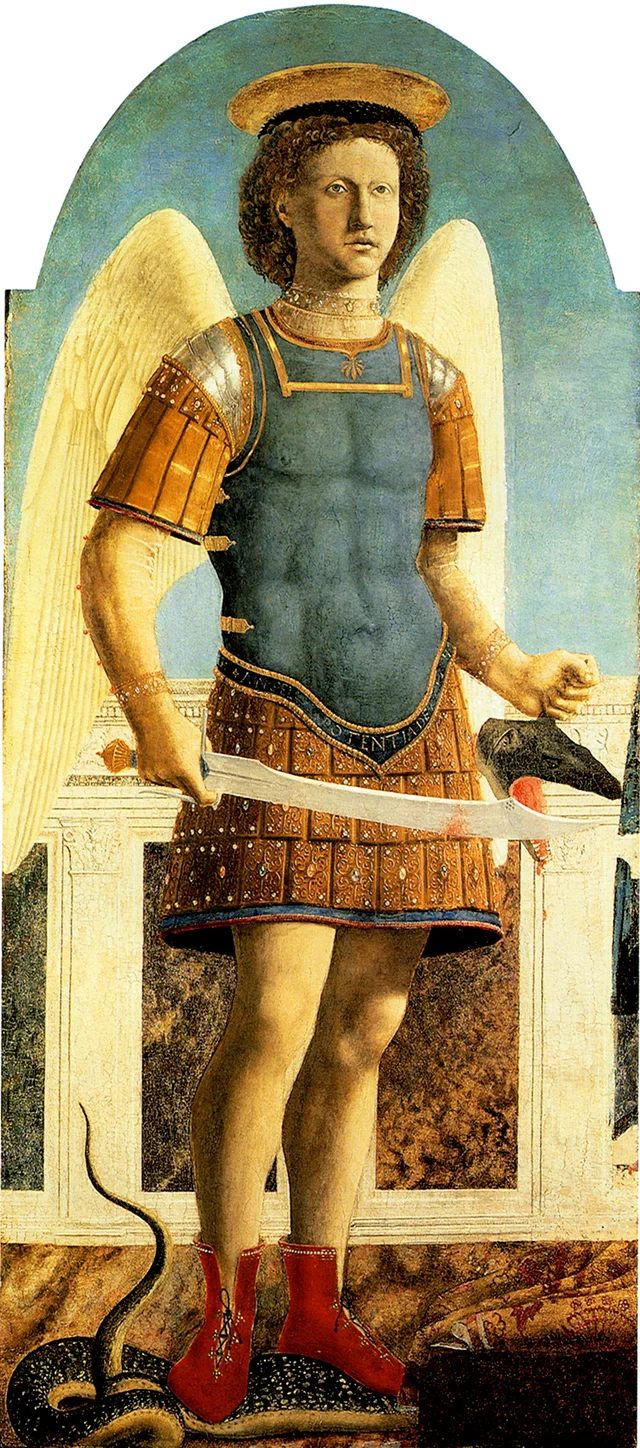 Der heilige MichaelPiero della Francesca, 1454
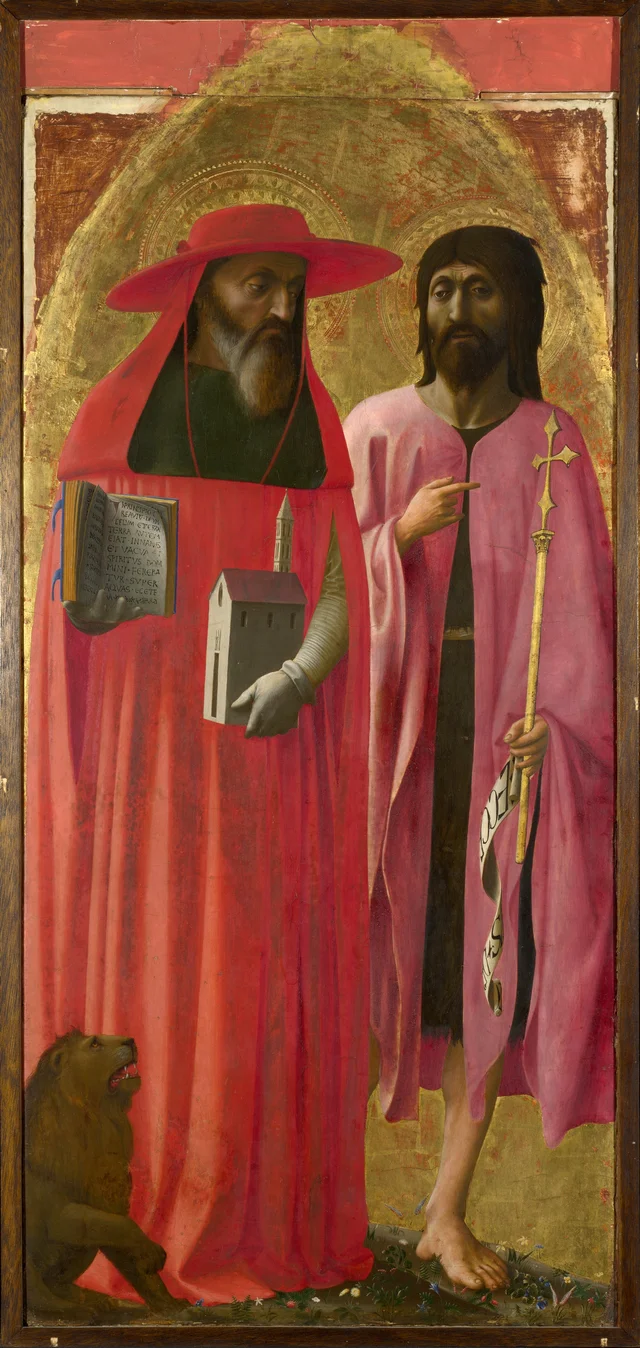 Der heilige Hieronymus und der heilige Johannes der TäuferMasaccio, 1428
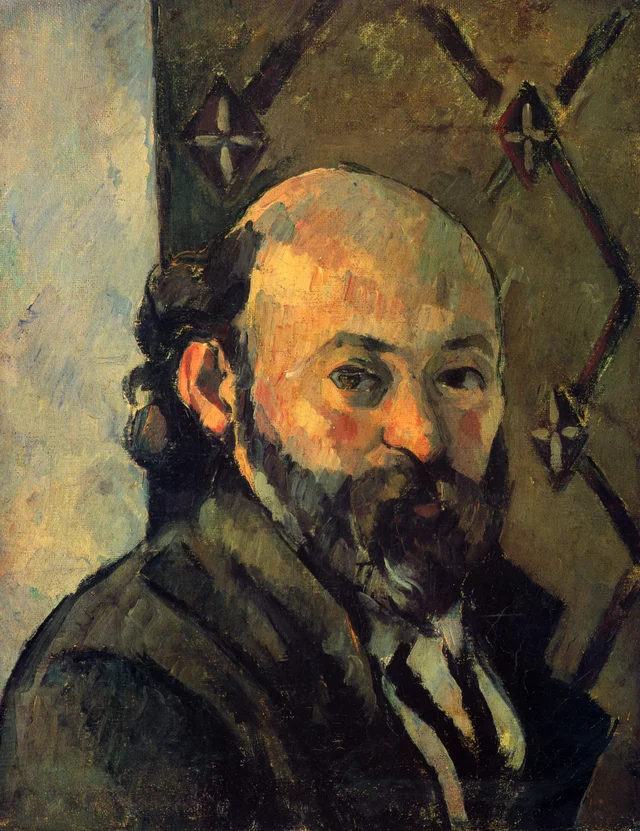 SelbstbildnisPaul Cézanne, 1880
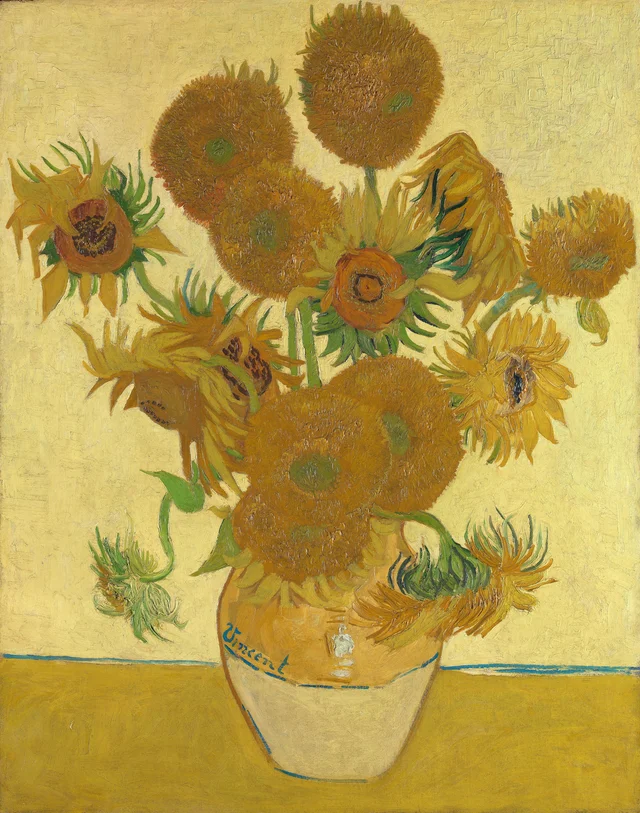 SonnenblumenVincent van Gogh, 1888
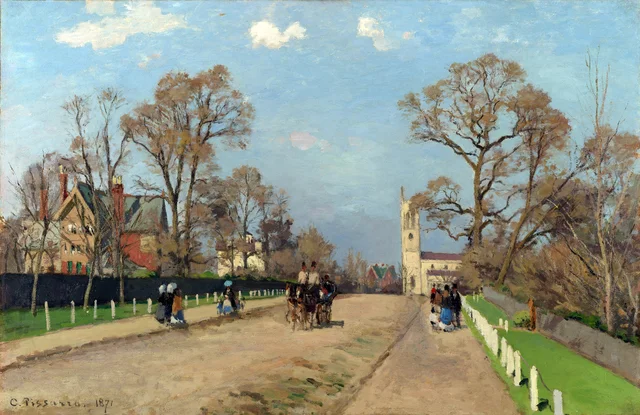 Die Allee, SydenhamCamille Pissarro, 1871
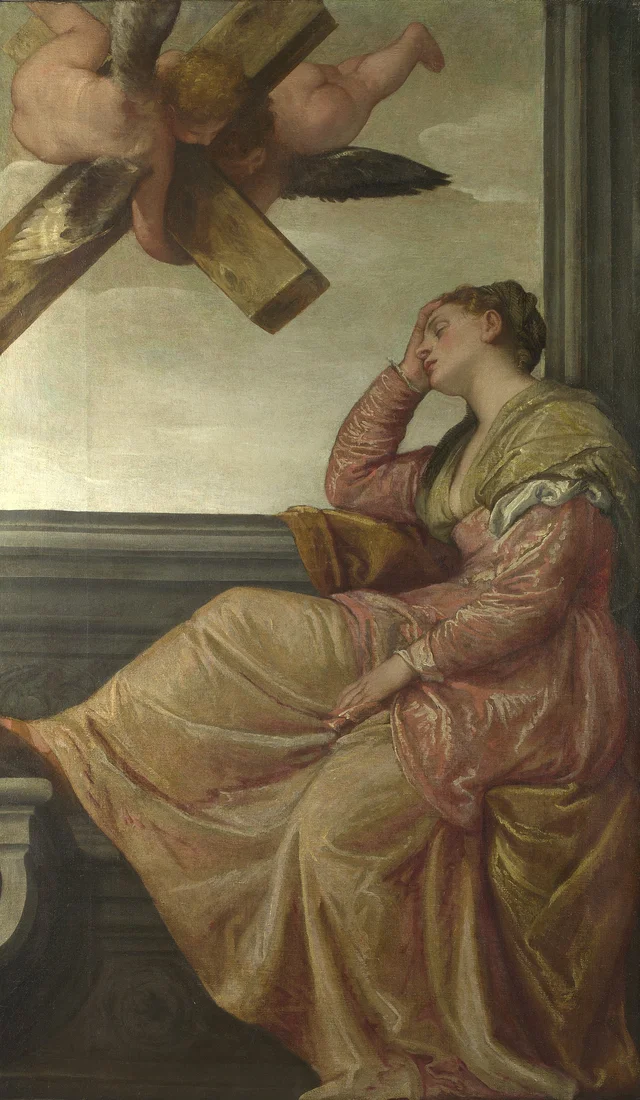 Der Traum der heiligen HelenaPaolo Veronese, 1570
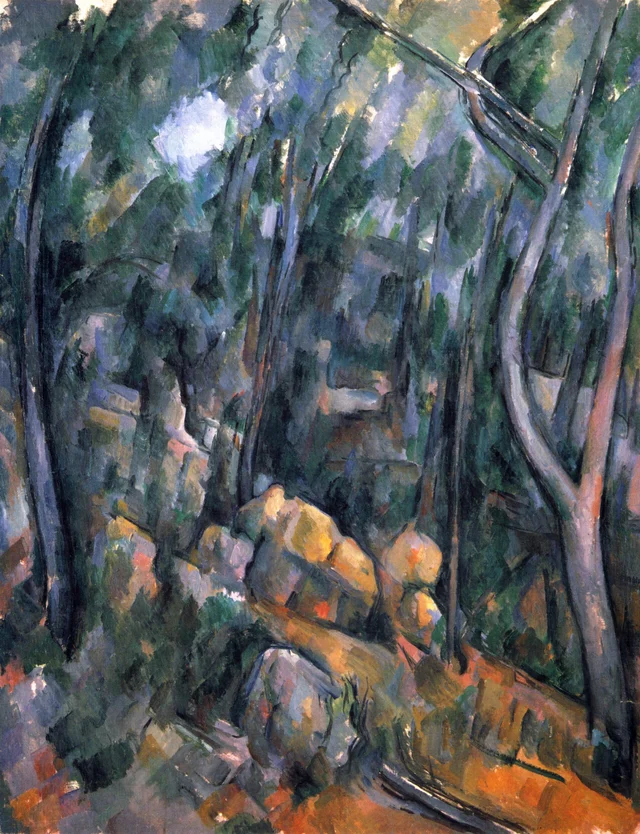 Das Gelände des Château NoirPaul Cézanne, 1902