Die Geschichte
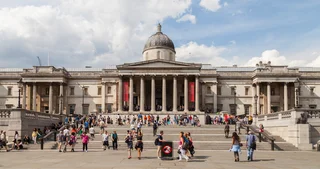
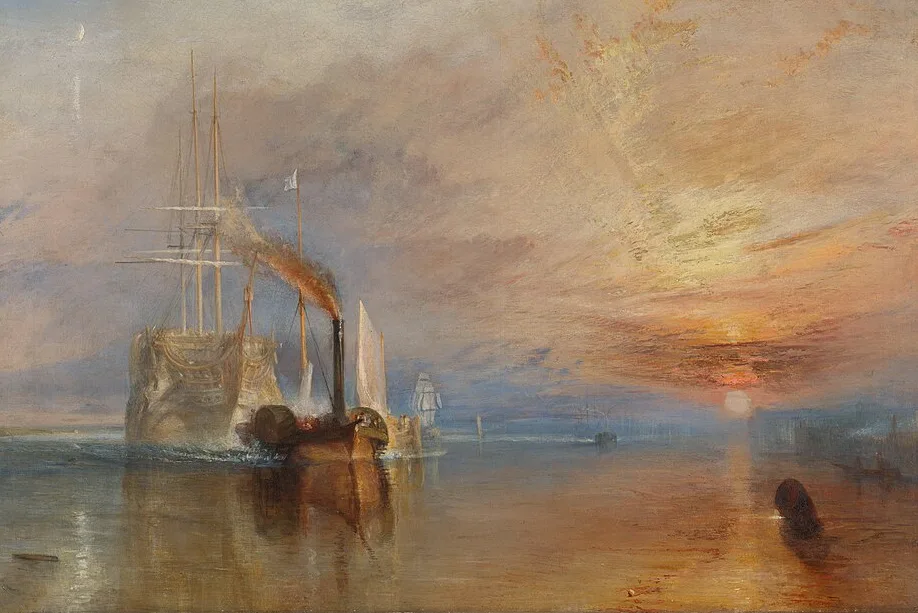
Nach Kriegsausbruch, mit einer für 1940 erwarteten Invasion, wurden die Bilder der National Gallery aus London fortgeschafft. Im Sommer 1941 waren sie in einem Schieferbergwerk in den Bergen von Nordwales verborgen. Jemand hatte vorgeschlagen, sie nach Kanada zu verschiffen, und Churchill antwortete: Versteckt sie in Höhlen und Kellern, aber kein einziges Bild soll diese Insel verlassen. Tief im Steinbruch von Manod, in Backsteinkammern, die Feuchtigkeit und Temperatur stabil halten sollten, überstanden van Eycks Arnolfini-Hochzeit und Turners Die kämpfende Téméraire den Blitz, während die Pianistin Myra Hess in den leergeräumten Sälen im fernen London Mittagskonzerte gab.
Die Galerie hatte immer der Öffentlichkeit gehört und keinem Palast. Sie begann 1824, als das Parlament dem Bankier John Julius Angerstein 38 Gemälde abkaufte, und wurde bewusst am Trafalgar Square im Zentrum Londons angesiedelt, damit ein Schreiber oder ein Fuhrmann sie ebenso leicht erreichte wie ein Lord. Ihre ständige Sammlung ist bis heute frei zugänglich.
Während des Krieges holten die Mitarbeiter immer wieder einzelne Meisterwerke aus Wales zurück, eines nach dem anderen, um sie im leeren Haus als Bild des Monats für eine bombardierte Stadt aufzuhängen. Dieselben Räume beherbergen heute das Wilton-Diptychon, Van Goghs Sonnenblumen und Constables Der Heuwagen, offen für jeden, der die Stufen vom Platz hinaufsteigt.
Weitere Artikel
Sammlung
648 Werke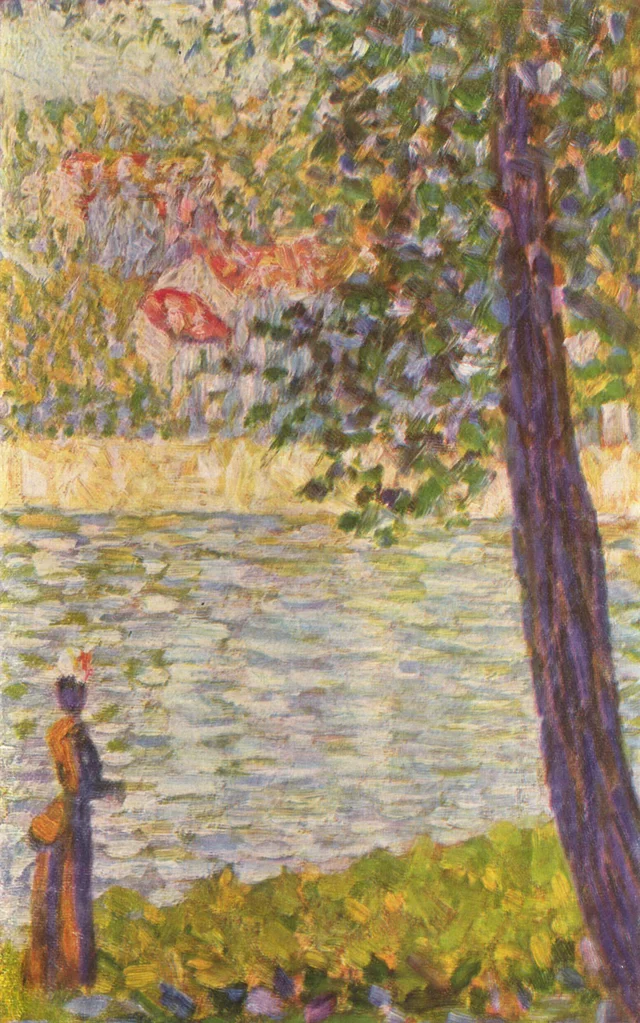 Der MorgenspaziergangGeorges Seurat, 1884
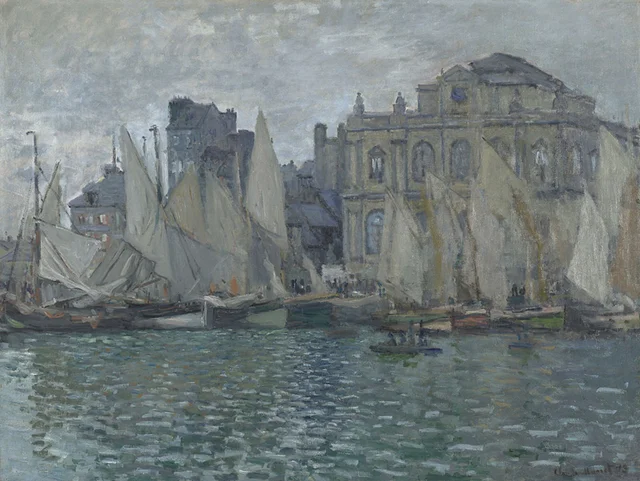 Das Museum von Le HavreClaude Monet, 1873
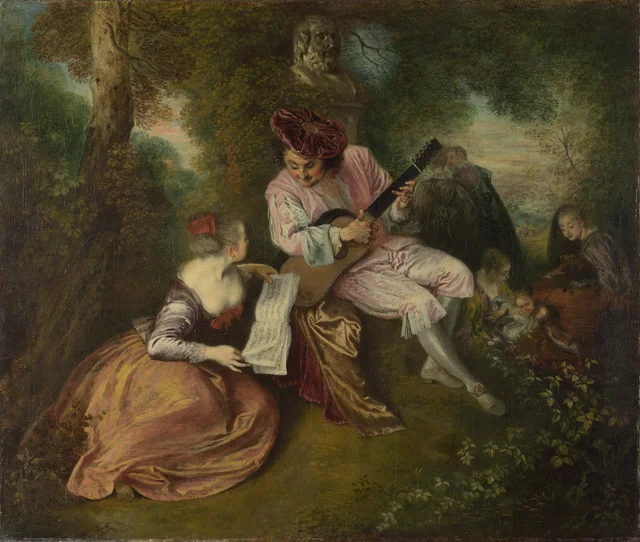 Die LiebesskalaJean-Antoine Watteau, 1717
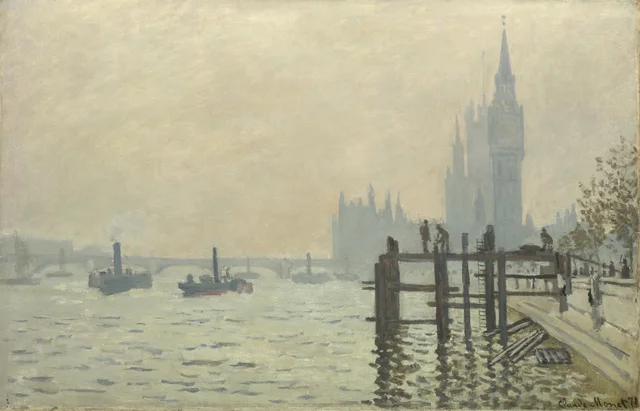 Die Themse unterhalb von WestminsterClaude Monet, 1871
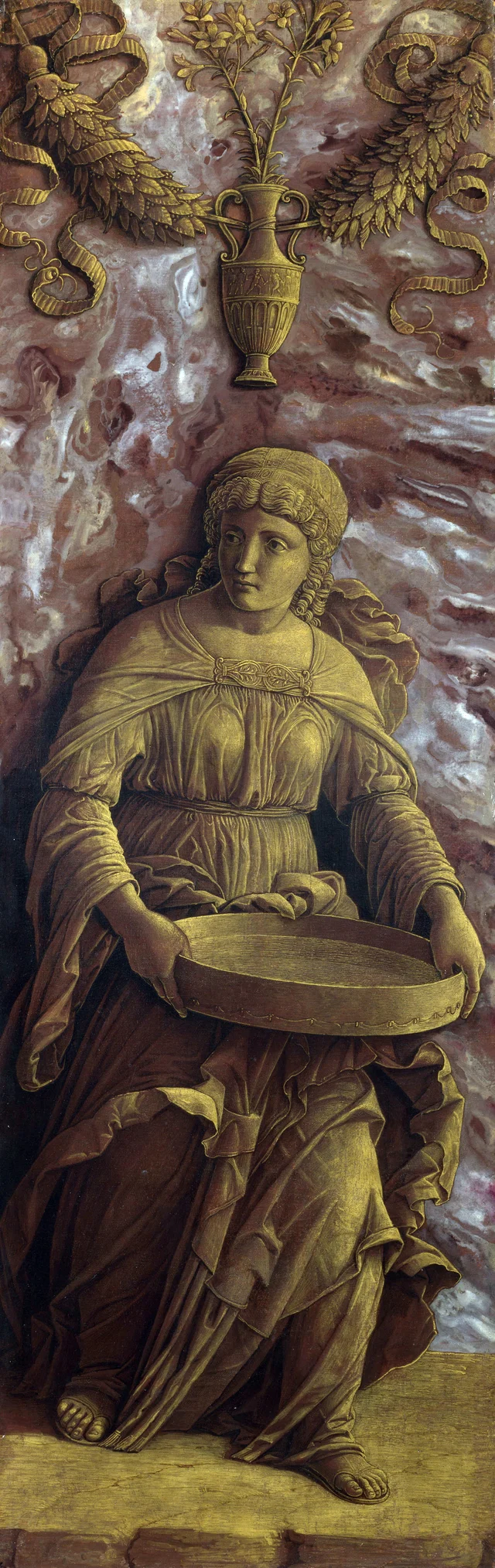 Die Vestalin Tuccia mit dem SiebAndrea Mantegna, 1495
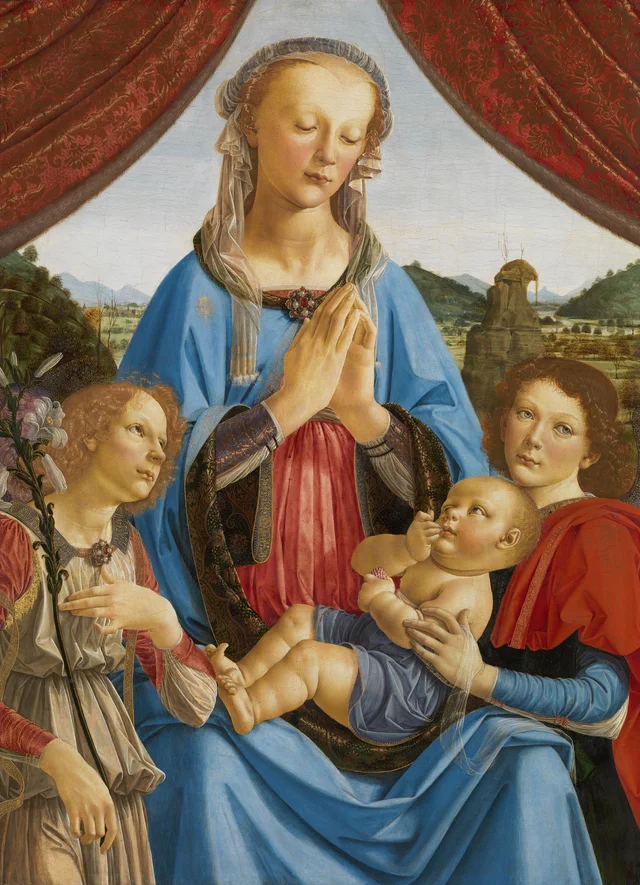 Die Jungfrau und das Kind mit zwei EngelnAndrea del Verrocchio, 1476
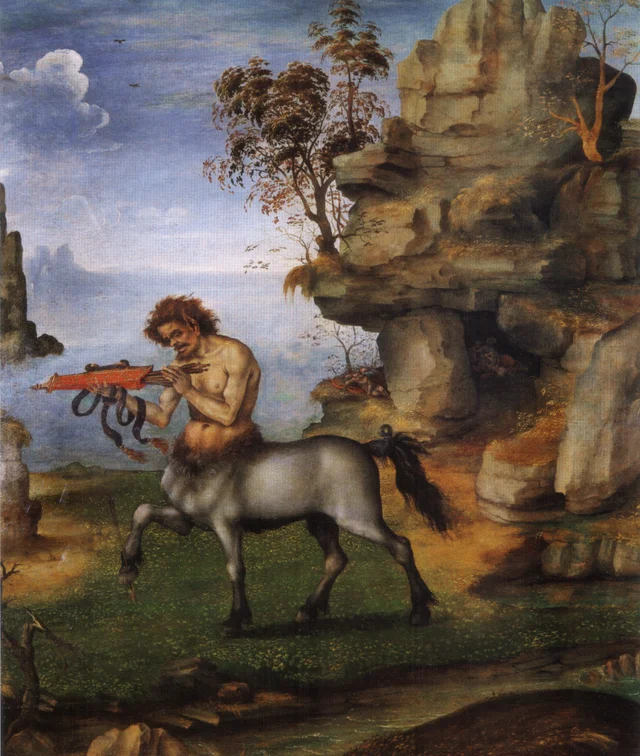 Der verwundete Kentaur (verso: die Geburt der Venus?)Filippino Lippi, 1495
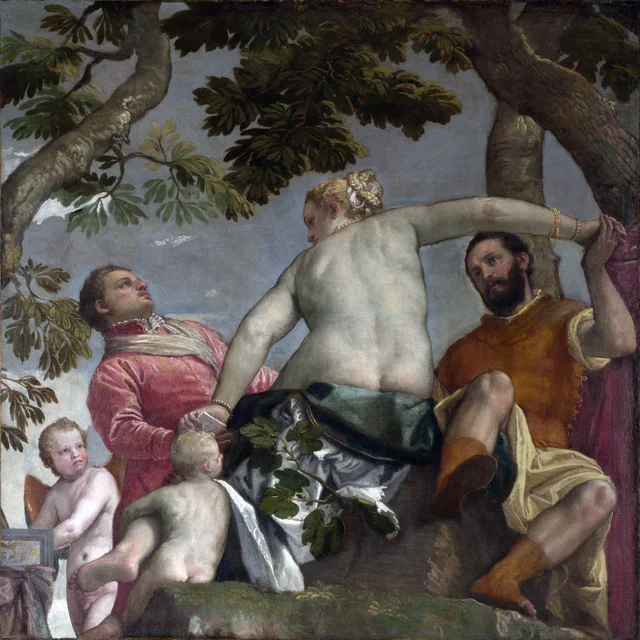 UntreuePaolo Veronese, 1575
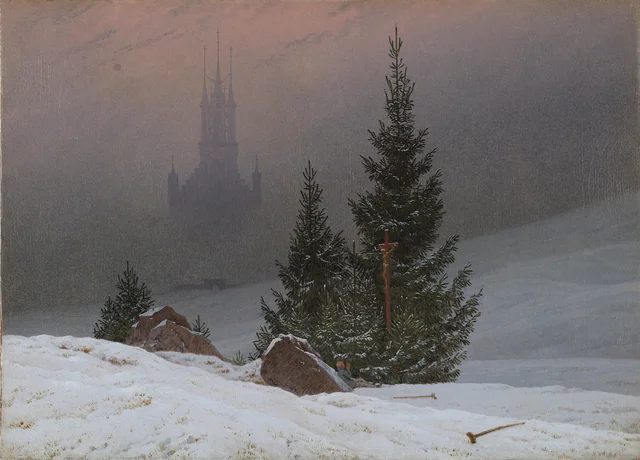 WinterlandschaftCaspar David Friedrich, 1811
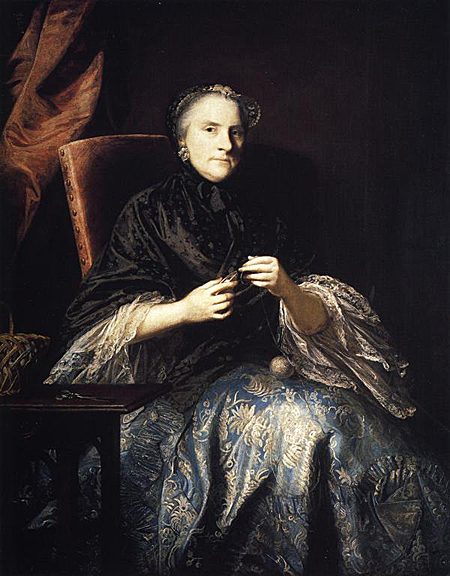 Anne, 2. Gräfin von AlbemarleJoshua Reynolds, 1760
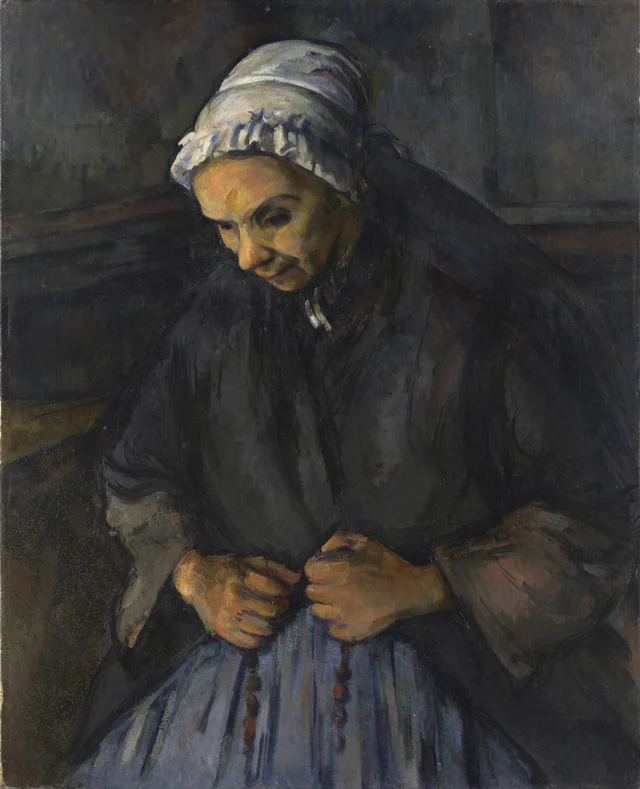 Alte Frau mit RosenkranzPaul Cézanne, 1895
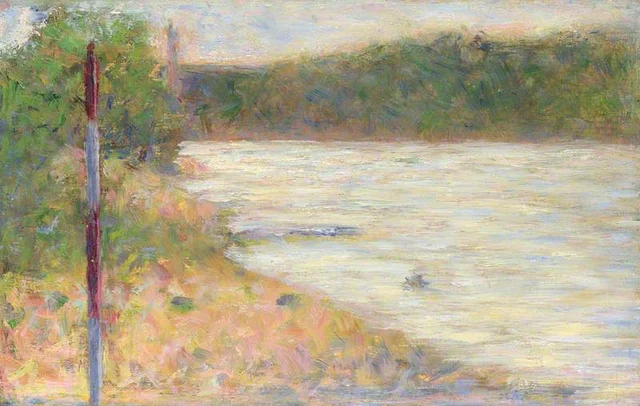 Ein Flussufer (die Seine bei Asnières)Georges Seurat, 1883
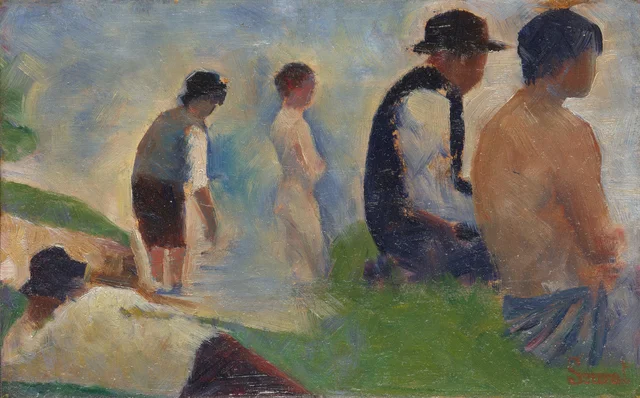 Badende in Asnières (Studie II)Georges Seurat, 1883
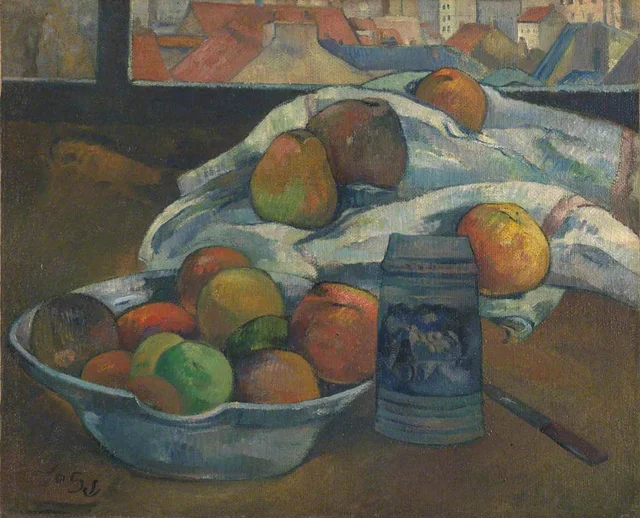 Obstschale und Krug vor einem FensterPaul Gauguin, 1890
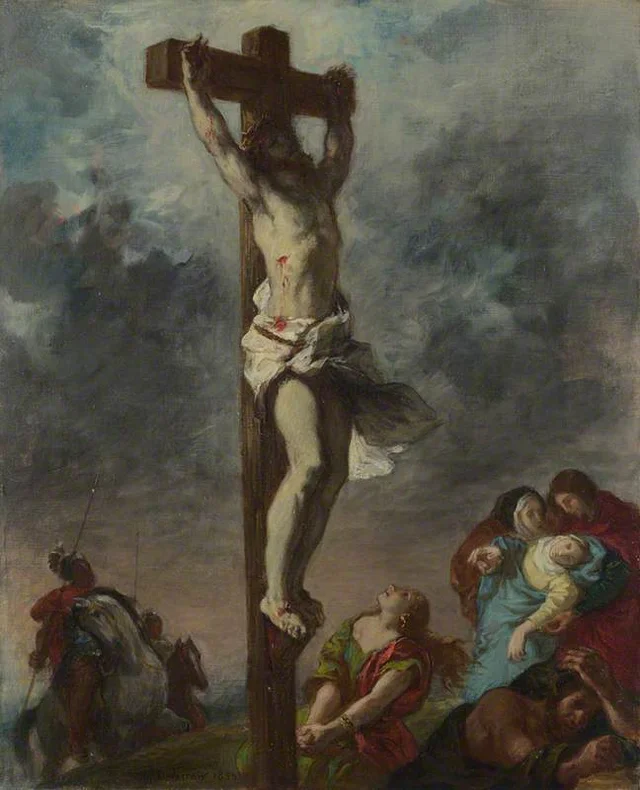 Christus am KreuzEugène Delacroix, 1853
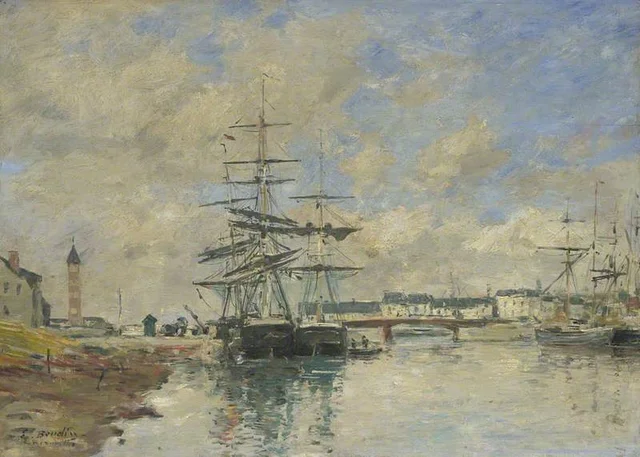 Der Hafen von DeauvilleEugène Louis Boudin, 1889
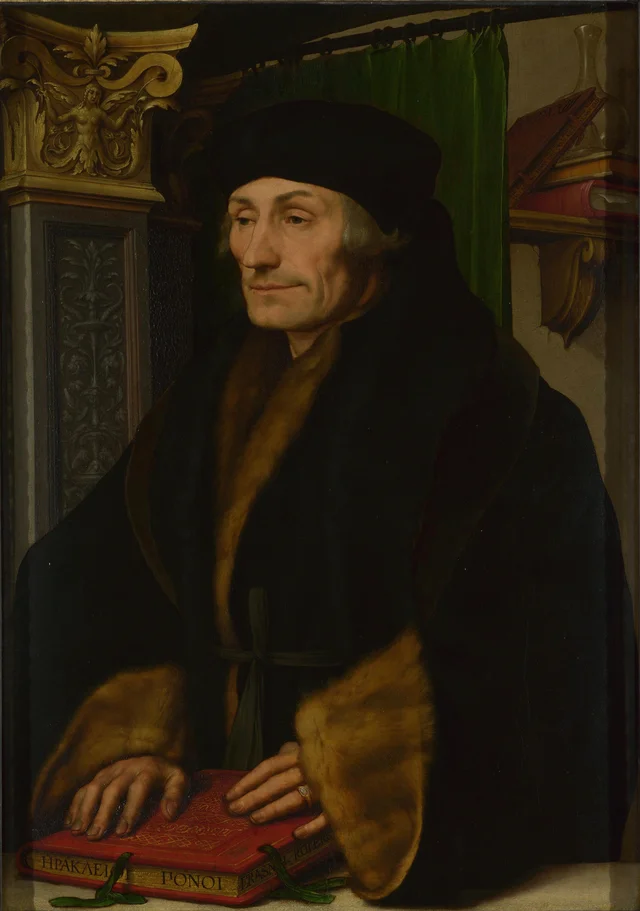 ErasmusHans Holbein der Jüngere, 1523
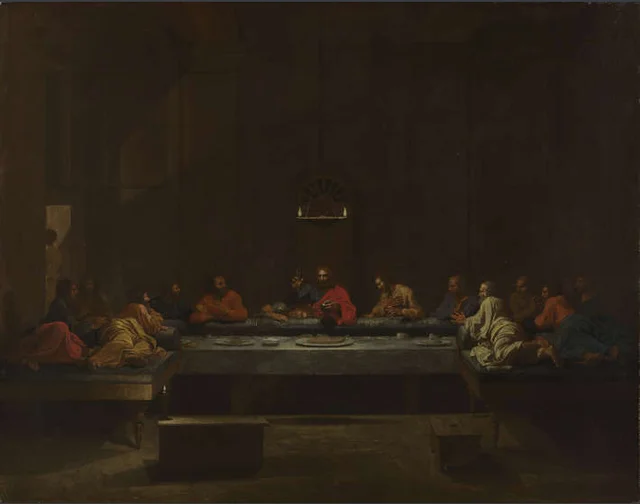 Die EucharistieNicolas Poussin, 1638
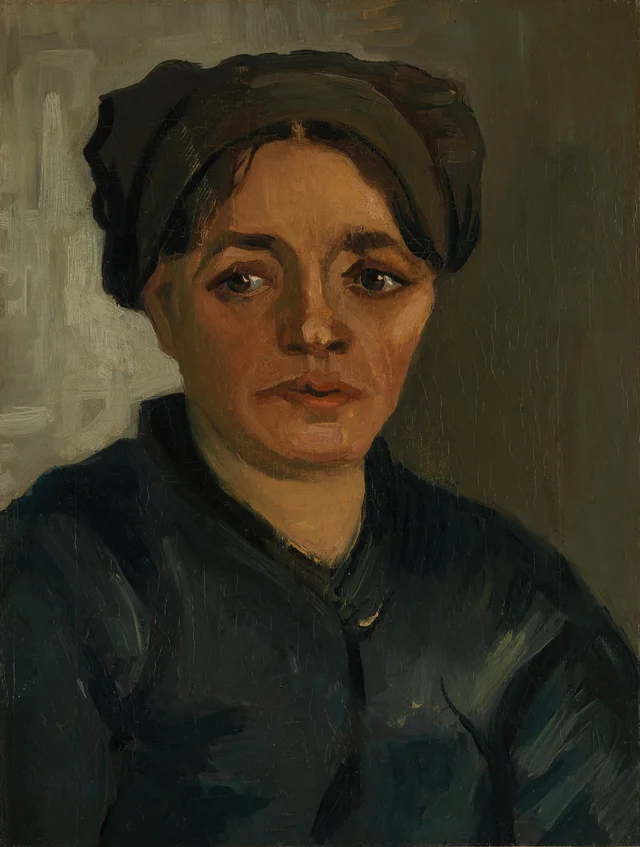 Kopf einer BäuerinVincent van Gogh, 1885
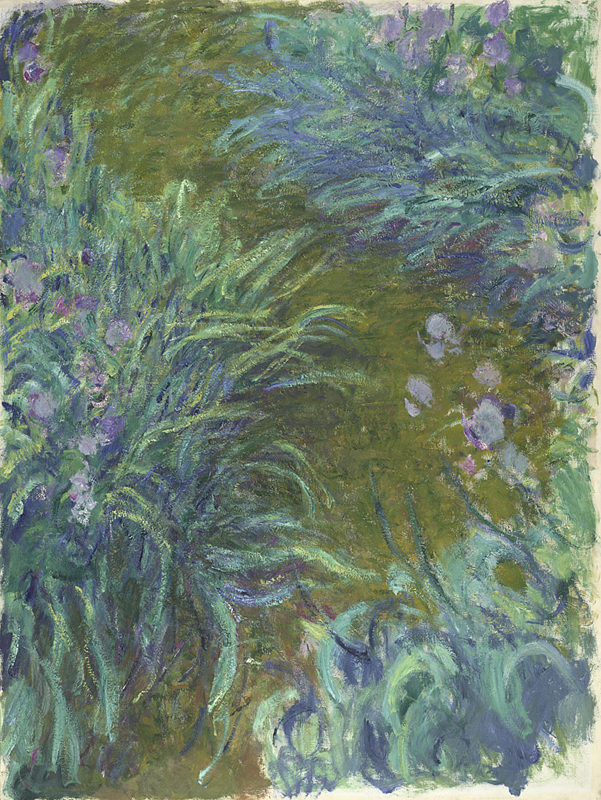 SchwertlilienClaude Monet, 1915
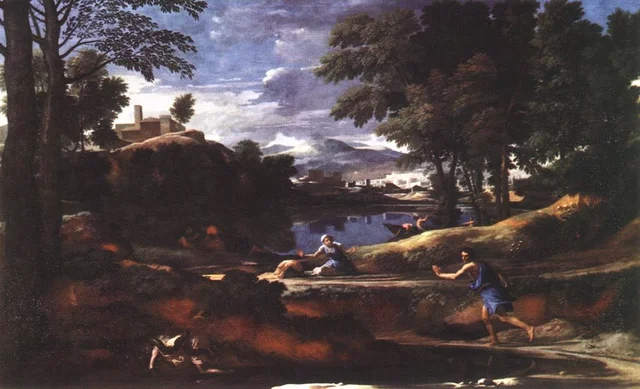 Landschaft mit einem von einer Schlange getöteten MannNicolas Poussin, 1648
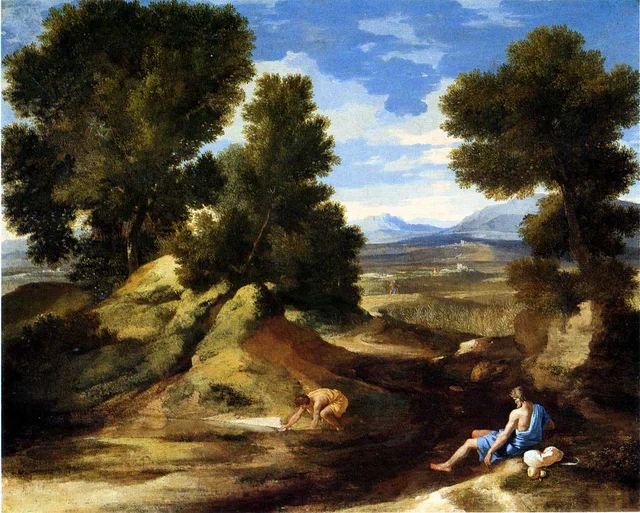 Landschaft mit einem Mann, der Wasser aus einem Bach schöpftNicolas Poussin, 1637
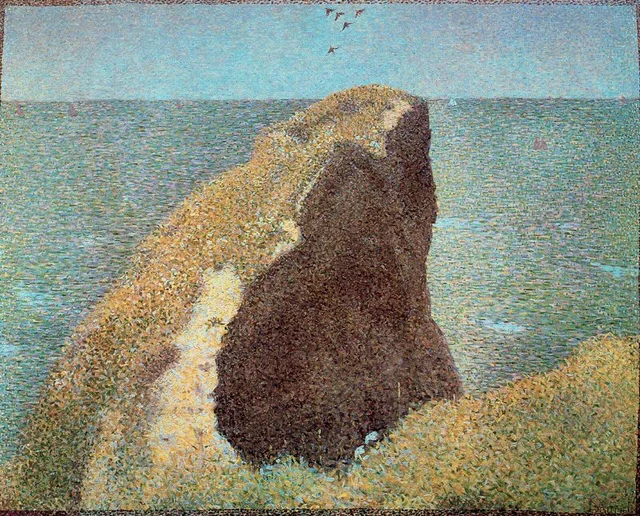 Le Bec du Hoc, GrandcampGeorges Seurat, 1885
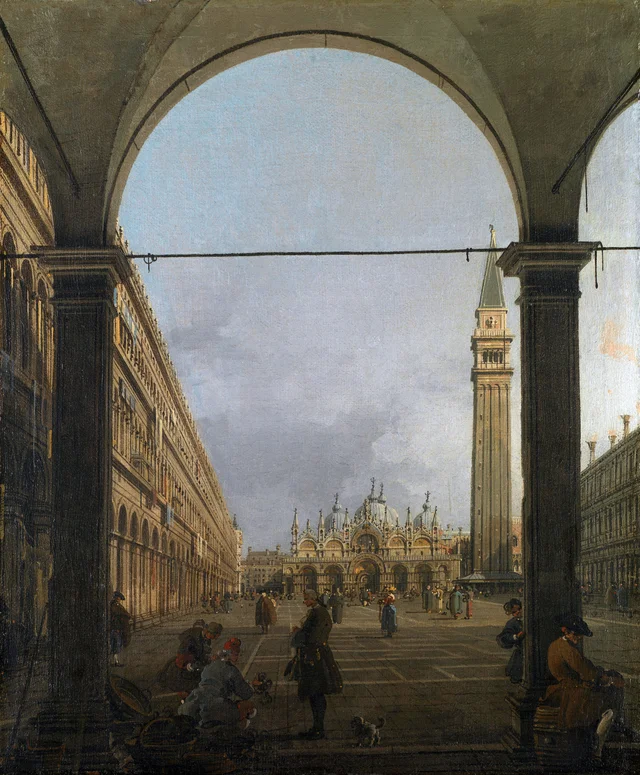 Der Markusplatz, Blick nach Osten von der NordwesteckeCanaletto, 1758
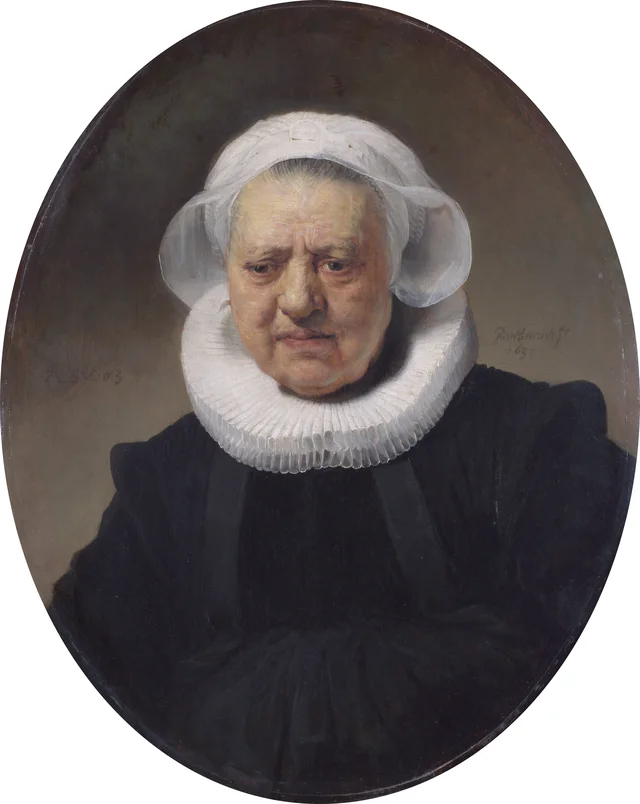 Bildnis der Aechje Claesdr.Rembrandt, 1634