Die Geschichte
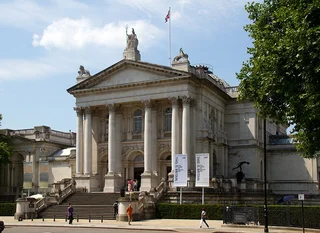
Tate sind eigentlich vier Museen, und das meistbesuchte erzeugte einst Strom. Tate Modern belegt das alte Kraftwerk Bankside am Südufer der Themse in London, einen Backsteinkoloss mit einem einzigen hohen Schornstein, entworfen von Giles Gilbert Scott, dem Mann hinter der roten Telefonzelle. Nach der Stilllegung blieb die Turbinenhalle, die einst die Generatoren fasste, als riesiger leerer Raum von fünf Stockwerken Höhe, und seit 2000 dient sie enormen Auftragswerken, einem Riss über die ganze Länge des Bodens, einer riesigen Innensonne aus Dunst und Licht.
Angefangen hat die Einrichtung mit Zucker. Henry Tate machte sein Vermögen mit dem Zuckerwürfel, und 1897 finanzierte er den Bau einer Galerie für britische Kunst in Millbank, flussaufwärts, auf dem Gelände eines abgerissenen Gefängnisses. Dieses Gebäude ist heute Tate Britain und beherbergt das Turner-Vermächtnis, die Tausenden Öl- und Aquarellbilder, die J. M. W. Turner der Nation bei seinem Tod 1851 hinterließ.
Zwischen ihnen teilen die beiden Londoner Häuser die Sammlung nach Epochen, wobei Tate Britain die britische Kunst bis ins 16. Jahrhundert zurückführt und Tate Modern die internationale Moderne und Gegenwart übernimmt. Zwei weitere Galerien tragen den Namen außerhalb der Hauptstadt, Tate Liverpool und Tate St Ives an der Küste Cornwalls, letztere über einem Strand erbaut, an dem einige der gezeigten Maler einst arbeiteten.
Sammlung
118 Werke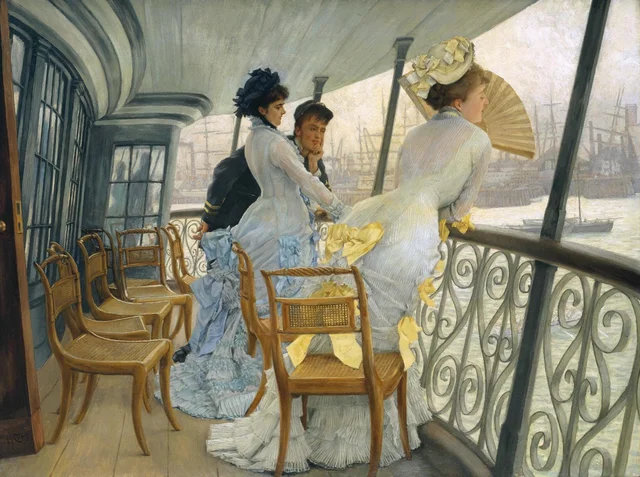 Die Galerie der HMS Calcutta (Portsmouth)James Tissot, 1876
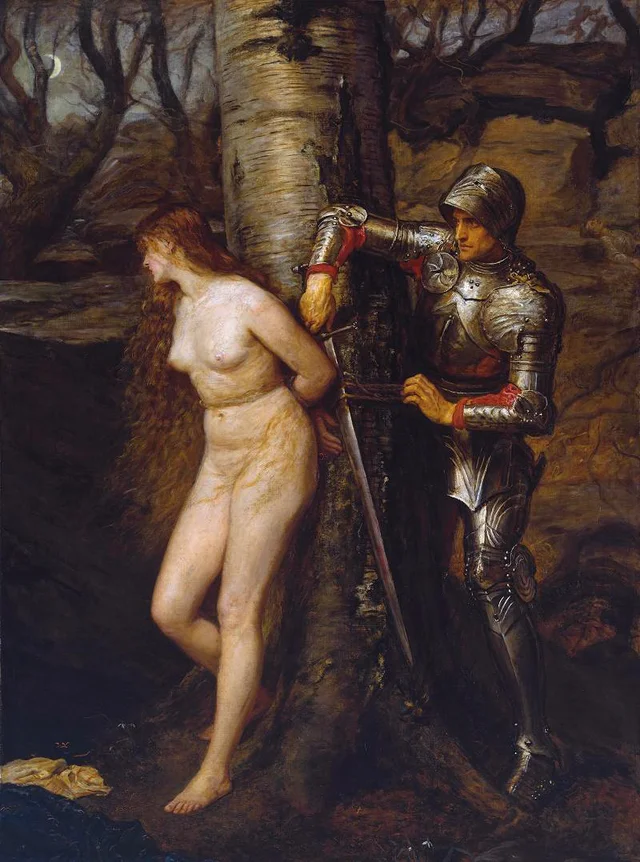 Der irrende RitterJohn Everett Millais, 1870
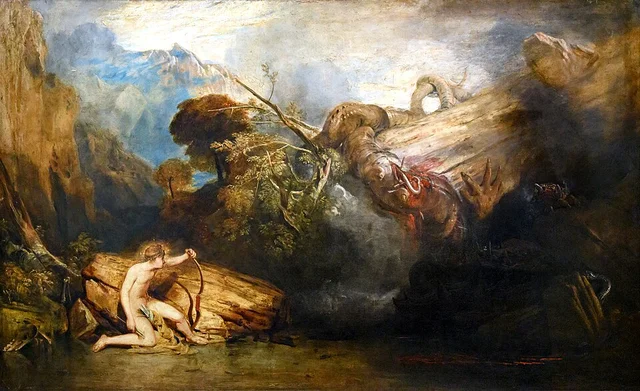 Apollo und PythonJ. M. W. Turner, 1811
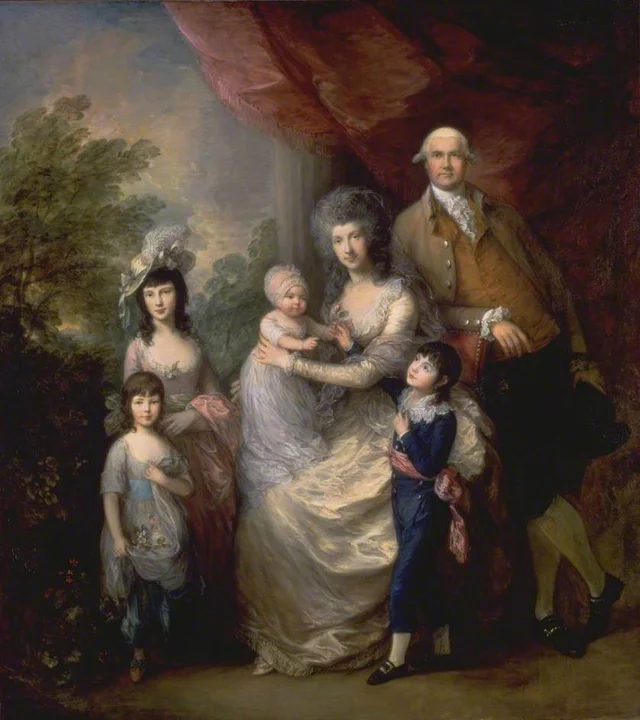 Die Familie BaillieThomas Gainsborough, 1784
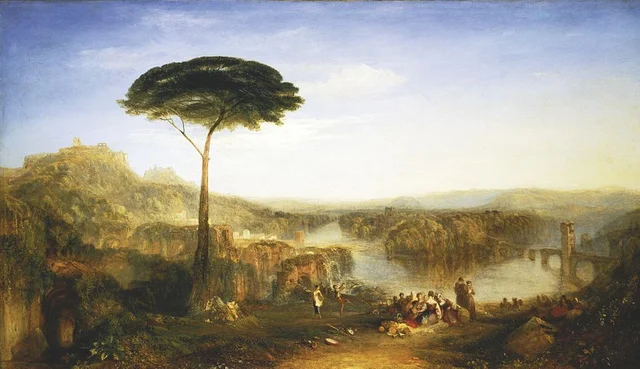 Childe Harolds Pilgerfahrt – ItalienJ. M. W. Turner, 1832
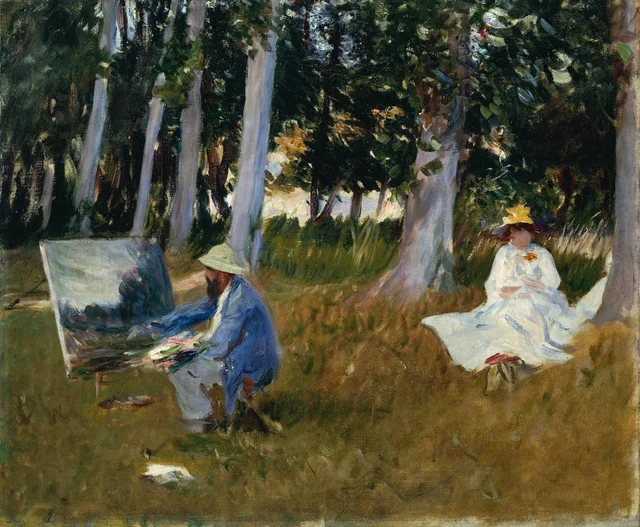 Claude Monet malt am WaldrandJohn Singer Sargent, 1885
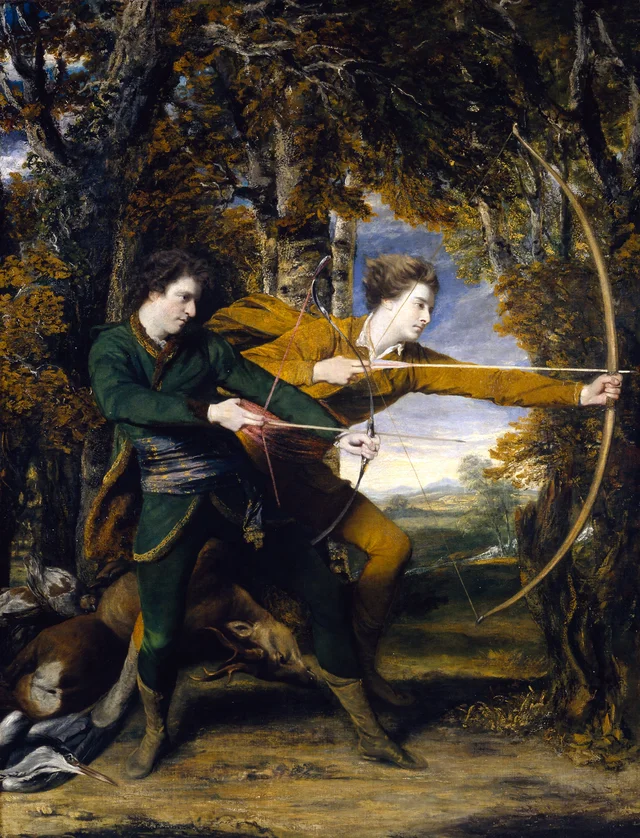 Colonel Acland und Lord Sydney: Die BogenschützenJoshua Reynolds, 1769
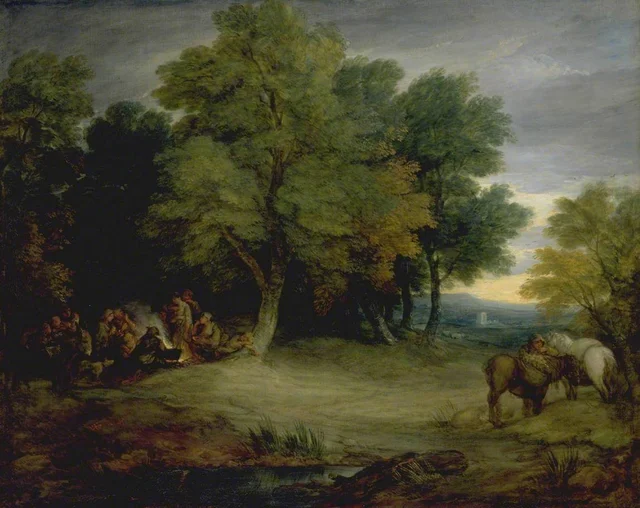 Zigeunerlager bei SonnenuntergangThomas Gainsborough, 1779
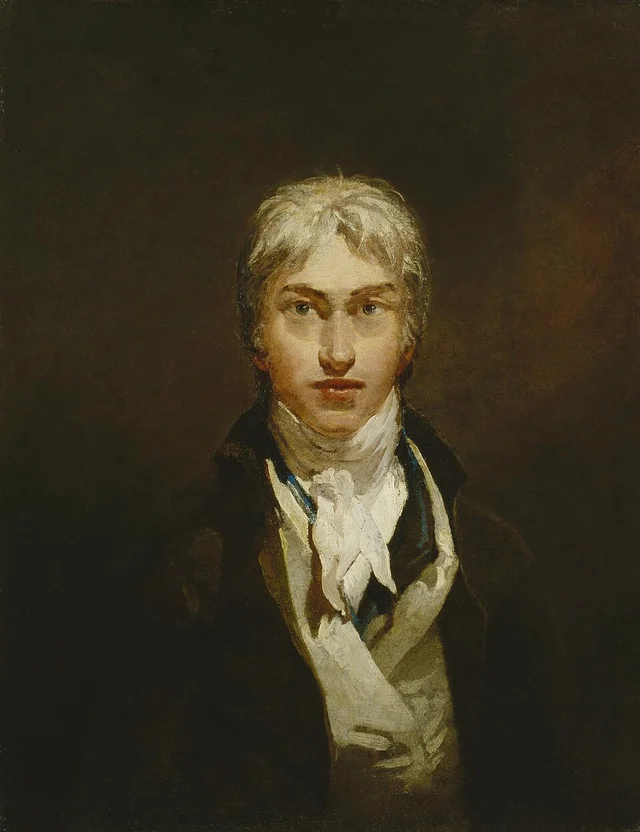 SelbstbildnisJ. M. W. Turner, 1799
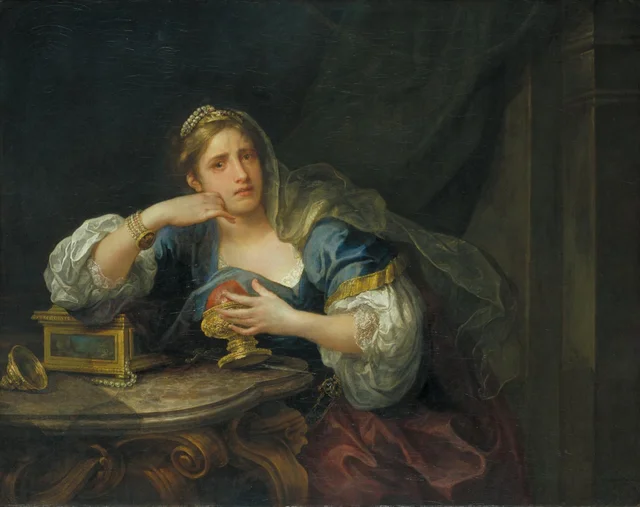 Sigismunda trauert über dem Herzen GuiscardosWilliam Hogarth, 1759
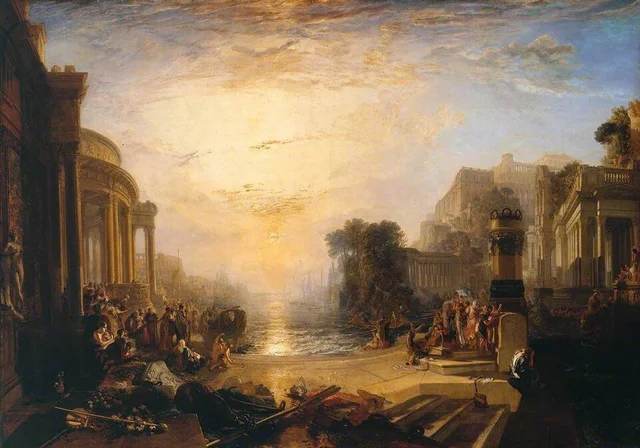 Der Niedergang des karthagischen Reiches...J. M. W. Turner, 1817
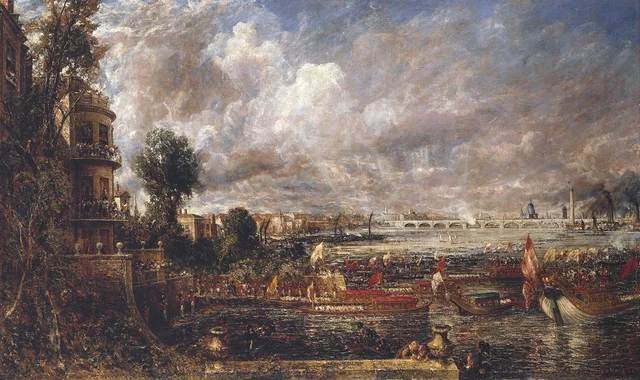 Die Eröffnung der Waterloo-Brücke („Whitehall Stairs, 18. Juni 1817“)John Constable, 1832
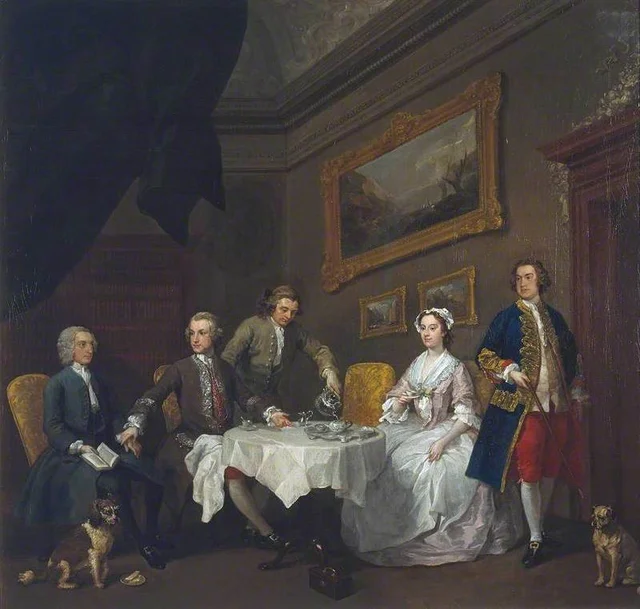 Die Familie StrodeWilliam Hogarth, 1738
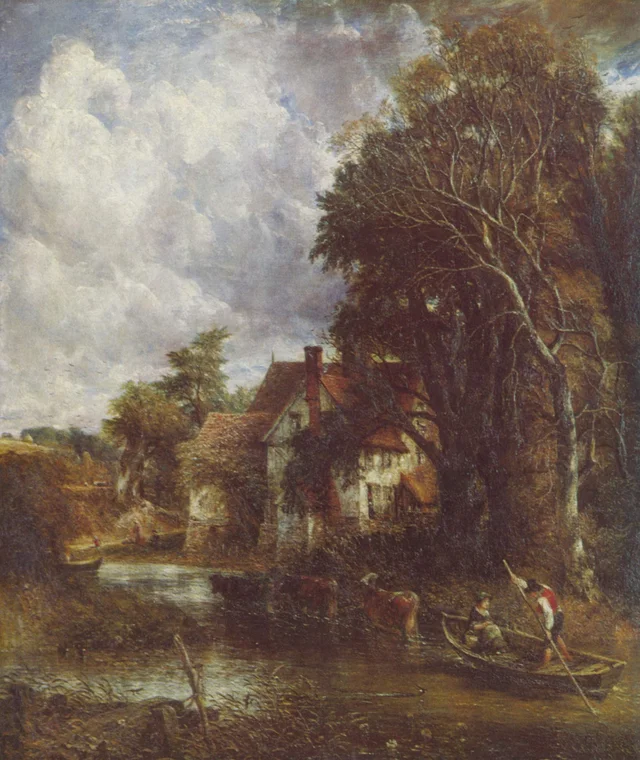 Der Bauernhof im TalJohn Constable, 1835
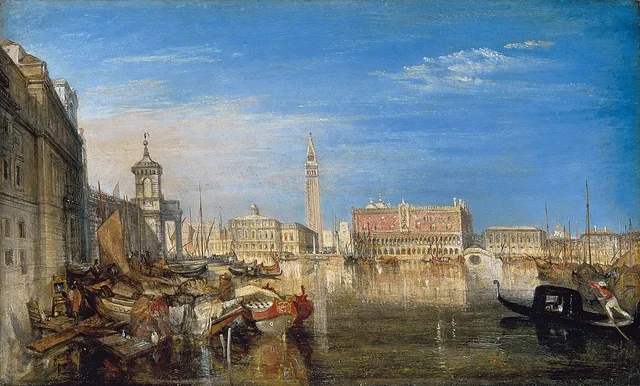 Seufzerbrücke, Dogenpalast und Zollhaus, Venedig: Gemälde im Stil CanalettosJ. M. W. Turner, 1833
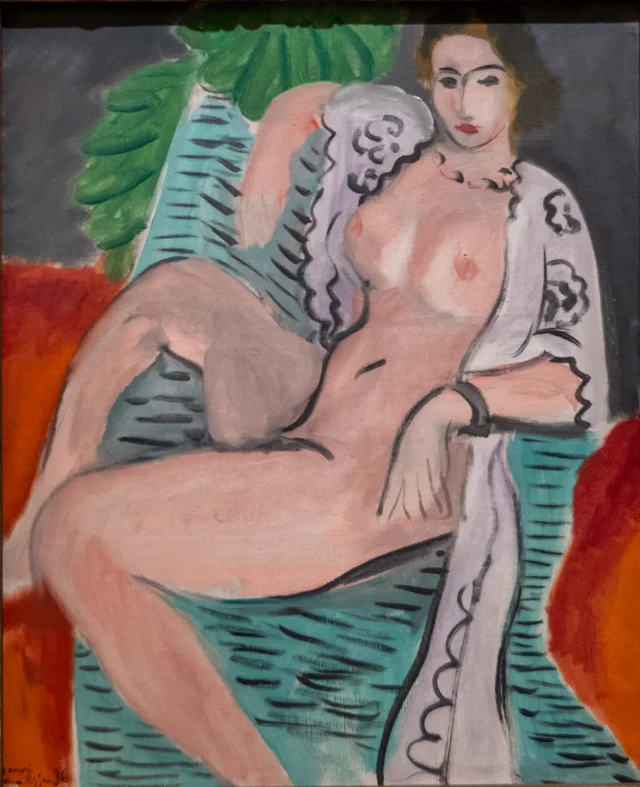 Drapierter AktHenri Matisse, 1936
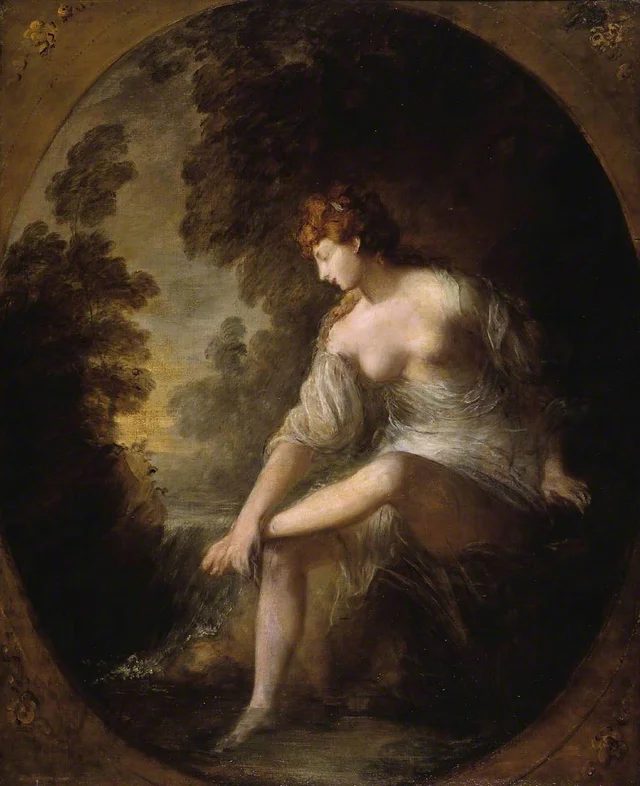 MusidoraThomas Gainsborough, 1784
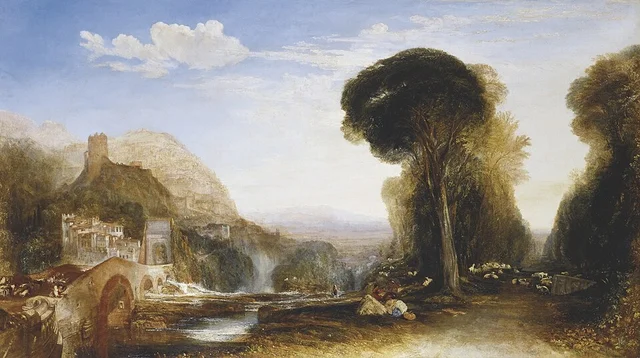 Palestrina, KompositionJ. M. W. Turner, 1828
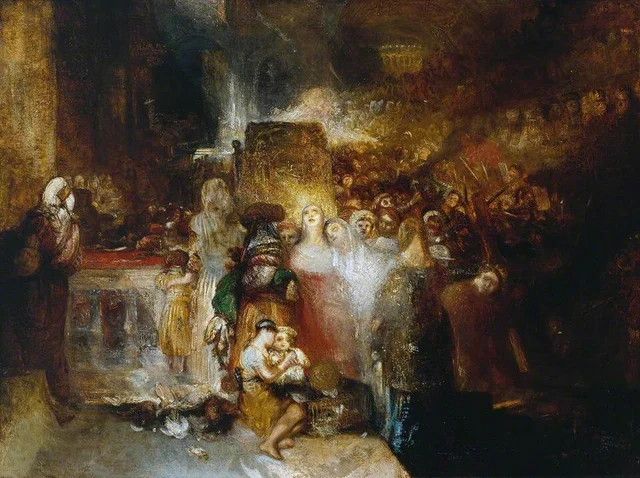 Pilatus wäscht seine HändeJ. M. W. Turner, 1830
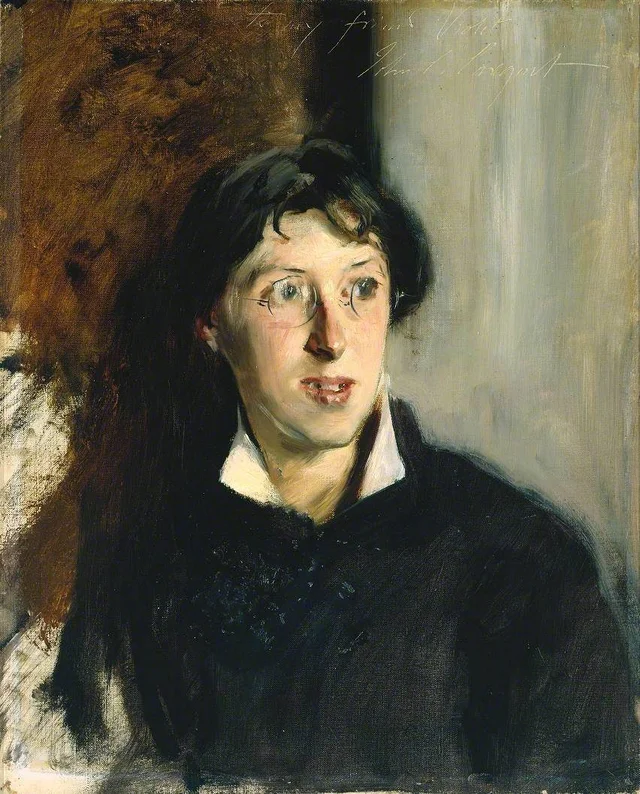 Bildnis der Vernon LeeJohn Singer Sargent, 1881
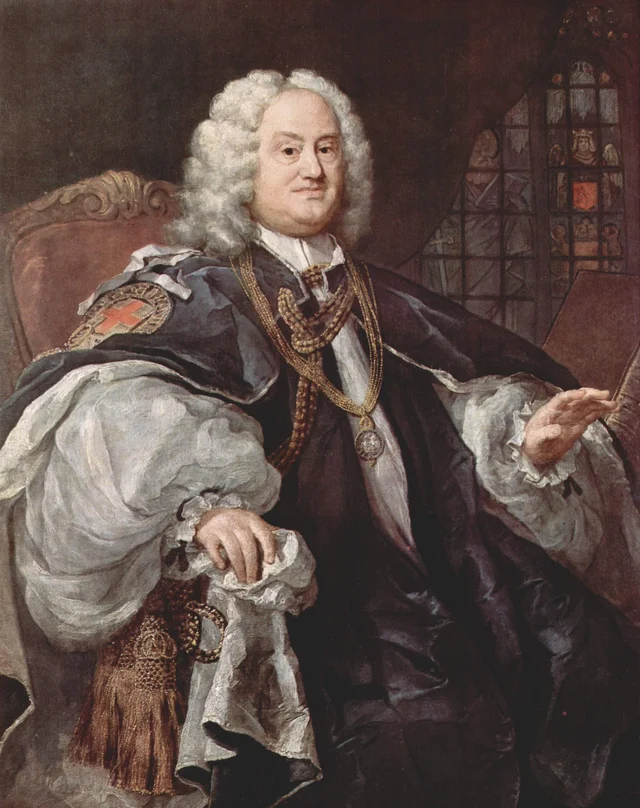 Porträt von Benjamin HoadlyWilliam Hogarth, 1741
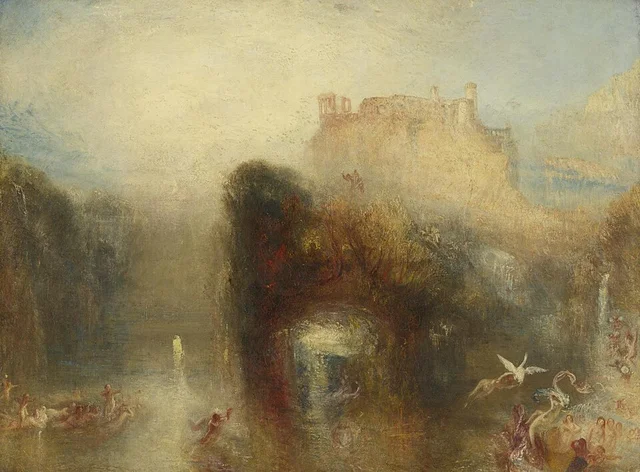 Die Höhle der Königin MabJ. M. W. Turner, 1846
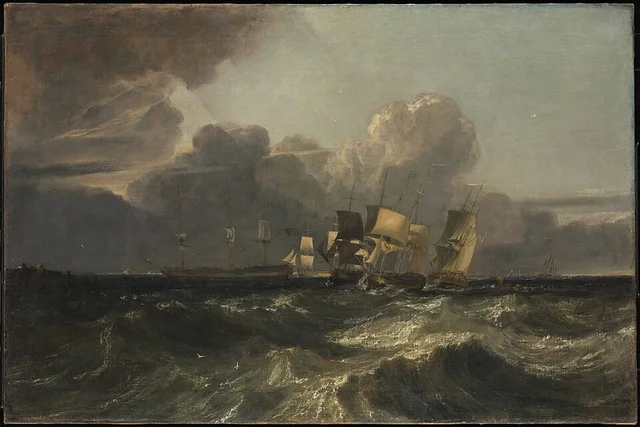 Schiffe, die zum Ankerplatz aufkommen („Das Egremont-Seestück“)J. M. W. Turner, 1802
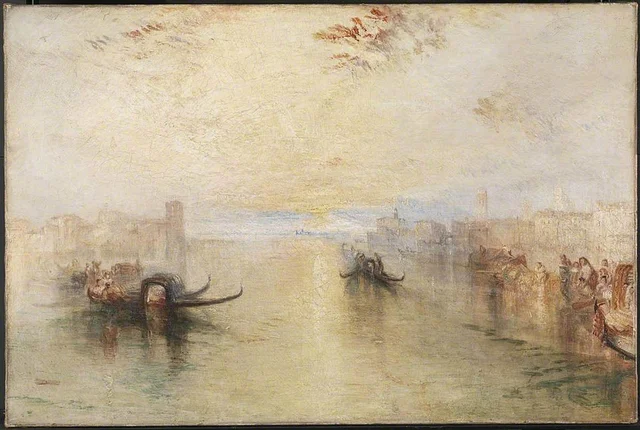 St. Benedetto, Blick nach FusinaJ. M. W. Turner, 1843
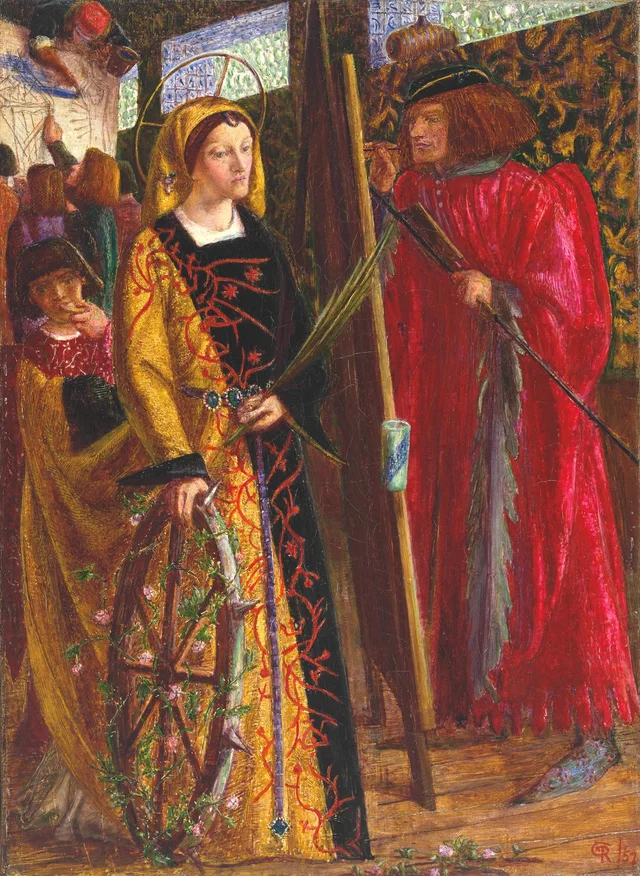 Heilige KatharinaDante Gabriel Rossetti, 1857