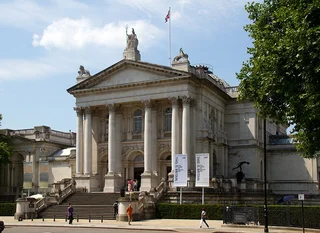
Die Geschichte
Tate sind eigentlich vier Museen, und das meistbesuchte erzeugte einst Strom. Tate Modern belegt das alte Kraftwerk Bankside am Südufer der Themse in London, einen Backsteinkoloss mit einem einzigen hohen Schornstein, entworfen von Giles Gilbert Scott, dem Mann hinter der roten Telefonzelle. Nach der Stilllegung blieb die Turbinenhalle, die einst die Generatoren fasste, als riesiger leerer Raum von fünf Stockwerken Höhe, und seit 2000 dient sie enormen Auftragswerken, einem Riss über die ganze Länge des Bodens, einer riesigen Innensonne aus Dunst und Licht.
Angefangen hat die Einrichtung mit Zucker. Henry Tate machte sein Vermögen mit dem Zuckerwürfel, und 1897 finanzierte er den Bau einer Galerie für britische Kunst in Millbank, flussaufwärts, auf dem Gelände eines abgerissenen Gefängnisses. Dieses Gebäude ist heute Tate Britain und beherbergt das Turner-Vermächtnis, die Tausenden Öl- und Aquarellbilder, die J. M. W. Turner der Nation bei seinem Tod 1851 hinterließ.
Zwischen ihnen teilen die beiden Londoner Häuser die Sammlung nach Epochen, wobei Tate Britain die britische Kunst bis ins 16. Jahrhundert zurückführt und Tate Modern die internationale Moderne und Gegenwart übernimmt. Zwei weitere Galerien tragen den Namen außerhalb der Hauptstadt, Tate Liverpool und Tate St Ives an der Küste Cornwalls, letztere über einem Strand erbaut, an dem einige der gezeigten Maler einst arbeiteten.
Sammlung
118 Werke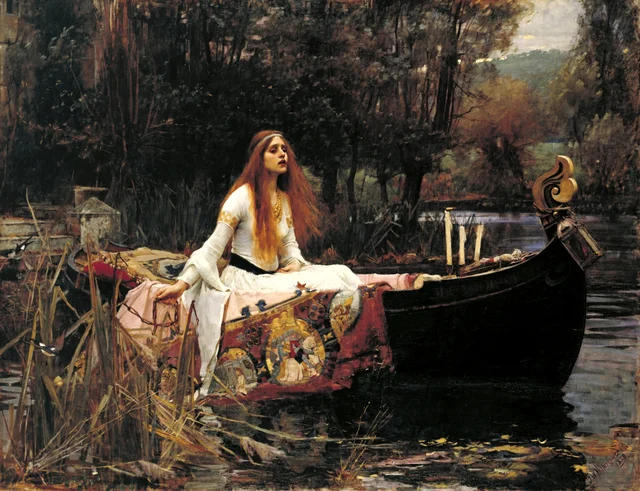 Die Lady von ShalottJohn William Waterhouse, 1888
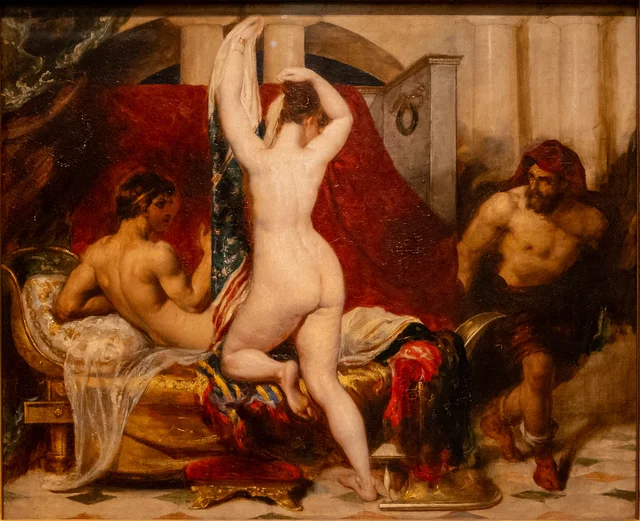 Kandaules, König von Lydien, zeigt heimlich seine Frau Gyges, einem seiner Minister, als sie zu Bett gehtWilliam Etty, 1830
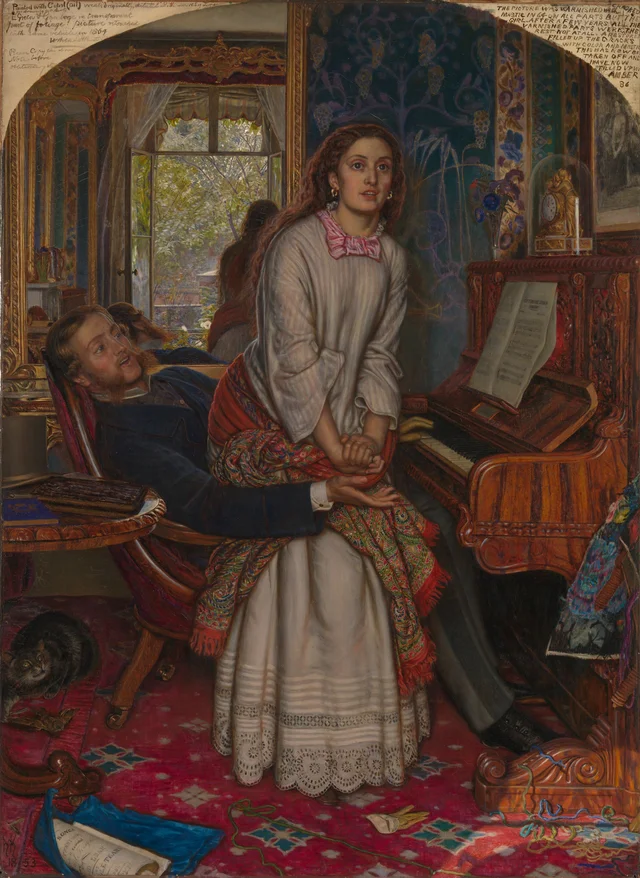 Das erwachende GewissenWilliam Holman Hunt, 1853
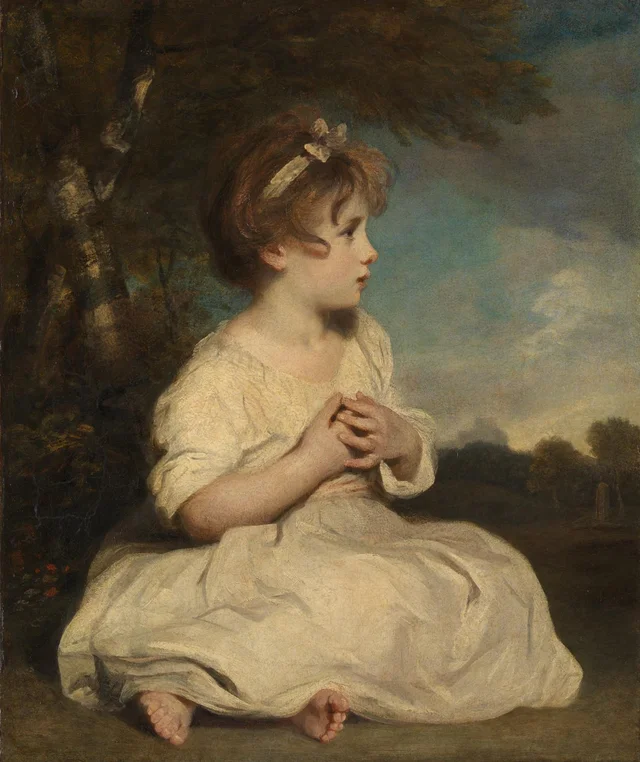 Das Zeitalter der UnschuldJoshua Reynolds, 1788
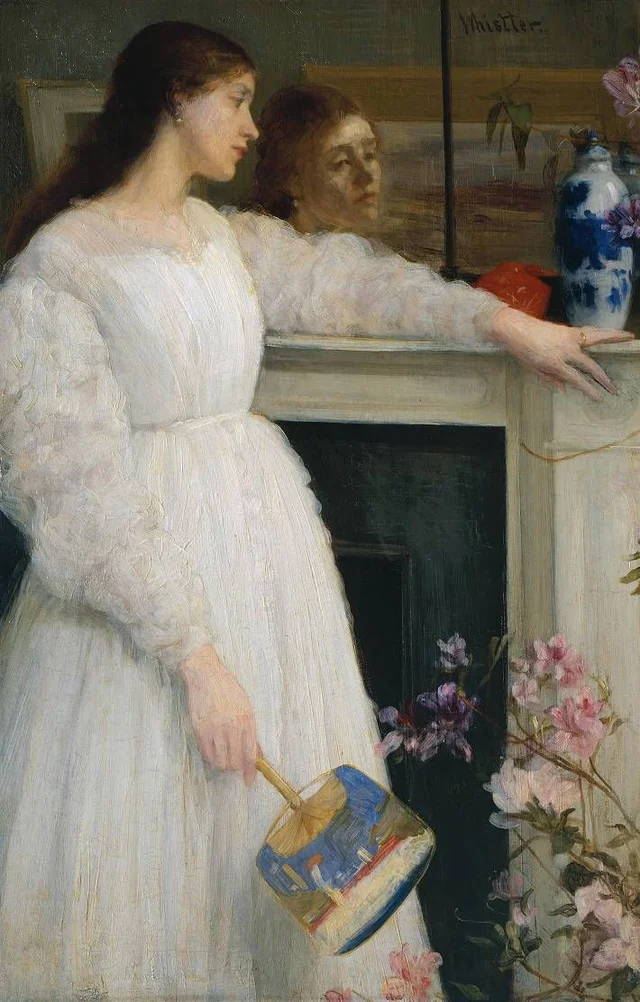 Symphonie in Weiß Nr. 2: Das kleine weiße MädchenJames McNeill Whistler, 1864
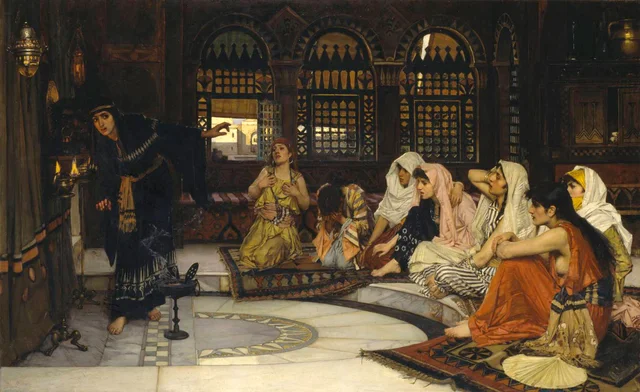 Die Befragung des OrakelsJohn William Waterhouse, 1884
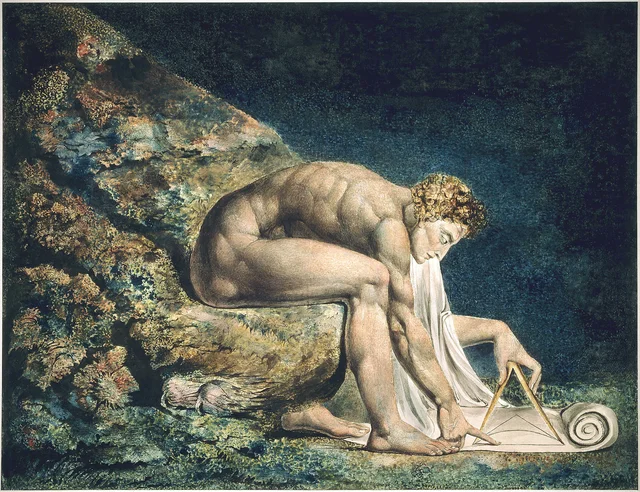 NewtonWilliam Blake, 1795
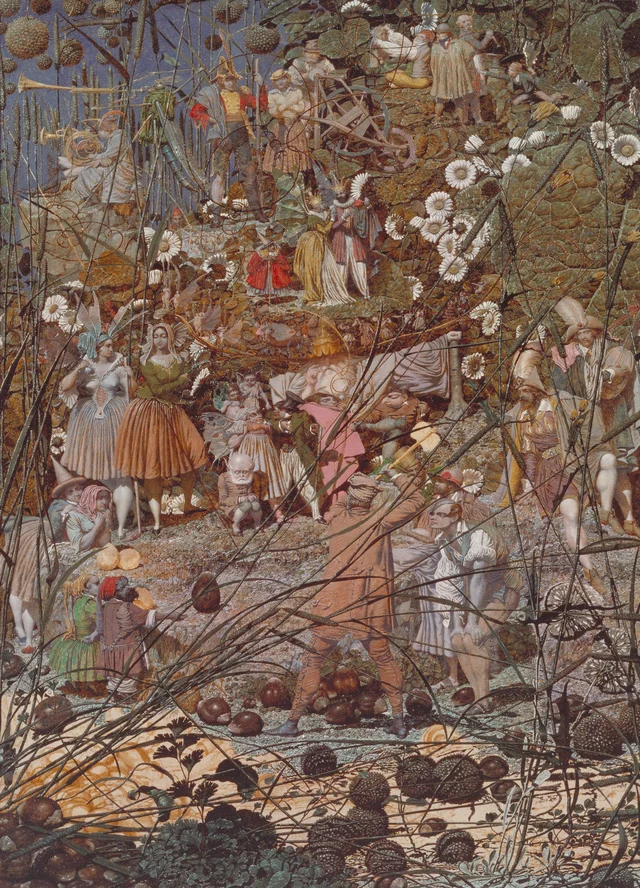 Der Meisterstreich des FeenfällersRichard Dadd, 1855
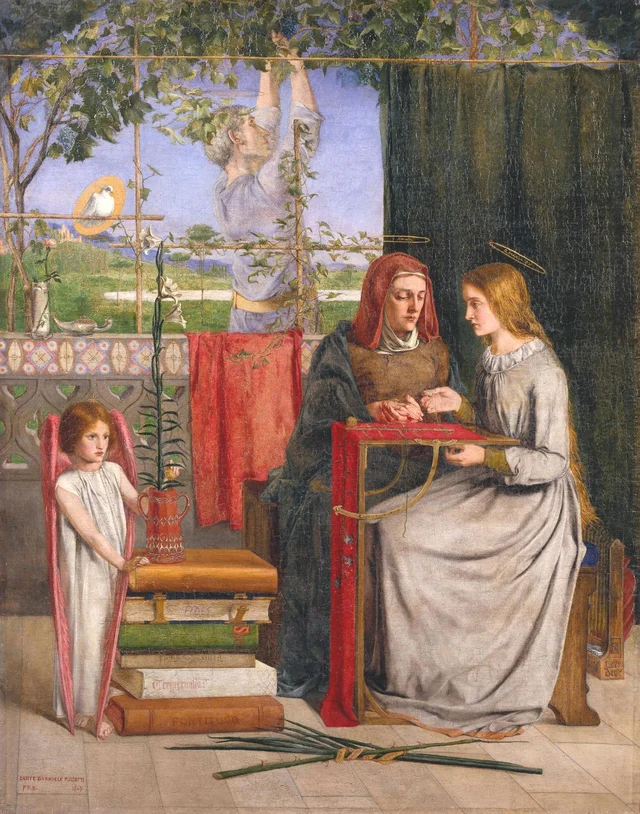 Die Kindheit der Jungfrau MariaDante Gabriel Rossetti, 1849
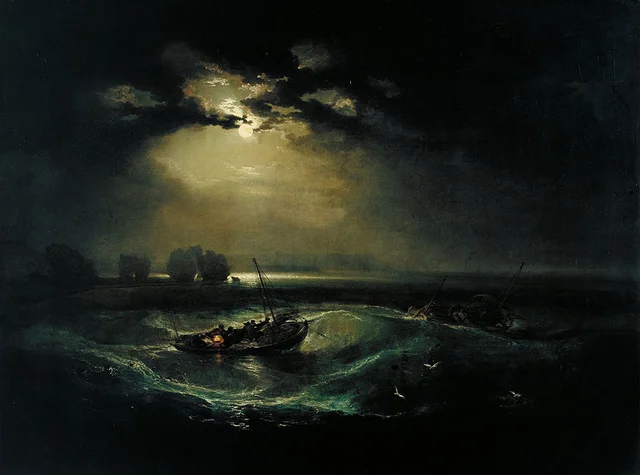 Fischer auf SeeJ. M. W. Turner, 1796
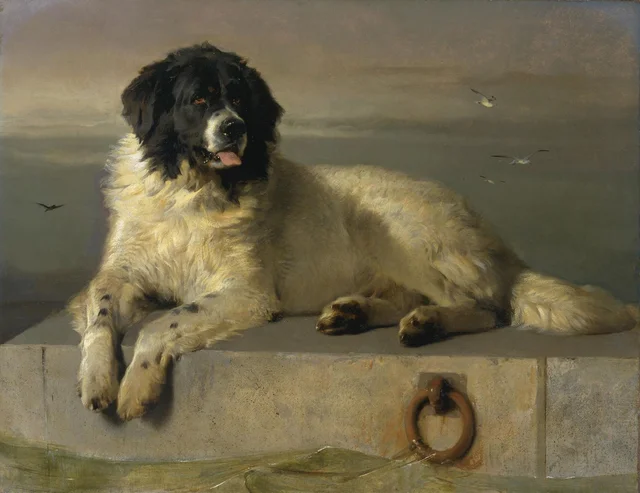 Ein angesehenes Mitglied der Humane SocietyEdwin Landseer, 1831
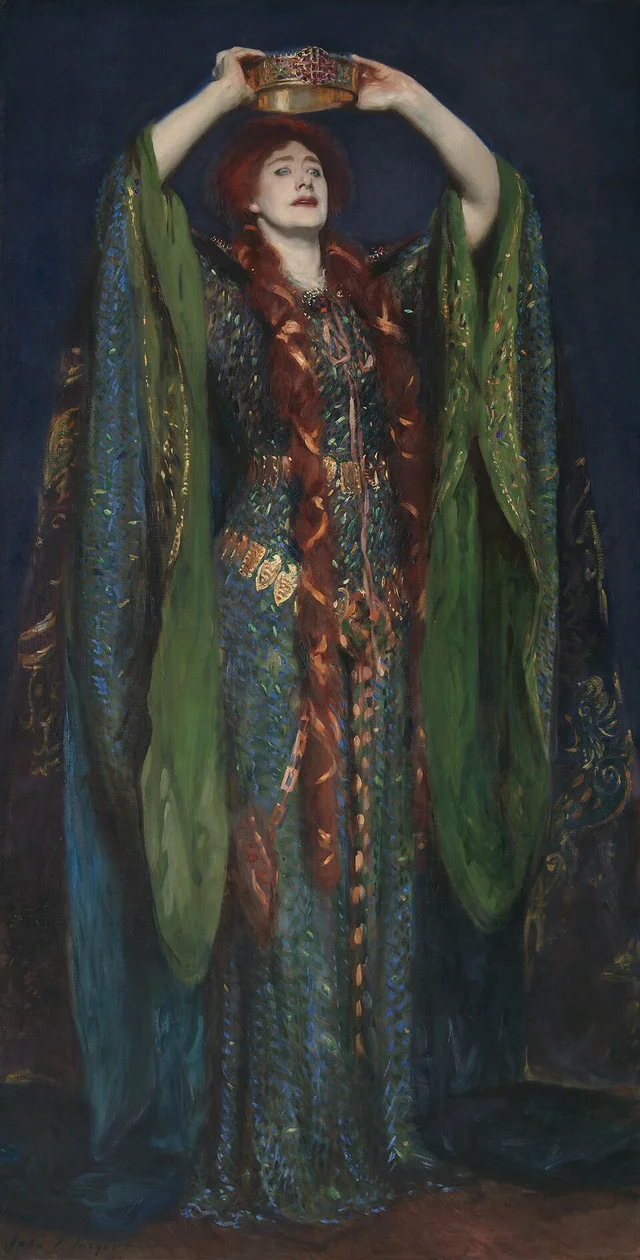 Ellen Terry als Lady MacbethJohn Singer Sargent, 1889
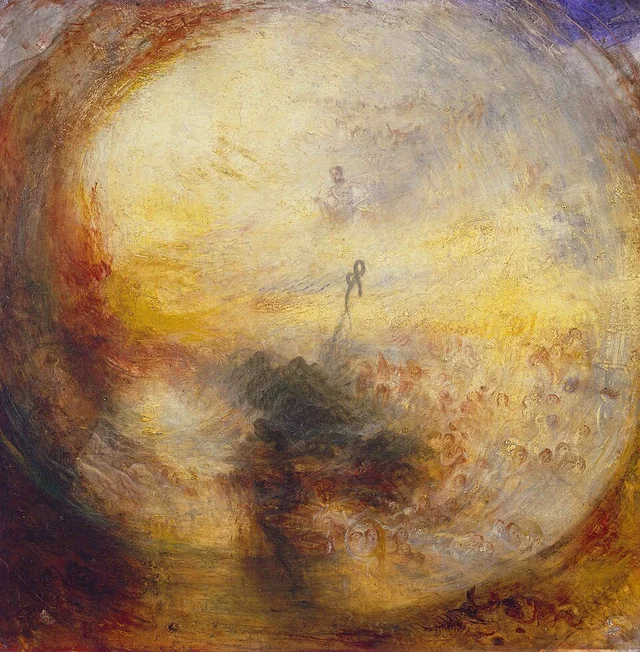 Licht und Farbe (Goethes Theorie) – Der Morgen nach der Sintflut – Moses schreibt das Buch GenesisJ. M. W. Turner, 1843
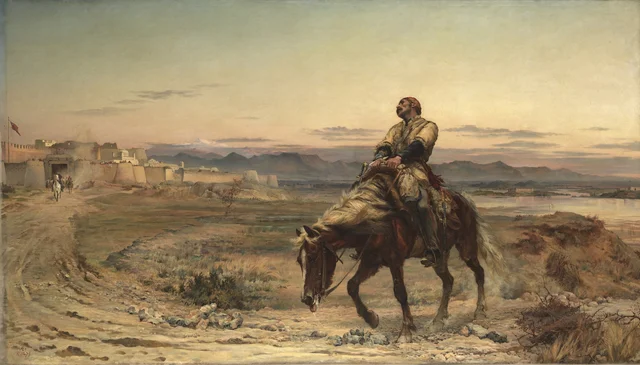 Die Überreste einer ArmeeElizabeth Thompson, 1879
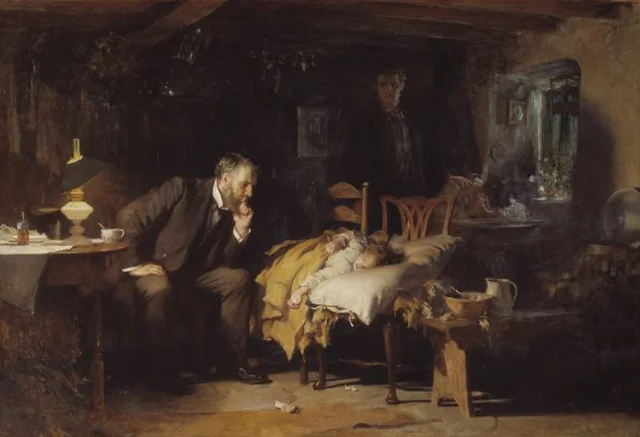 Der ArztLuke Fildes, 1891
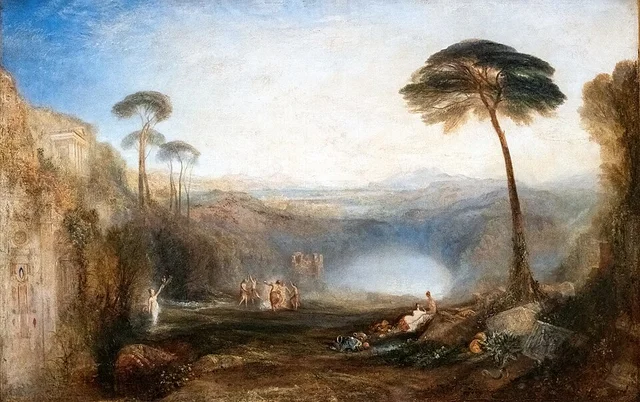 Der goldene ZweigJ. M. W. Turner, 1834
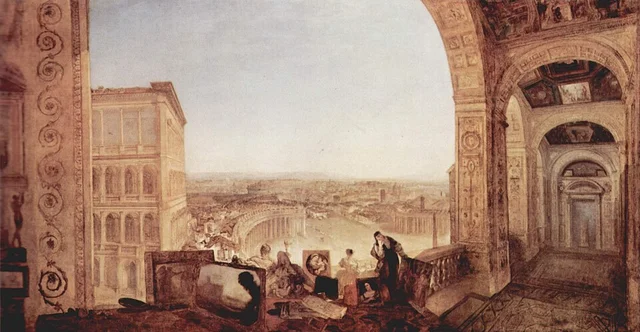 Rom, vom Vatikan aus. Raffael, begleitet von der Fornarina, bereitet seine Bilder für die Ausschmückung der Loggien vorJ. M. W. Turner, 1820
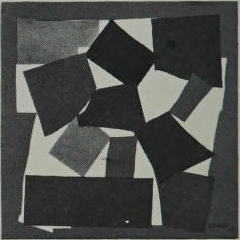 Die SchneckeHenri Matisse, 1953
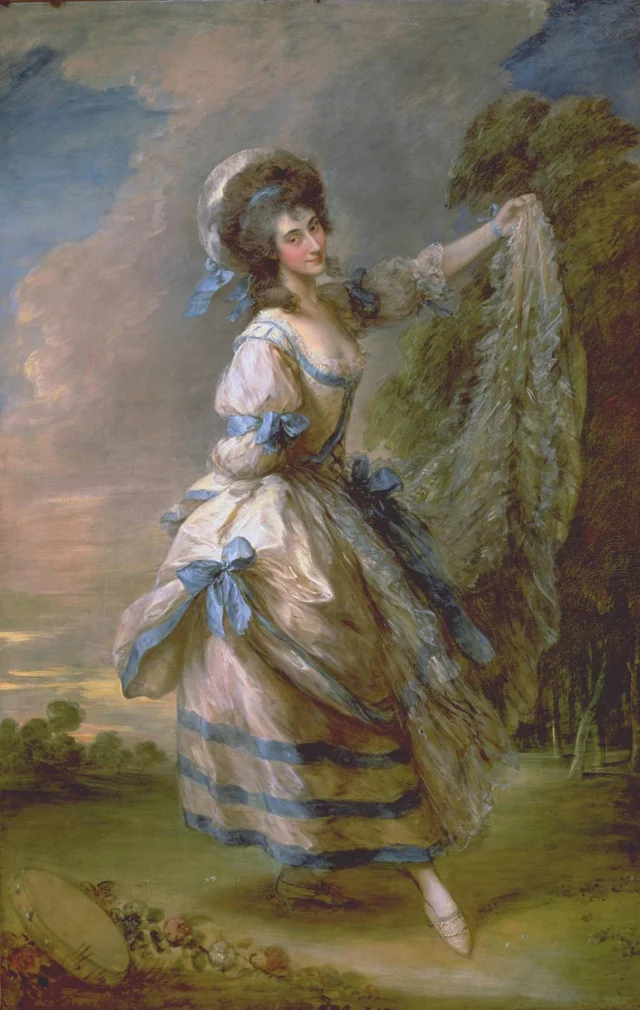 Giovanna BaccelliThomas Gainsborough, 1782
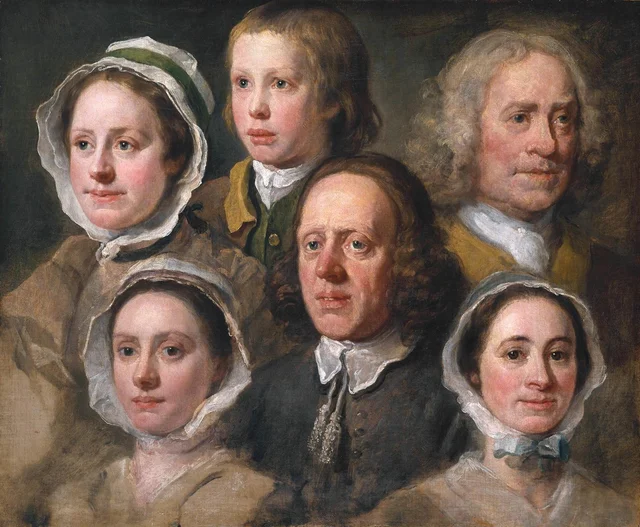 Hogarths DienstbotenWilliam Hogarth, 1752
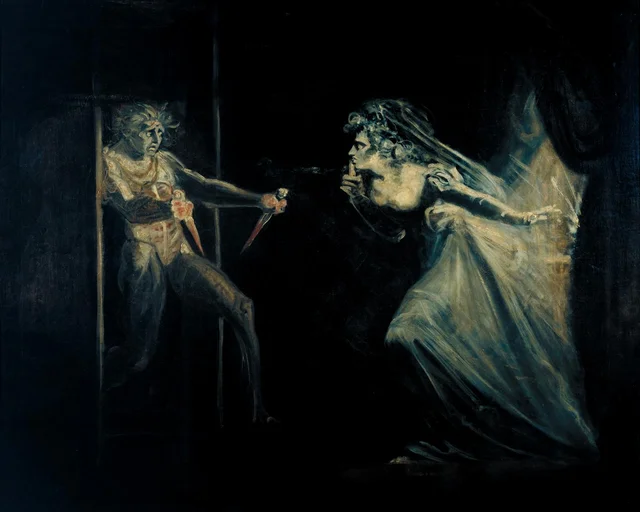 Lady Macbeth ergreift die DolcheJohann Heinrich Füssli, 1812
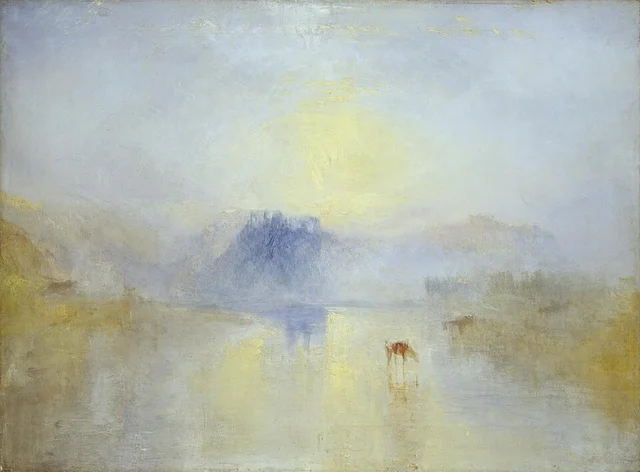 Norham Castle, SonnenaufgangJ. M. W. Turner, 1845
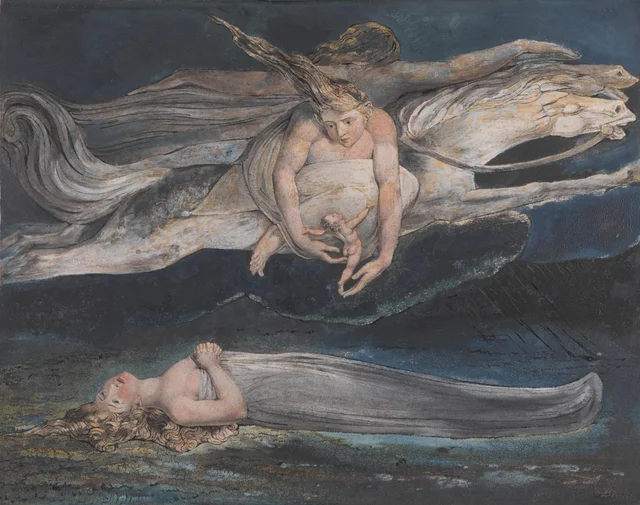 MitleidWilliam Blake, 1795
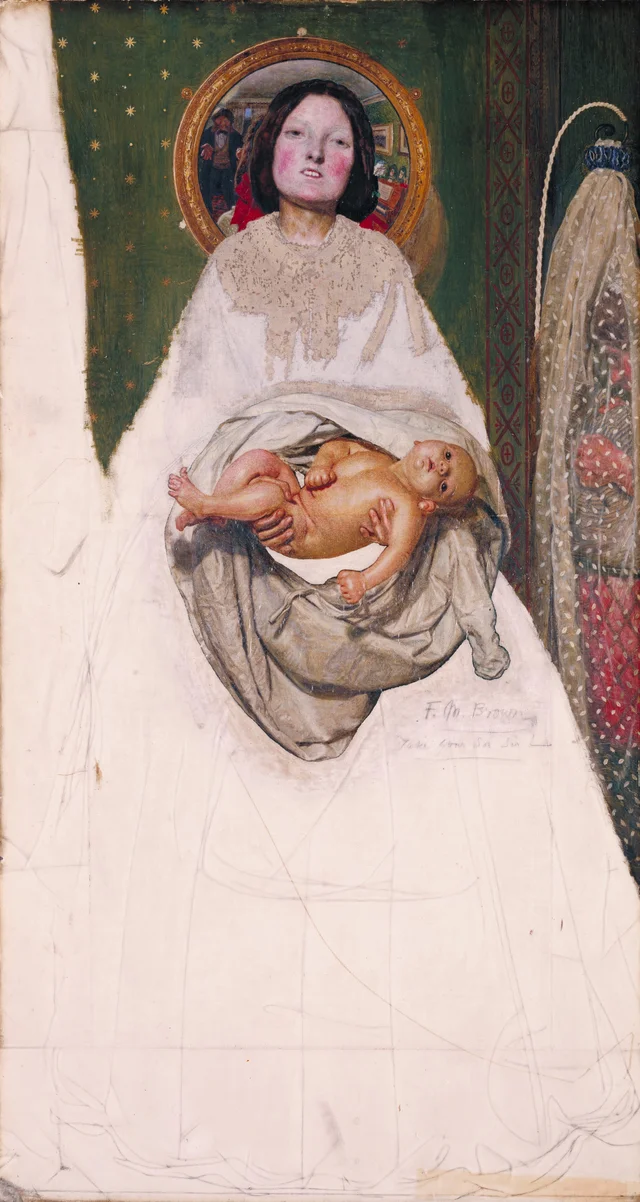 Nehmt Euren Sohn, Sir!Ford Madox Brown, 1851
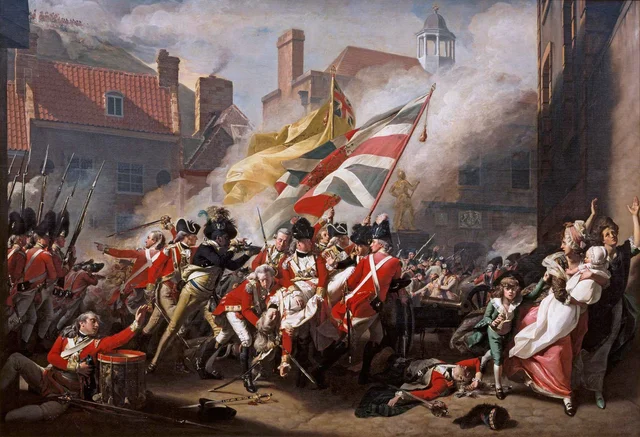 Der Tod des Majors Peirson, 6. Januar 1781John Singleton Copley, 1783