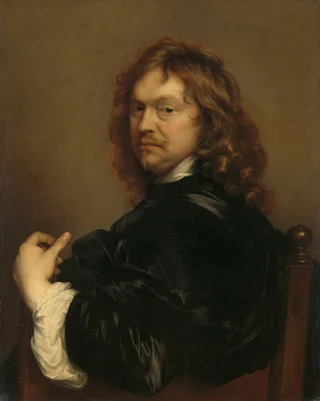
Adriaen Hanneman
1603–1671 · Dutch Republic · Baroque
The story
Adriaen Hanneman built a career on one of the most successful styles in Europe: the elegant, silvery portrait manner of Anthony van Dyck. Born in The Hague around 1603, he crossed to London as a young man and spent more than a decade there in the 1620s and 30s, the years when van Dyck was the dominant painter at the English court, and some say he worked in van Dyck's own studio.
When he came back to The Hague he brought that manner with him, and it turned out to be exactly what a particular set of clients wanted. After the English Civil War, the defeated Royalists of the Stuart court fled to the Netherlands, gathering around Mary Stuart, daughter of the executed King Charles I, who had married into the House of Orange. Hanneman painted them, the exiled courtiers, and the young Charles II while he was still a prince in exile.
His portrait of the boy Henry, Duke of Gloucester, Charles's youngest brother, now hangs in Washington.
More articles

Works
3 works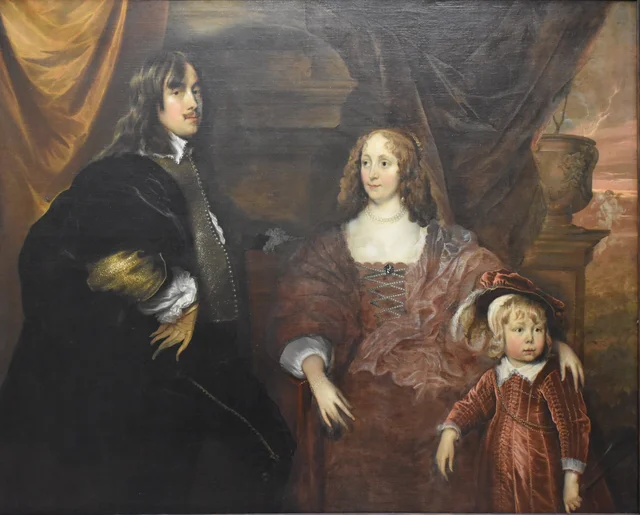 Portrait of Cornelis Janson van Ceulen (1593-1661), Elizabeth Beck (?-1670) and Cornelis Janson van Ceulen (1634-1715)Adriaen Hanneman, 1660
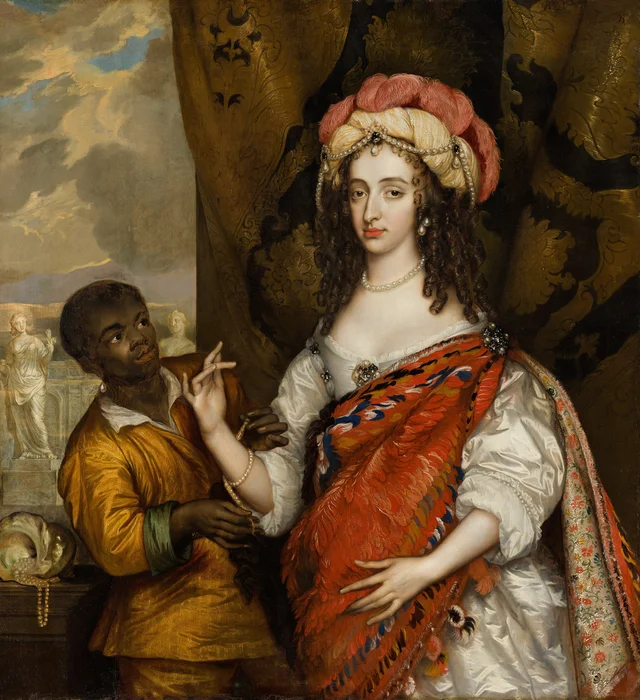 Posthumous Portrait of Mary I Stuart (1631- 1660) with a ServantAdriaen Hanneman, 1664
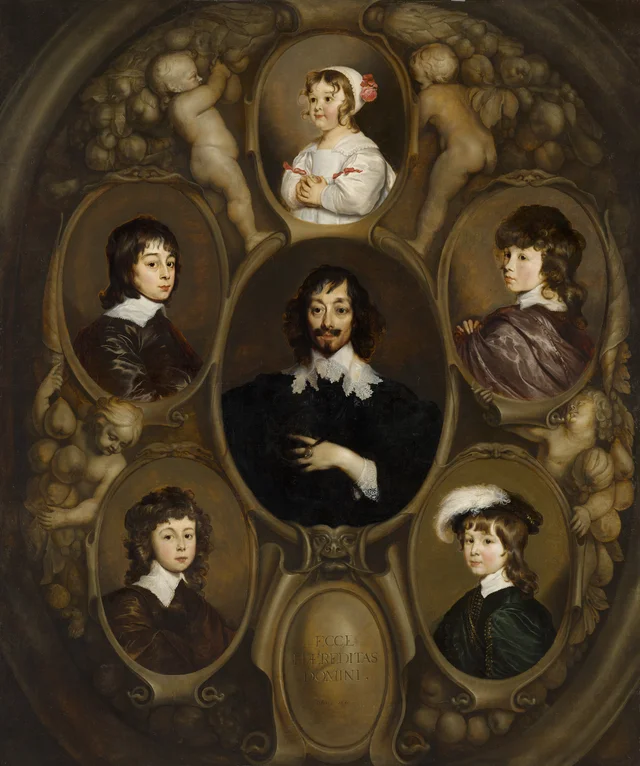 Portrait of Constantijn Huygens (1596-1687) and his Five ChildrenAdriaen Hanneman, 1640