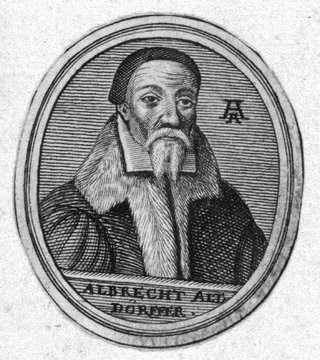
Albrecht Altdorfer
1538 · Holy Roman Empire · German Renaissance
The story
Albrecht Altdorfer did something in the early 1500s that almost no European artist had tried since antiquity. He painted landscapes with no people in them at all, small views of forests and castles along the Danube where the trees and the light are the whole subject. That instinct for wild scenery gives its name to the Danube School, the loose group of German and Austrian artists he led around Regensburg, the Bavarian city where he lived and served as a town councillor.
Even his crowded pictures are really about landscape. His masterpiece, The Battle of Alexander at Issus, painted in 1529, shows Alexander the Great's ancient victory over the Persians, but the tiny armies are swallowed by a vast panorama of mountains, sea, and a blazing sky that seems to curve over the whole known world.
Altdorfer was prosperous and civic-minded, and in 1528 he was offered the post of mayor of Regensburg, which he turned down so he could finish the Alexander painting. He was also caught up in the religious upheaval of his day. He voted in the council to expel the city's Jewish community in 1519, and etched the medieval synagogue just before it was pulled down, two of the earliest etchings of a real building that we have.
More articles
Works
17 works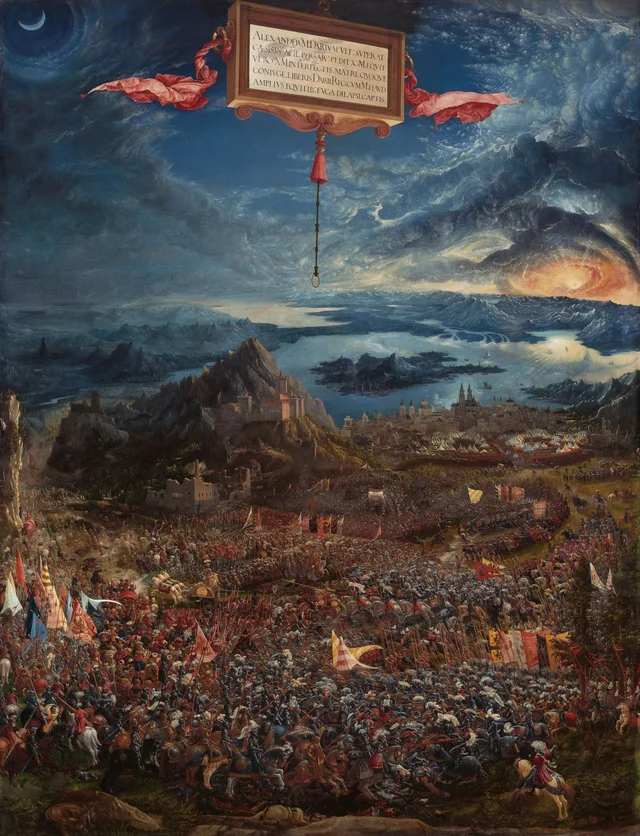 The Battle of Alexander at IssusAlbrecht Altdorfer, 1529
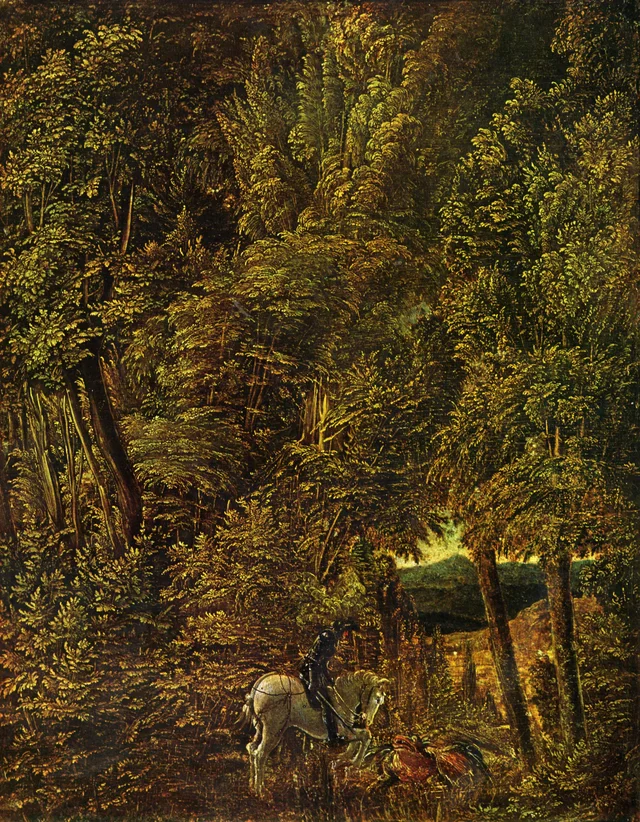 Countryside of Wood With Saint George Fighting the DragonAlbrecht Altdorfer, 1510
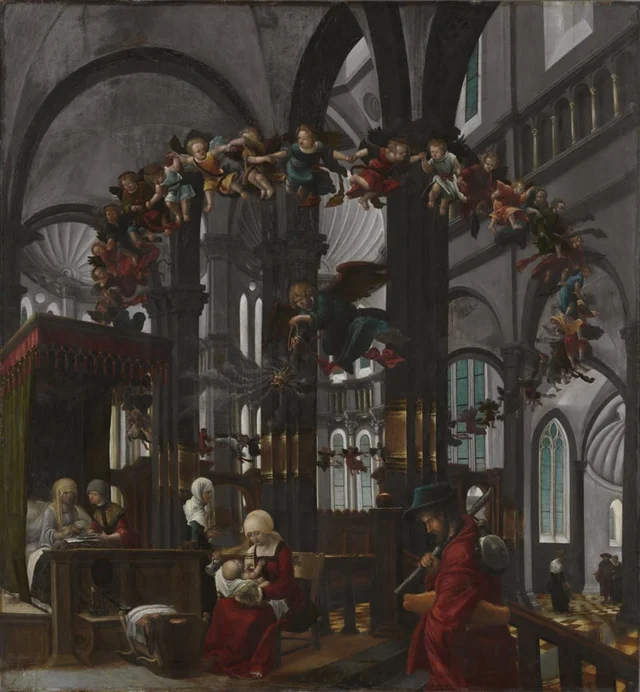 Nativity of the VirginAlbrecht Altdorfer, 1520
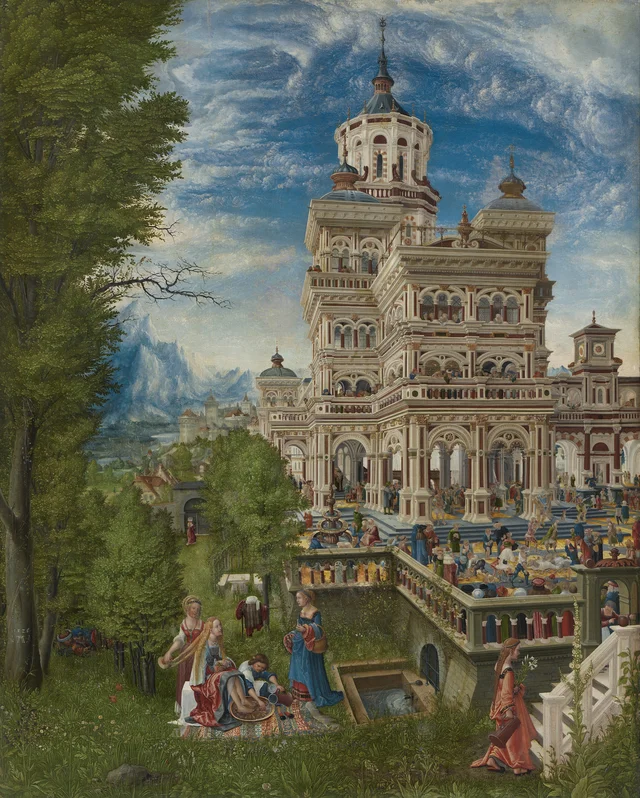 Susanna and the EldersAlbrecht Altdorfer, 1526
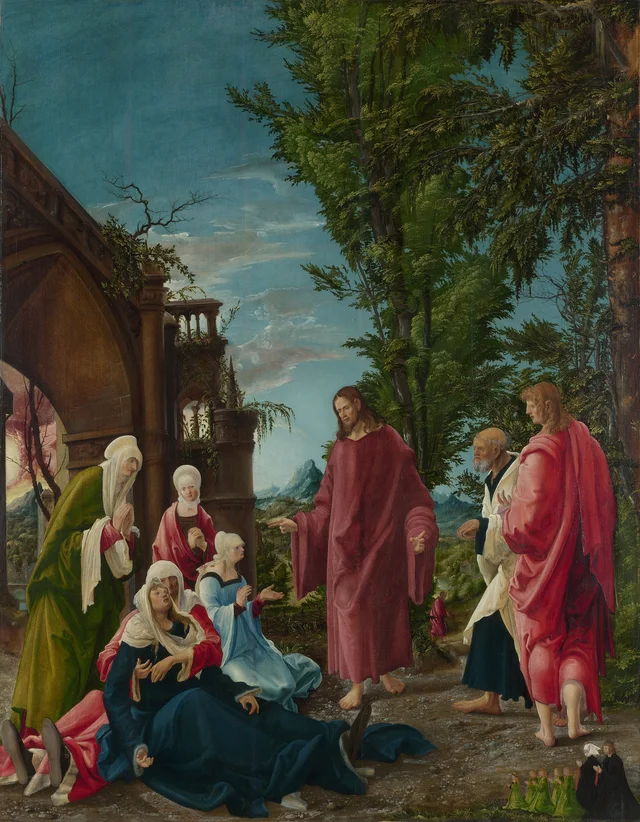 Christ Taking Leave of his MotherAlbrecht Altdorfer, 1520
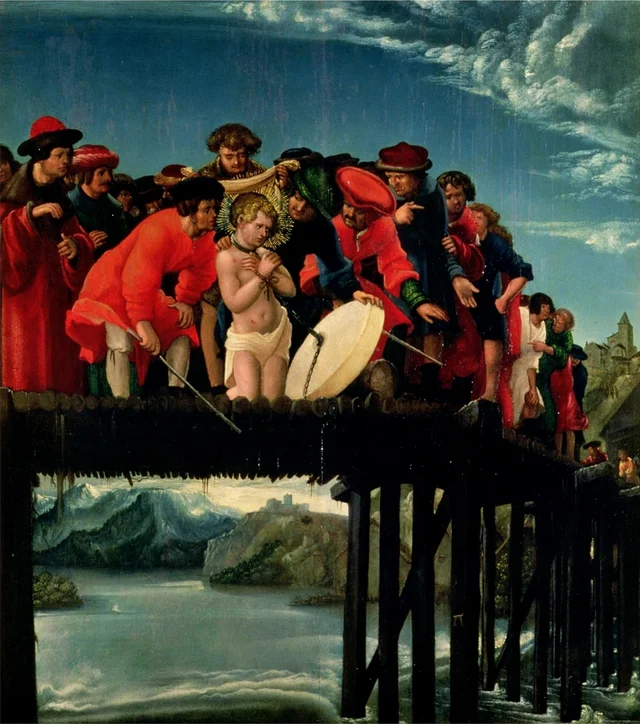 The Martyrdom of Saint FlorianAlbrecht Altdorfer, 1518
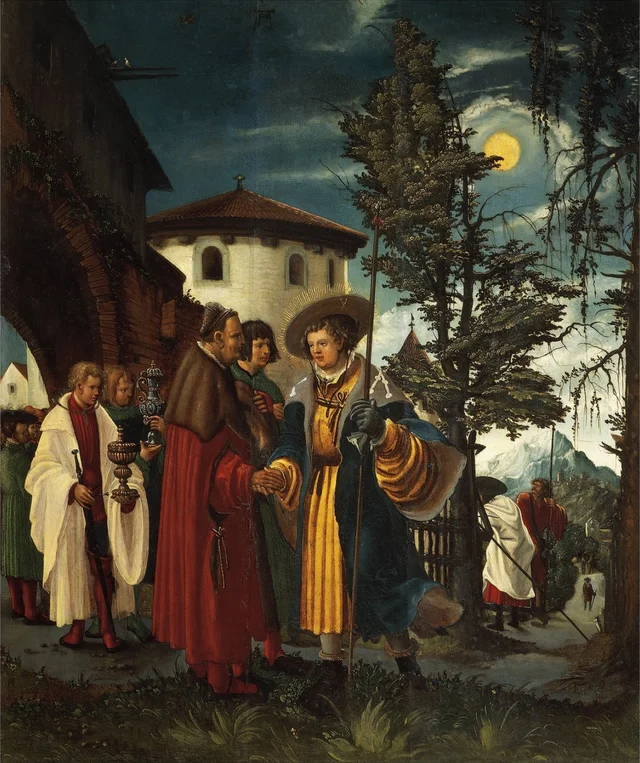 The Departure of Saint FlorianAlbrecht Altdorfer, 1518
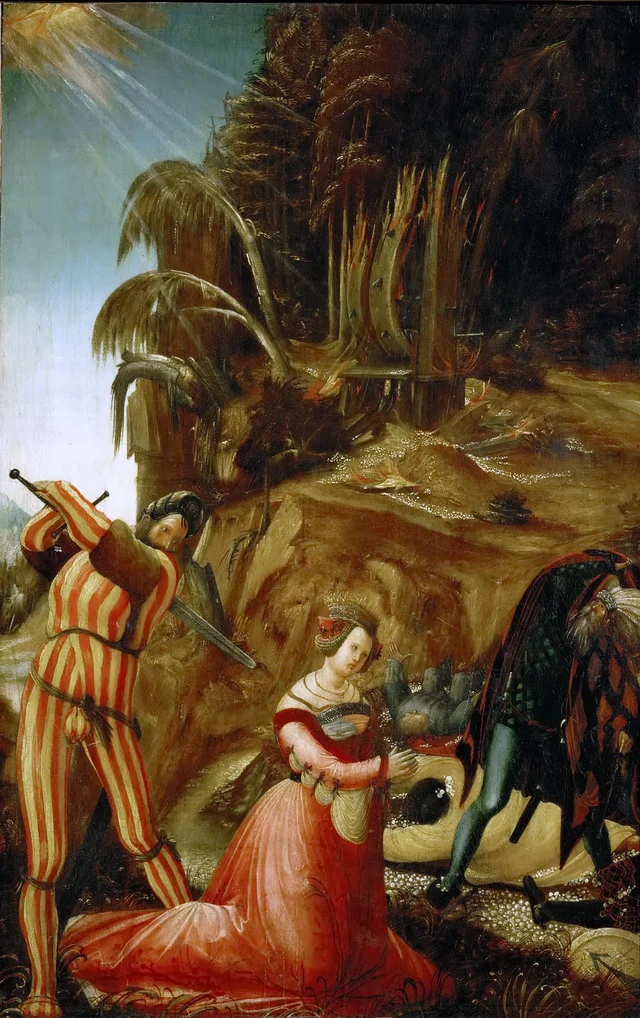 Beheading of St. CatherineAlbrecht Altdorfer, 1505
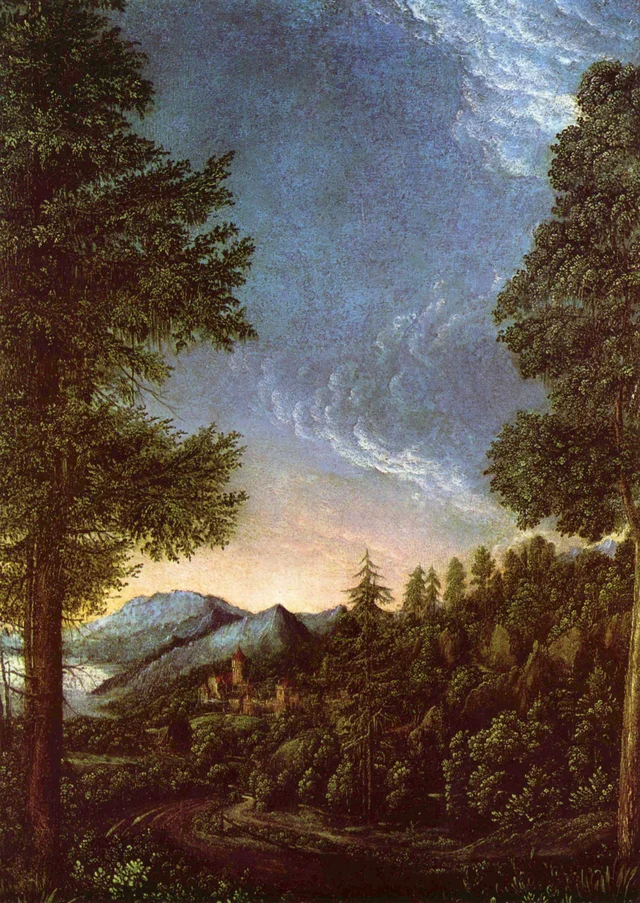 Danube Landscape with Wörth CastleAlbrecht Altdorfer, 1522
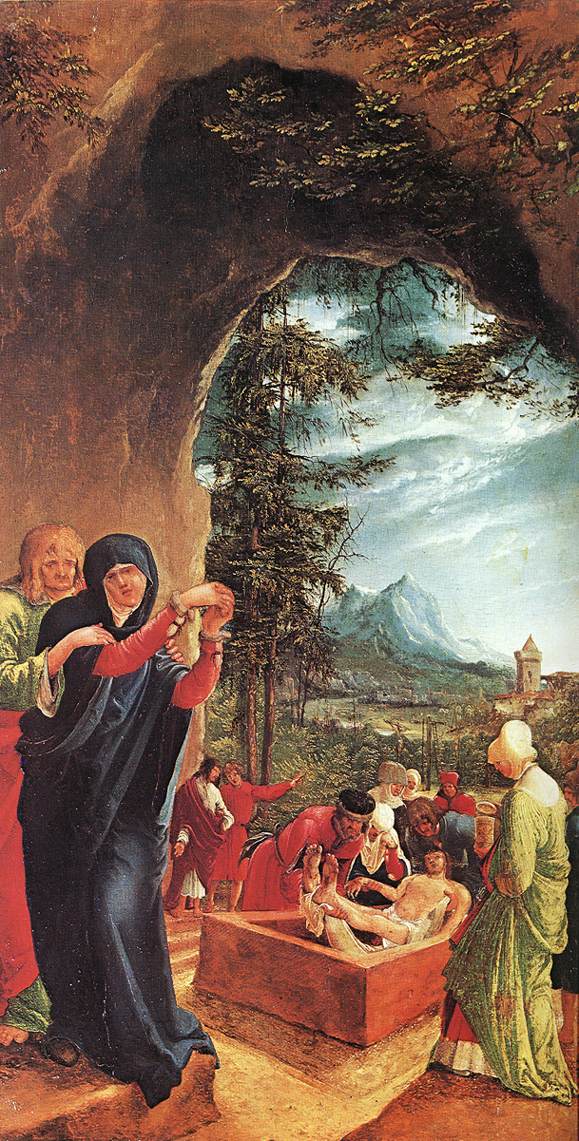 Entombment of ChristAlbrecht Altdorfer, 1518
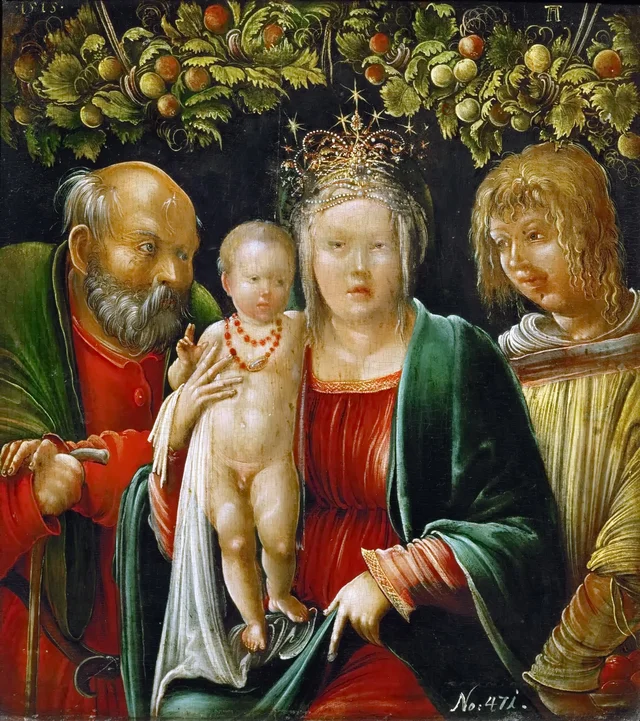 Holy Family with a DeaconAlbrecht Altdorfer, 1515
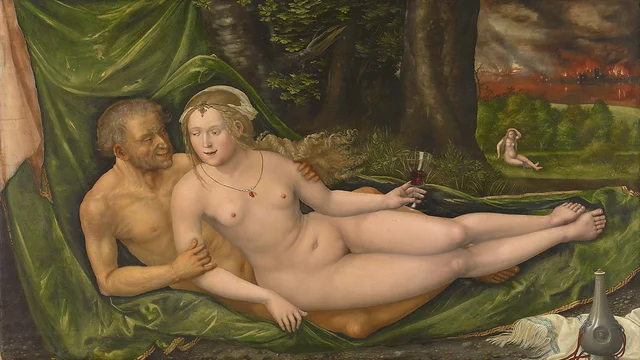 Lot and His DaughtersAlbrecht Altdorfer, 1537
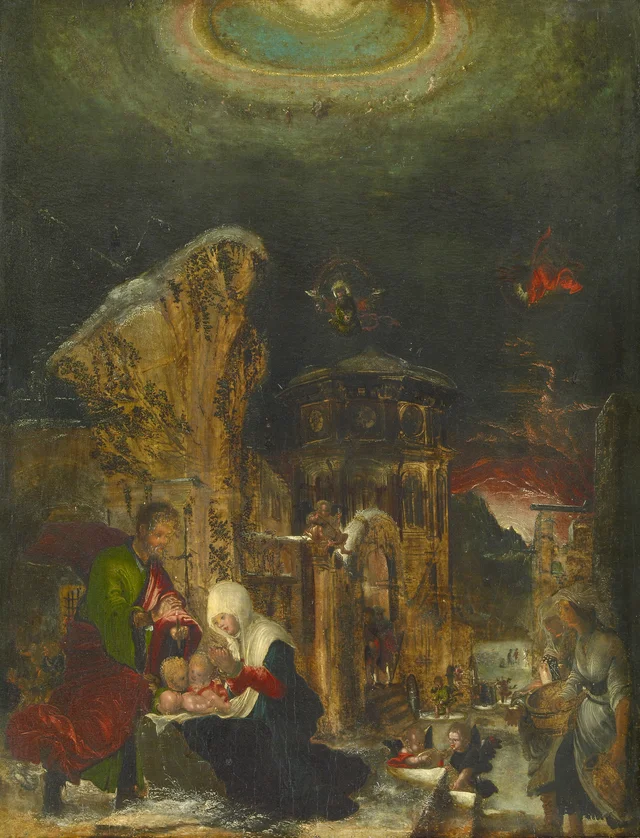 Nativity of ChristAlbrecht Altdorfer, 1520
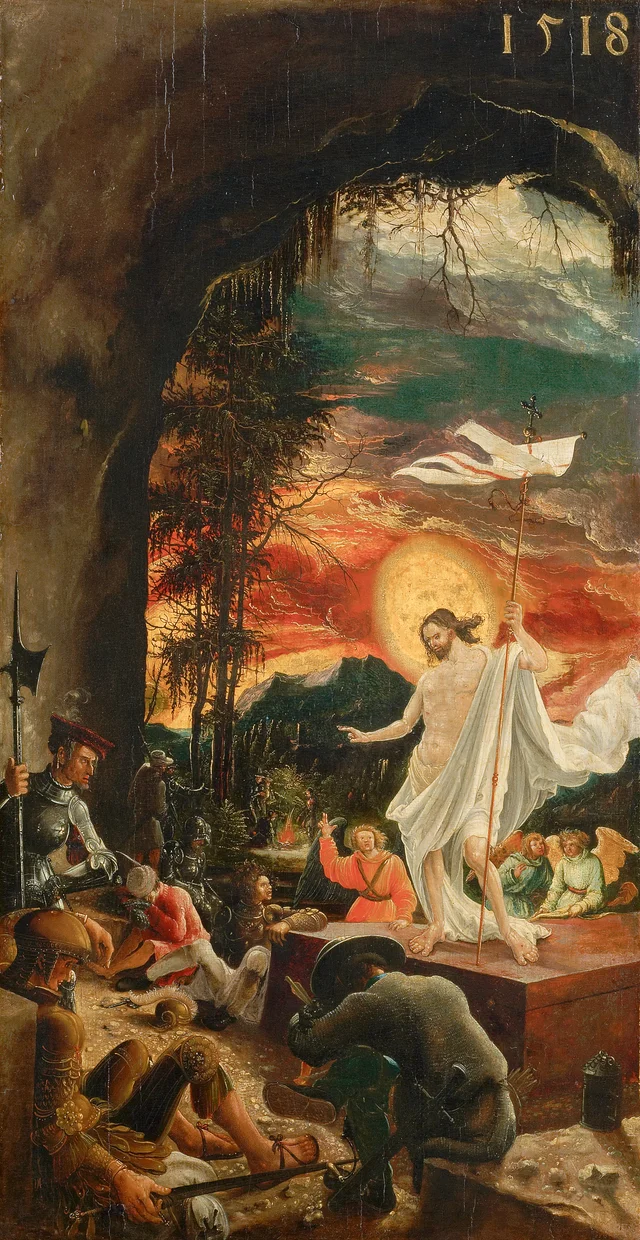 Resurrection of ChristAlbrecht Altdorfer, 1518
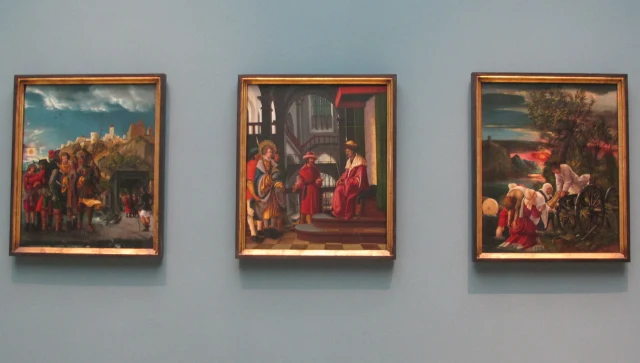 Legend of Saint FlorianAlbrecht Altdorfer, 1510
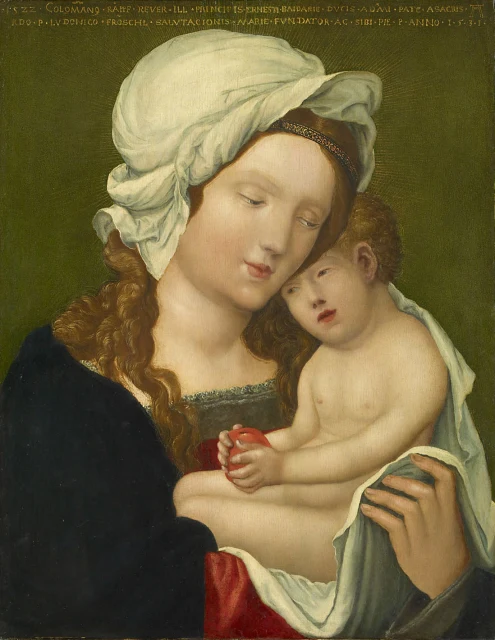 The Virgin and ChildAlbrecht Altdorfer, 1531
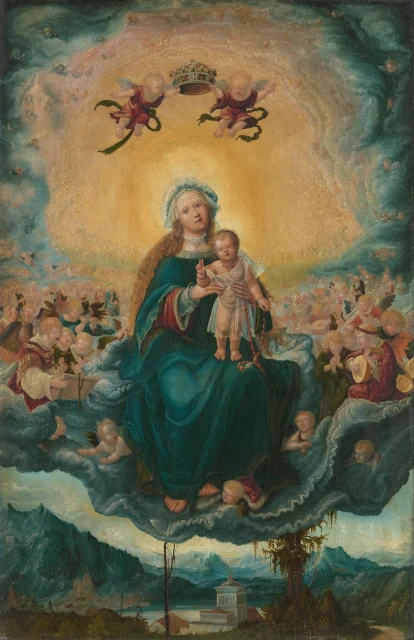 Virgin and Child in GloryAlbrecht Altdorfer, 1518