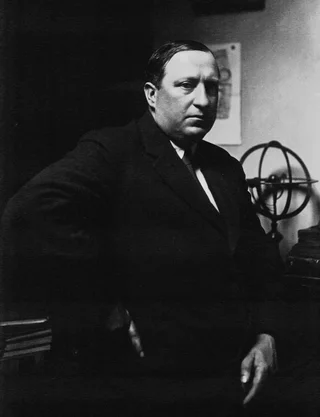
André Derain
1880–1954 · France · Fauvism
The story
In the summer of 1905, André Derain and Henri Matisse set up easels side by side in the small Mediterranean port of Collioure and spent months painting with color straight from the tube, red seas, orange trees, blue shadows on faces, with little attempt at describing the real thing. When the results went on show at the Salon d'Automne that autumn, the critic Louis Vauxcelles walked into a room hung with their canvases around a conventional bronze statue and called it Donatello among the wild beasts. The name les fauves stuck to the movement Derain had just co-founded.
Fauvism itself lasted barely three years. By 1910, Derain had turned toward the discipline of Cézanne and the Italian old masters, and after the First World War he became a leading voice of the so-called return to order, painting in a deliberately classical, subdued style that had little left of Collioure's color.
That later reputation for restraint made his choices in the 1940s more damaging than they might otherwise have been. In 1941, Derain accepted an invitation from Nazi Germany to travel to Berlin along with other French artists, a trip the occupying authorities used for propaganda at home. He was never formally tried after the war, but the association shadowed the rest of his career. He died in September 1954, at 74, after being struck by a car near Paris.
More articles
Works
19 works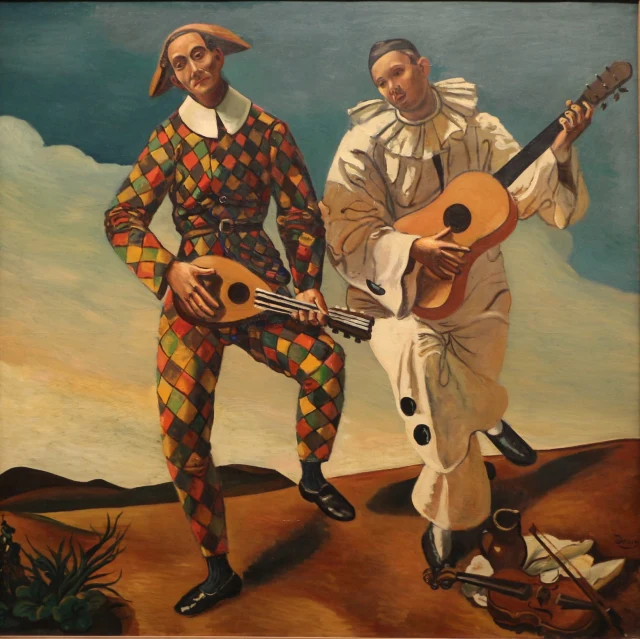 Harlequin and PierrotAndré Derain, 1924
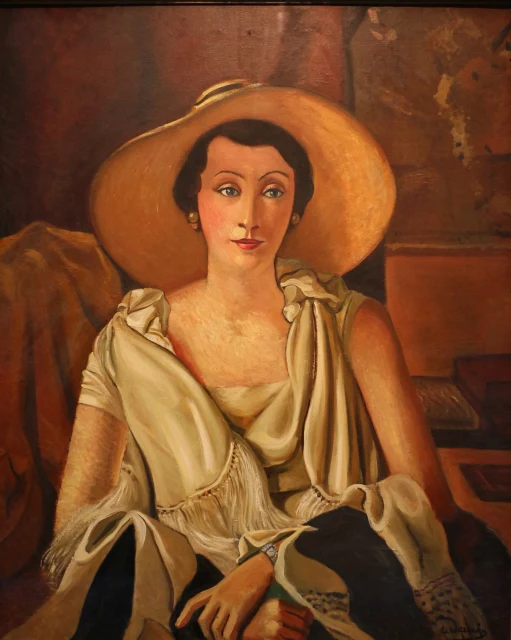 Portrait of Madame Paul Guillaume in a Large HatAndré Derain, 1928
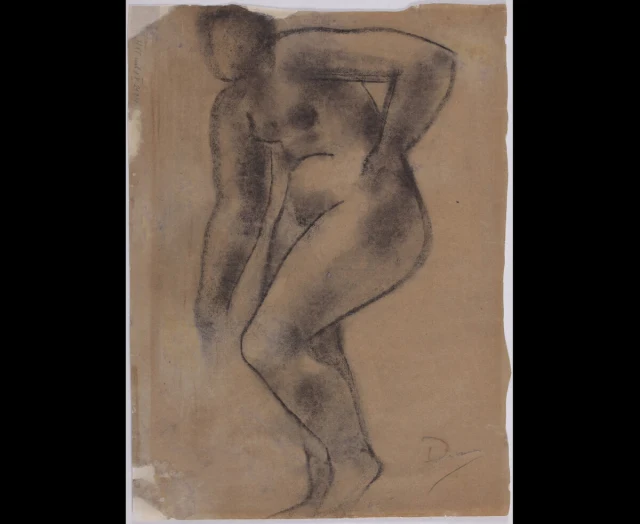 DrawingAndré Derain
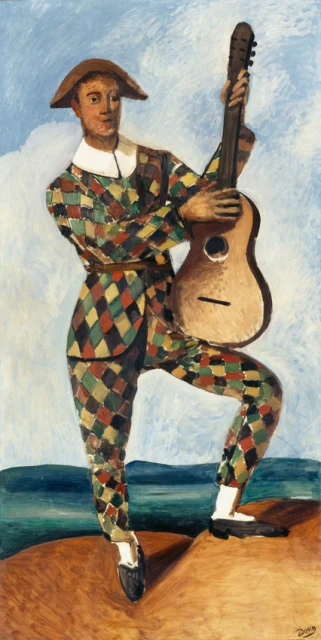 Harlequin with a GuitarAndré Derain, 1924
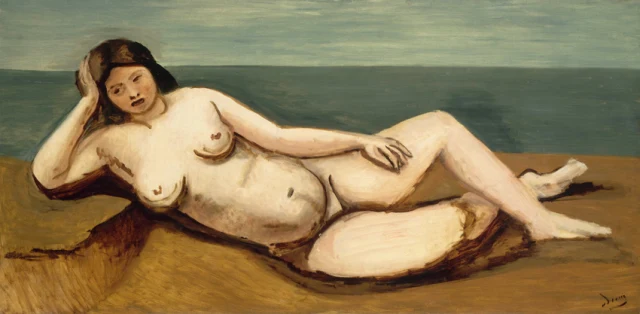 Large Reclining NudeAndré Derain, 1926
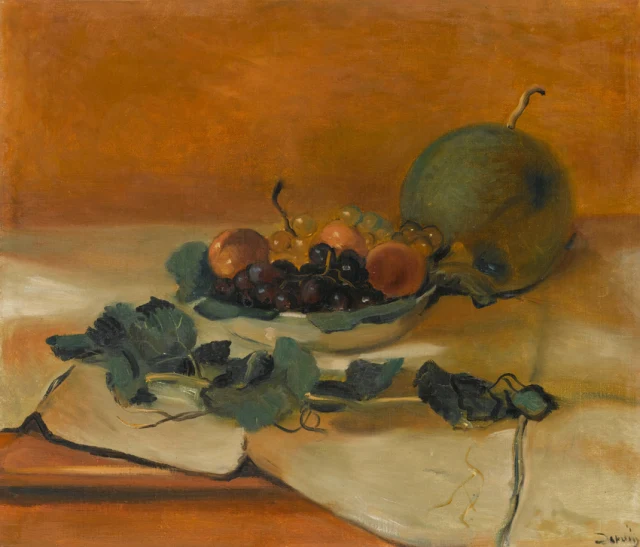 Melon and FruitAndré Derain, 1927
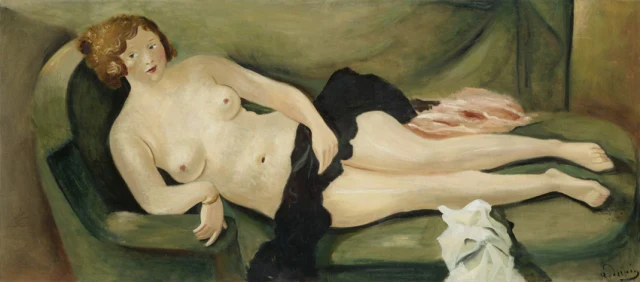 Nude on a SofaAndré Derain, 1929
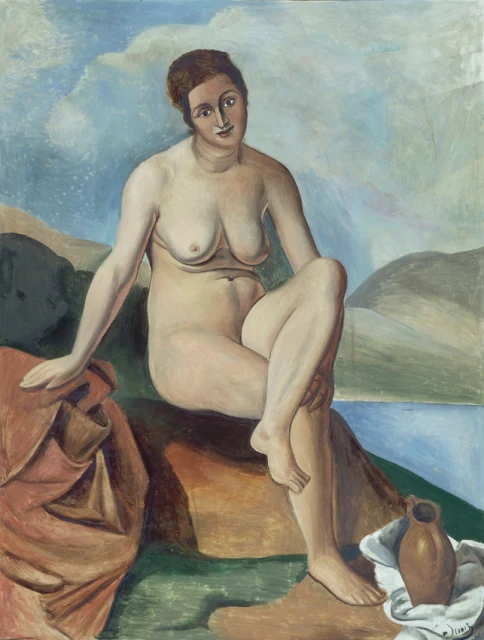 Nude with a JugAndré Derain, 1925
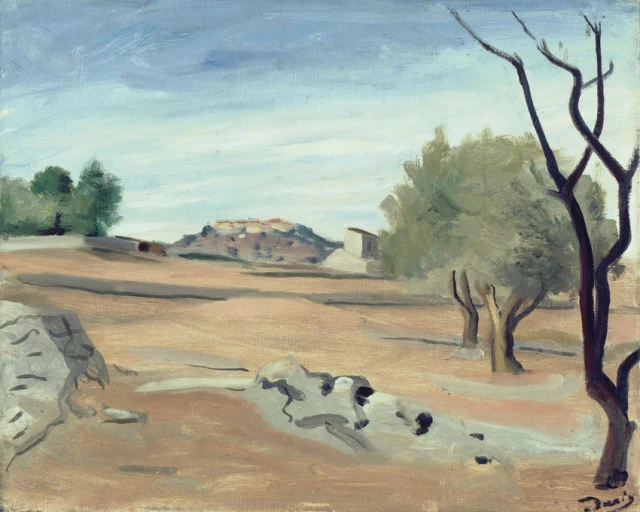 Provence LandscapeAndré Derain, 1930
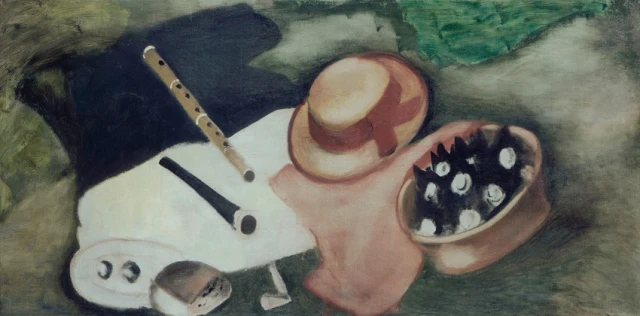 Rustic Still LifeAndré Derain, 1921
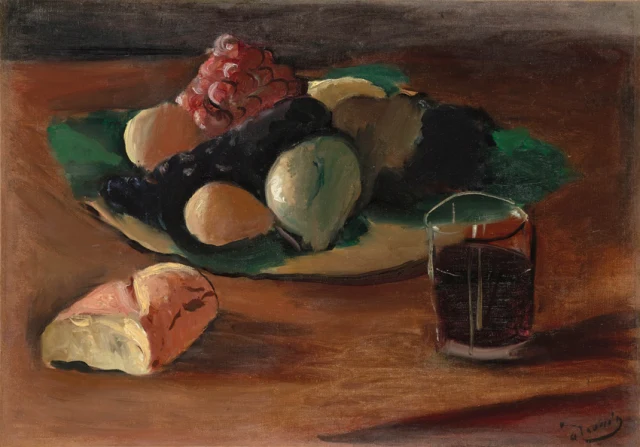 Still Life with a Glass of WineAndré Derain, 1928
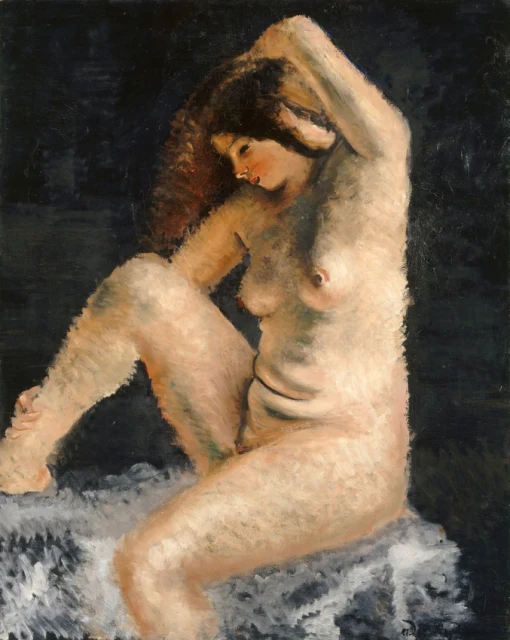 The Beautiful ModelAndré Derain, 1923
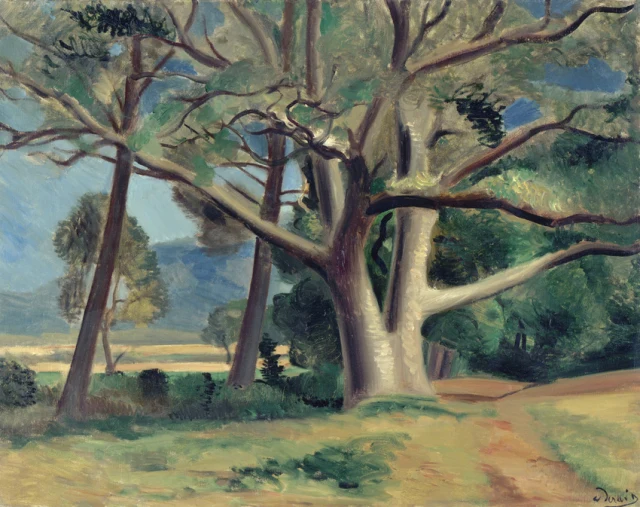 The Big TreeAndré Derain, 1929
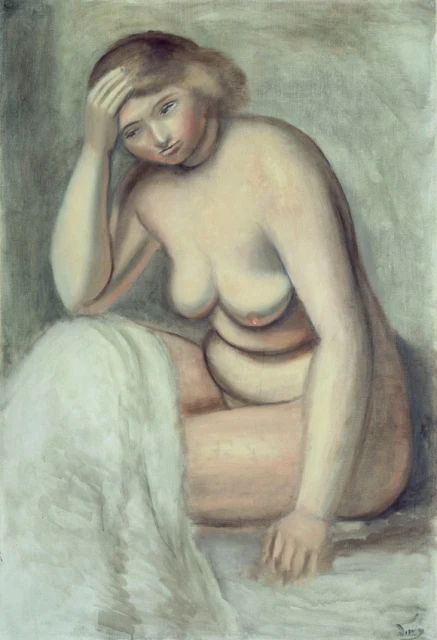 The Blonde ModelAndré Derain, 1924
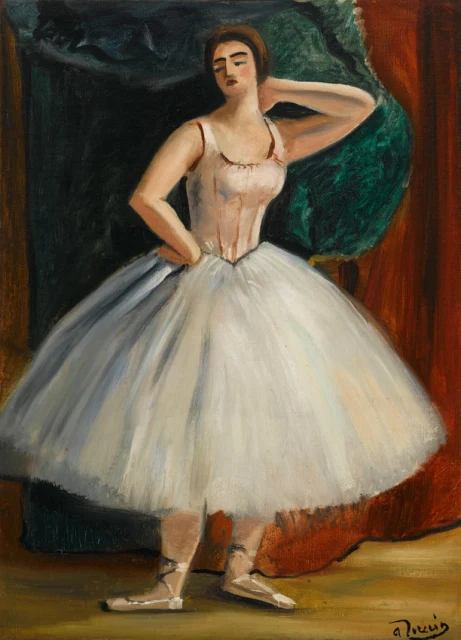 The Dancer SoniaAndré Derain, 1926
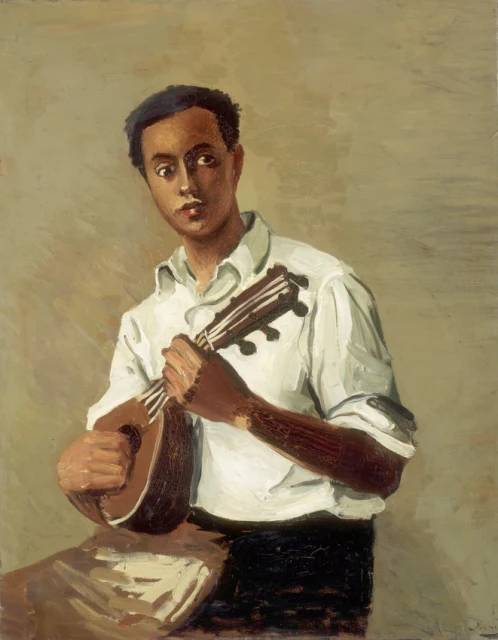 The Mandolin PlayerAndré Derain, 1930
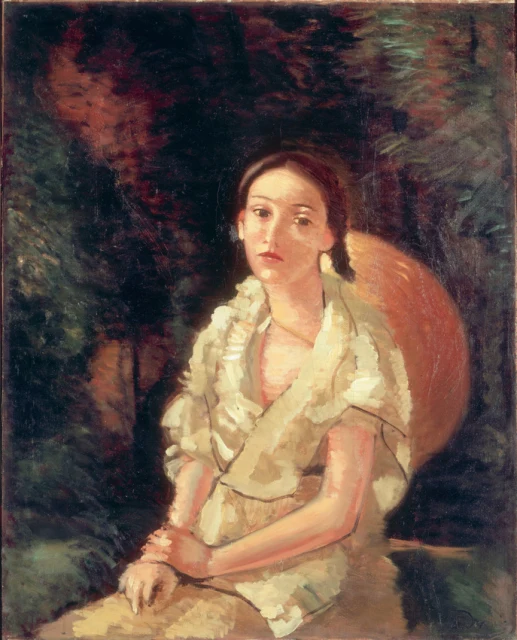 The Painter's Niece SeatedAndré Derain, 1931
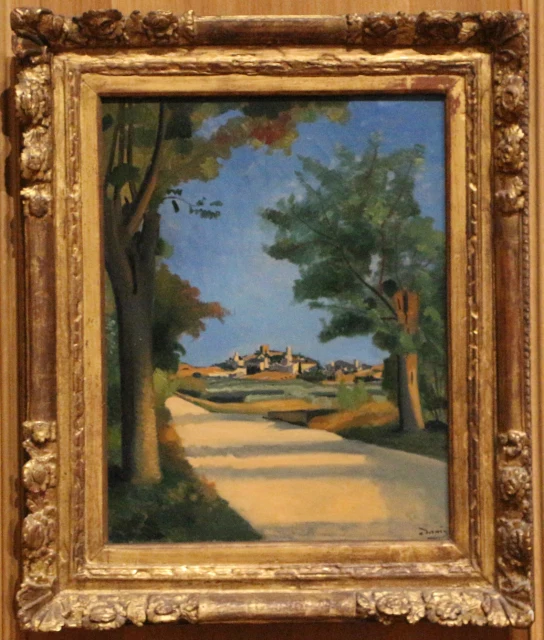 The RoadAndré Derain, 1932
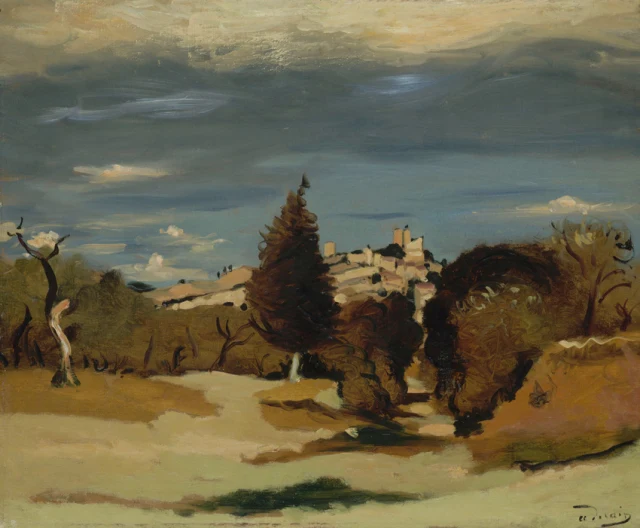 Trees and VillageAndré Derain, 1932