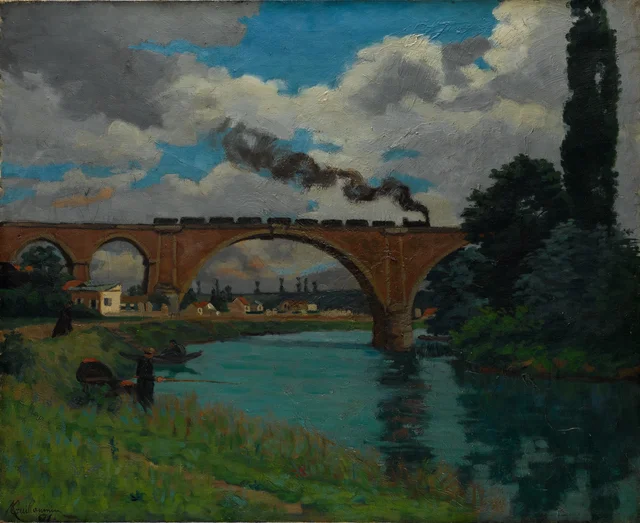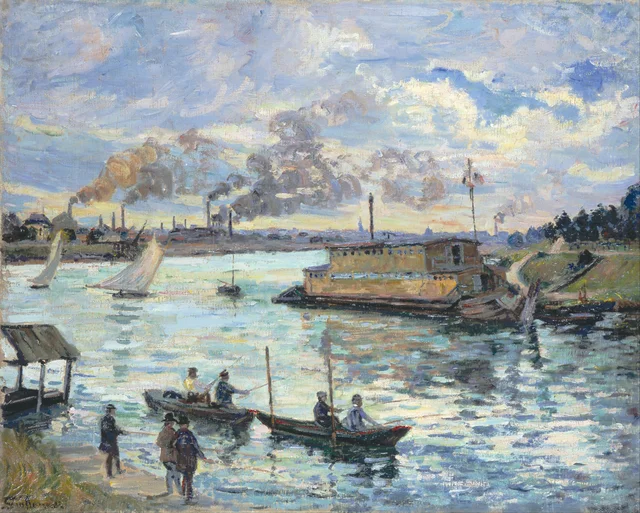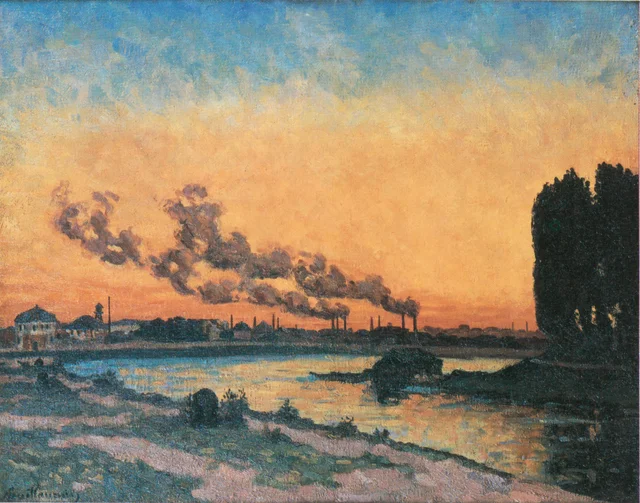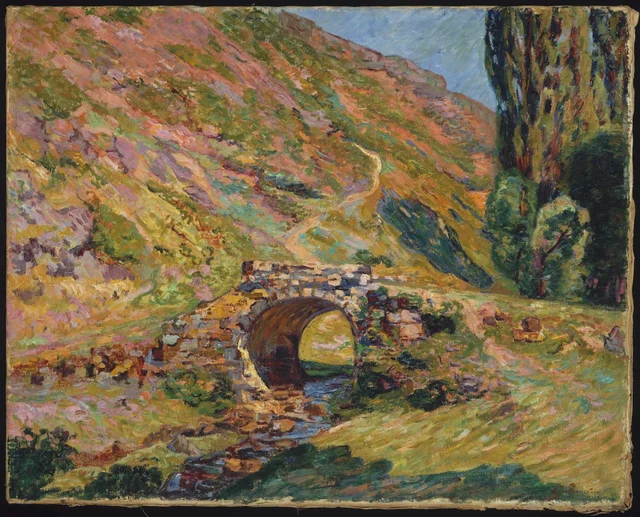
Armand Guillaumin
1841–1927 · France · Impressionism
The story
In 1891 Armand Guillaumin, a working Impressionist in his fifties, won 100,000 francs in a state lottery. For the first time in his life he could quit his day job with the Paris bridges-and-roads department and simply paint, which he then did for another 35 years.
He had been in the movement from the start, one of the exhibitors at the first Impressionist show in 1874, and close to Camille Pissarro and the young Paul Cezanne, with whom he painted along the Seine. He is the quiet name on those group lists, overshadowed by his friends.
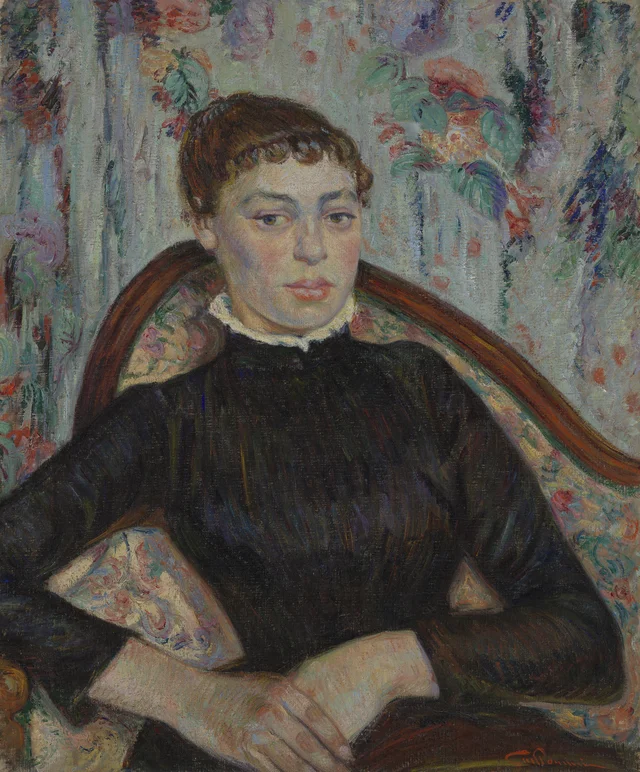
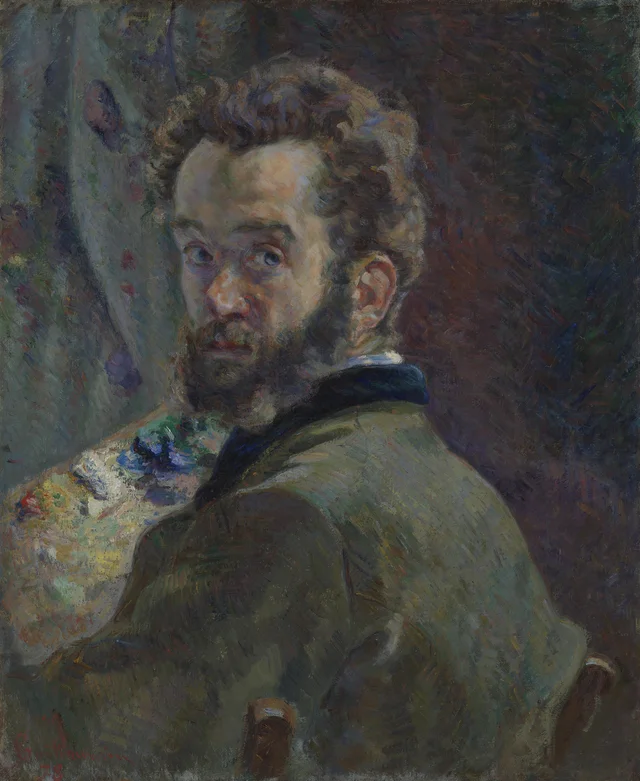
What sets his later work apart is colour pushed almost to the edge of good taste, hot oranges and acid greens in landscapes of the rocky Creuse valley and the Mediterranean coast at Agay. Younger painters noticed. The Fauves, who a decade later built pictures out of raw colour, treated Guillaumin as an elder who had got there early.