Auguste Rodin
1840–1917 · France · Modern art
The story
In 1877 a little-known sculptor of 36 showed a life-size male nude in Brussels and then Paris, and the praise curdled into an accusation. The body was so exactly, breathingly real that critics decided Rodin must have cheated, that he had moulded the plaster straight onto a living model instead of sculpting it. The charge, called surmoulage, was close to fraud. Rodin was furious, demanded an inquiry, produced witnesses and photographs of his model, a young Belgian soldier, and was cleared. The scandal made his name.
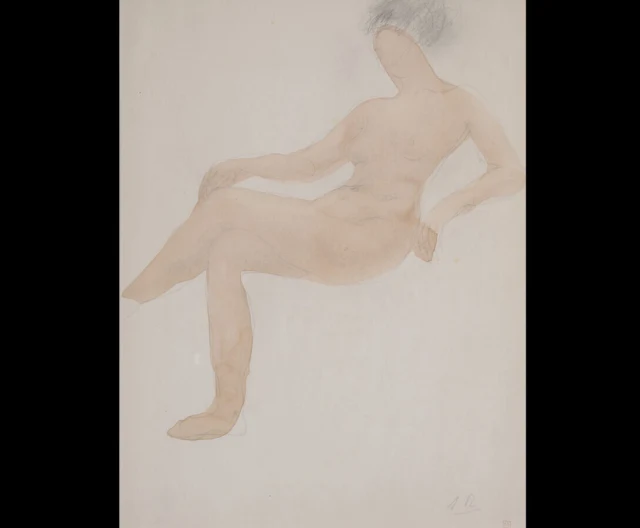
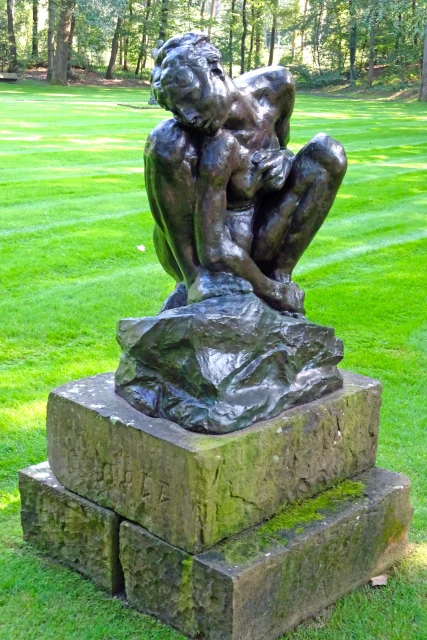
The realism was the whole point. Rodin worked flesh and muscle the way earlier sculptors had not dared, leaving thumb-marks and rough patches so the surface seemed to shift under light. In 1880 the French state gave him a commission that would occupy him for the rest of his life: a great bronze door for a planned museum, its subject the damned of Dante's Inferno. He never finished the Gates of Hell, but out of the swarm of figures crawling over it he lifted single characters and enlarged them on their own. One brooding seated man, first meant to be the poet Dante looking down on the torment, became The Thinker.
Not every risk was rewarded. Asked in 1891 for a monument to the novelist Honore de Balzac, Rodin spent years and delivered a rough, looming figure wrapped in a dressing gown, the writer's features barely there. The literary society that ordered it rejected it outright as a shapeless mess, and Rodin took the plaster home. It was cast in bronze and set up in public only in 1939, more than 20 years after his death, on the Boulevard Raspail in Paris, where it still stands.