Carlo Maratta
1625–1713 · Papal States · Baroque, Classicism, Late Baroque
The story
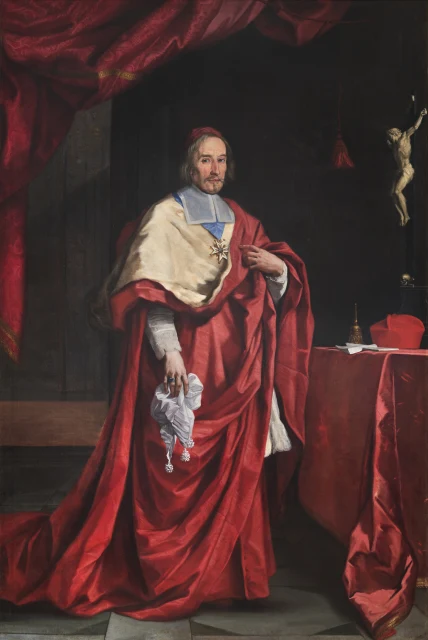
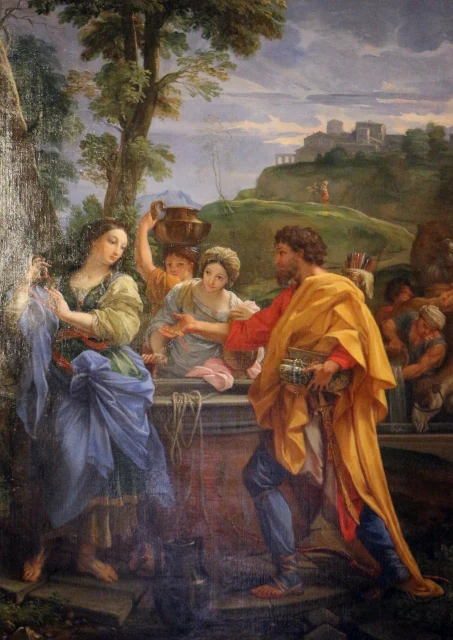
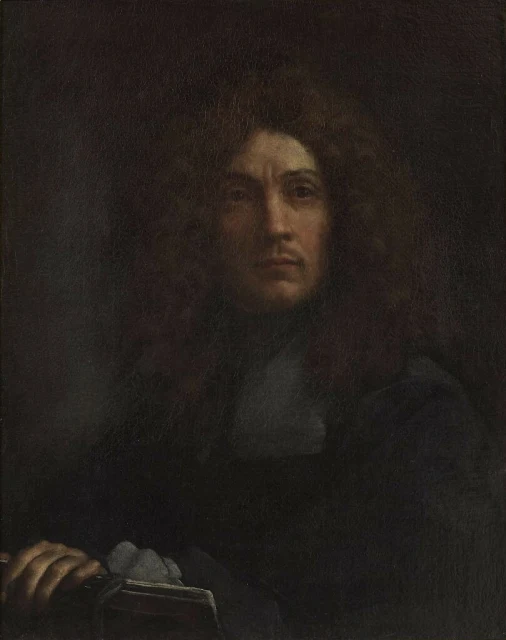
For the second half of the 17th century, if you wanted a great altarpiece painted in Rome, you went to Carlo Maratta. He had trained under Andrea Sacchi, a painter who believed a picture should be calm, clear and carefully composed, and Maratta carried that classical restraint forward while the Baroque around him grew ever more extravagant.
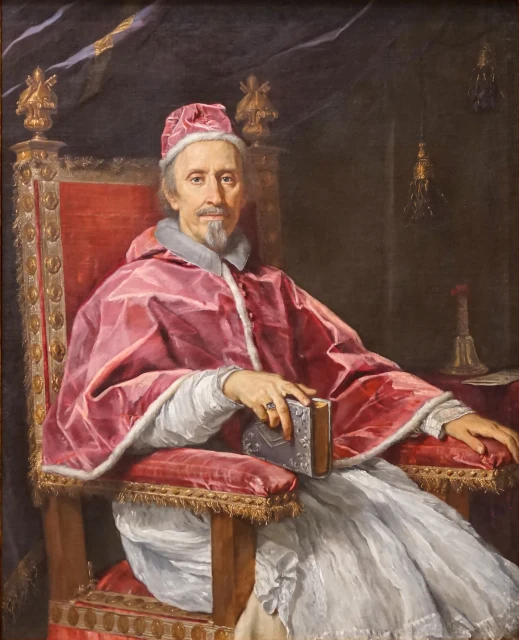
Pope Alexander VII noticed him early, and from then on the commissions barely stopped. Maratta painted for eight popes in succession and turned out so many tender images of the Virgin that Romans nicknamed him Carluccio delle Madonne, little Carlo of the Madonnas.
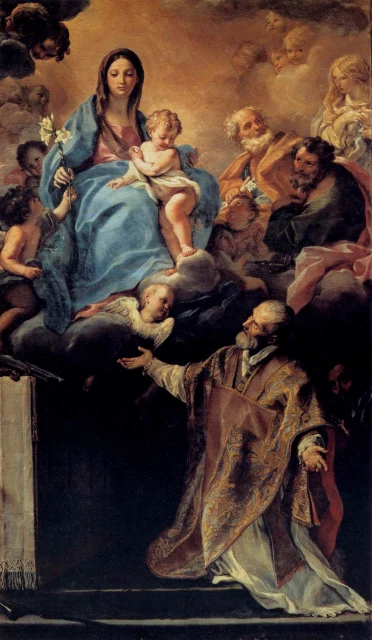
Because so much of his work was made for particular churches and chapels, a great deal of it is still exactly where he left it, above the altars it was designed for, rather than in museums. His painting of the Virgin appearing to Saint Philip Neri, the priest who founded the Oratorians in Rome, hangs in the church of Santa Maria in Vallicella, where Neri himself had lived and prayed.