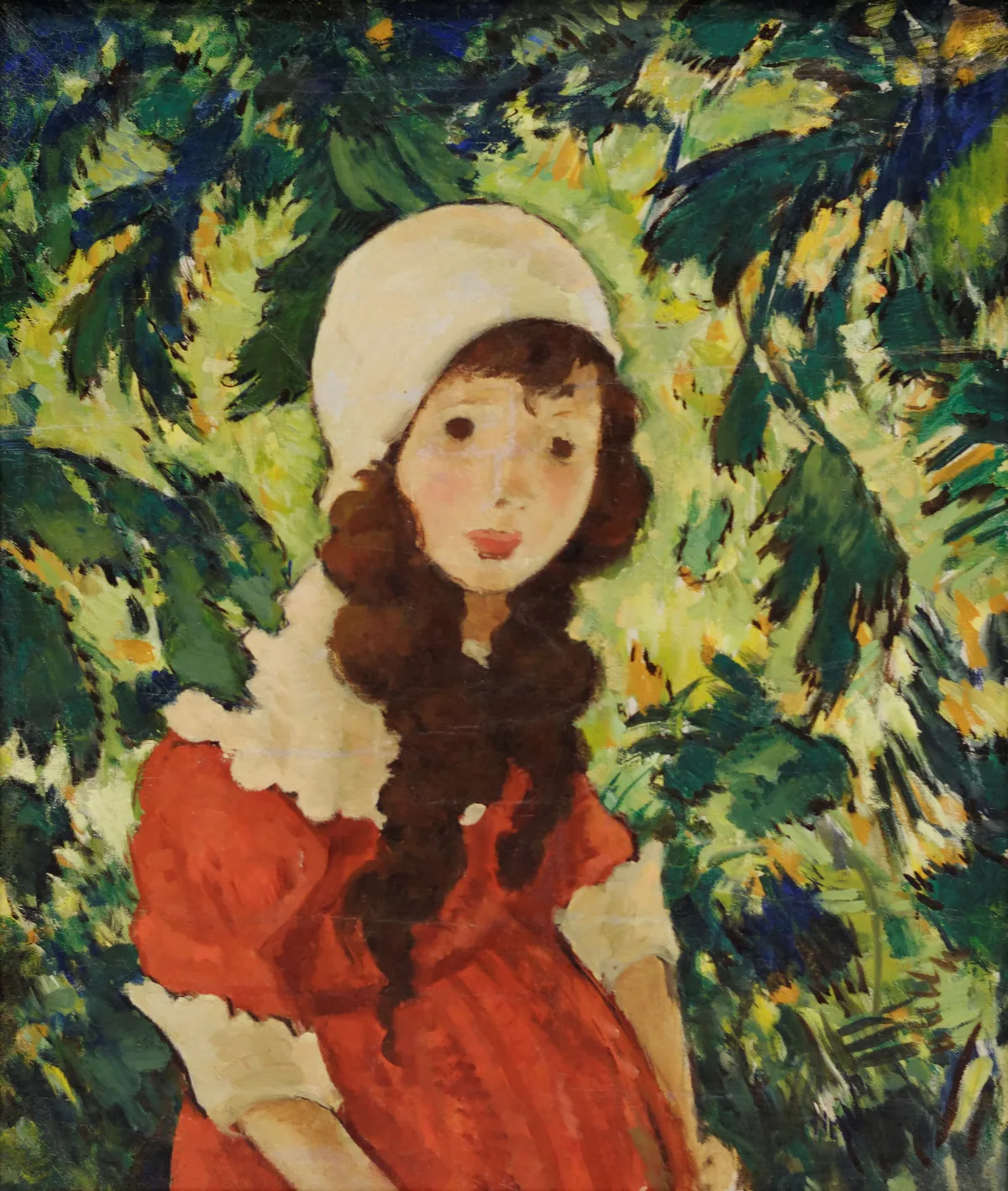
Dimitrie Paciurea
1873–1932 · Romania · Symbolism, Art Nouveau
The story
In Carol Park in Bucharest, two stone giants stand on either side of the main path, each about 3.5 metres tall, their bodies twisted as if straining against something. They were carved for the great exhibition of 1906, held to mark 40 years of King Carol I's reign, and one of them was the first commission Dimitrie Paciurea received after coming home from Paris. The theme came from a legend by Carmen Sylva, the poet-queen of Romania, about twin brothers who turned to stone after the woman they both loved leapt into an abyss.
Paciurea was born in Bucharest, the son of a civil servant, and trained there before spending the late 1890s in Paris at the decorative arts school and the École des Beaux-Arts. Back home he became a professor at the Bucharest School of Fine Arts in 1909, and a generation of Romanian sculptors passed through his studio, among them Ion Jalea and Cornel Medrea. He is often set beside his contemporary Constantin Brâncuși, the Romanian sculptor who settled in Paris. Brâncuși pared forms down toward abstraction. Paciurea kept the human figure and loaded it with myth and symbol.
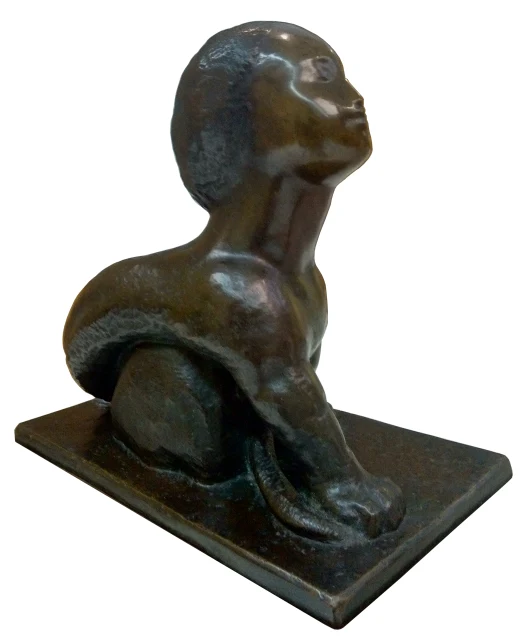
His most personal work came late. Between 1926 and 1928 he made most of a cycle of Chimeras, hybrid creatures that are part woman and part fantastic animal, with titles such as the Chimera of the Air, the Chimera of the Water and the Chimera of the Night. They mix Greek myth with Romanian folk belief, and the Chimera of the Air won him the national prize for sculpture in 1927. Paciurea died in Bucharest in 1932, and today a room of the National Museum of Art of Romania is given over largely to his Chimeras.