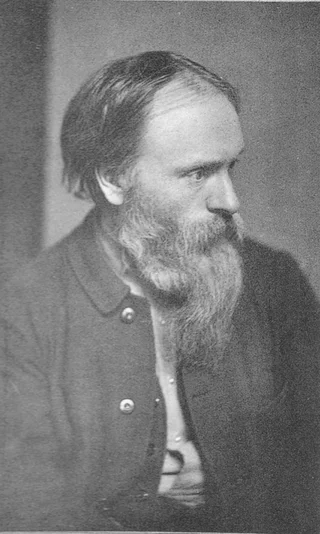
Edward Burne-Jones
1833–1898 · United Kingdom of Great Britain and Ireland · Pre-Raphaelite Brotherhood
The story
Edward Burne-Jones filled Victorian England with a world that never existed, all pale knights, sleeping princesses and stairways going nowhere. He came to art late and largely self-taught, meeting the older painter Dante Gabriel Rossetti at Oxford and falling under the spell of the Pre-Raphaelites, who wanted to recover the clarity and feeling of art from before Raphael.
His mature pictures drift out of ordinary time. In The Golden Stairs a line of solemn young women in grey descend an unexplained staircase carrying instruments, going nowhere in particular. In King Cophetua a king lays his crown at the feet of a beggar maid. Nothing is quite happening, and that dreamy suspension is the point.
His lifelong friend was the designer William Morris, and together they remade the decorative arts. Burne-Jones supplied the figures for Morris's firm, designing stained glass for churches and cartoons for tapestries and books, so his tall, wistful figures ended up in windows across Britain. He was made a baronet and died in London in 1898, and his stained glass still lights parish churches he never set foot in.
Works
10 works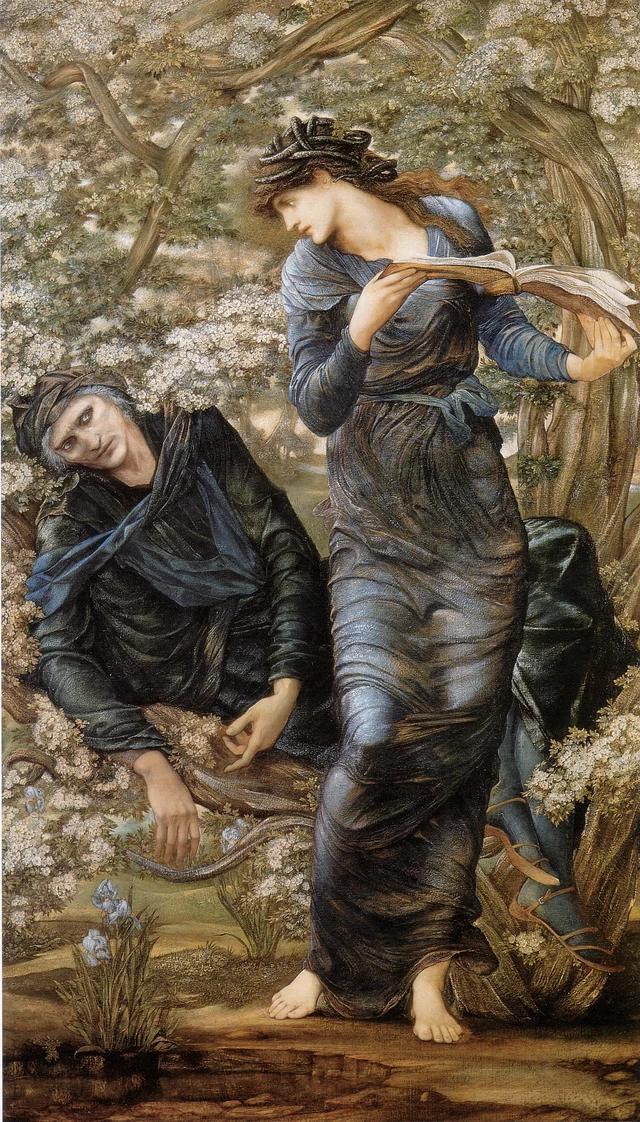 The Beguiling of MerlinEdward Burne-Jones, 1872
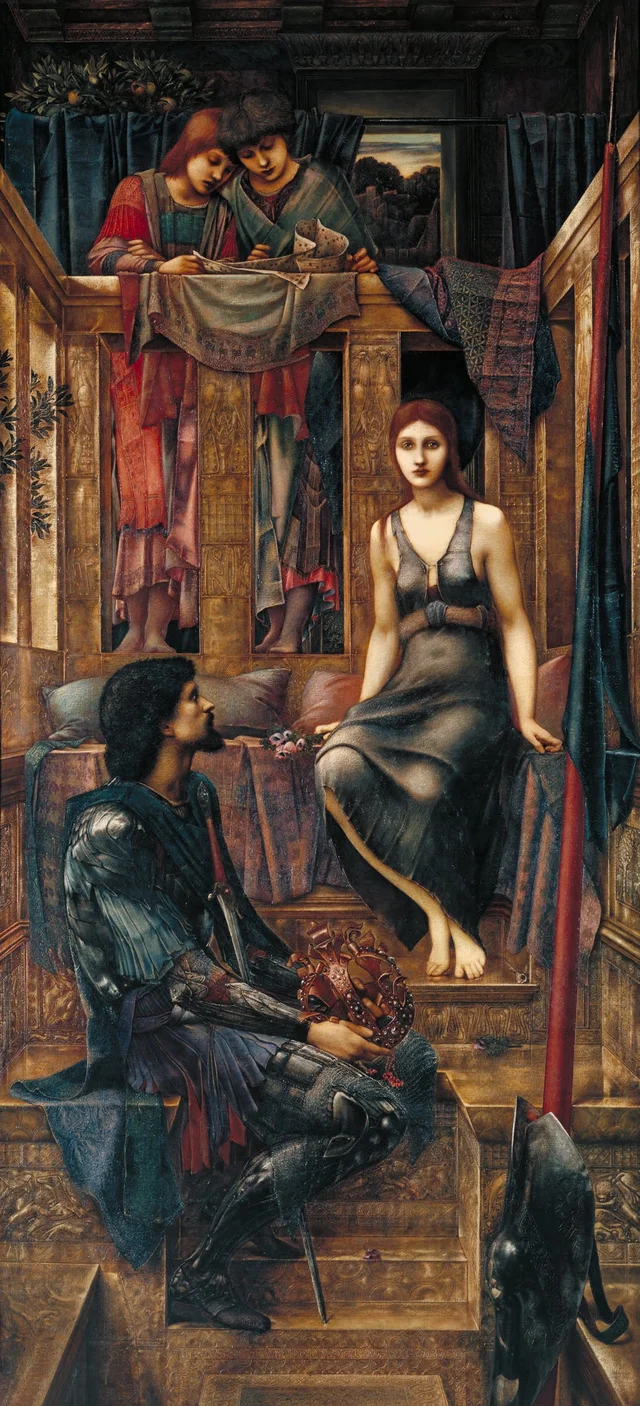 King Cophetua and the Beggar MaidEdward Burne-Jones, 1884
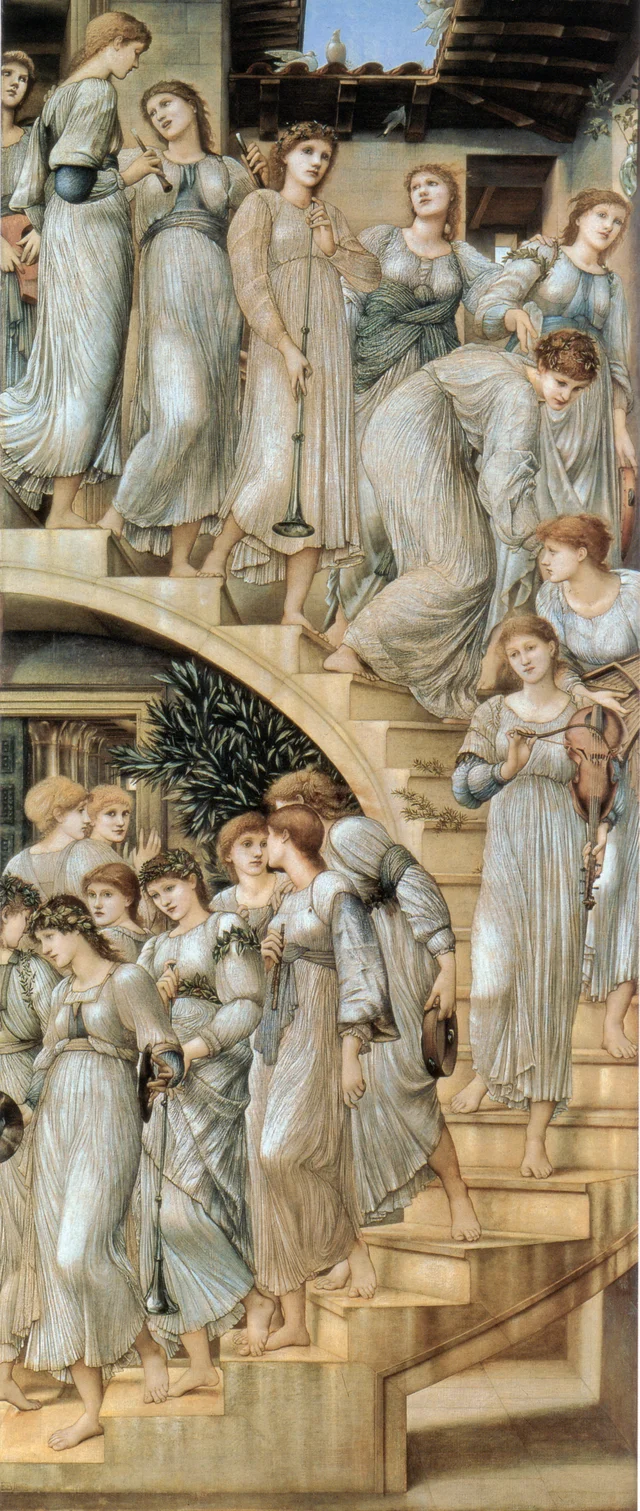 The Golden StairsEdward Burne-Jones, 1880
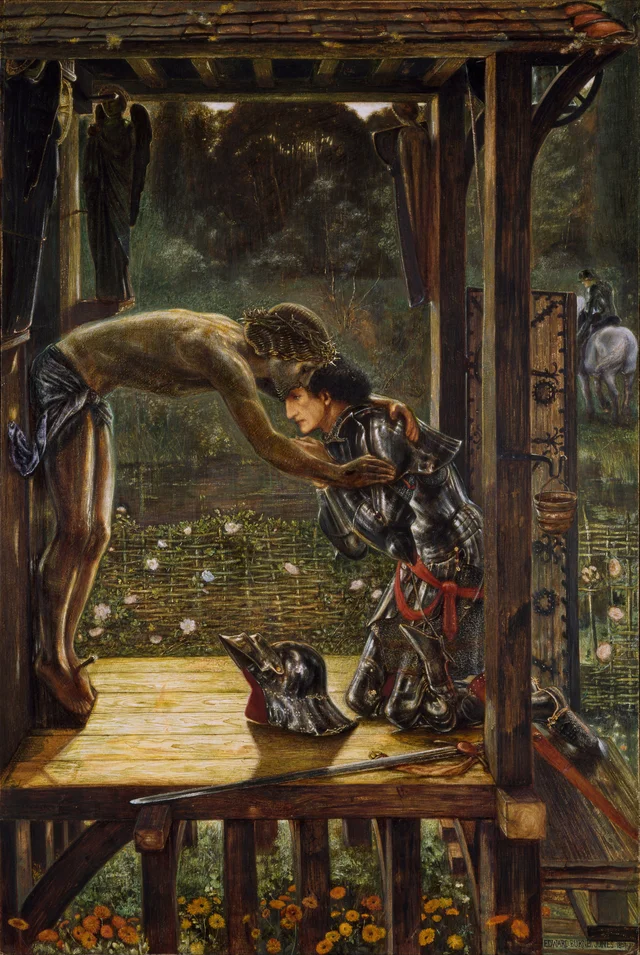 The Merciful KnightEdward Burne-Jones, 1863
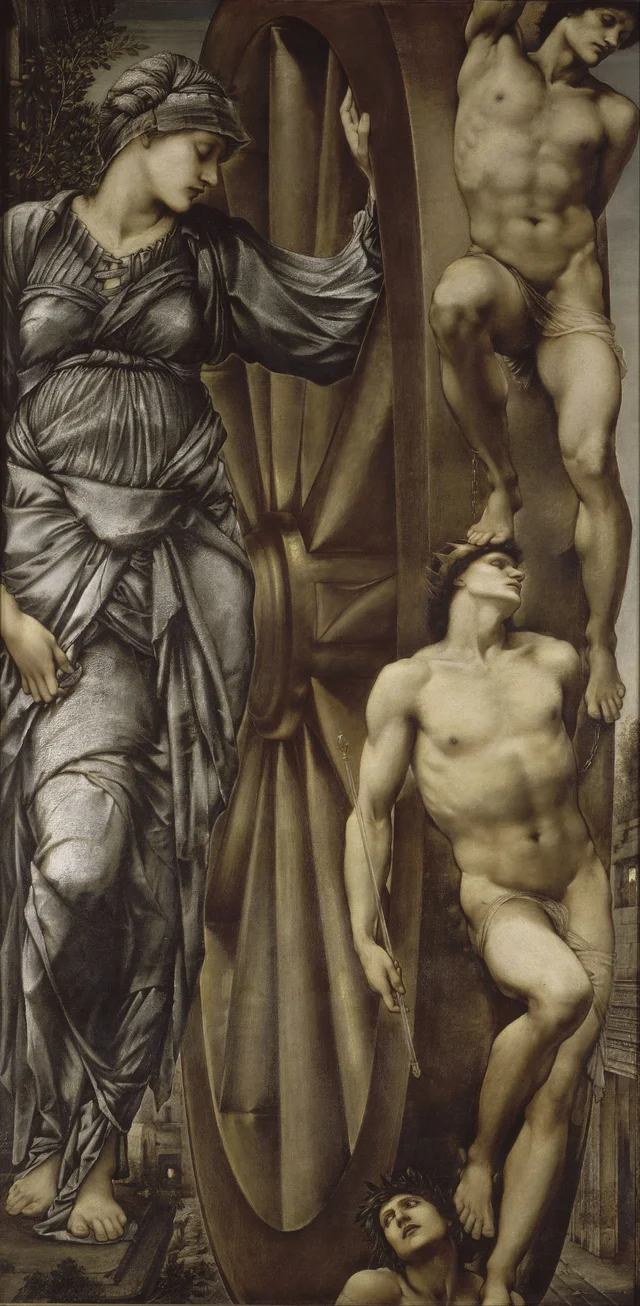 The Wheel of FortuneEdward Burne-Jones, 1883
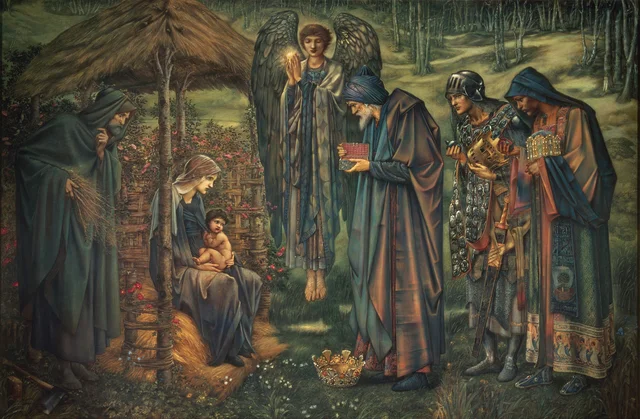 Star of BethlehemEdward Burne-Jones, 1890
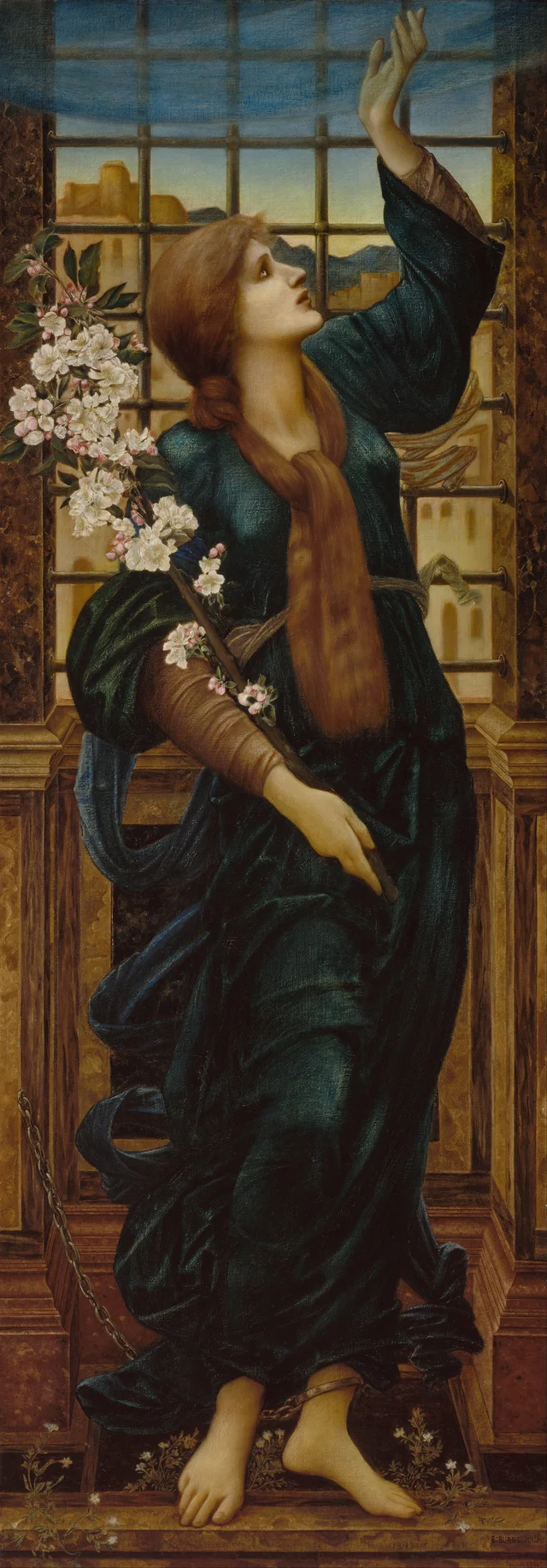 HopeEdward Burne-Jones, 1896
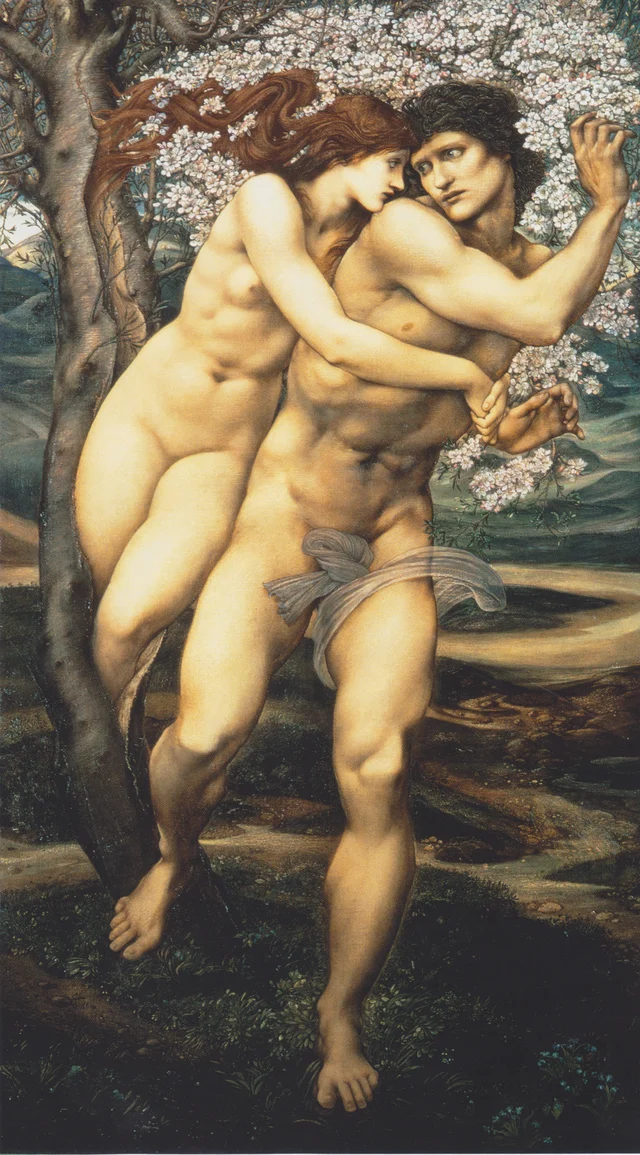 The Tree of ForgivenessEdward Burne-Jones, 1882
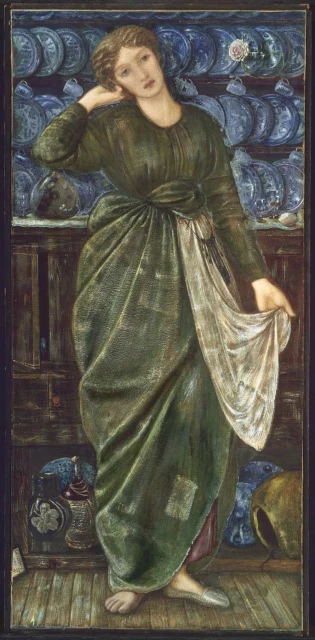 CinderellaEdward Burne-Jones, 1863
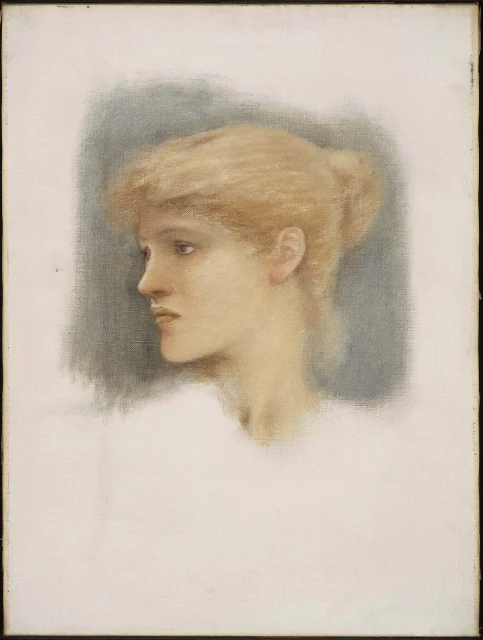 Study of a Young Woman's HeadEdward Burne-Jones, 1895