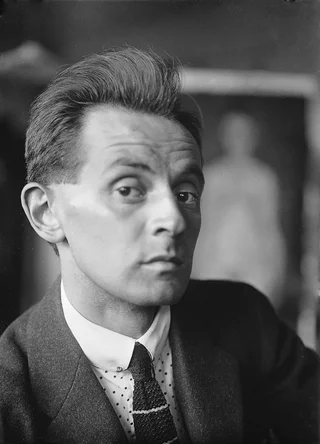
Egon Schiele
1890–1918 · Cisleithania · Expressionism
The story
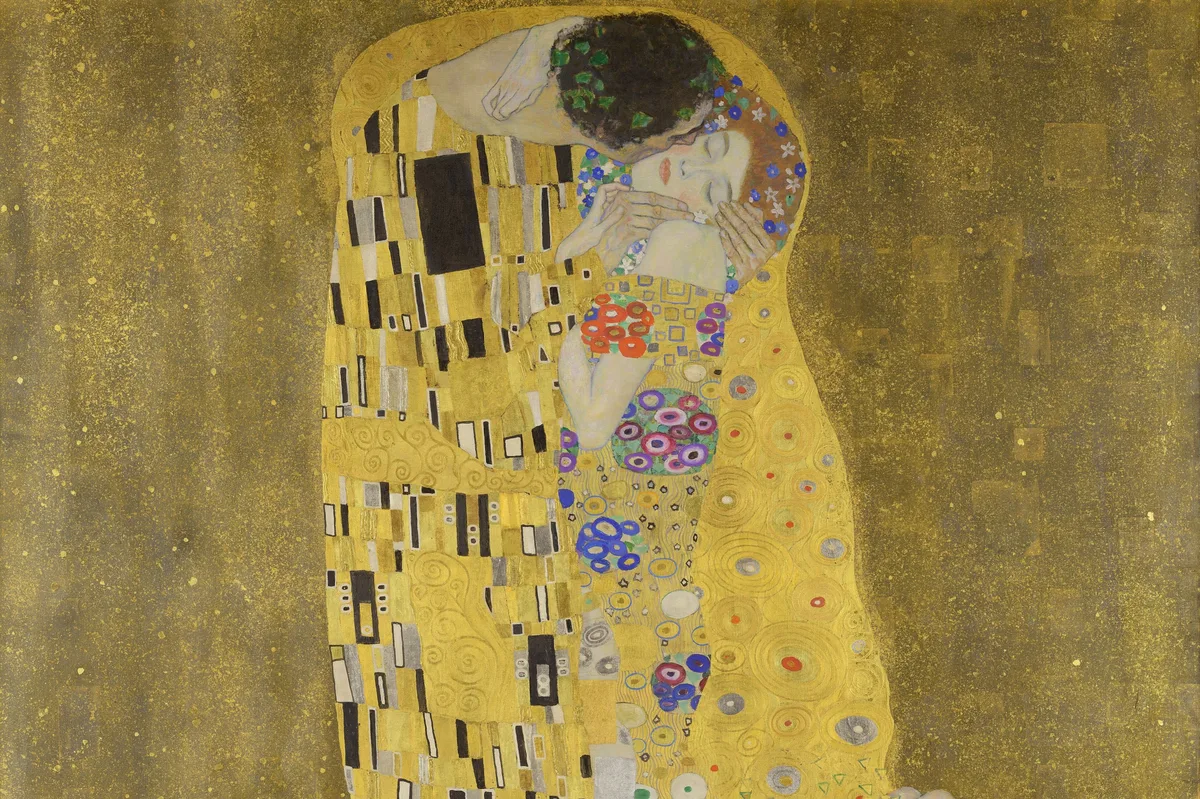
Egon Schiele was twenty-eight when he died, but he had already spent a decade making some of the most confrontational figure drawing of his era. He sought out the established Viennese painter Gustav Klimt in 1907, and Klimt, then at the height of his fame, took an unusual interest in the teenager, buying his drawings, trading his own work for them, and introducing him to patrons and models. Schiele absorbed Klimt's decorative line but pushed it toward something rawer, turning out angular, sexually explicit nudes and self-portraits that stripped away the ornamental gold surface Klimt was known for.
That explicitness caused him real trouble. In 1912, working in the small town of Neulengbach, he was arrested and jailed for twenty-four days after his erotic drawings were found accessible to local children and he was accused, though not convicted, of seducing a minor; a judge publicly burned one of his drawings in court. Schiele kept working through it, and by the war years his reputation and prices were rising, helped by a well-received 1918 exhibition of the Vienna Secession, the artists' group Klimt had co-founded, where Schiele showed as an established figure rather than an outsider.
Klimt died in February 1918. That same year the Spanish flu pandemic reached Vienna. Schiele's wife, Edith, six months pregnant, died of it on 28 October; Schiele died of the same illness three days later, on 31 October 1918, at twenty-eight.
More articles
Works
10 works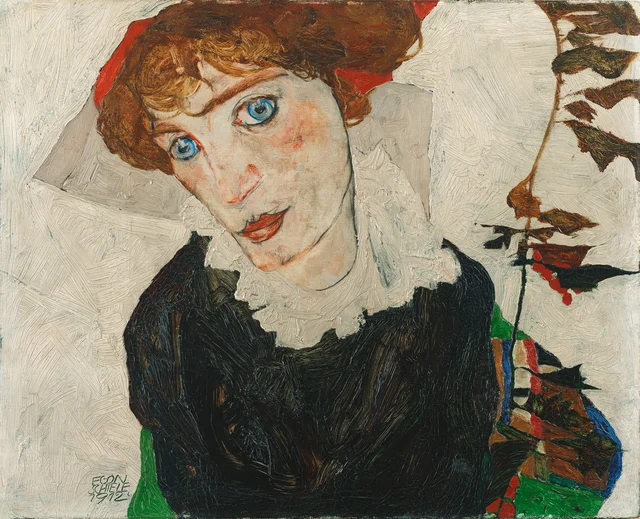 Portrait of WallyEgon Schiele, 1912
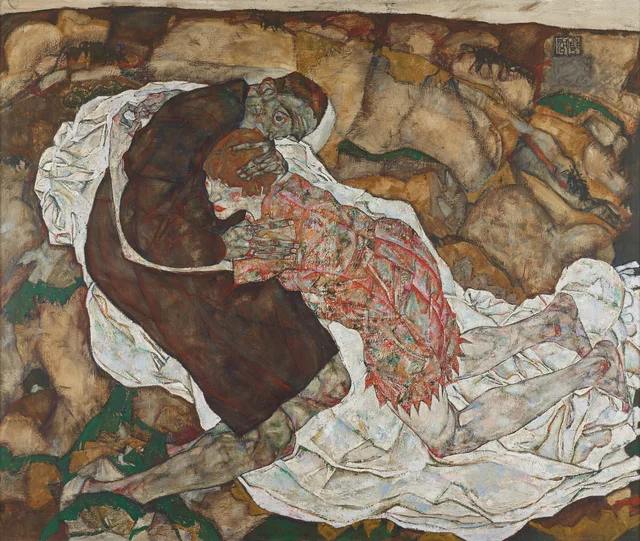 Death and the MaidenEgon Schiele, 1915
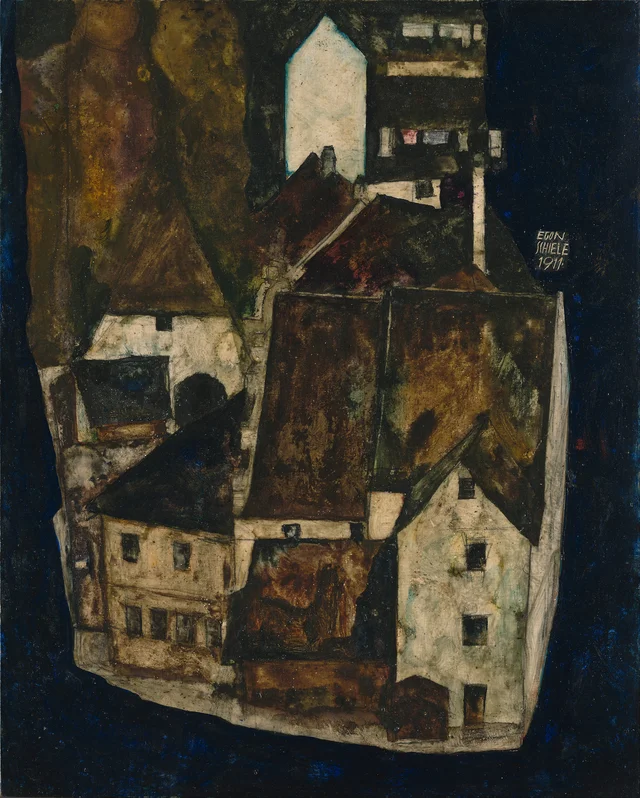 Dead City IIIEgon Schiele, 1911
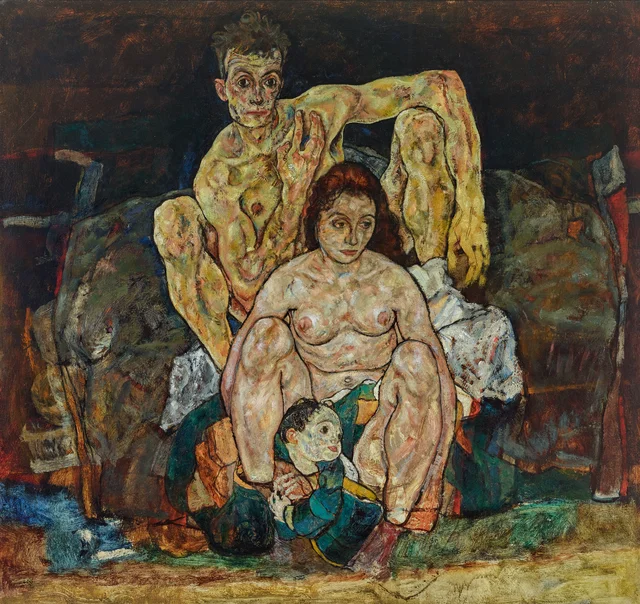 The FamilyEgon Schiele, 1918
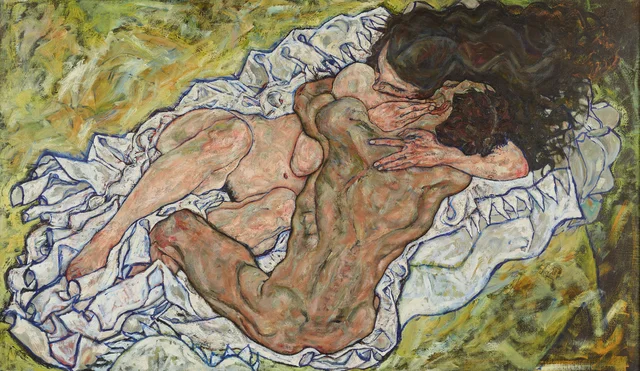 The embraceEgon Schiele, 1917
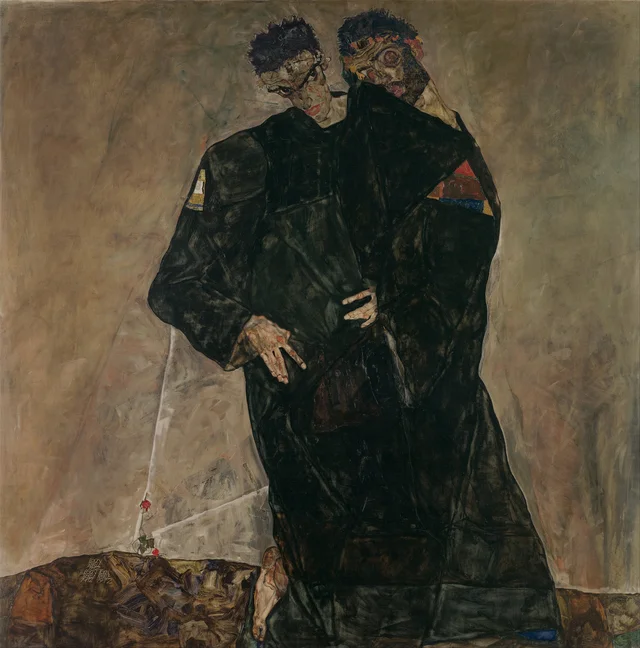 The HermitsEgon Schiele, 1912
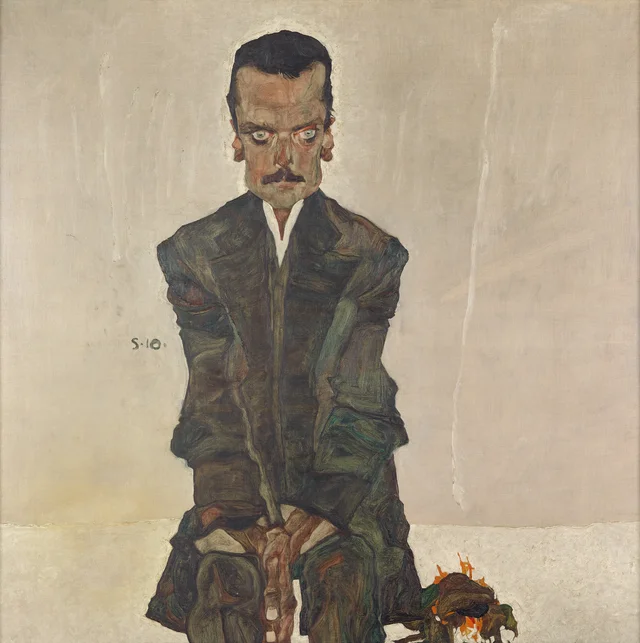 Eduard KosmackEgon Schiele, 1910
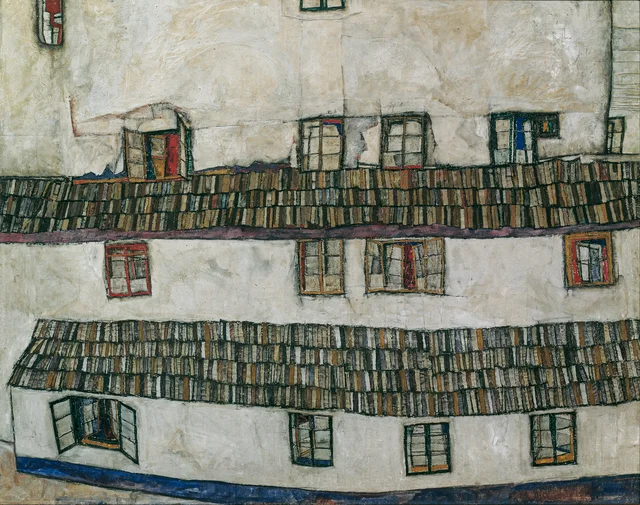 House wall (window wall)Egon Schiele, 1914
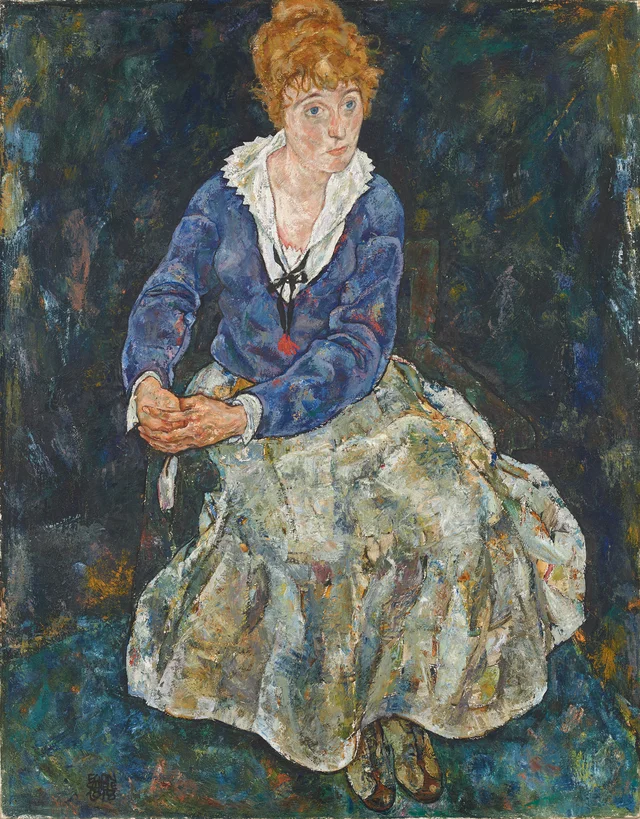 Portrait of the artist's wife, Edith SchieleEgon Schiele, 1918
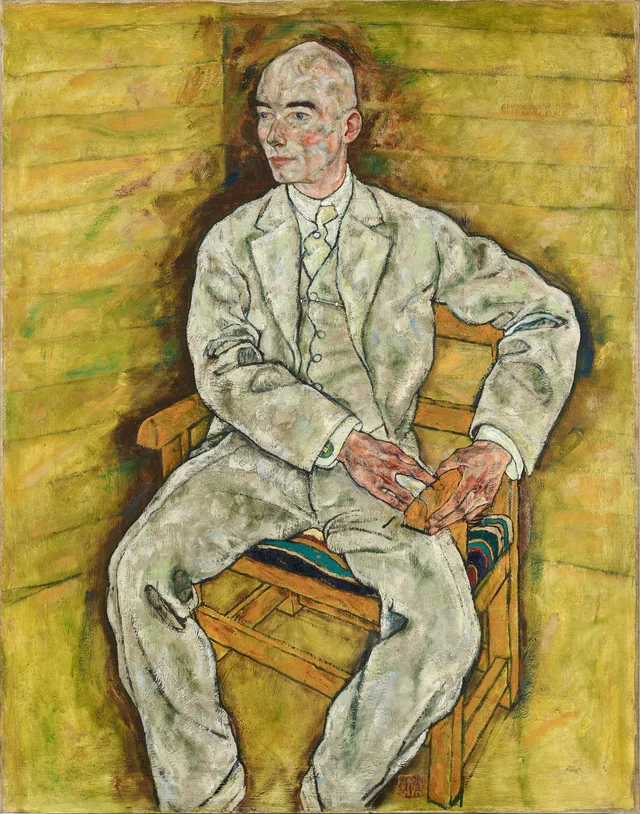 Portrait of Victor Ritter von BauerEgon Schiele, 1918