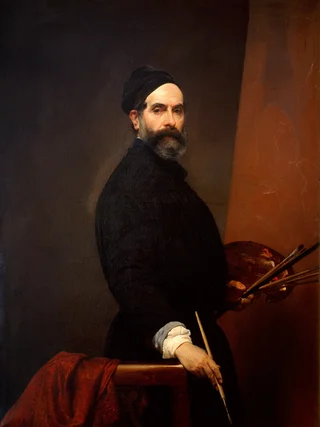
Francesco Hayez
1791–1882 · Kingdom of Italy · Romanticism, Troubadour style
The story
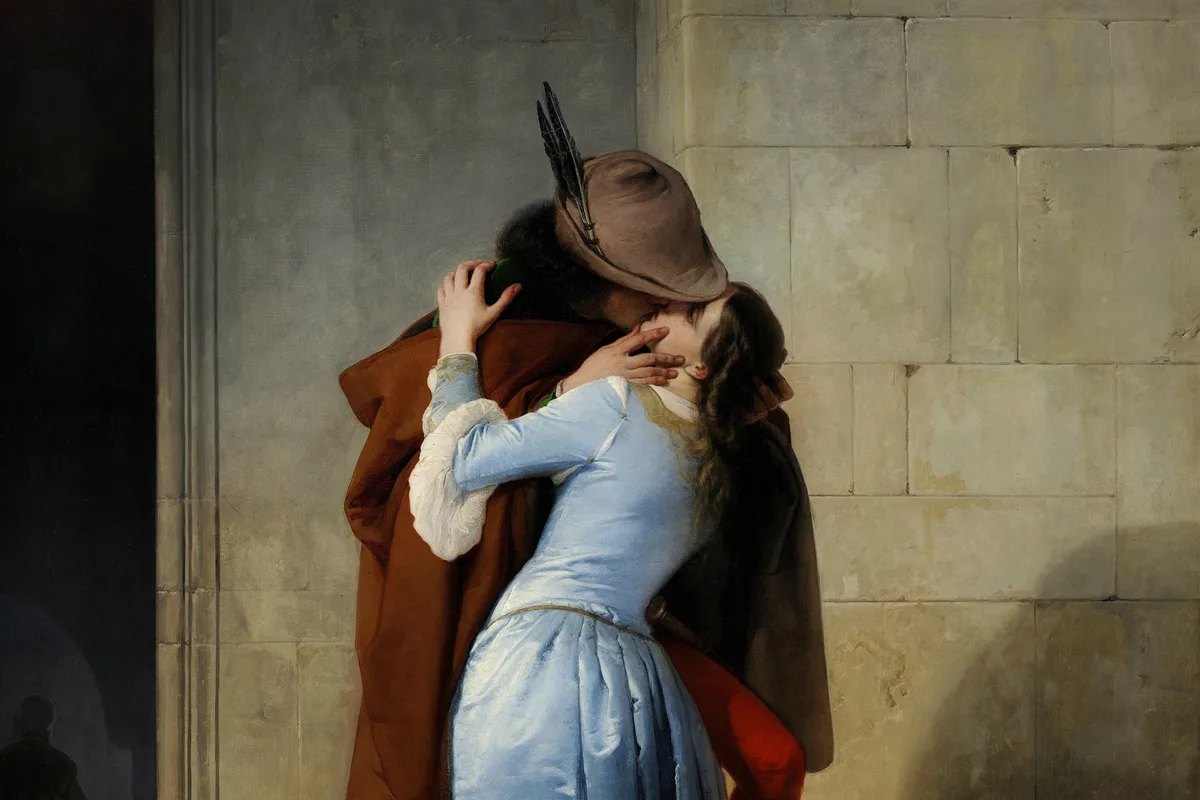
Stand in front of Hayez's most famous painting and you see a couple in a stairwell, a young man in a cloak bending a woman back into a kiss, his foot already on the step as if he has to go. Milanese audiences in 1859 read it as more than romance. The man is leaving to fight, and the picture came to stand for the Risorgimento, the movement to drive out Austria and unite Italy.
Hayez, born in Venice and long the leading Romantic painter in Milan, had learned to hide his politics inside history and love scenes, which let him slip past Austrian censors. He painted this one the same year a French and Piedmontese alliance beat the Austrians in Lombardy. Look at the colours of the two figures' clothes, the pale blue and white of the woman's dress against the red and green of the man: together they gather up the flags of France and of the coming Italian nation.
He returned to the composition more than once. The best-known version hangs in the Brera in Milan, the city where Hayez taught for decades and where he died in 1882, at the age of 91.
More articles
Works
21 works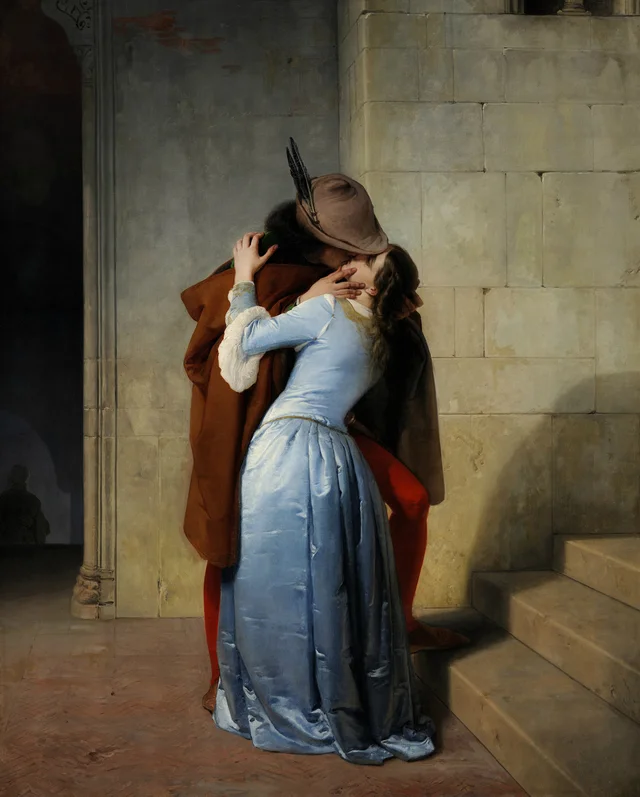 The KissFrancesco Hayez, 1859
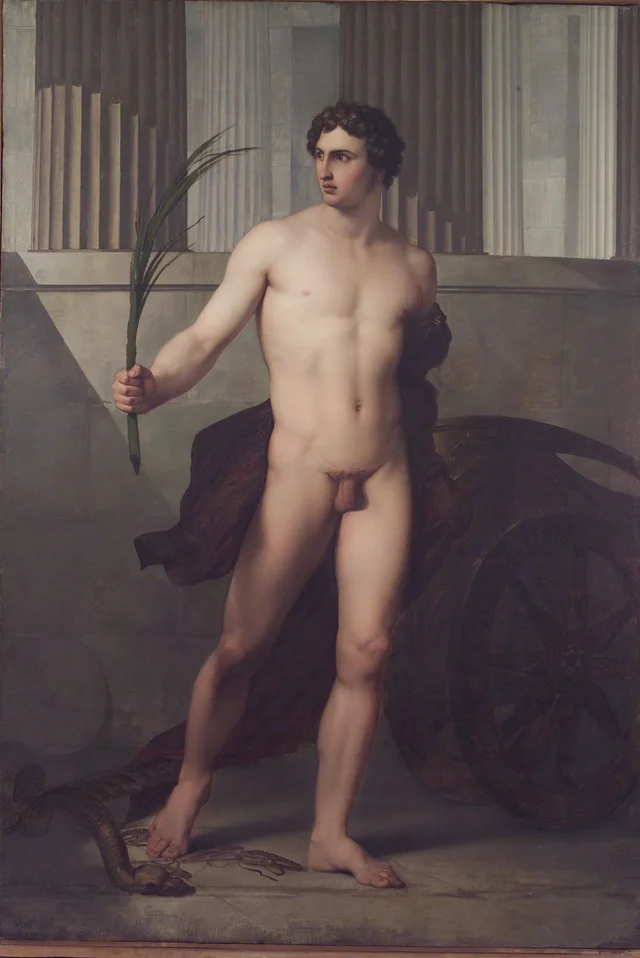 The Victorious AthleteFrancesco Hayez, 1813
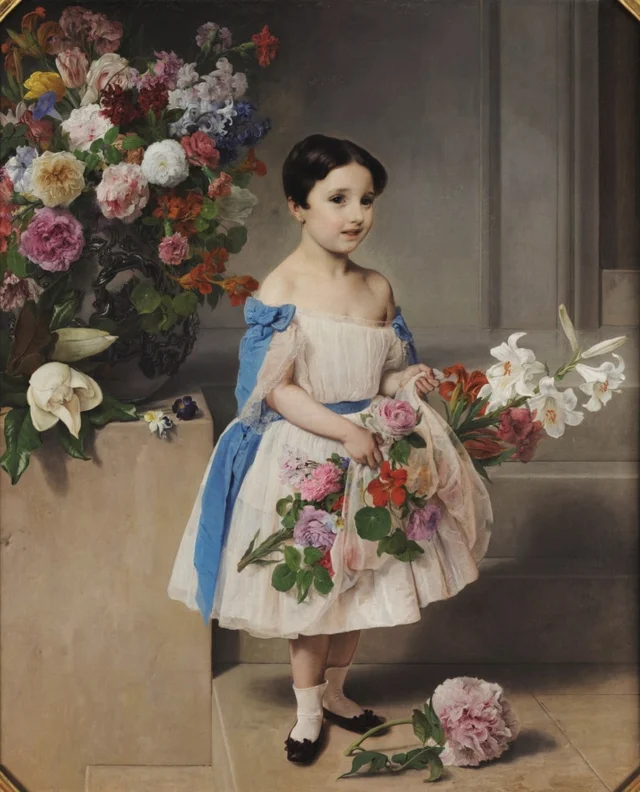 Ritratto della contessina Antonietta Negroni Prati Morosini bambinaFrancesco Hayez, 1858
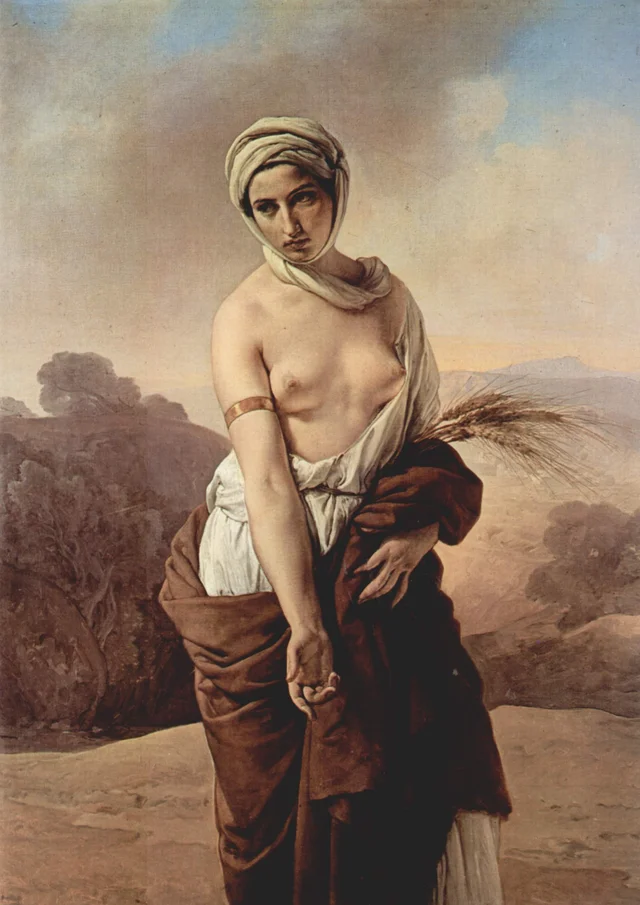 RuthFrancesco Hayez, 1853
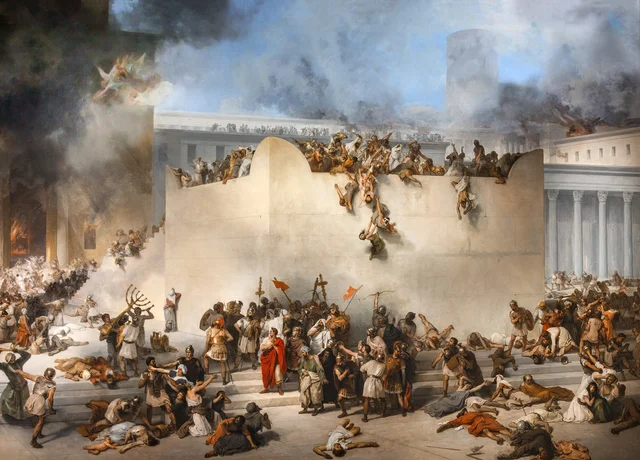 The destruction of the temple of JerusalemFrancesco Hayez, 1867
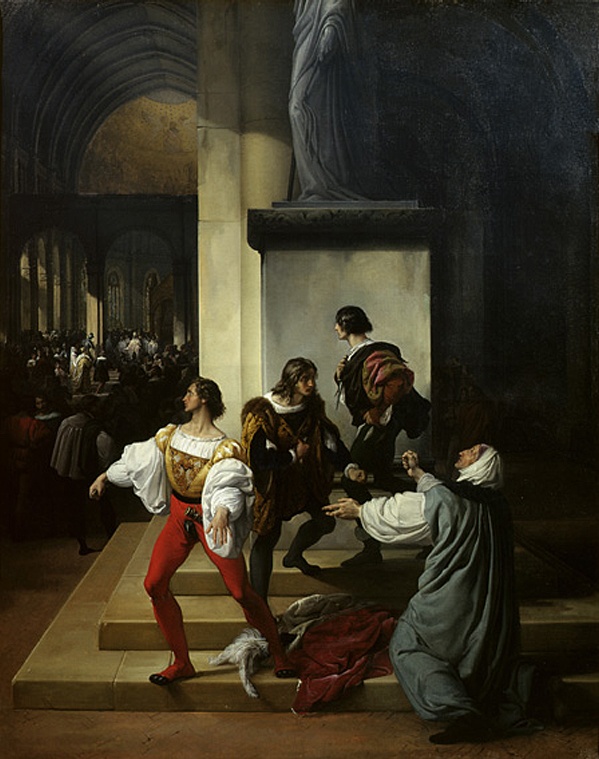 The Lampugnani ConspiracyFrancesco Hayez, 1826
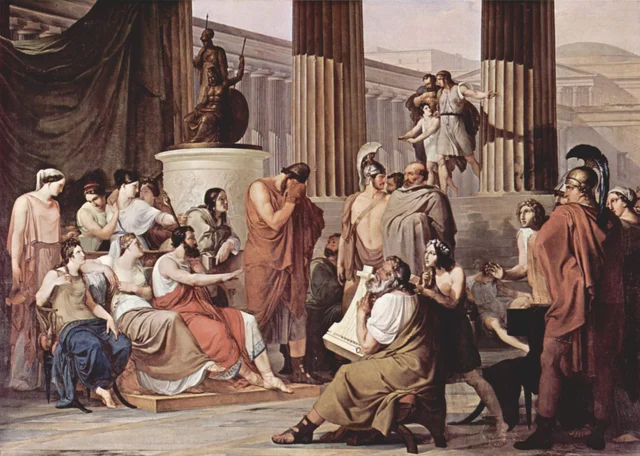 Ulysses at the court of AlcinousFrancesco Hayez, 1815
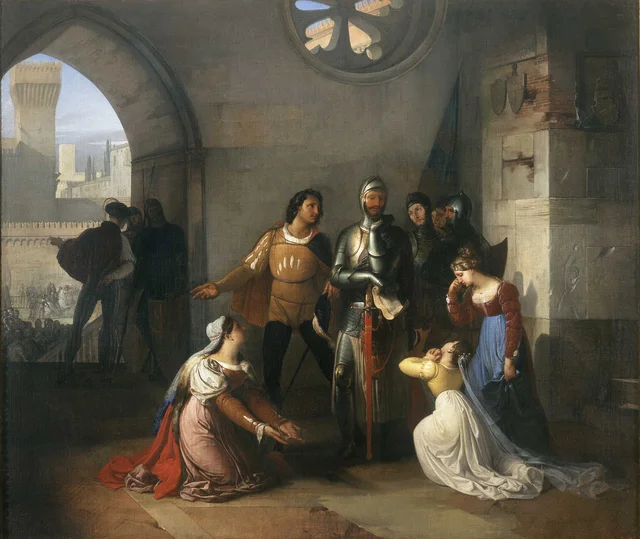 Pietro Rossi Called to Command the Venetian ArmyFrancesco Hayez, 1820
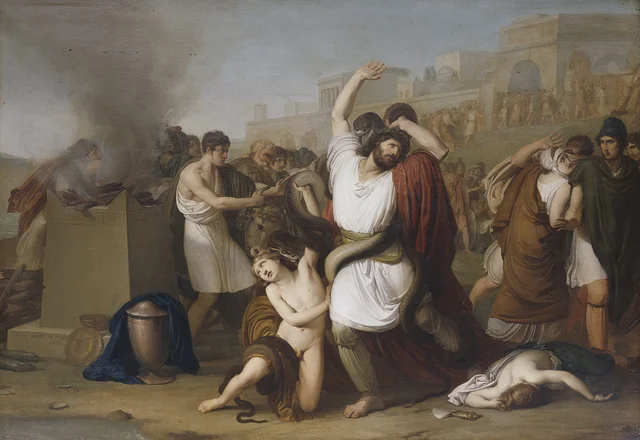 LaocoönFrancesco Hayez, 1812
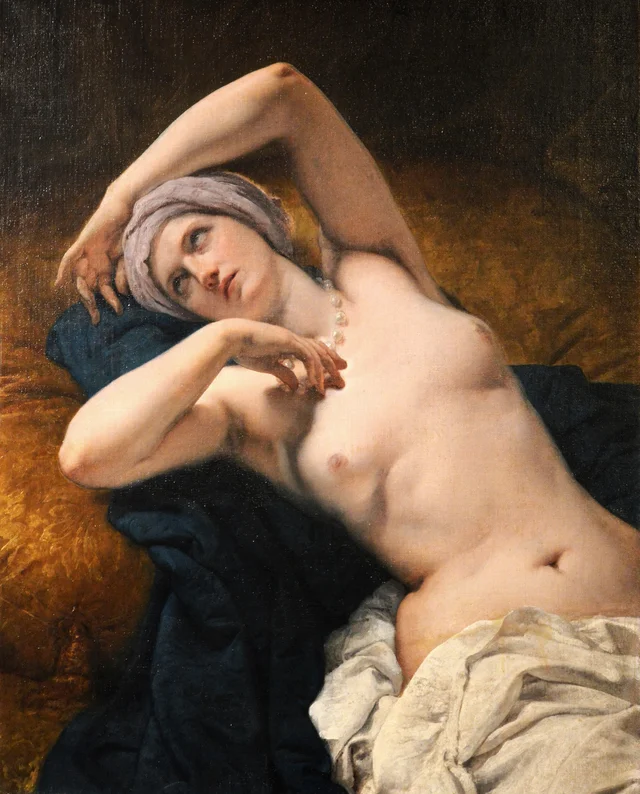 Odalisque in her sleepFrancesco Hayez, 1867
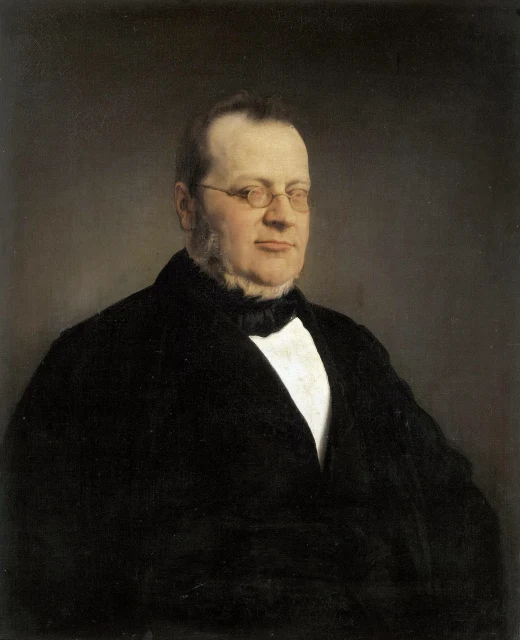 Portrait of Camillo Benso, Count of CavourFrancesco Hayez, 1864
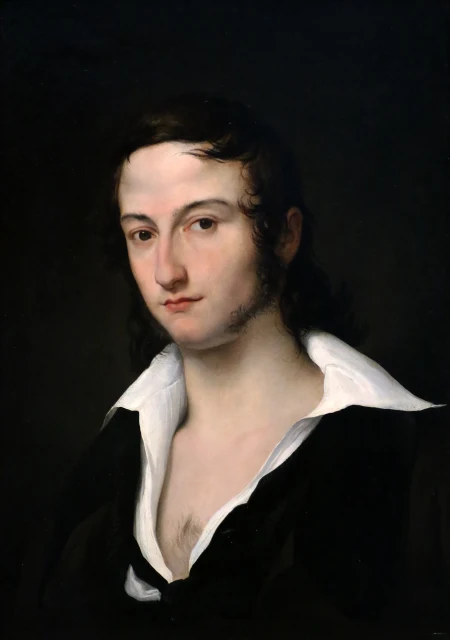 Portrait of Carlo Della BiancaFrancesco Hayez, 1823
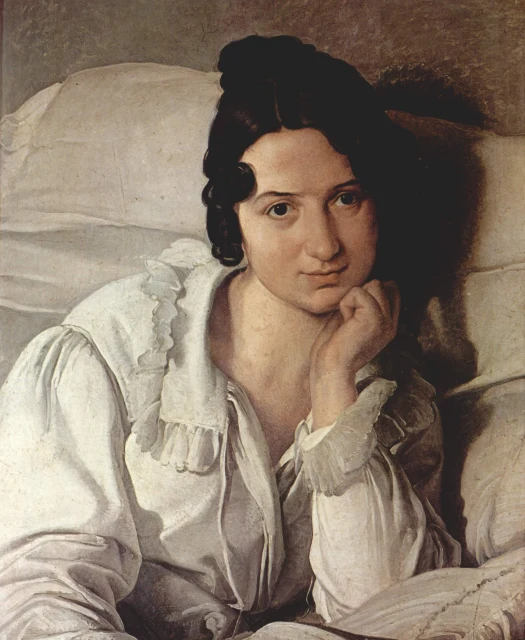 Portrait of Carolina Zucchi (The Sick Woman)Francesco Hayez, 1825
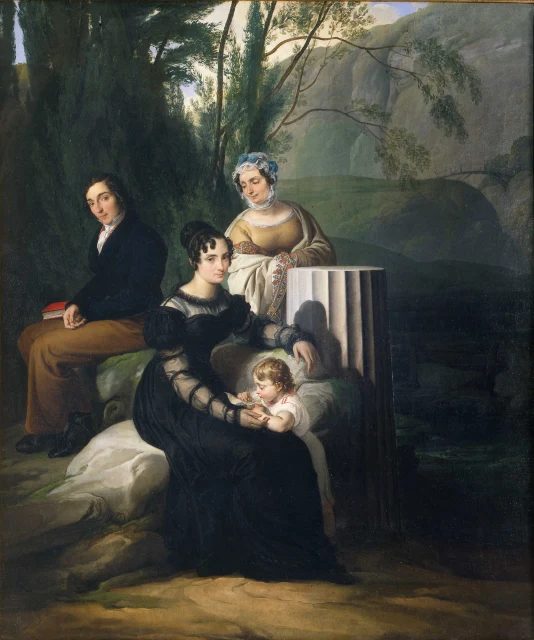 Portrait of the Borri Stampa FamilyFrancesco Hayez, 1822
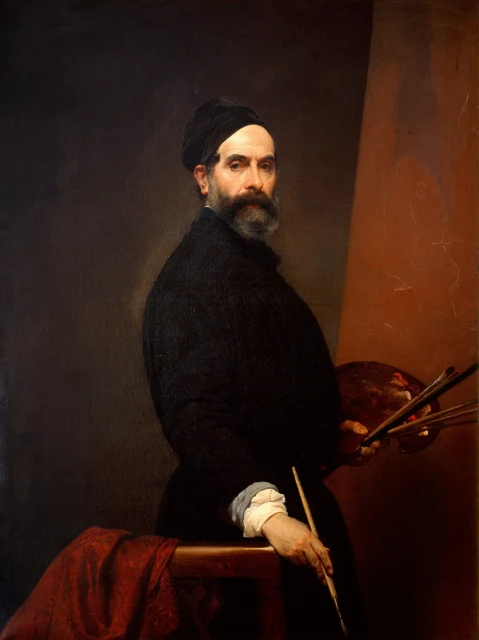 Self-portrait at the age of 57Francesco Hayez, 1848
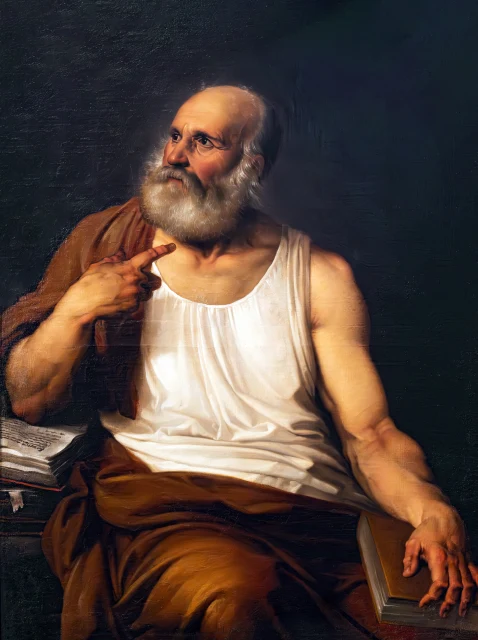 SolonFrancesco Hayez, 1812
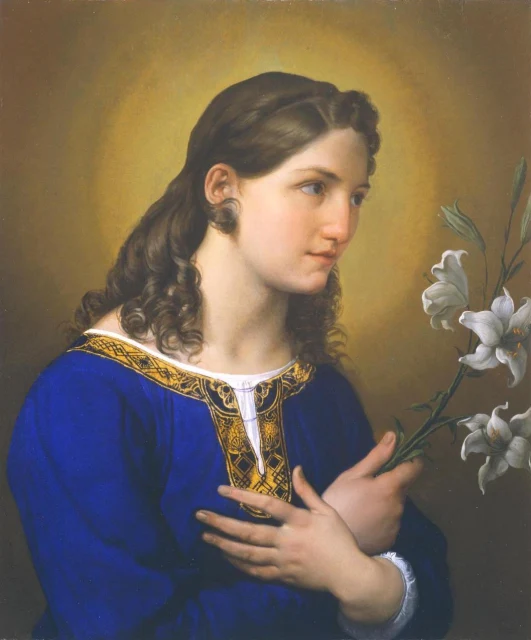 The Angel of the AnnunciationFrancesco Hayez, 1824
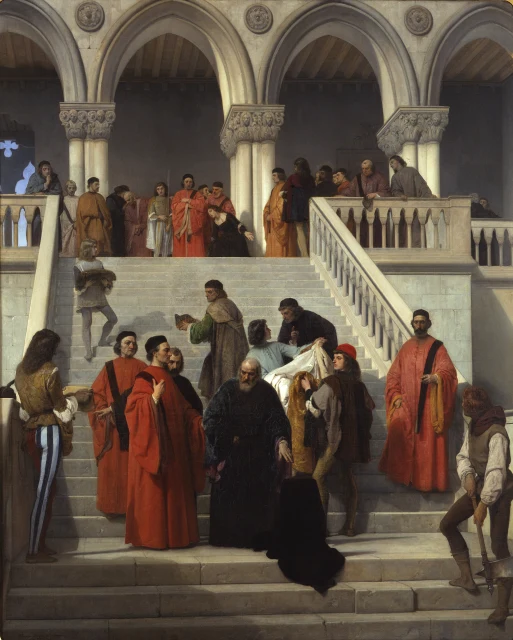 The Last Moments of Doge Marin FalieroFrancesco Hayez, 1867
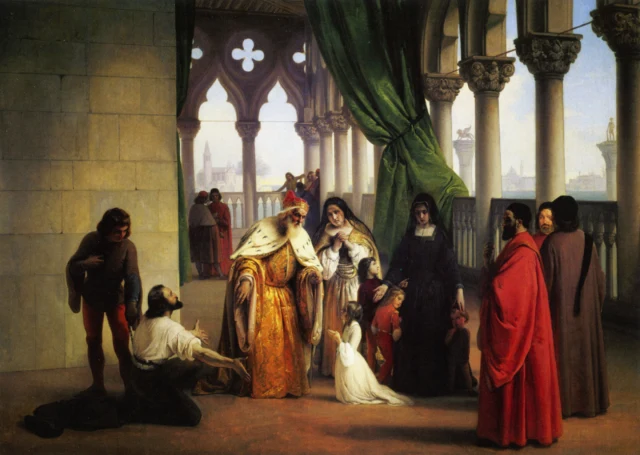 The Two FoscariFrancesco Hayez, 1853
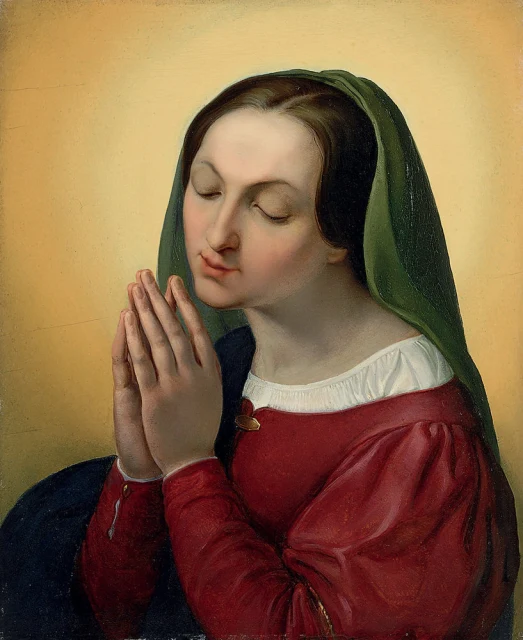 The Virgin of the AnnunciationFrancesco Hayez, 1824
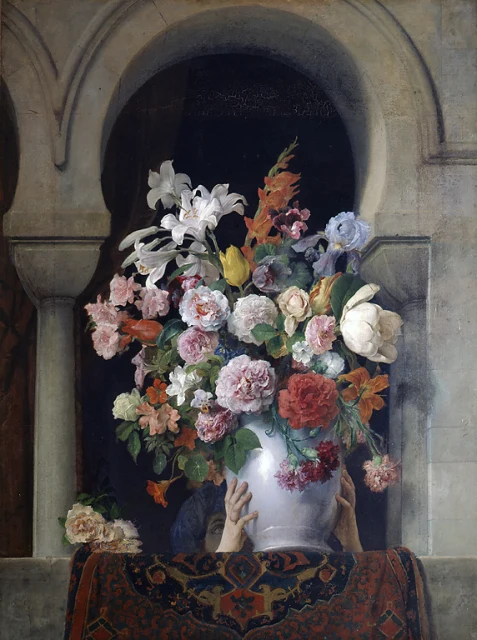 Vase of Flowers on the Window of a HaremFrancesco Hayez, 1881