François-Édouard Picot
1786–1868 · France · Neoclassicism
The story
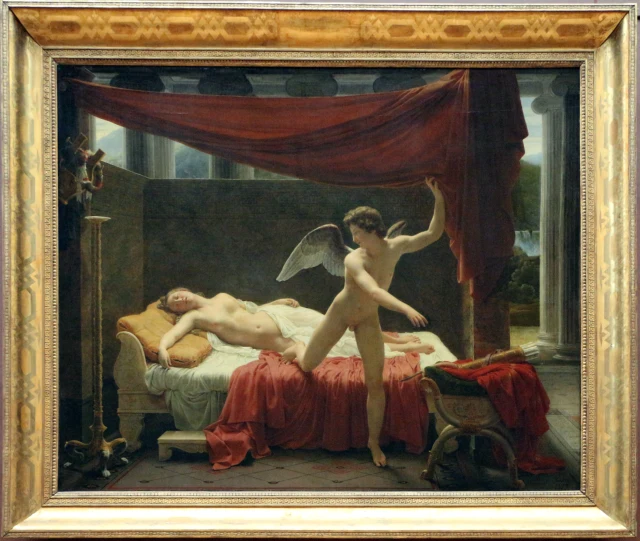
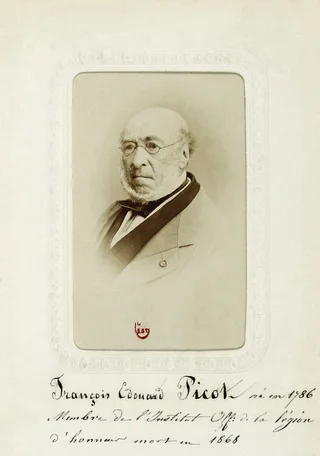
If you tour a 19th-century French gallery, a surprising number of the labels trace back to one teacher: François-Édouard Picot. A neoclassical painter of myths, religious scenes and history, he won the Prix de Rome in 1813 and had a Salon hit in 1819 with L'Amour et Psyché, a sleeping Psyche and a departing Cupid, now in the Louvre.
His lasting influence, though, came through his studio. For decades Picot ran one of the busiest teaching ateliers in Paris, drilling pupils in drawing from casts and live models before they touched colour. Out of it came William-Adolphe Bouguereau, Alexandre Cabanel and Gustave Moreau, among many others, painters who would define, and in Moreau's case quietly unsettle, official French art for the rest of the century.
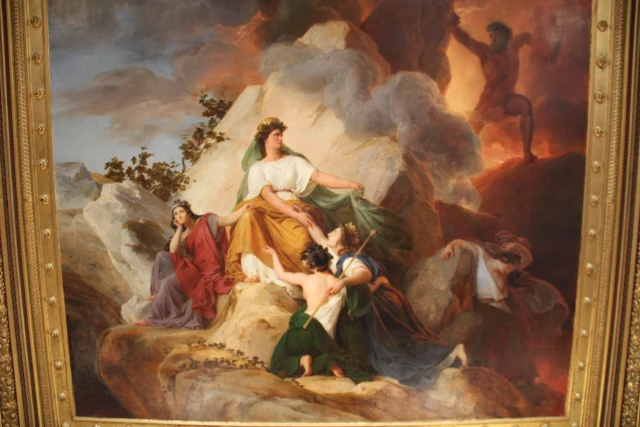
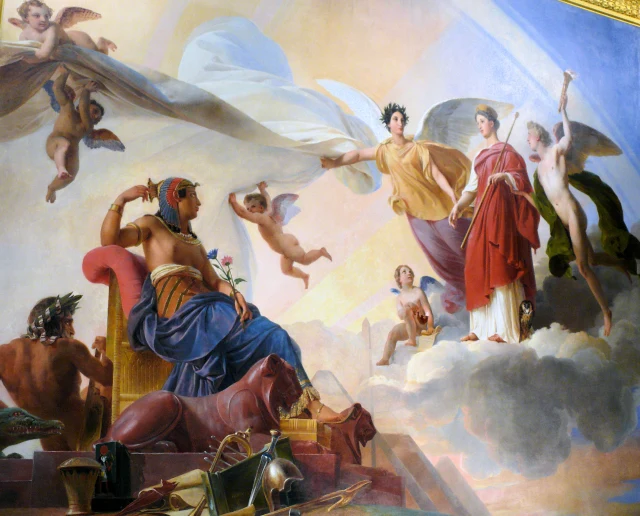
Picot himself kept painting large decorative and religious commissions for Paris churches and public buildings well into old age. He died in 1868, and taught almost to the end.