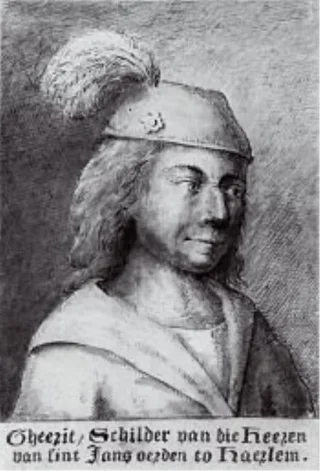
Geertgen tot Sint Jans
Burgundian Netherlands · Early Netherlandish painting
The story
A small panel in London shows the birth of Christ at night, lit almost entirely by the glow coming off the newborn child, with the shepherds' fire tiny on a far hillside. Painted around 1490, it is often called the first true nocturne in Western art, a picture whose real subject is darkness and a single source of light.
We know almost nothing certain about the man who made it. His name, Geertgen tot Sint Jans, means 'little Gerard of Saint John', after the Brethren of Saint John in Haarlem, a lay religious order he lived and worked with as a kind of resident painter. He trained under Albert van Ouwater, an early Haarlem master, and according to the painter-biographer Karel van Mander, writing a century later, he died at about 28.
For that order's church he painted a huge altarpiece, of which two fragments survive: one showing the mourning over Christ's body, the other the burning of the bones of John the Baptist. In them the faces are round, plain and oddly still, the look that made later writers call his art tender and naive.
More articles
Works
8 works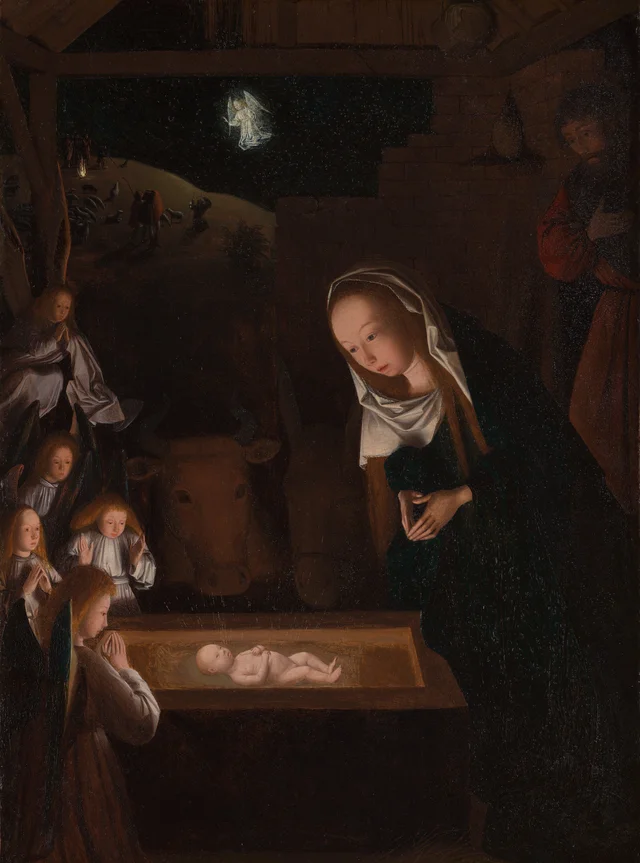 Nativity at NightGeertgen tot Sint Jans, 1490
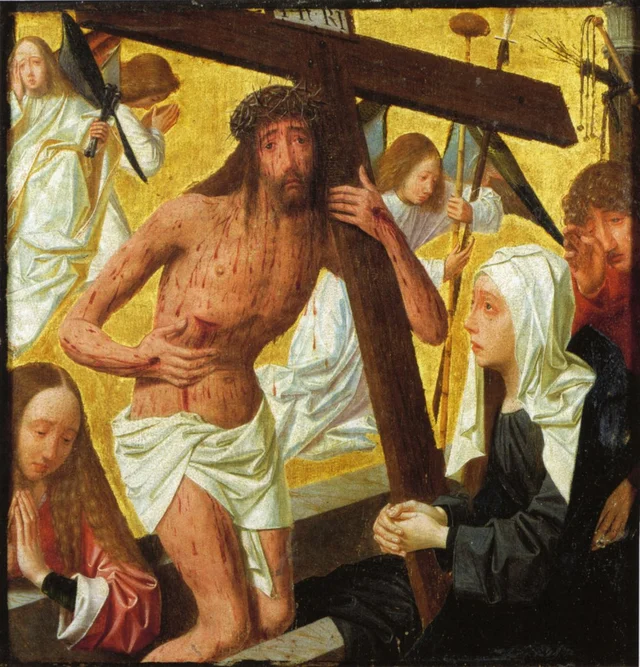 Man of SorrowsGeertgen tot Sint Jans, 1480
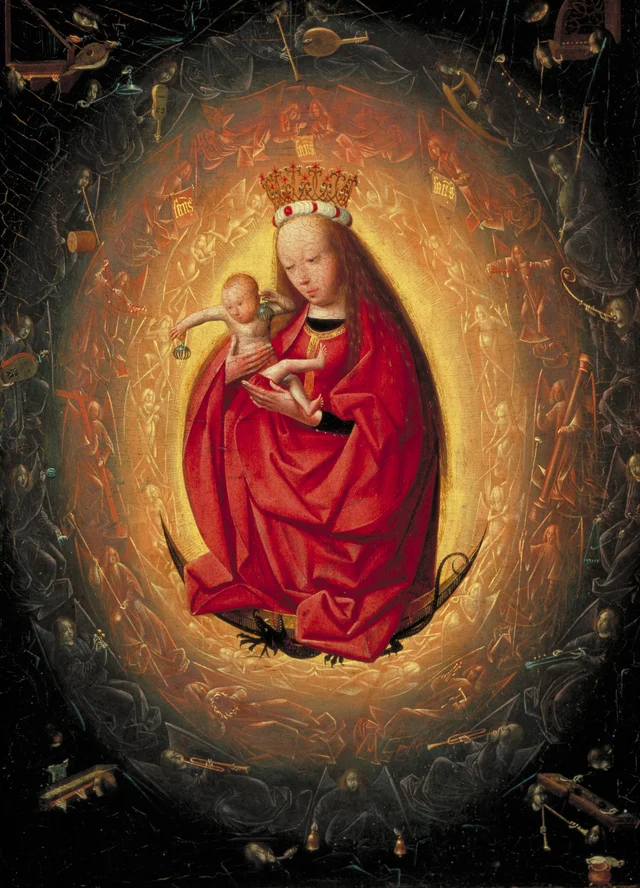 The Glorification of the VirginGeertgen tot Sint Jans, 1490
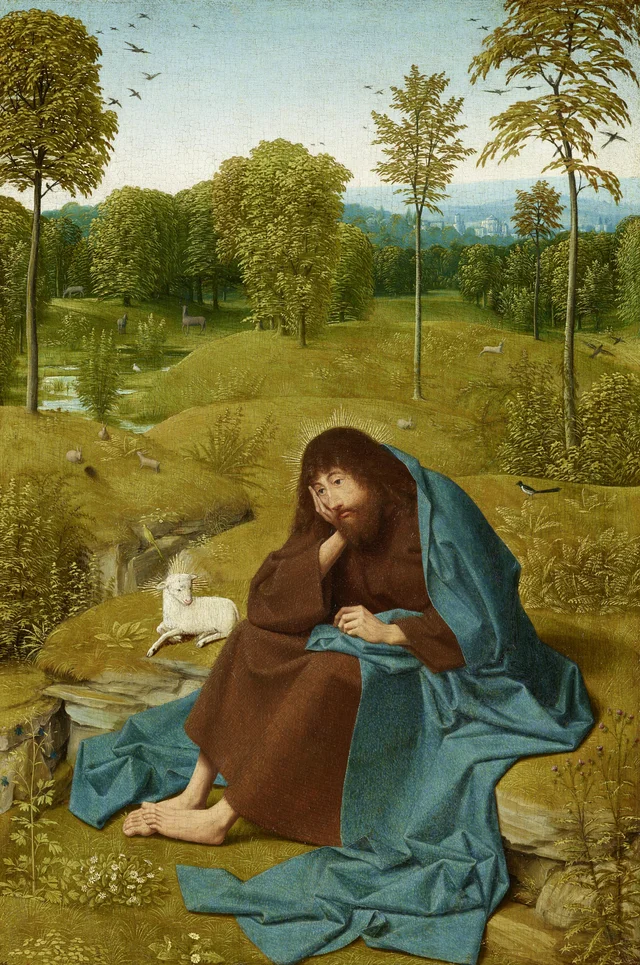 John the Baptist in the WildernessGeertgen tot Sint Jans, 1485
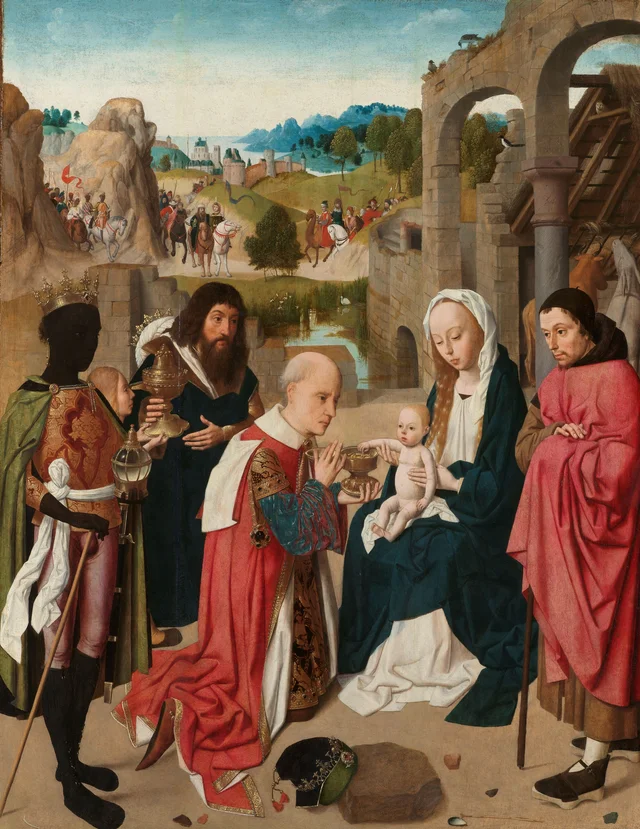 The Adoration of the MagiGeertgen tot Sint Jans, 1480
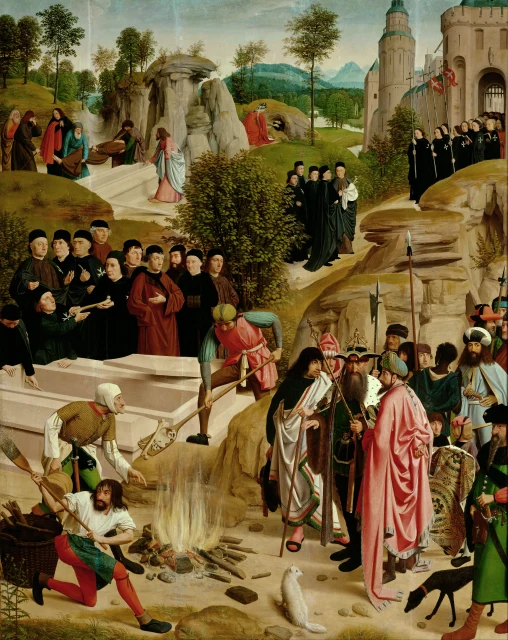 Legend of the Mortal Remains of St. John the BaptistGeertgen tot Sint Jans, 1484
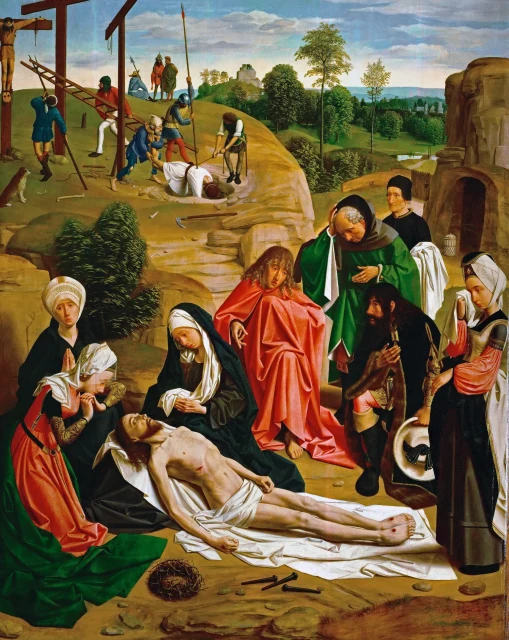 The Lamentation of ChristGeertgen tot Sint Jans, 1484
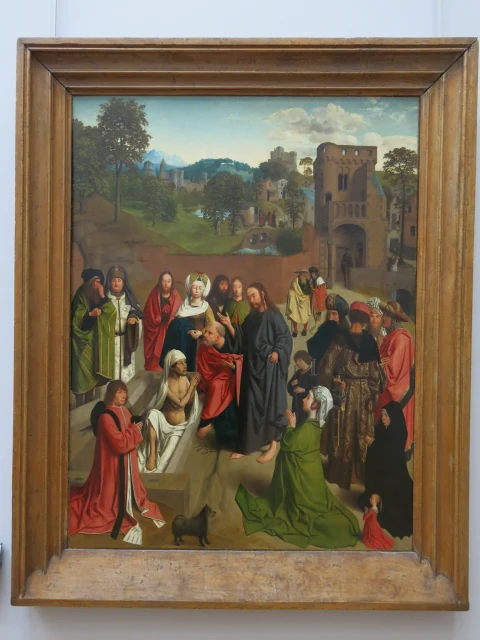 The Resurrection of Lazarus, with a Couple of Donors and their DaughterGeertgen tot Sint Jans, 1482