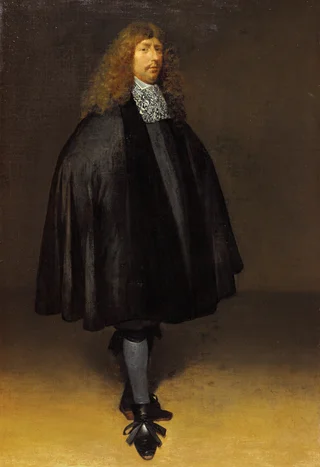
Gerard ter Borch
1617–1681 · Dutch Republic · Baroque
The story
In May 1648 the delegates who ended the Eighty Years' War met in the German city of Munster to swear the peace that finally recognised the Dutch Republic. Gerard ter Borch was there and painted the ceremony on a small copper plate, packing dozens of tiny portrait heads into a single room. He put himself in at the far left, looking out at us.
That eye for a real moment carried into the quiet indoor scenes he is loved for. Ter Borch painted small, and he painted fabric better than almost anyone, the cool sheen of white satin on a woman's skirt seen from behind. His figures write letters, tune instruments, or pause mid-conversation, and you are never quite told what is being said.
He worked mostly in the eastern town of Deventer, served a term on its council, and trained the young Caspar Netscher, who carried the polished style on. One of his best-known pictures, long called The Paternal Admonition, shows a scene that later viewers reinterpreted as something a good deal less wholesome.
More articles
Works
20 works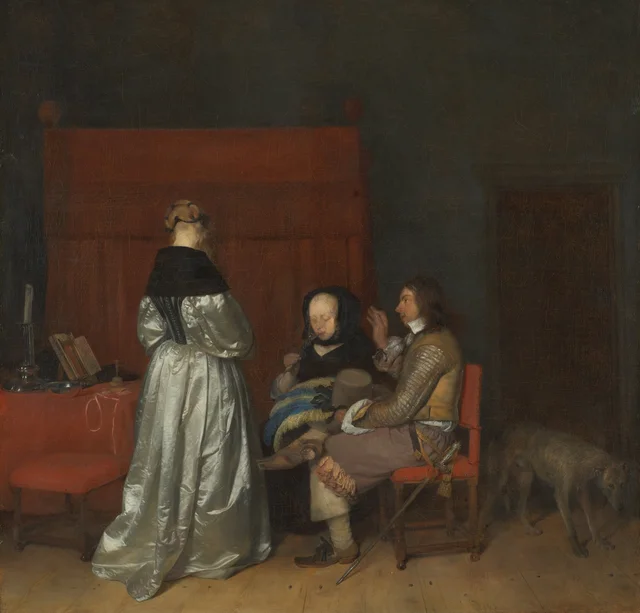 The Gallant Conversation, known as Paternal AdmonitionGerard ter Borch, 1654
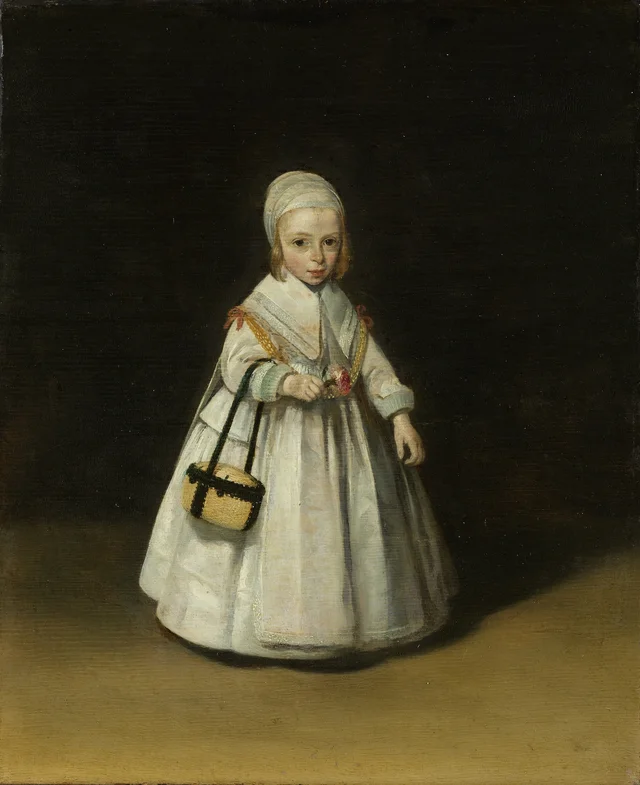 Portrait of Helena van der SchalckeGerard ter Borch, 1648
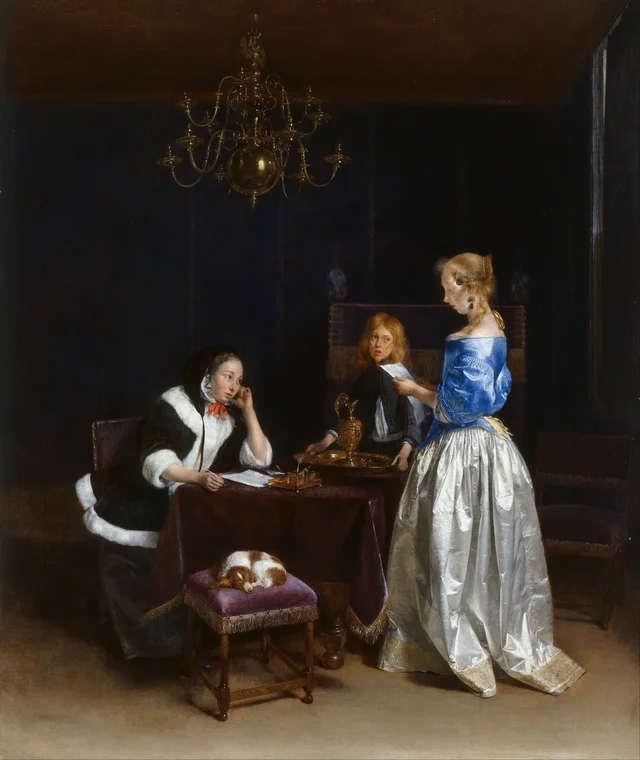 The LetterGerard ter Borch, 1660
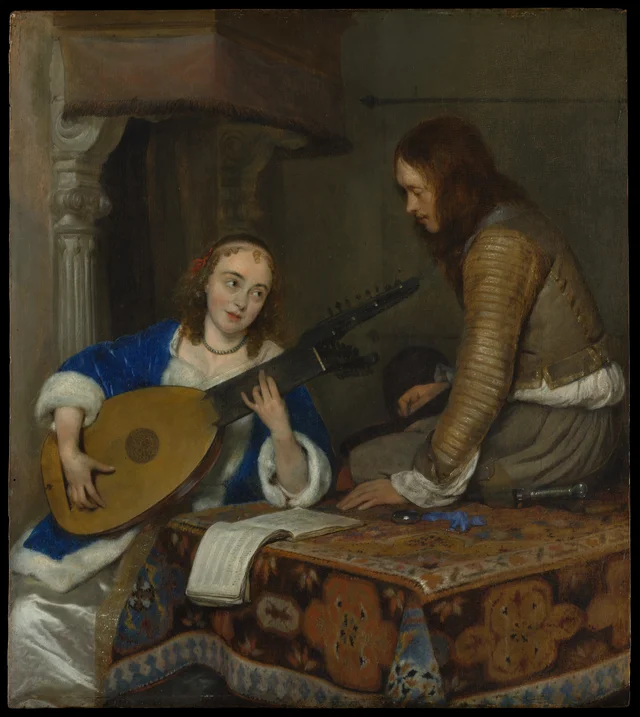 A Woman Playing the Theorbo-Lute and a CavalierGerard ter Borch, 1658
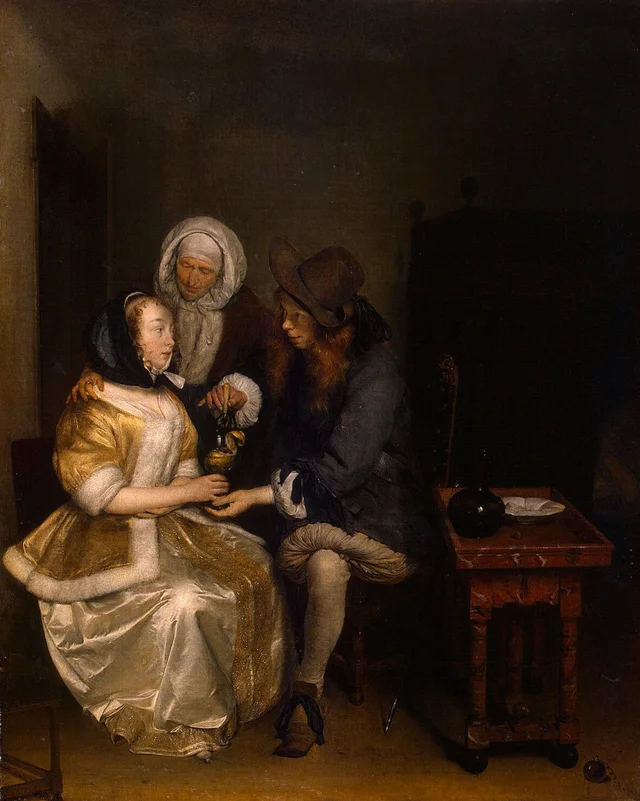 Glass of LemonadeGerard ter Borch, 1663
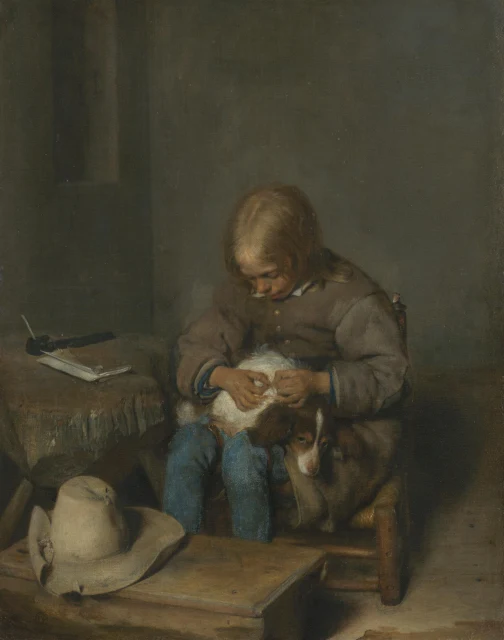 A Boy Picking Fleas off a DogGerard ter Borch, 1655
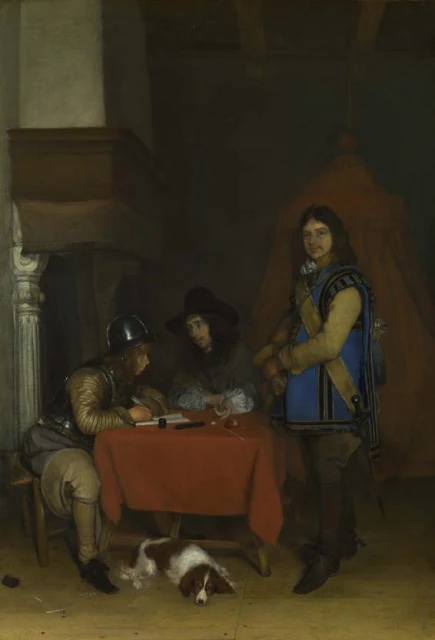 An Officer dictating a LetterGerard ter Borch, 1656
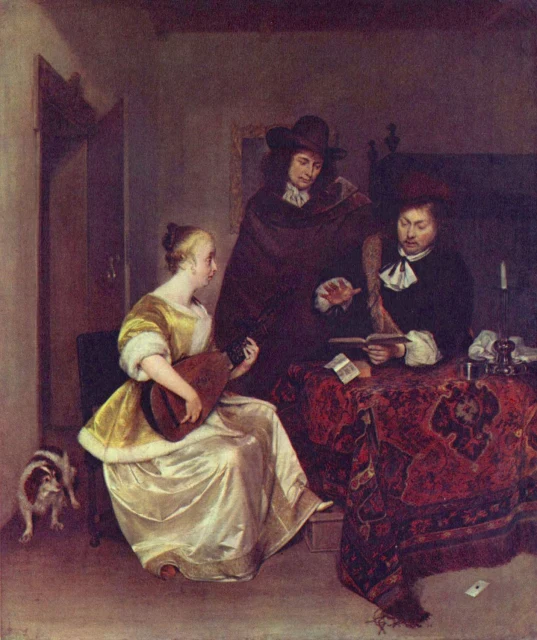 A Woman playing a Lute to Two MenGerard ter Borch, 1667
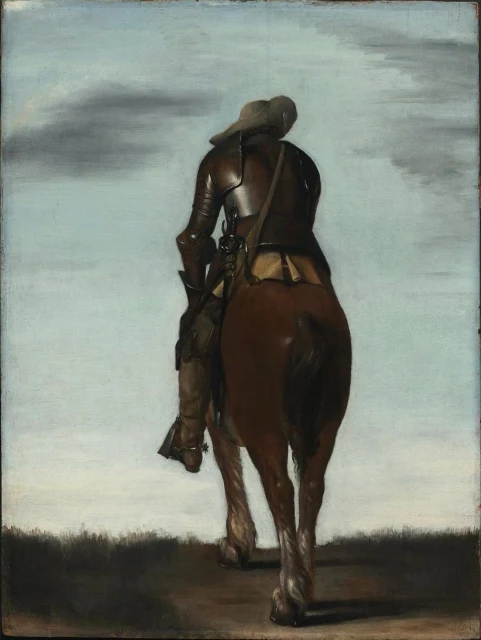 Man on HorsebackGerard ter Borch, 1634
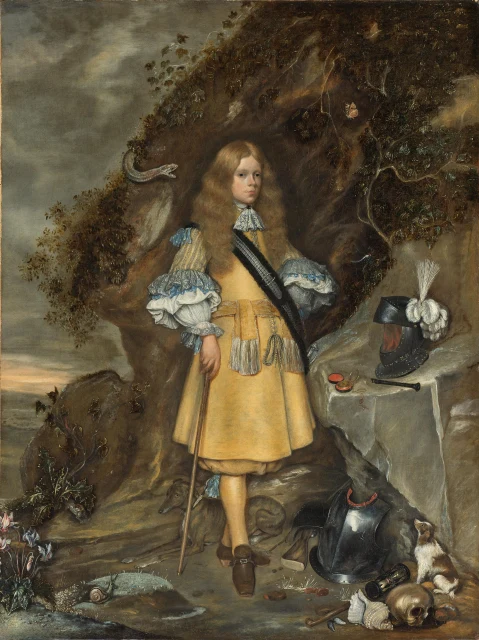 Memorial Portrait of Moses ter Borch (1645-1667)Gerard ter Borch, 1668
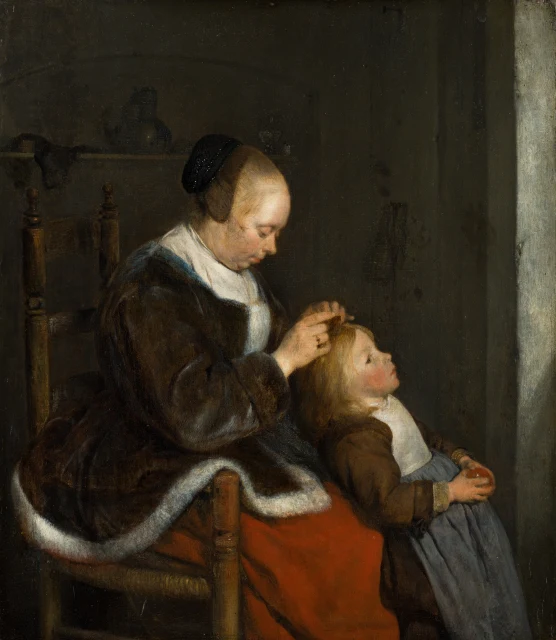 Mother Combing Her Child's Hair, known as 'Hunting for Lice'Gerard ter Borch, 1652
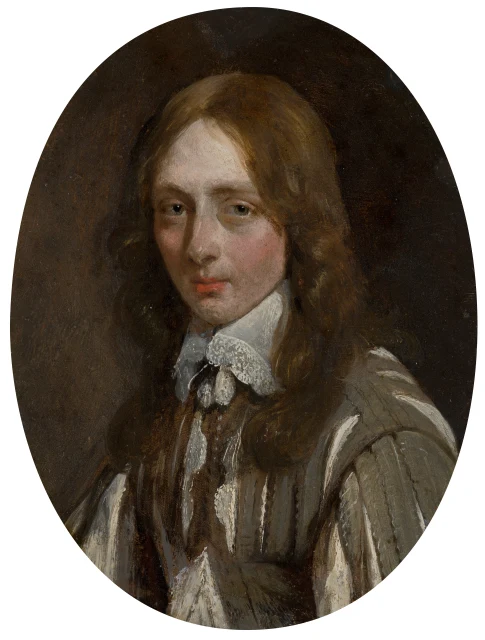 Portrait of Caspar van Kinschot (1622-1649)Gerard ter Borch, 1646
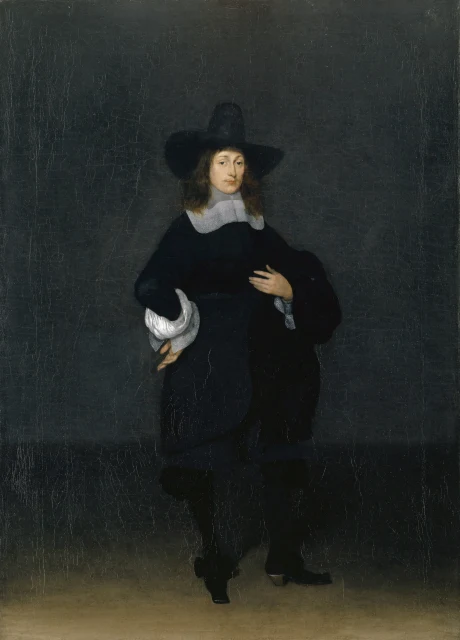 Portrait of Frederik Bannier (1635-1672)Gerard ter Borch, 1661
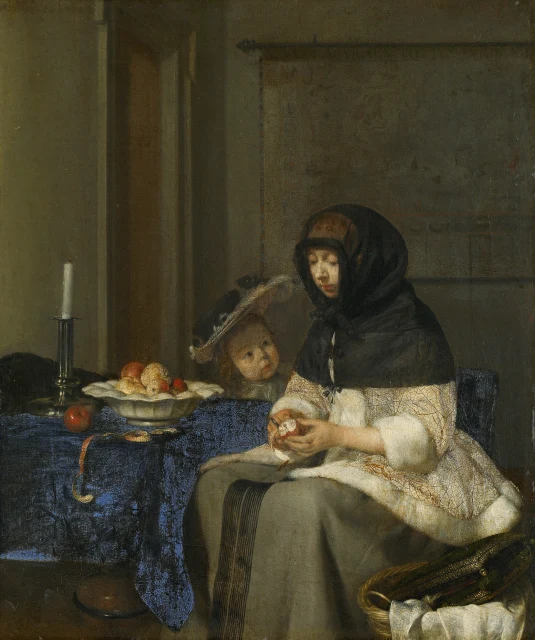 The Apple PeelerGerard ter Borch, 1660
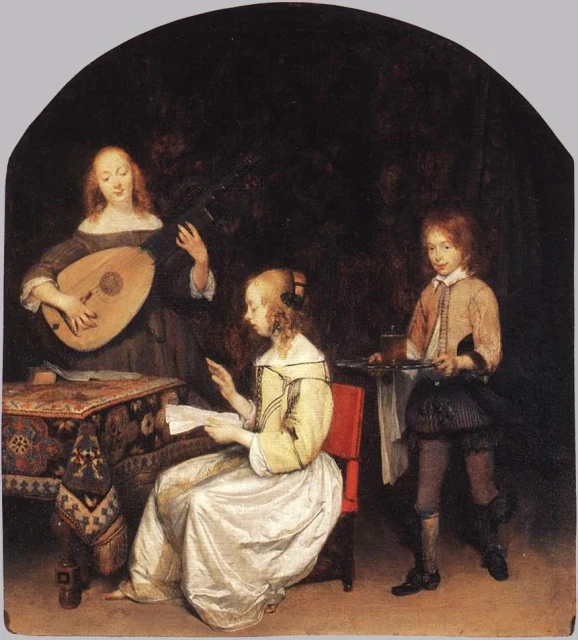 The Concert: Singer and Theorbo PlayerGerard ter Borch, 1657
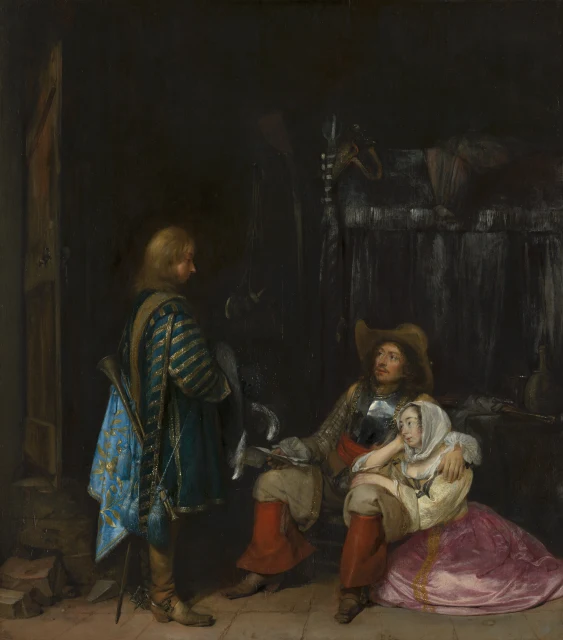 The Messenger, known as 'The Unwelcome News'Gerard ter Borch, 1653
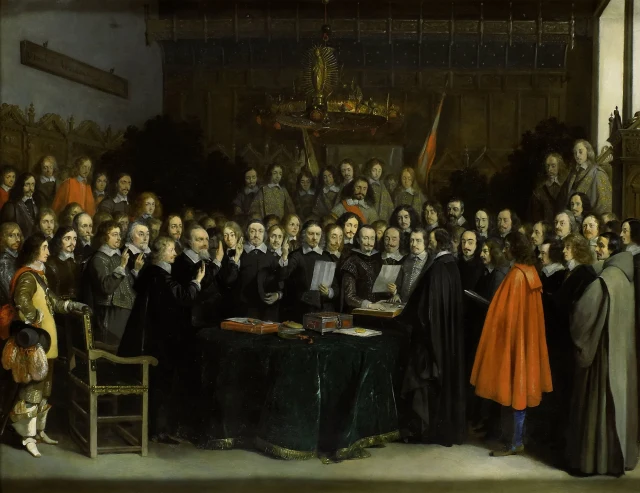 The Ratification of the Treaty of MünsterGerard ter Borch, 1648
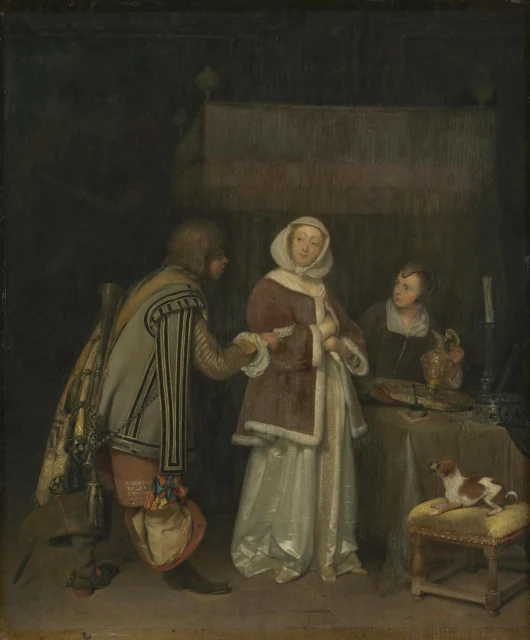 The Rejected LetterGerard ter Borch, 1656
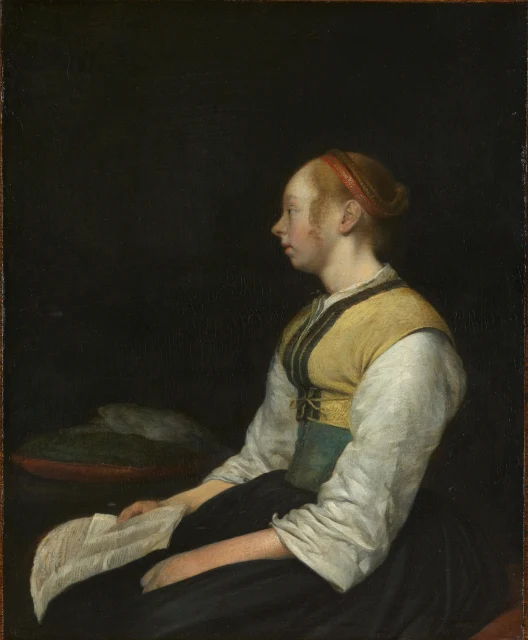 Woman in Peasant CostumeGerard ter Borch, 1649
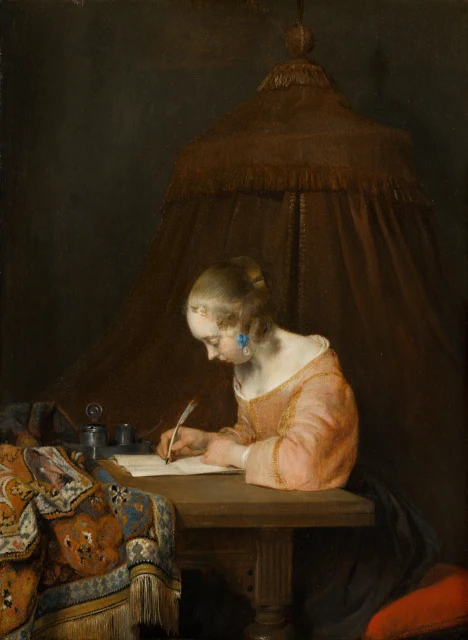 Woman Writing a LetterGerard ter Borch, 1655