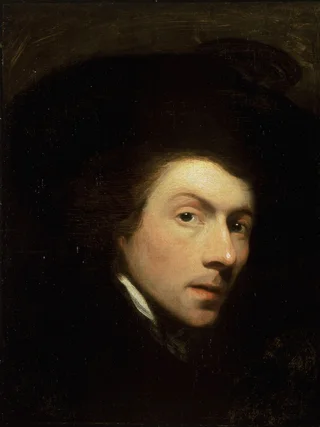
Gilbert Stuart
1755–1828 · United States · Neoclassicism
The story
Pull a dollar bill out of your pocket and you are looking at an unfinished painting. The face of George Washington on it comes from a portrait Gilbert Stuart began in 1796 and deliberately never completed — he stopped at the head, leaving the canvas bare around it, so that he could keep the original and sell copies.
Stuart had trained in London under the American-born painter Benjamin West and learned to catch a likeness fast and flatter it just enough. Back home he found his one inexhaustible subject in Washington, and turned that first unfinished head into a small industry, painting dozens of versions over the years. He called them his hundred-dollar bills, since that was the price each one fetched.
Washington, by then president and a reluctant sitter, gave him only a handful of sessions. The original that Stuart hoarded, known as the Athenaeum portrait, was sold by his daughter after his death and now hangs in Boston. The engraving on the modern dollar reverses it, so the president faces the other way.
More articles

Works
7 works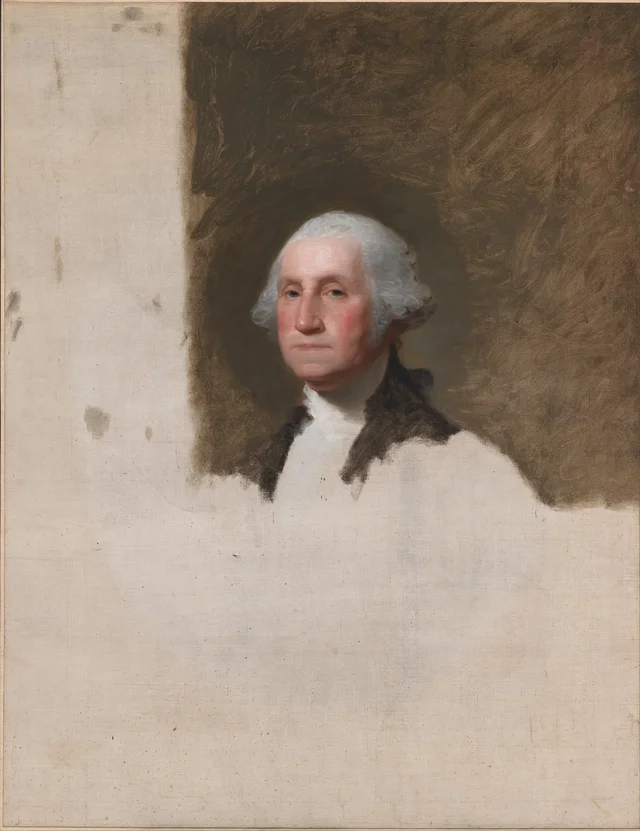 Athenaeum PortraitGilbert Stuart, 1796
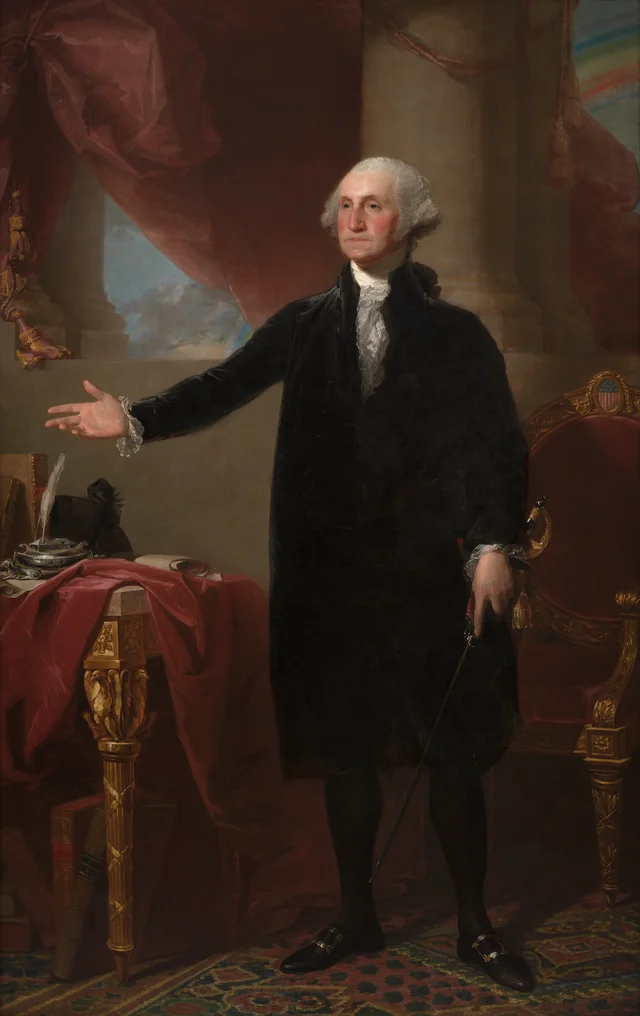 Lansdowne PortraitGilbert Stuart, 1796
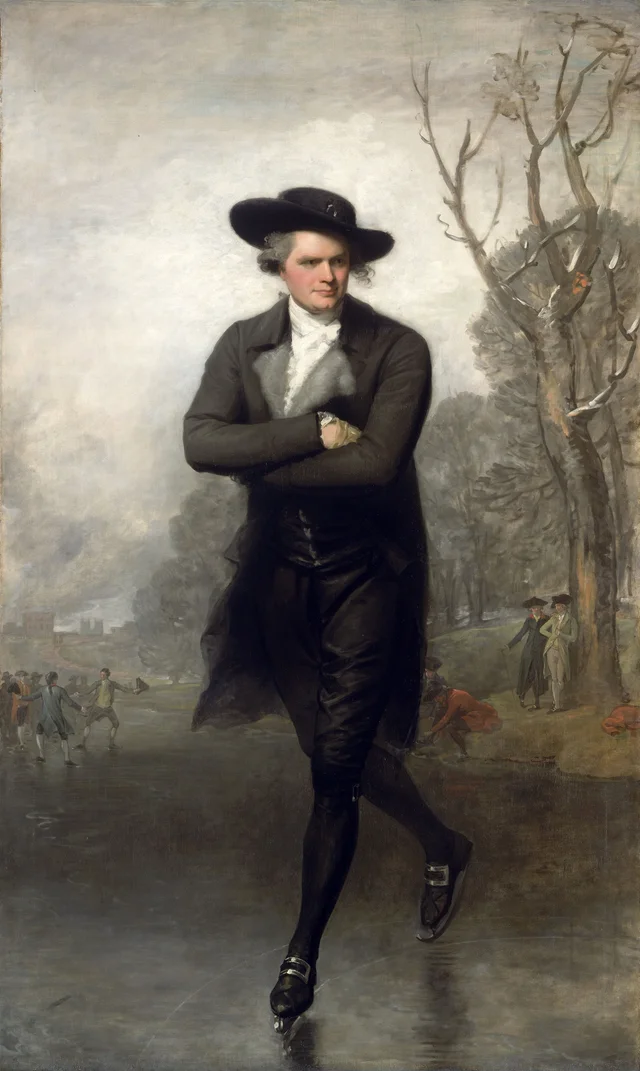 The SkaterGilbert Stuart, 1782
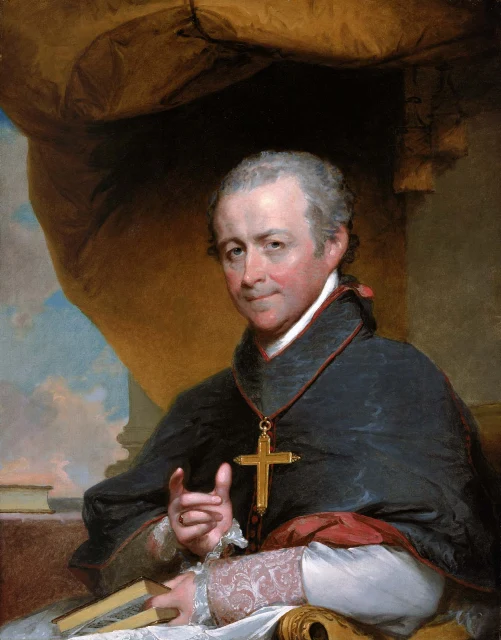 Bishop Jean-Louis Anne Magdelaine Lefebvre de CheverusGilbert Stuart, 1823
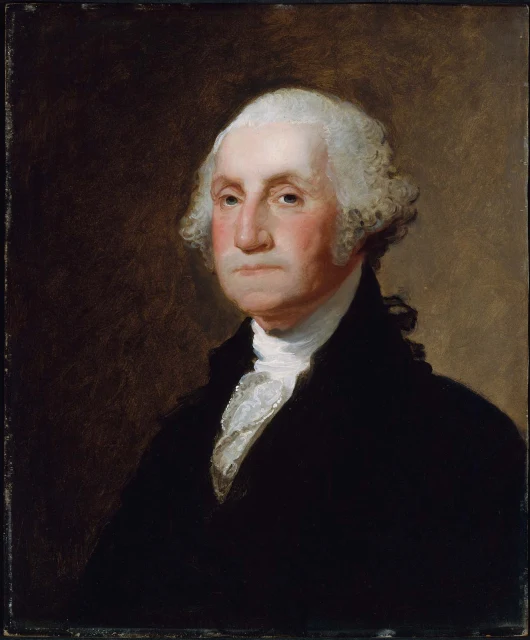 George WashingtonGilbert Stuart, 1810
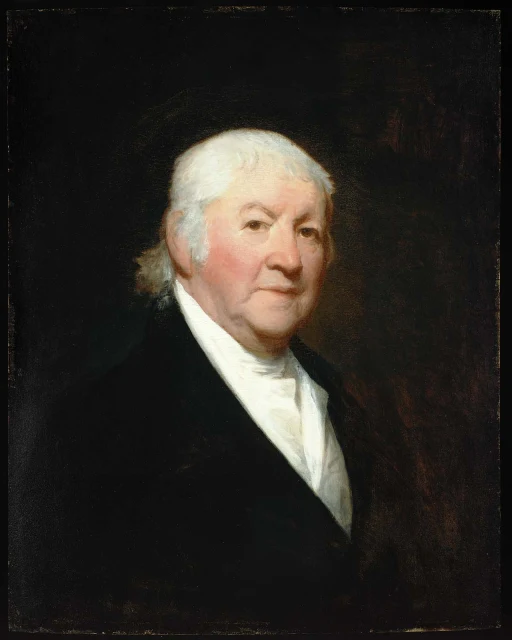 Paul RevereGilbert Stuart, 1813
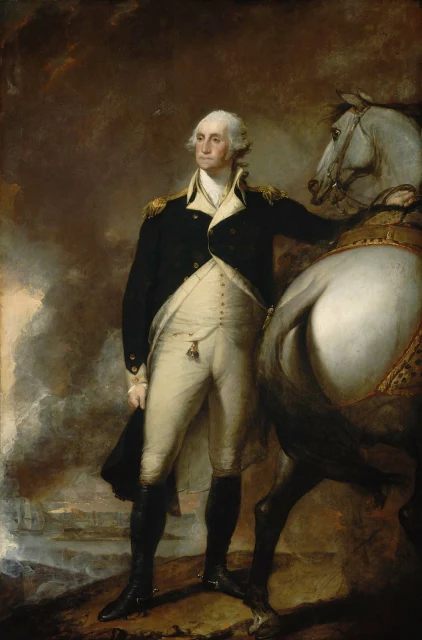 Washington at Dorchester HeightsGilbert Stuart, 1806