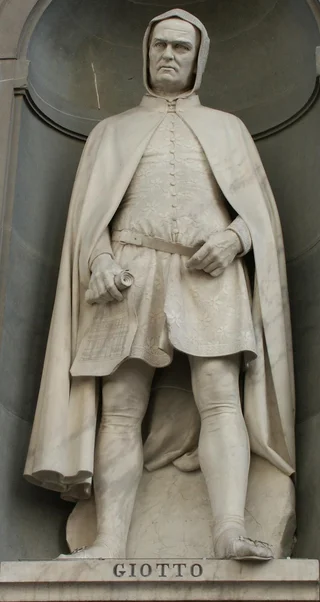
Giotto
1337 · Republic of Florence · Proto-Renaissance, Florentine school
The story
For roughly a thousand years, painters in the Christian West had shown holy figures as flat golden patterns, solemn and weightless against a gold ground. Then, around the year 1300, a Florentine named Giotto began painting people who had bodies.
His great surviving work is the Scrovegni Chapel in Padua, frescoed in about two years and finished around 1305. A wealthy man named Enrico Scrovegni paid for it, partly to atone for a family fortune built on money-lending. On its walls Giotto told the lives of the Virgin and Christ with figures who take up space, settle their weight onto one hip, turn their backs to us, and grieve with faces that actually crumple. In the 'Lamentation', mourners bend over the dead Christ while small angels wheel overhead in visible distress.
Later writers built a legend around him: that the older master Cimabue, the leading painter of the previous generation, found the boy Giotto drawing his sheep on a rock and took him on as a pupil. Scholars doubt the details now. What is not doubted is that the artists of the Renaissance, two centuries later, traced their whole way of seeing back to him. Dante, roughly his contemporary, wrote a line in the 'Divine Comedy' noting how Giotto's fame had already eclipsed Cimabue's.
More articles
Works
12 works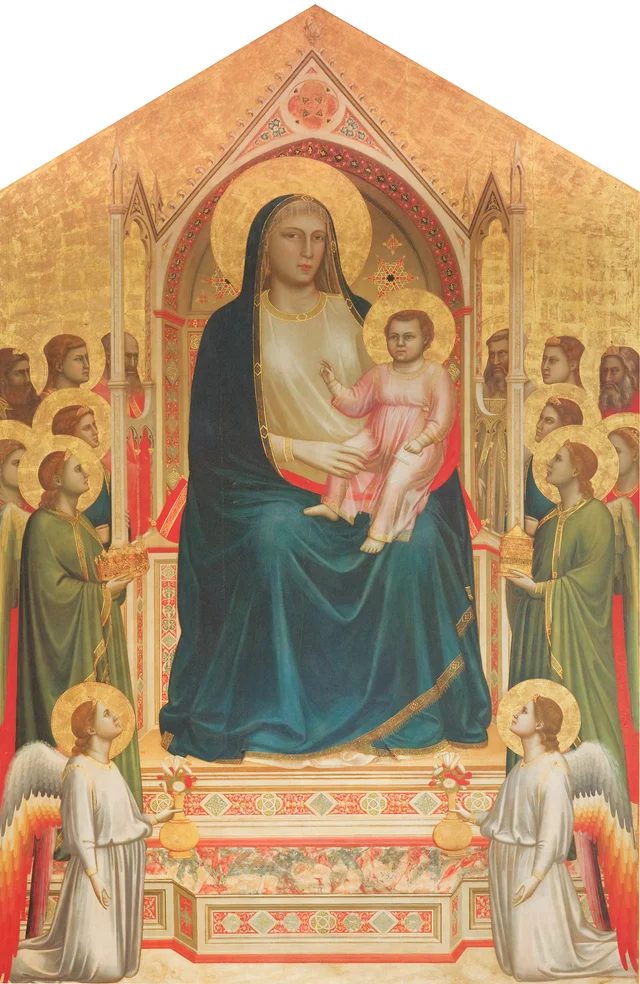 Madonna EnthronedGiotto, 1300
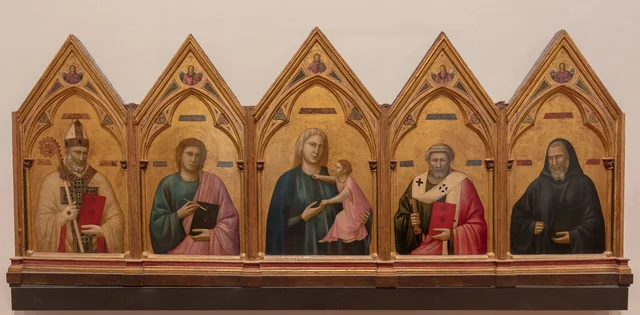 Badia PolyptychGiotto, 1300
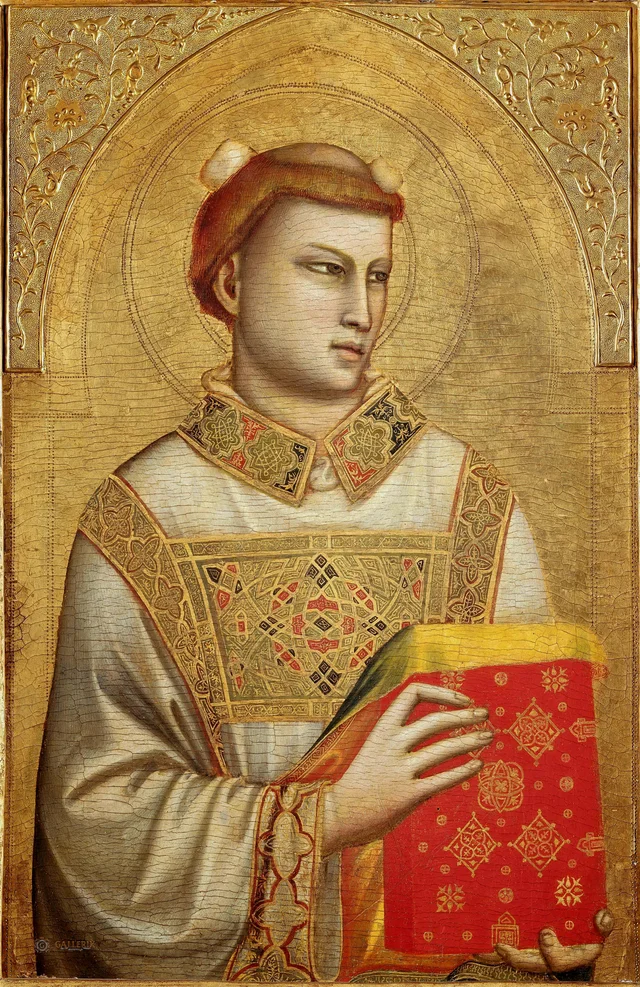 Saint StephenGiotto, 1320
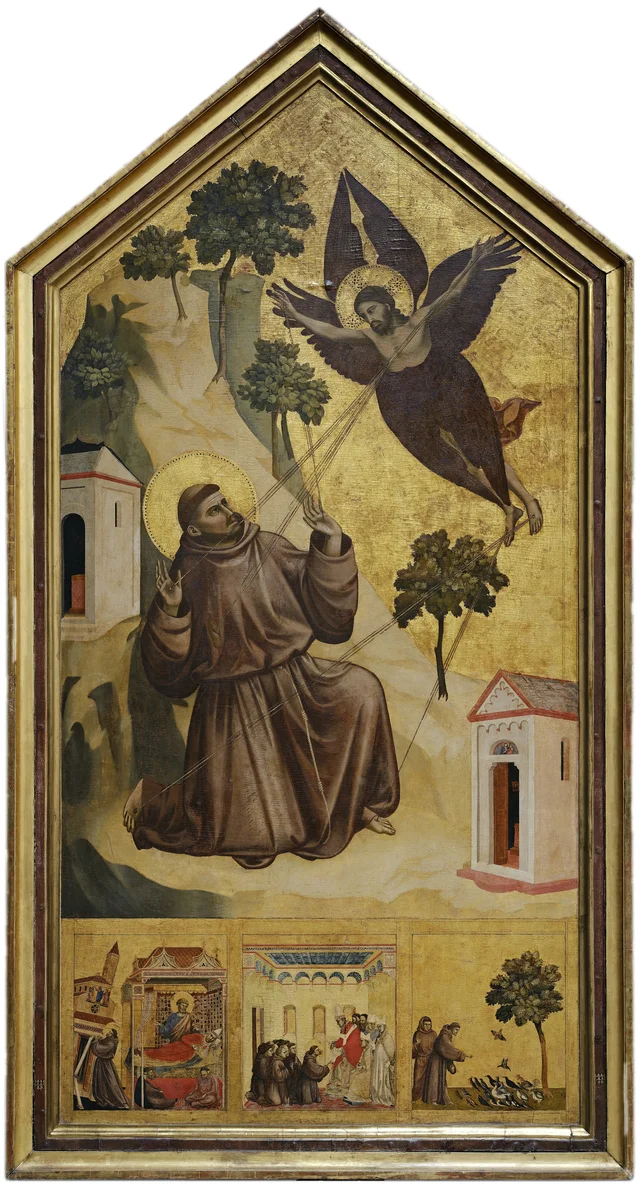 St. Francis of Assisi Receiving the StigmataGiotto, 1297
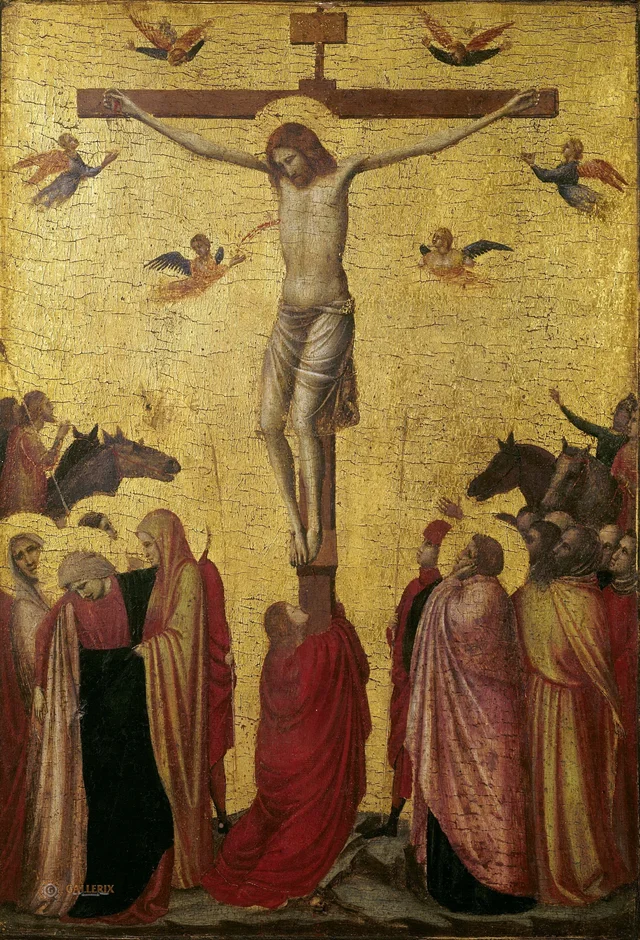 Crucifixion of StrasbourgGiotto, 1315
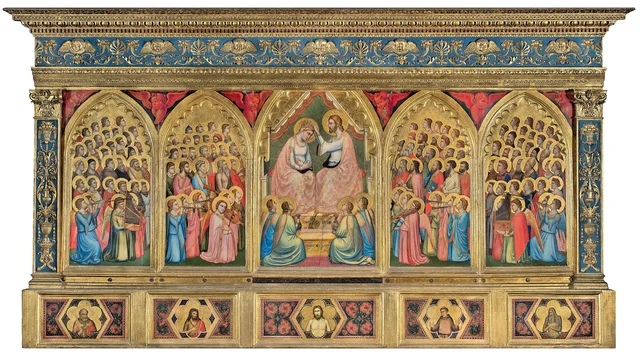 Baroncelli PolyptychGiotto, 1328
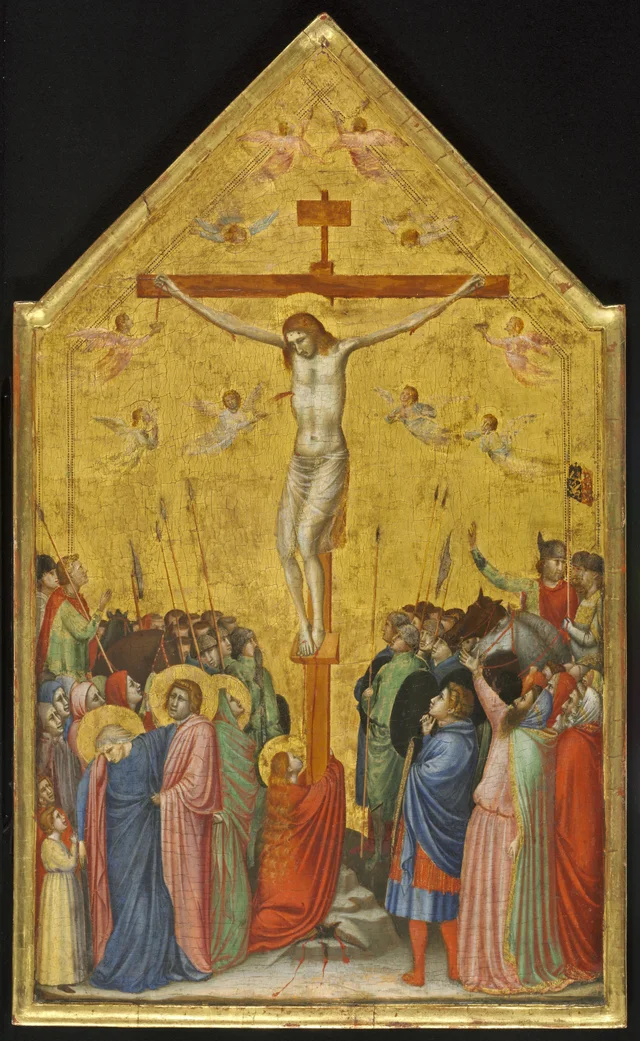 The Crucifixion of ChristGiotto, 1317
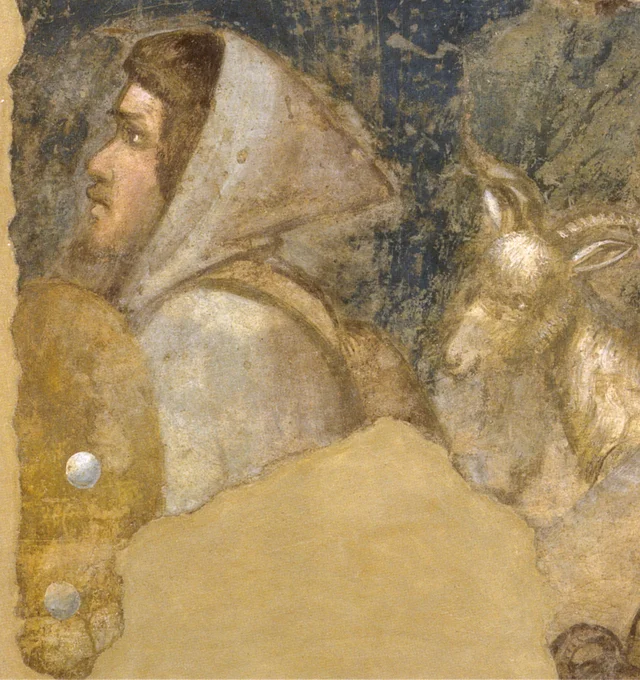 Shepherd's Head and FlocksGiotto, 1320
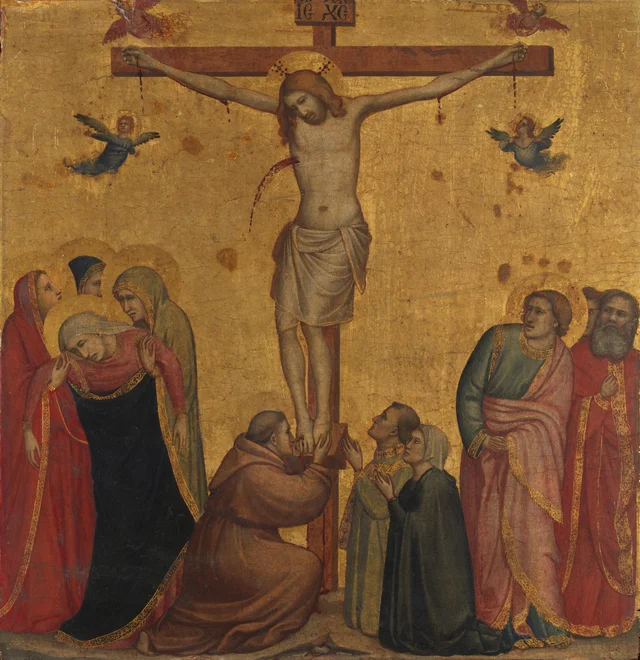 Christ on the CrossGiotto, 1305
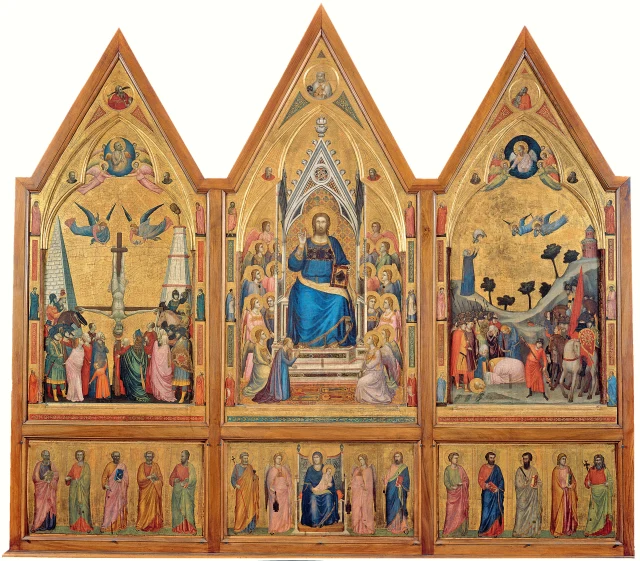 Stefaneschi TriptychGiotto, 1320
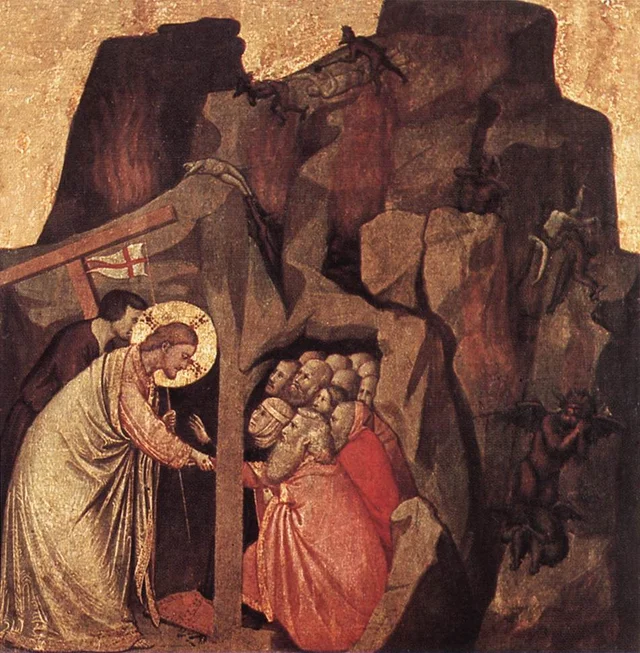 The Descent into LimboGiotto, 1305
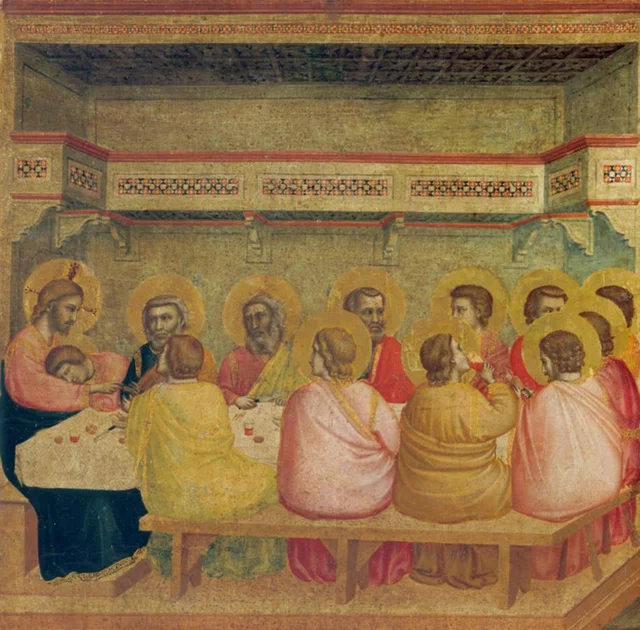 The Last SupperGiotto, 1305