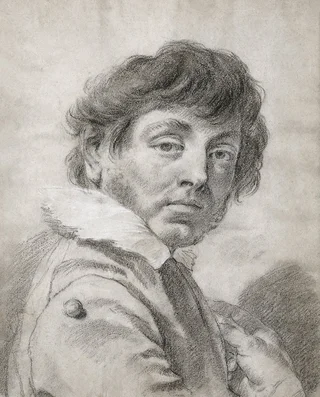
Giovanni Battista Piazzetta
1682–1754 · Republic of Venice · Rococo
The story
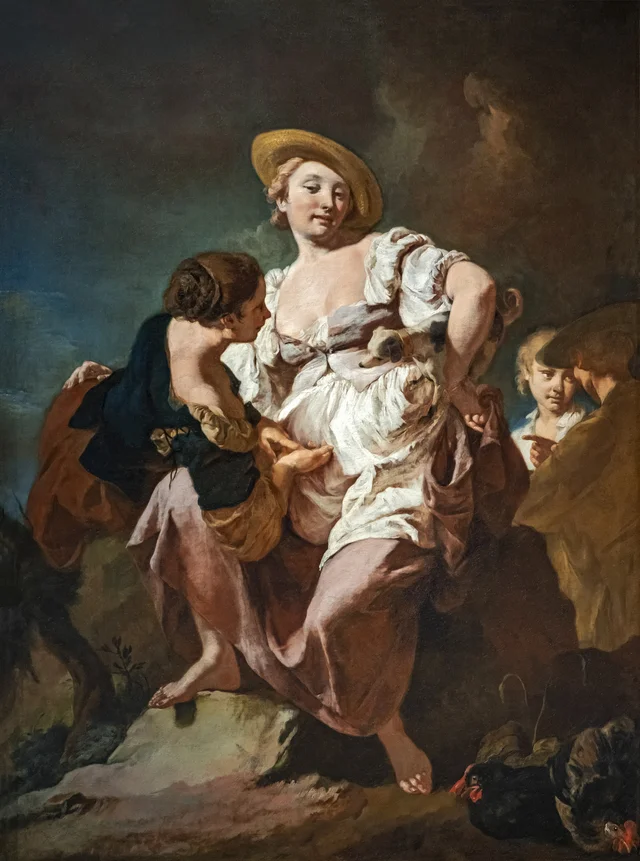
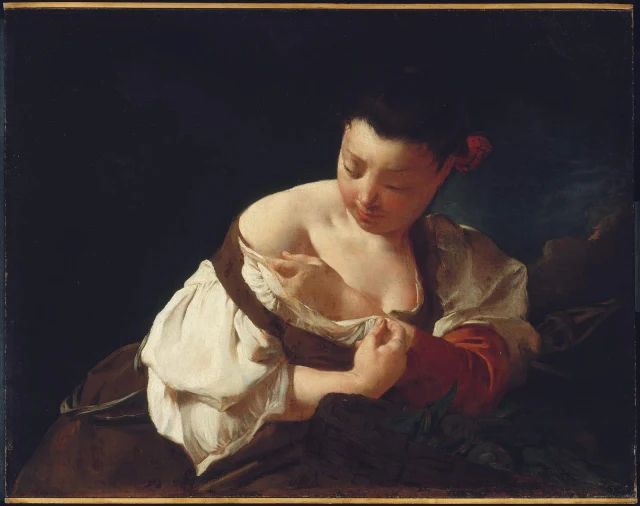
While Venice in the 1720s was filling its ceilings with bright, airy skies, Giovanni Battista Piazzetta worked in the opposite key, deep browns and heavy shadow with figures pulled out of the dark by a single fall of light. He had picked up that taste for drama in Bologna as a young man, studying under Giuseppe Maria Crespi, a painter who turned Caravaggio's harsh contrasts toward scenes of ordinary people.
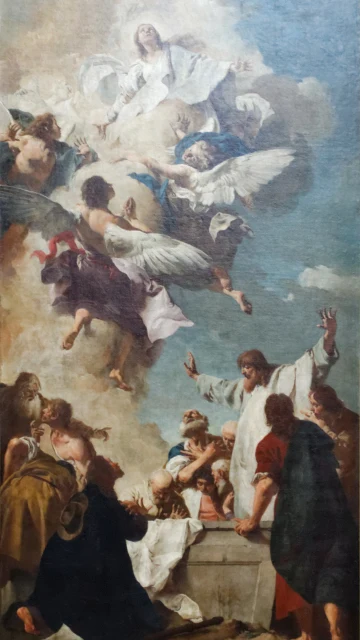
Back in Venice he was known for working slowly, laboring over a canvas while faster rivals took the grand commissions. His one ceiling painting, the Glory of Saint Dominic in the church of Santi Giovanni e Paolo, is the exception, a burst of light he rarely attempted at that scale.
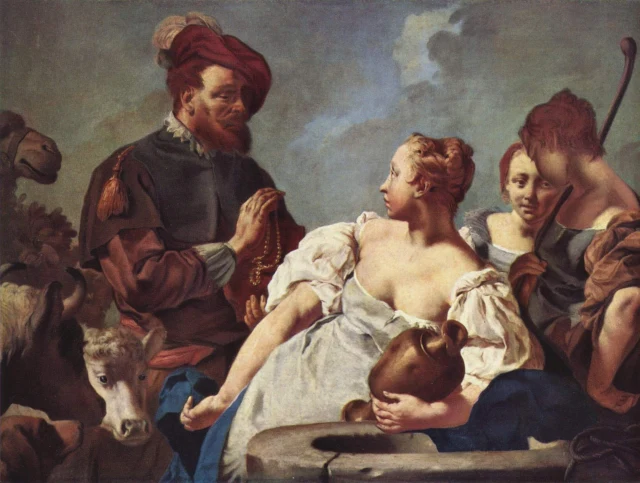
In 1750 Venice founded its official Academy of Fine Arts and made Piazzetta its first director. He spent his last years teaching there and died in 1754, and his half-lit heads and genre scenes, a girl at a well, a fortune teller, kept selling long after fashion had moved on to lighter things.