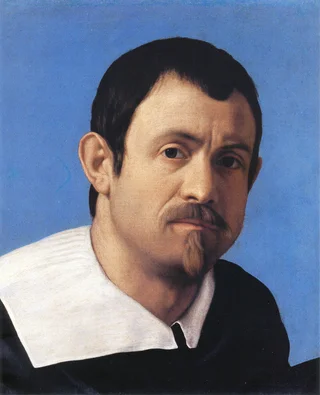
Giovanni Battista Salvi da Sassoferrato
1609–1685 · Papal States · Baroque
The story
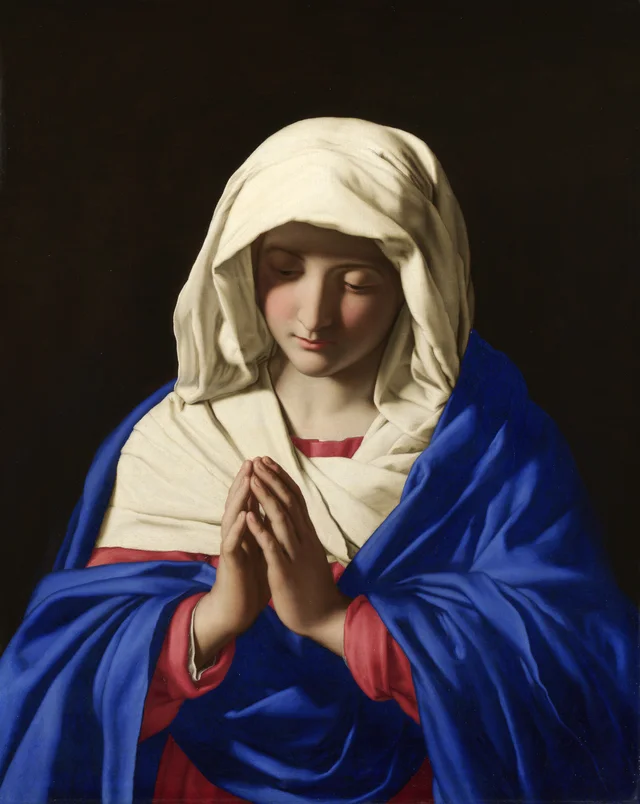
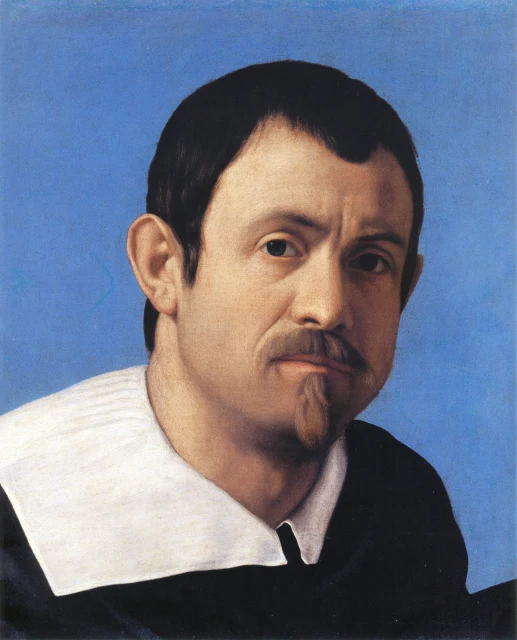
While Rome filled its churches with swirling Baroque ceilings and dramatic saints, Giovanni Battista Salvi kept painting quiet blue-and-white Madonnas that looked a century out of date. Everyone calls him Sassoferrato, after the small hill town in the Marche, east of Rome, where he was born in 1609.
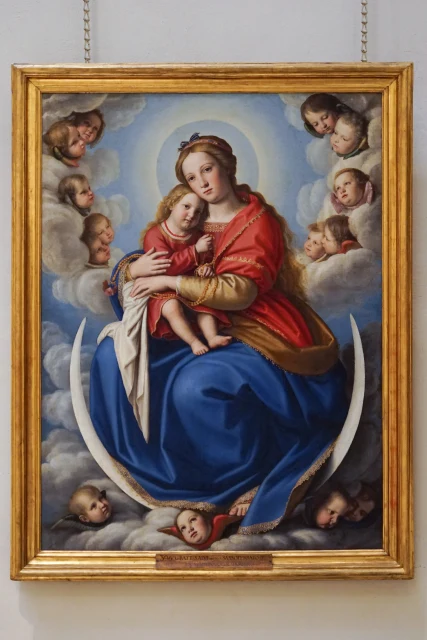
He built his style by looking backwards, to the calm and clarity of Raphael, dead almost a hundred years, and to the softer classical painters of his own century such as Guido Reni. Rather than chase grand commissions, he made devotional images for private prayer, above all the Virgin Mary with her head bowed and her eyes lowered, and repeated a handful of favourite compositions with small changes, again and again, the kind of image the Counter-Reformation church wanted people to pray in front of.
He did paint on a larger scale when asked: an altarpiece of the Madonna of the Rosary still hangs in the church of Santa Sabina in Rome. Sassoferrato died in 1685, and for a long time afterwards some of his tender Madonnas were mistaken for actual Renaissance works.