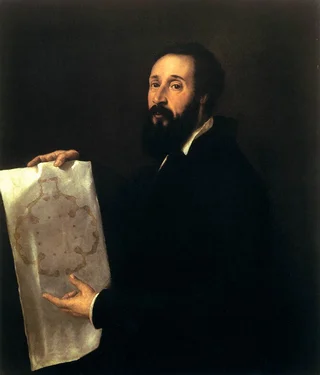
Giulio Romano
1499–1546 · Papal States · Mannerism
The story
Giulio Romano is the only visual artist Shakespeare ever names. In The Winter's Tale a lifelike statue is credited to that rare Italian master, Giulio Romano, a strange afterlife for a painter who had been dead for decades and never carved marble at all. It shows how far his fame as a maker of astonishing illusions had travelled.
He was Raphael's most gifted pupil in Rome, and when Raphael died young in 1520 Giulio helped finish the master's unfinished walls. Then he moved to Mantua to serve its duke, and there he became something wilder. As both architect and painter he built and decorated the Palazzo del Te, a pleasure villa where the rules of good taste are deliberately roughed up.
Its most notorious room is the Chamber of the Giants, where painted rocks and columns seem to crash down on the viewer from every wall and ceiling, the whole space collapsing in a storm sent by the gods. Giulio spent the rest of his career remaking Mantua as its chief artist and city architect, and died there in 1546, just as he was being called to take charge of the works at St Peter's in Rome.
Works
21 works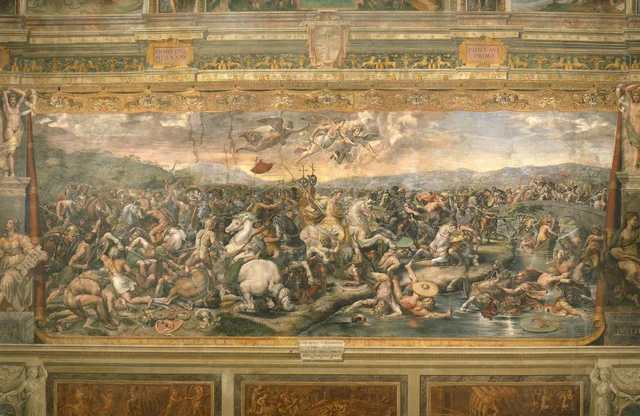 The Battle of the Milvian BridgeGiulio Romano, 1520
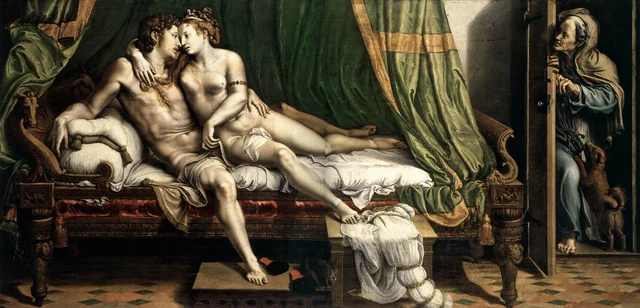 Love SceneGiulio Romano, 1525
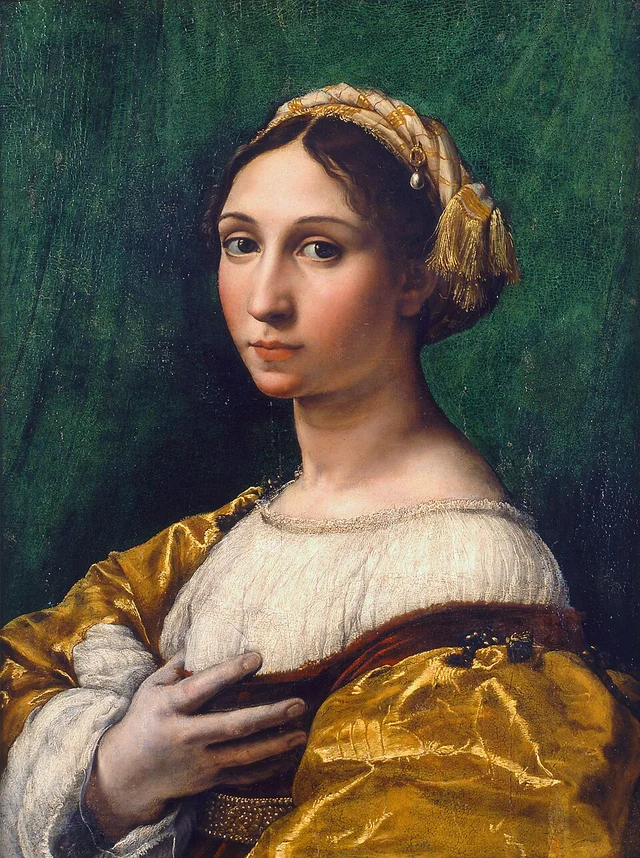 Portrait of a young womanGiulio Romano, 1520
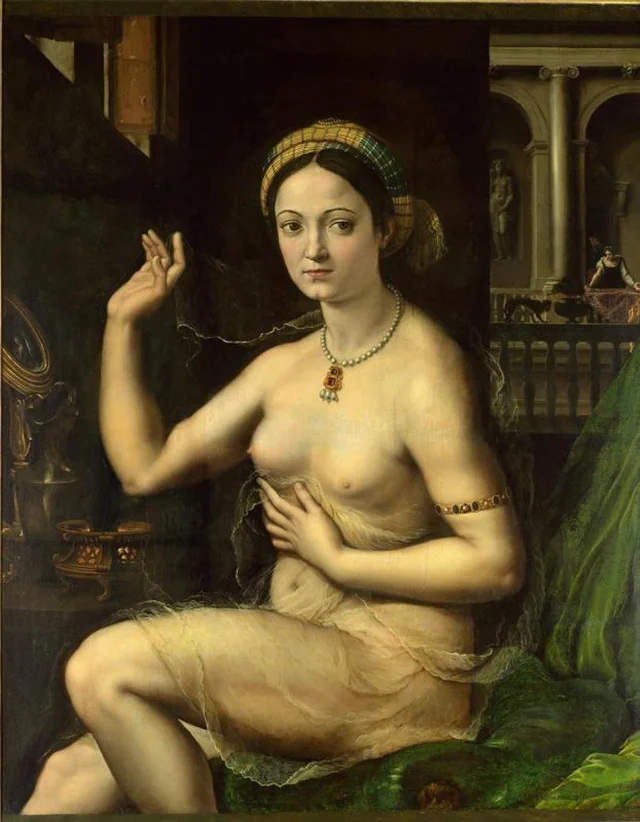 Woman before the mirrorGiulio Romano, 1520
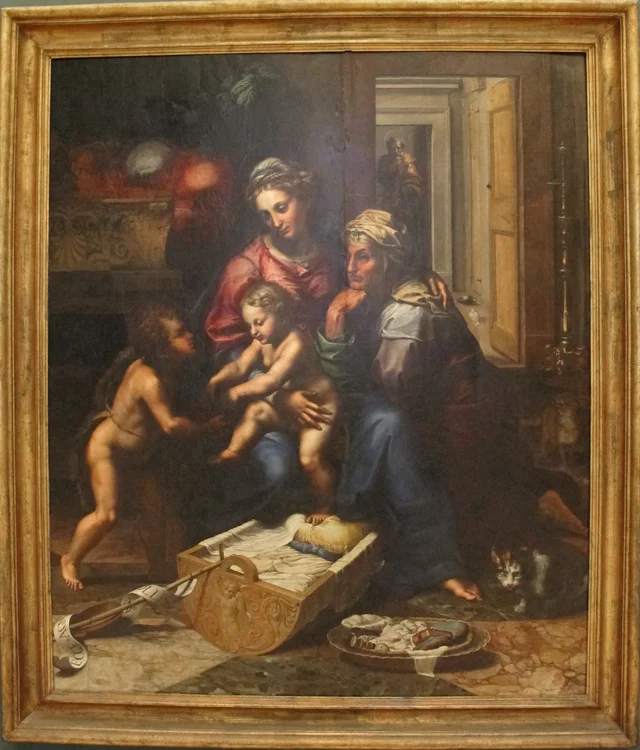 Madonna of the catGiulio Romano, 1522
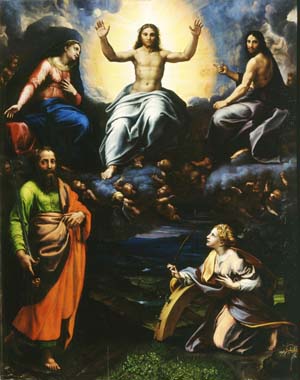 Deesis with Saint Paul and Saint CatherineGiulio Romano, 1520
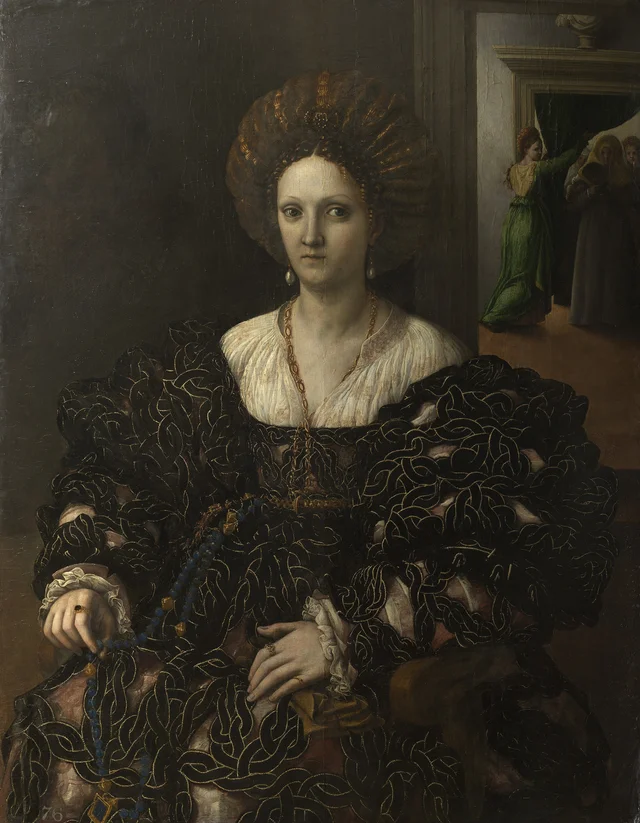 Portrait of Margherita PaleologoGiulio Romano, 1531
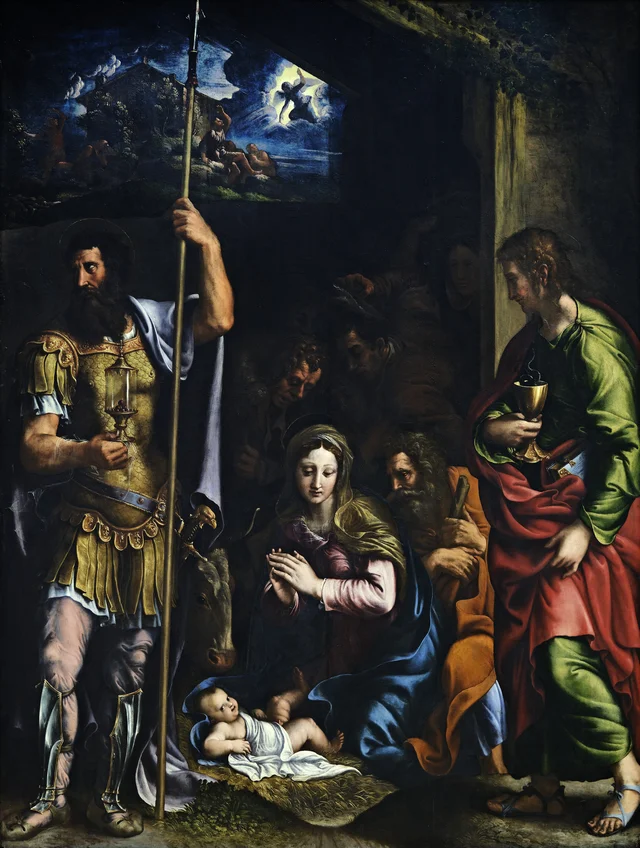 Adoration of the Shepherds with Sts. Longinus and JohnGiulio Romano, 1536
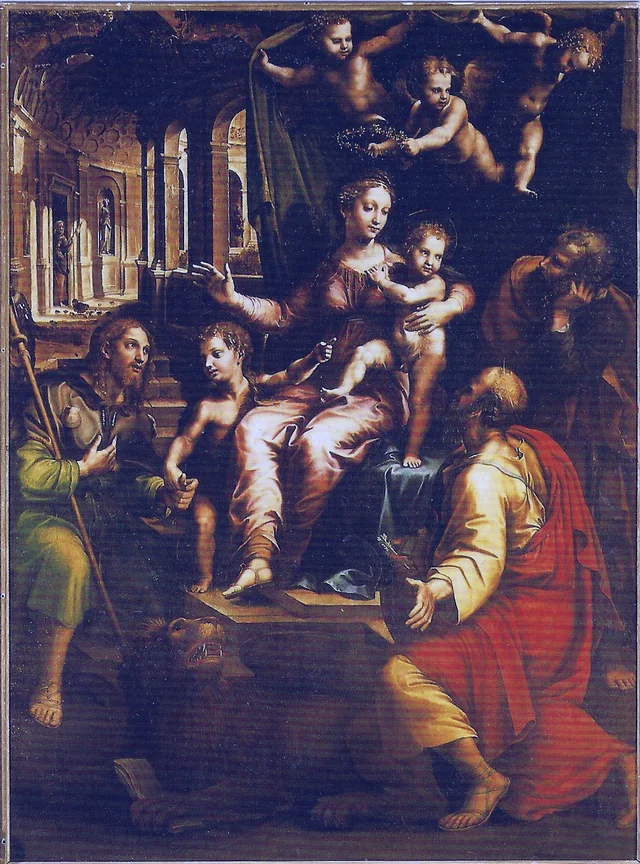 Altarpiece FuggerGiulio Romano, 1521
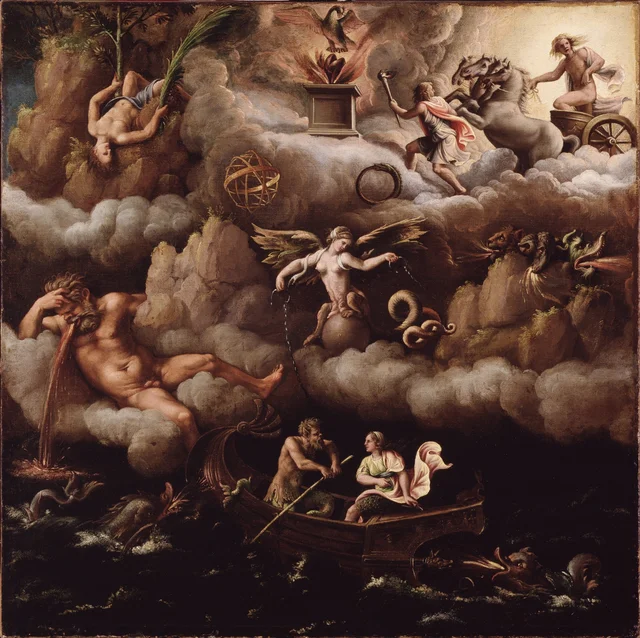 An Allegory of ImmortalityGiulio Romano, 1540
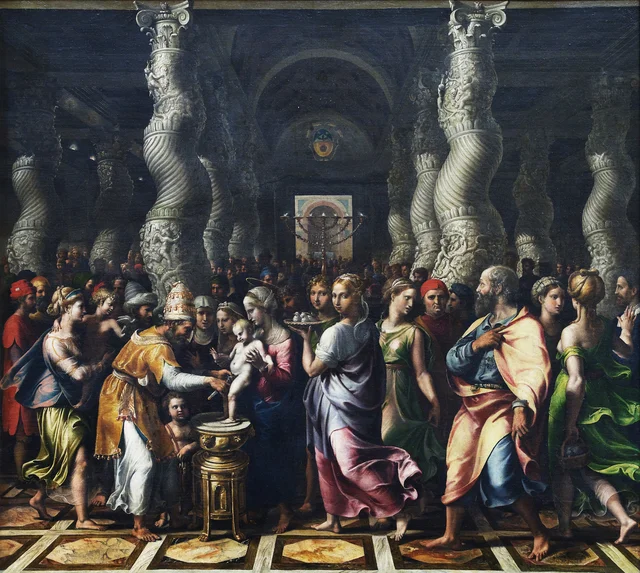 CircumcisionGiulio Romano, 1525
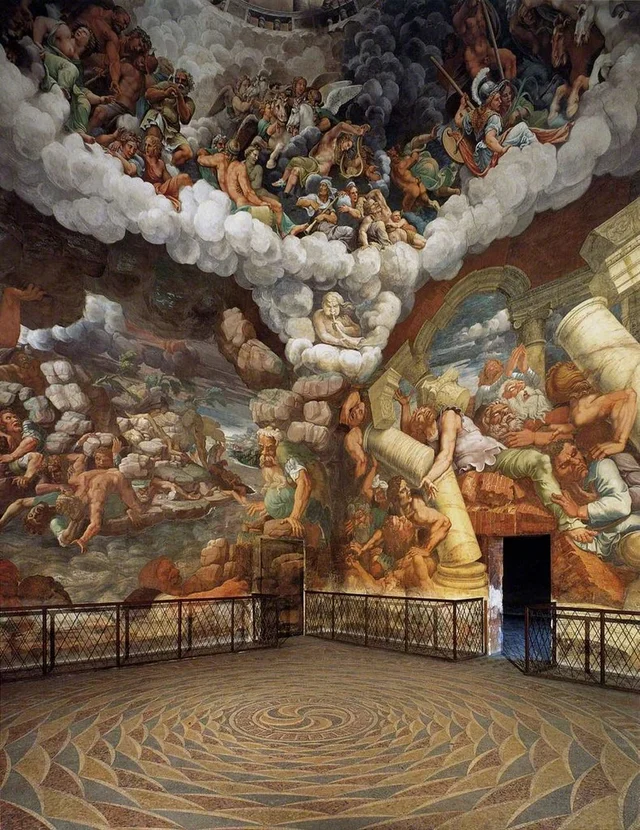 Fall of the GiantsGiulio Romano, 1530
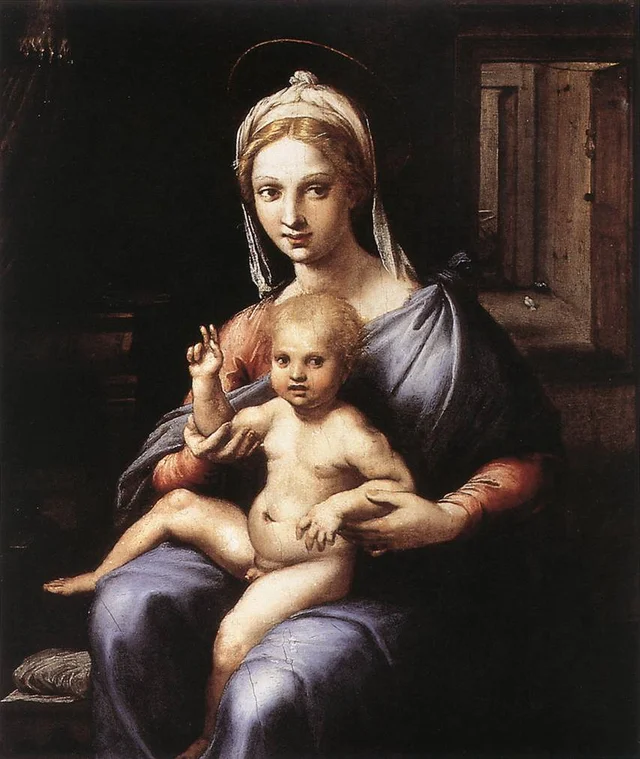 Madonna and ChildGiulio Romano, 1517
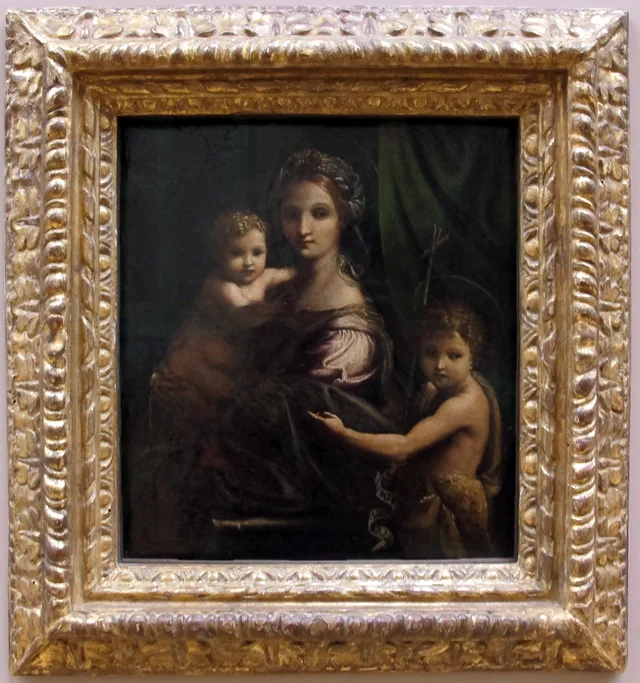 Madonna and Child with the Infant St. JohnGiulio Romano, 1516
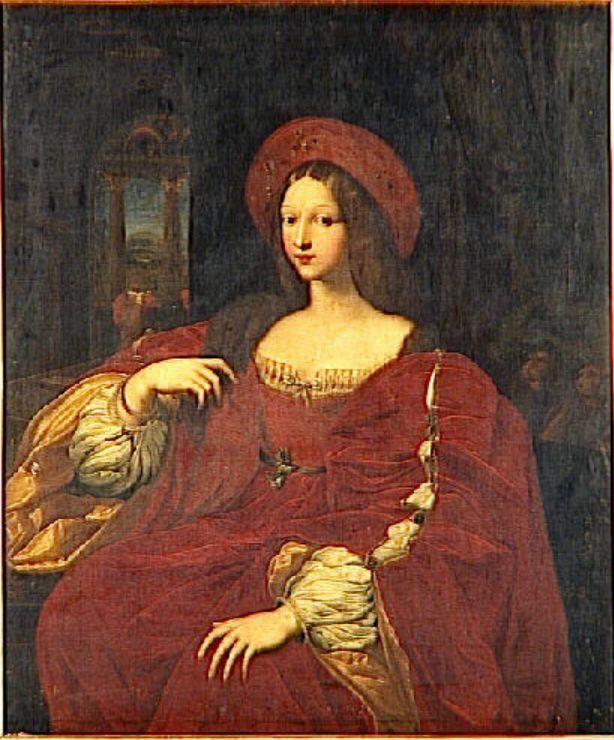 Portrait of Dona Isabel de RequesensGiulio Romano, 1518
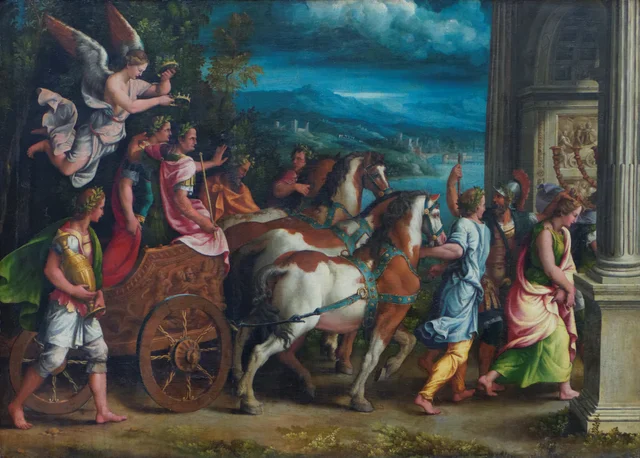 Triumph of Titus and VespasianGiulio Romano, 1537
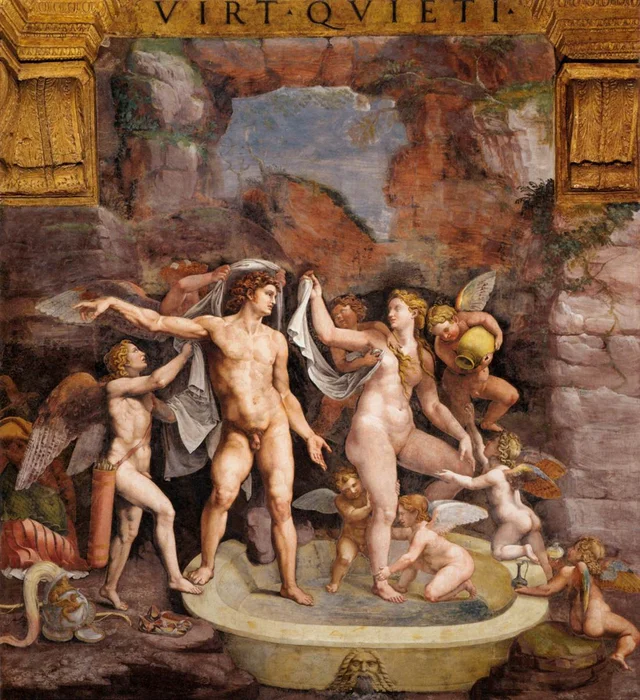 Venus and Mars bathingGiulio Romano, 1527
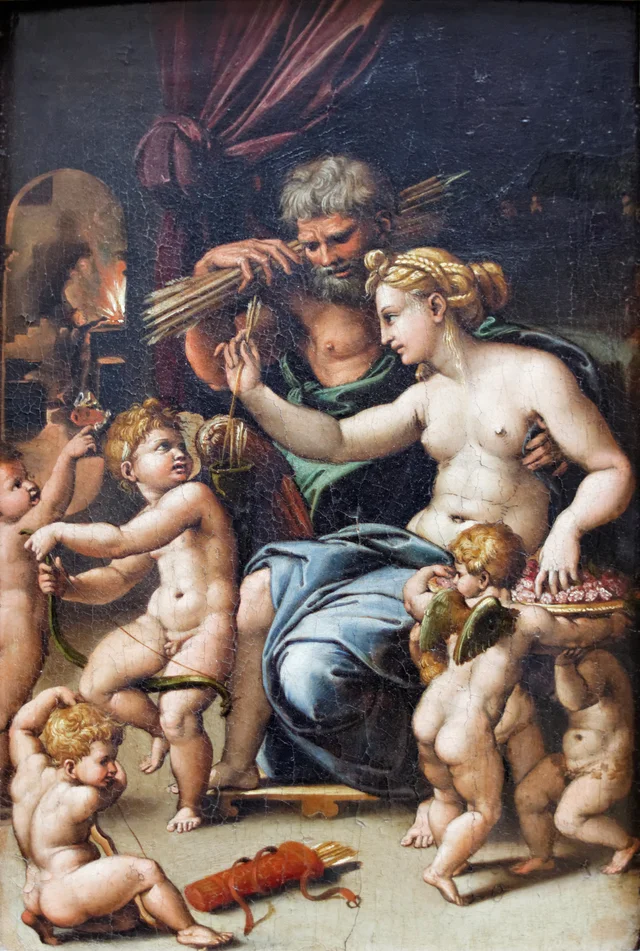 Venus and VulcanGiulio Romano, 1525
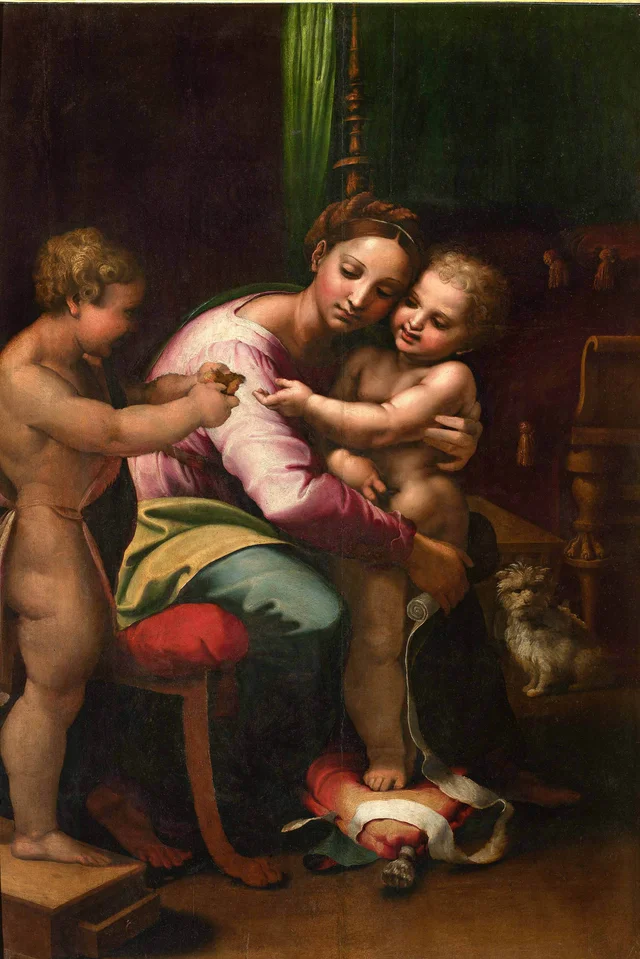 Madonna and Child with The Infant Saint John the BaptistGiulio Romano, 1518
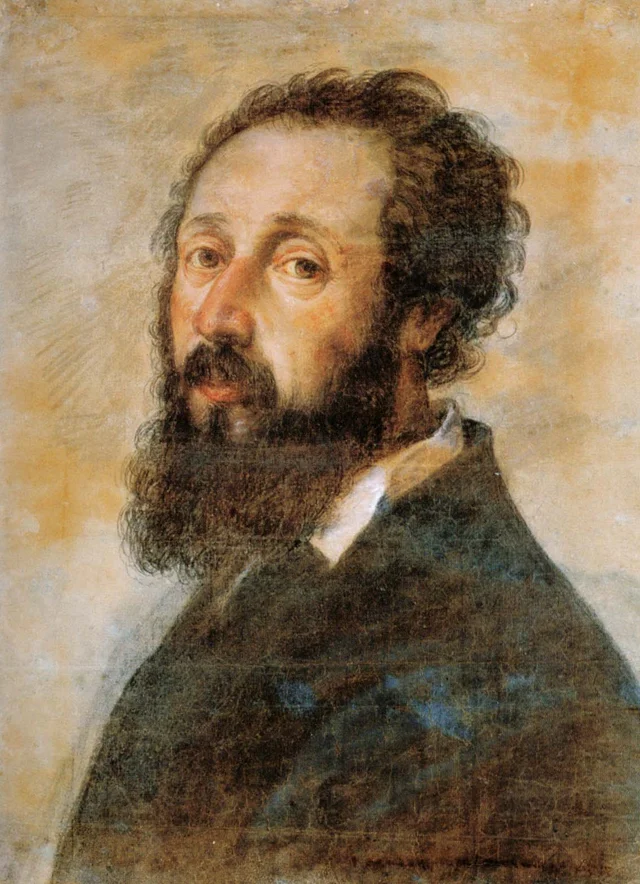 Self-portraitGiulio Romano, 1540
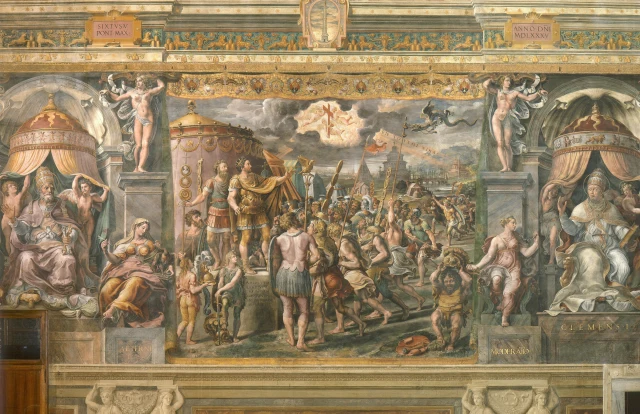 The Vision of the CrossGiulio Romano, 1520