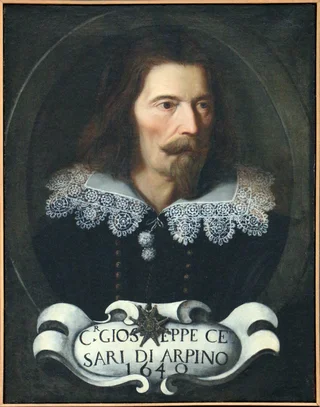
Giuseppe Cesari
1568–1640 · Kingdom of Naples · Mannerism
The story
Around 1600 the busiest painter in Rome was Giuseppe Cesari, known as the Cavaliere d'Arpino after Pope Clement the Eighth made him a knight. He ran a large, fashionable workshop, frescoed the vault of the Palazzo dei Conservatori on the Capitoline hill with scenes from Rome's legendary past, and turned out the polished late-Mannerist pictures that popes and cardinals wanted.
One of the boys who passed through that workshop was a newcomer from the north, Michelangelo Merisi, soon famous as Caravaggio. For a short while the young man painted fruit and flowers for Cesari before leaving to work in the raw, shadowed manner that would make his name.
The two men crossed again in a strange way. In 1607 Cesari was arrested on a charge of illegally owning firearms, and Cardinal Scipione Borghese, the art-hungry nephew of the reigning pope, seized his whole collection of more than a hundred pictures. Among them were two early Caravaggios, the Sick Bacchus and the Boy with a Basket of Fruit. Both still hang in the Borghese Gallery in Rome, the paintings that outlasted the quarrel that brought them there.
Works
12 works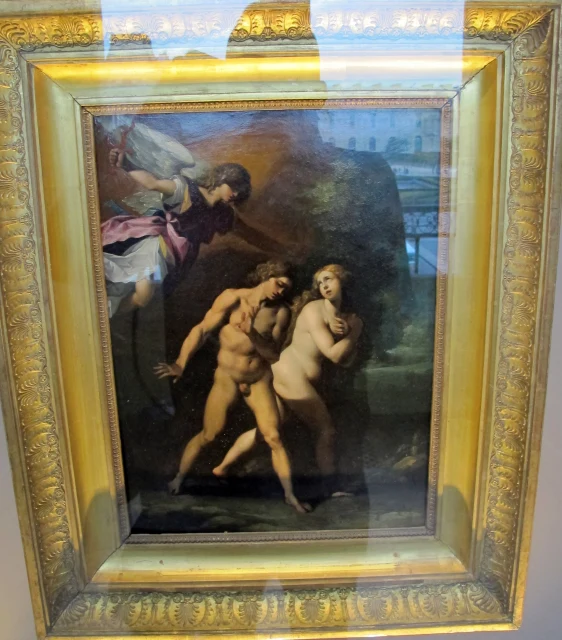 Adam and Eve Expelled from ParadiseGiuseppe Cesari, 1587
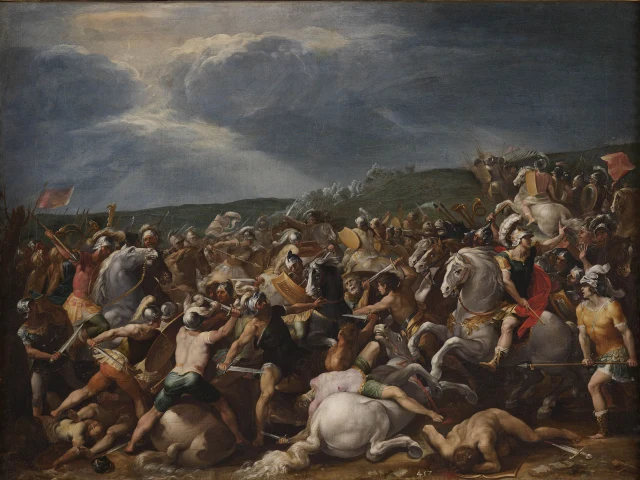 Battle of Tullus Hostilius against the VeientesGiuseppe Cesari, 1596
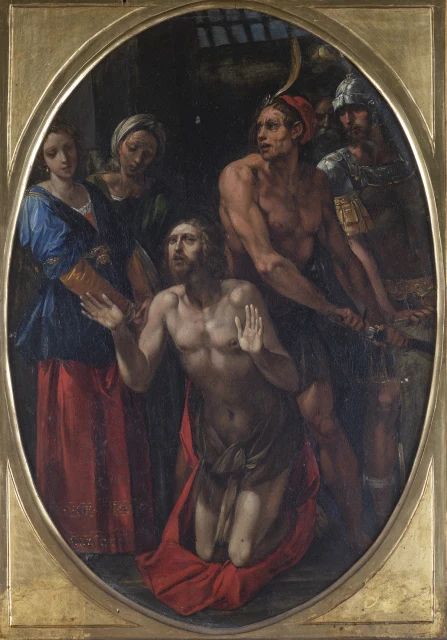 Beheading of Saint John the BaptistGiuseppe Cesari, 1630
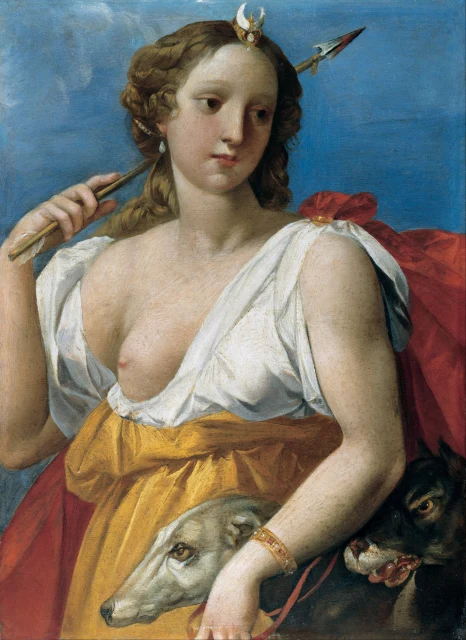 Diana the HuntressGiuseppe Cesari, 1602
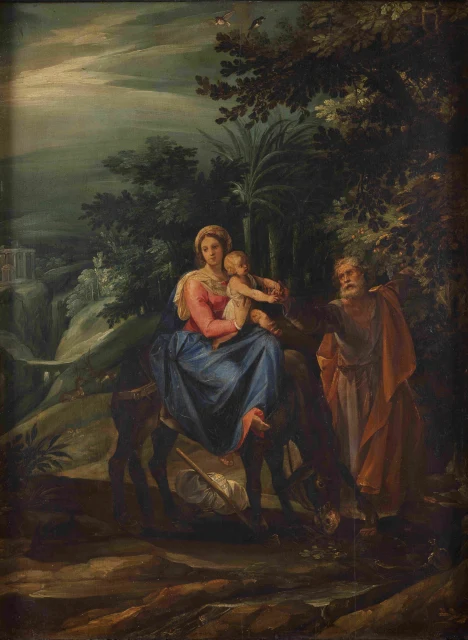 Flight into EgyptGiuseppe Cesari, 1595
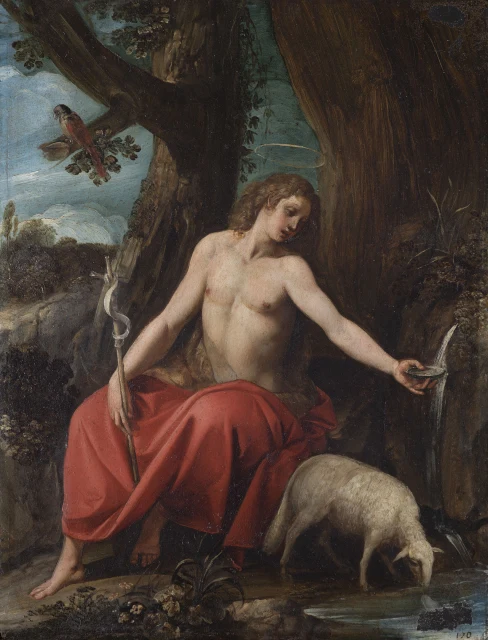 Saint John the BaptistGiuseppe Cesari, 1604
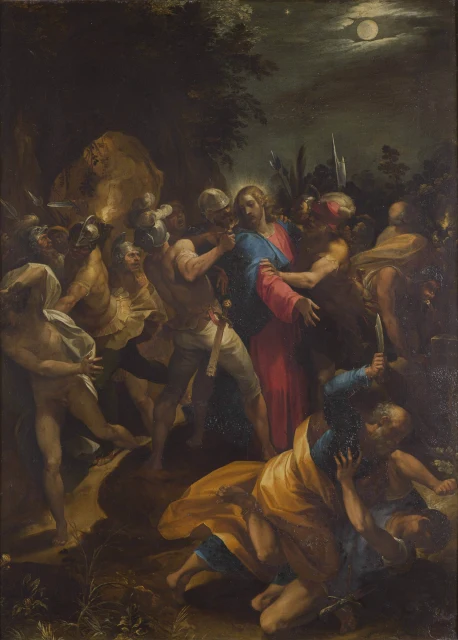 Taking of ChristGiuseppe Cesari, 1598
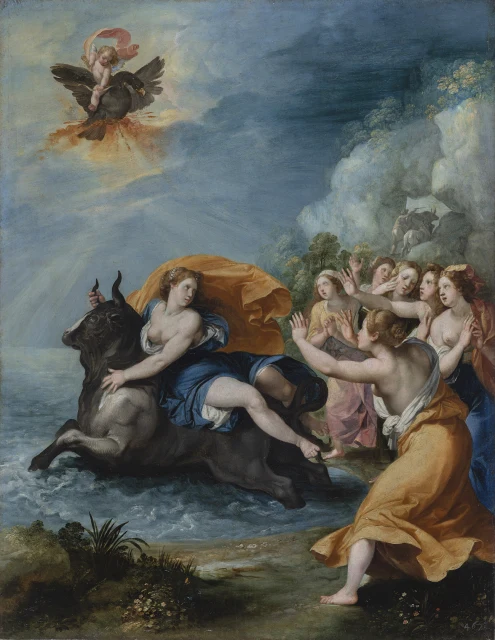 The Abduction of EuropaGiuseppe Cesari, 1605
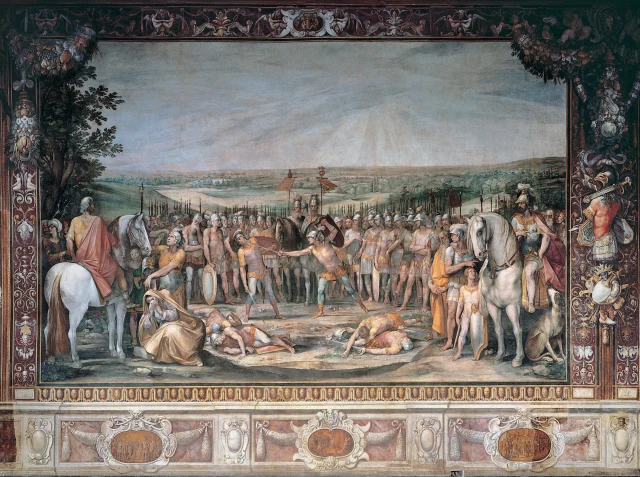 The Battle between the Horatii and the CuriatiiGiuseppe Cesari, 1612
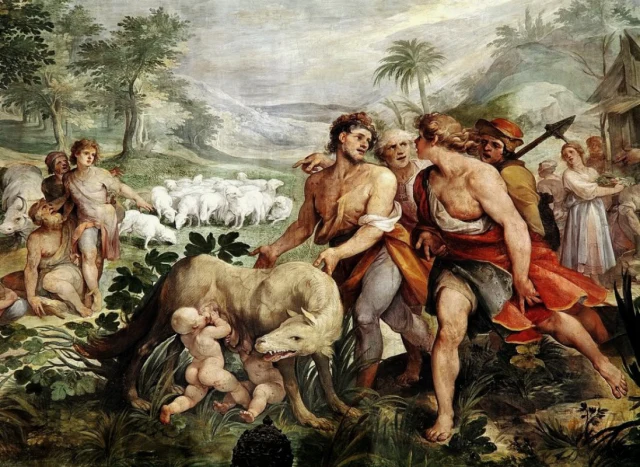 The Finding of the She-WolfGiuseppe Cesari, 1596
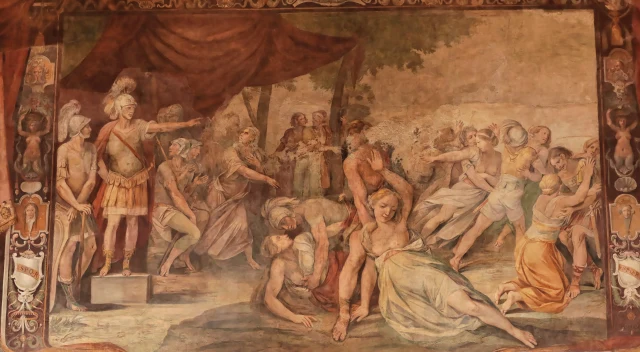 The Rape of the Sabine WomenGiuseppe Cesari, 1635
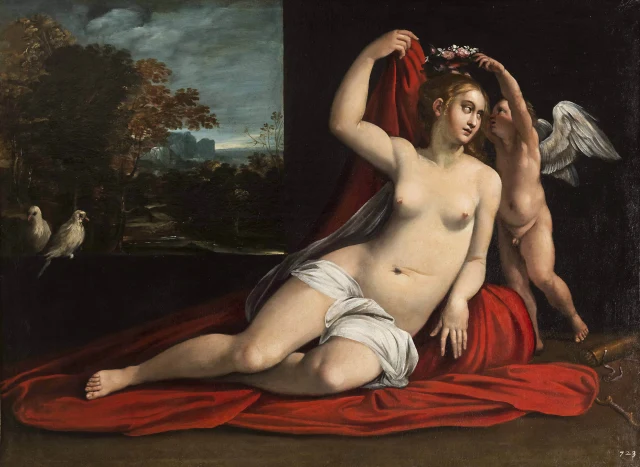 Venus Crowned by CupidGiuseppe Cesari