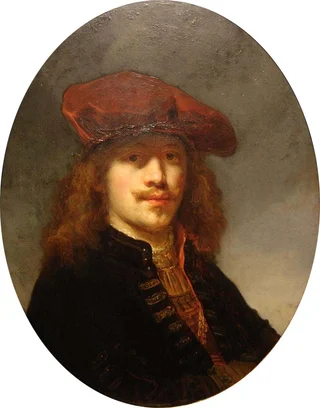
Govert Flinck
1615–1660 · Dutch Republic · Dutch Golden Age painting
The story
Govert Flinck came to Amsterdam around 1633 as a young man to study with Rembrandt, and for a few years he painted so closely in his teacher's manner that buyers could barely tell the two apart. Then he did something Rembrandt never managed. He read the changing taste of wealthy Amsterdam, smoothed his style toward a brighter, more elegant finish, and made himself the most sought-after portrait and history painter in the city.
By the late 1650s that success brought the biggest prize going. Amsterdam had just finished its enormous new Town Hall on the Dam, the building that is now the Royal Palace, and Flinck won the commission to fill it with 12 huge history paintings of the ancient Batavians, the tribe the Dutch claimed as their ancestors.
He barely began. Flinck died suddenly in 1660, only 45 years old, with the cycle scarcely started. The work was parcelled out to other hands, among them his old teacher Rembrandt, whose contribution was taken down after about a year and returned to him. Flinck's finished paintings still hang in Amsterdam, and in the palace he did not live to decorate.
Works
13 works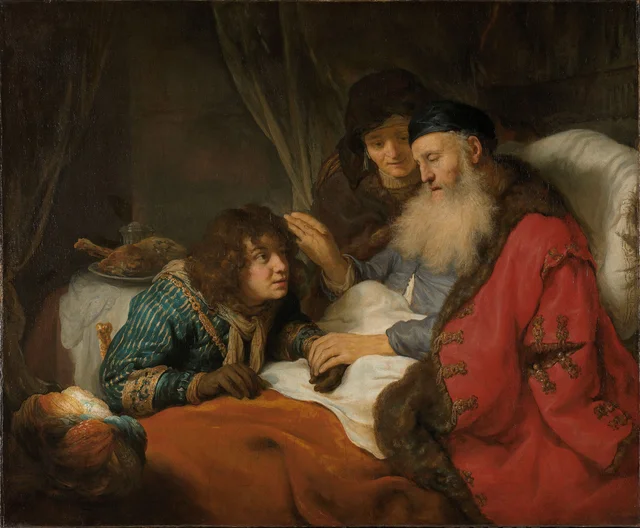 Isaac Blessing JacobGovert Flinck, 1638
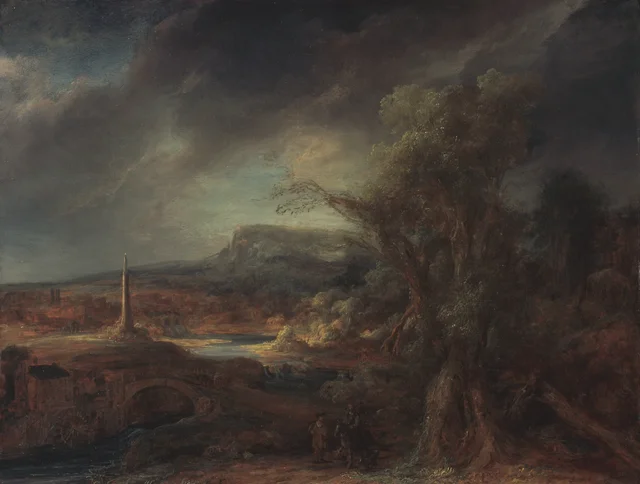 Landscape with ObeliskGovert Flinck, 1638
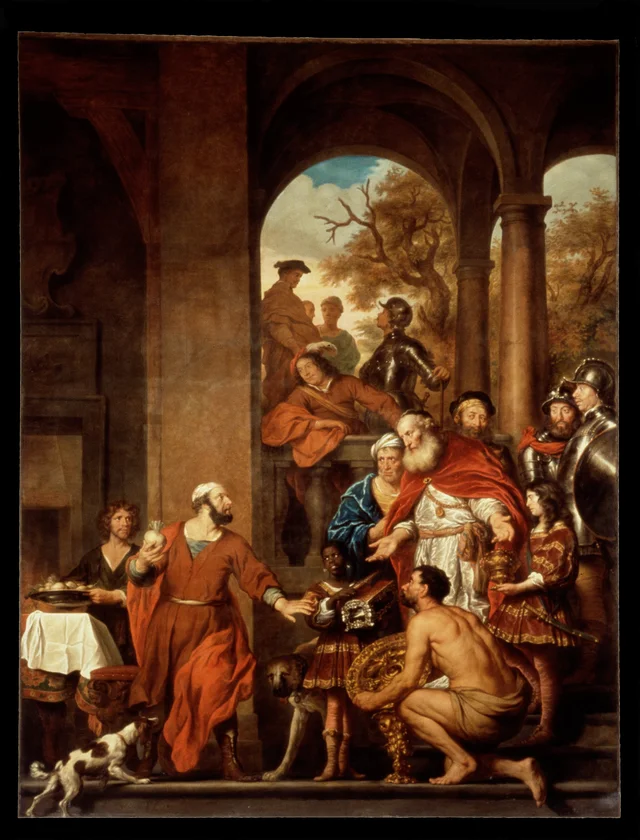 Manius Curius Dentatus Refuses the Gifts of the SamnitesGovert Flinck, 1656
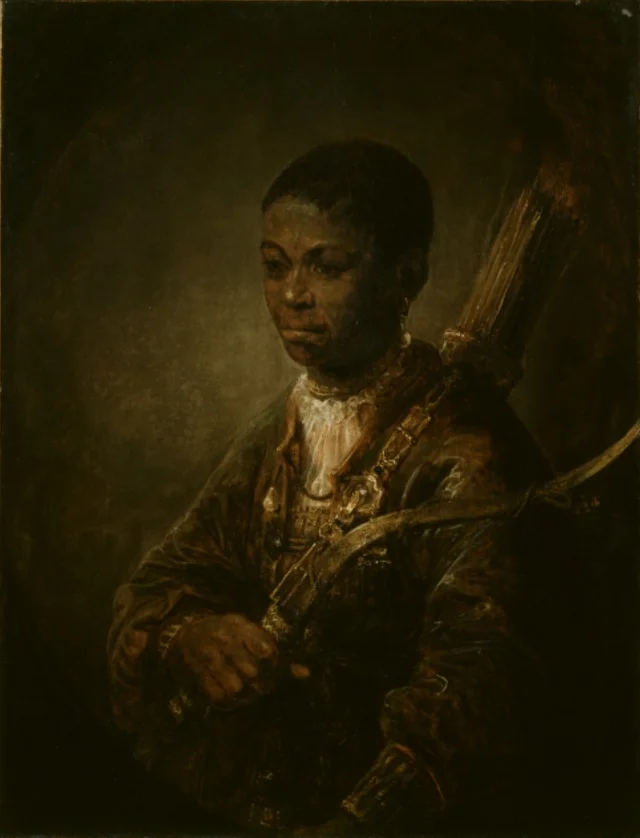 A Young ArcherGovert Flinck, 1639
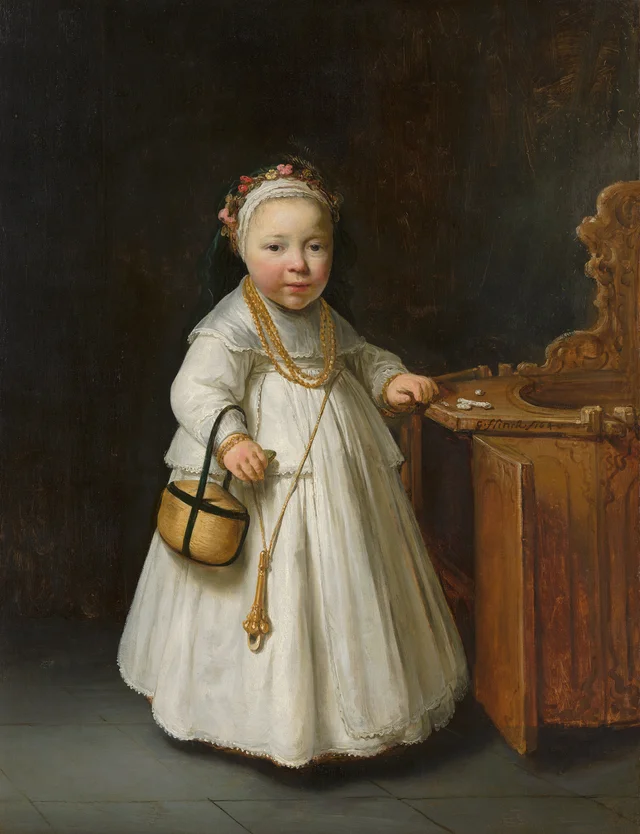 Girl by a High ChairGovert Flinck, 1640
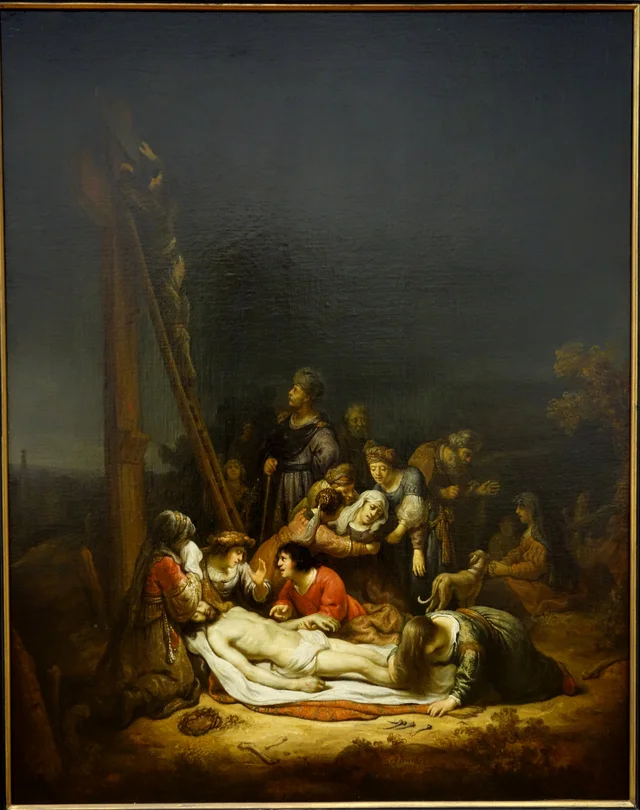 LamentationGovert Flinck, 1637
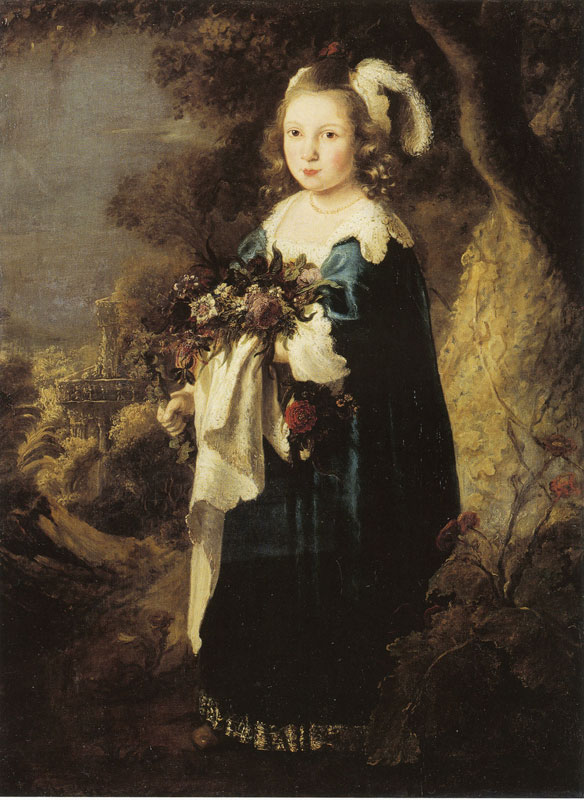 A Girl as FloraGovert Flinck, 1640
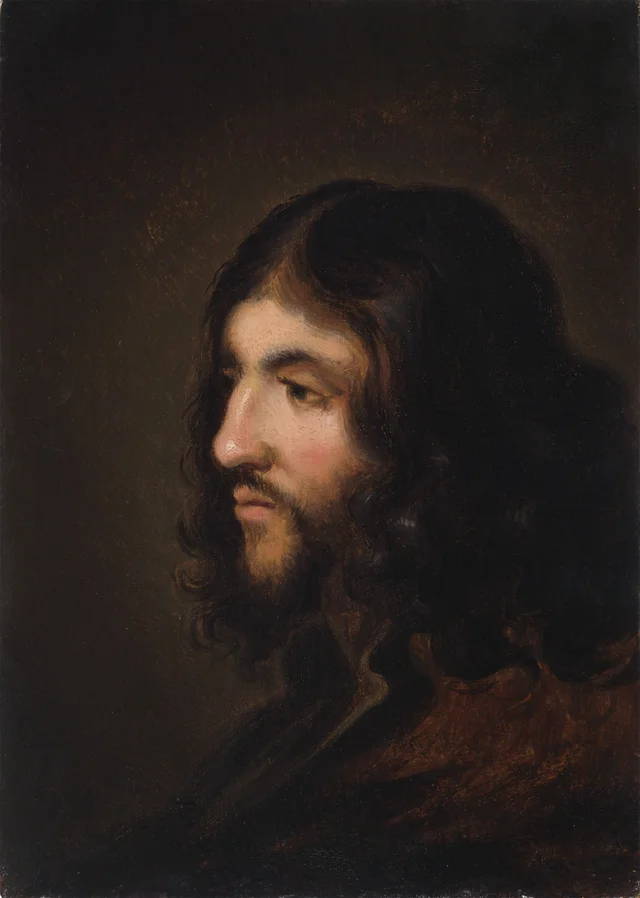 Portrait of a Man in ProfileGovert Flinck, 1637
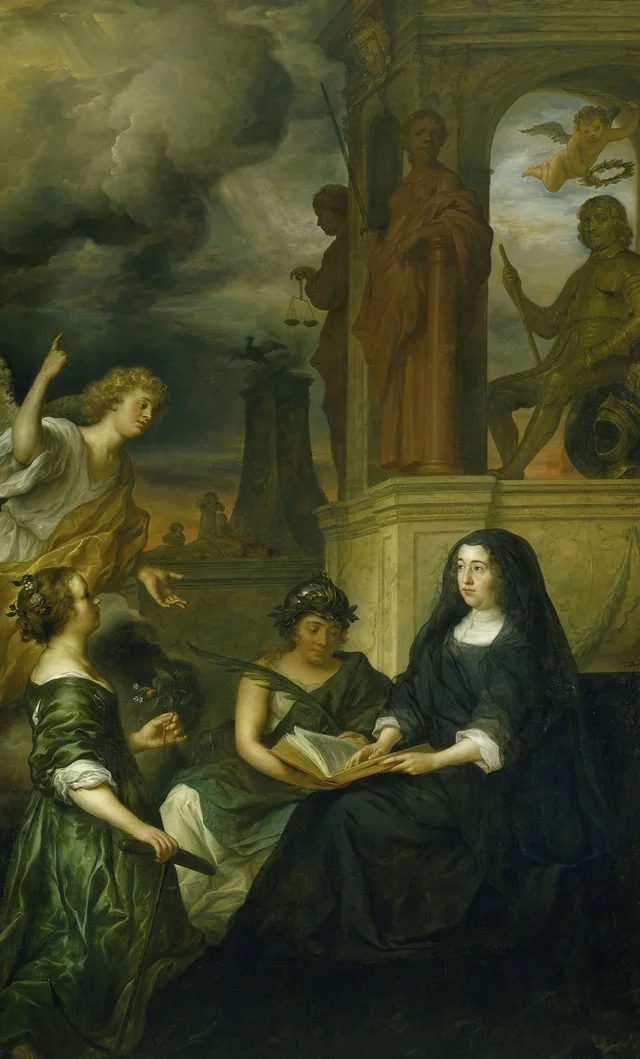 Allegory on the memory of Frederik Hendrik (1584-1647), prince of Orange, with the portrait of his widow Amalia van SolmsGovert Flinck, 1654
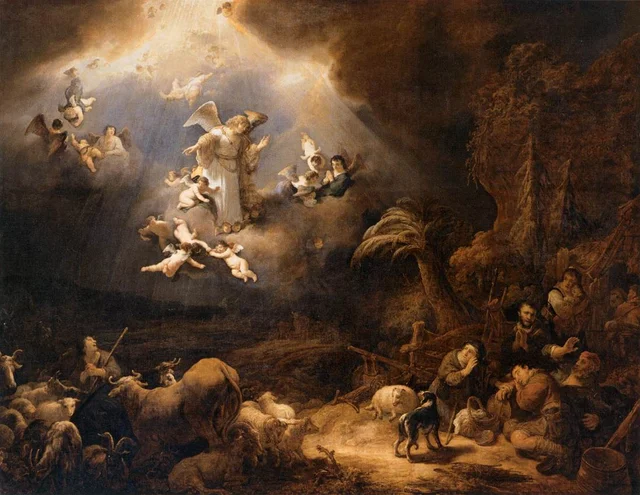 Angels Announcing Christ's Birth to the ShepherdsGovert Flinck, 1639
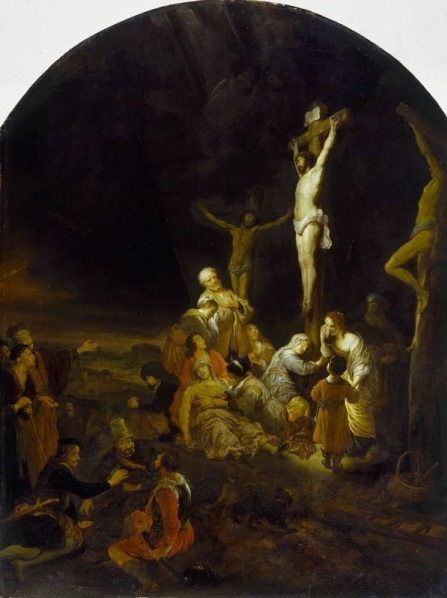 CalvaryGovert Flinck, 1649
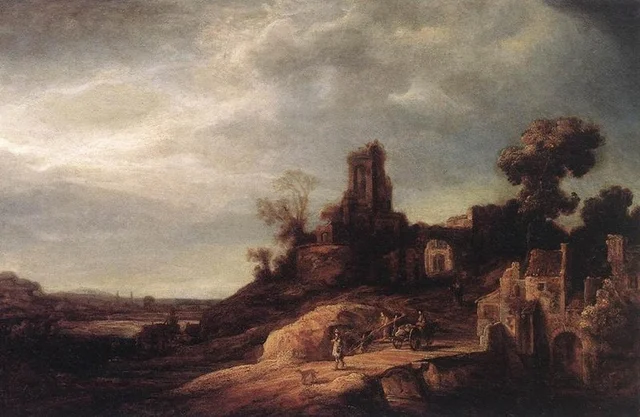 Landscape with Bridge and RuinsGovert Flinck, 1637
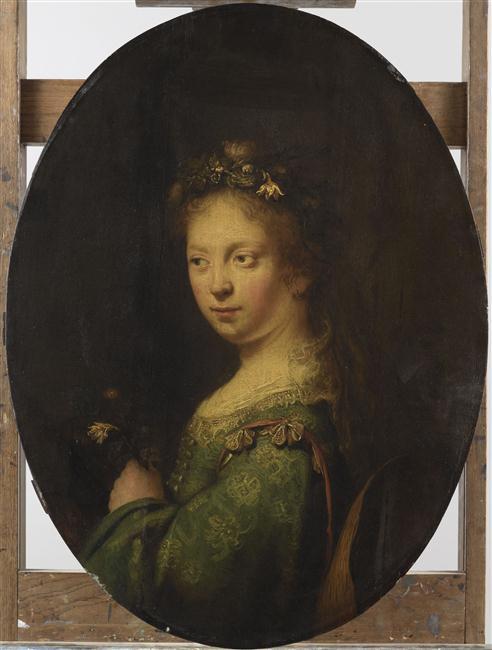 Young Shepherdess as FloraGovert Flinck, 1638