Hans Makart
1840–1884 · Austrian Empire · Academic art
The story
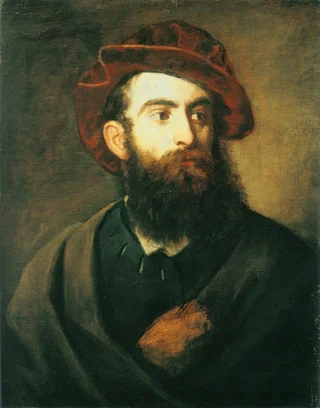
On 27 April 1879, some 15,000 people in Renaissance costume paraded down Vienna's grand new Ringstrasse boulevard to mark the silver wedding of Emperor Franz Joseph and Empress Elisabeth. One man had designed nearly all of it, the costumes, the floats, the whole staging. That man was Hans Makart, and for a few years he was the most famous artist in the city.
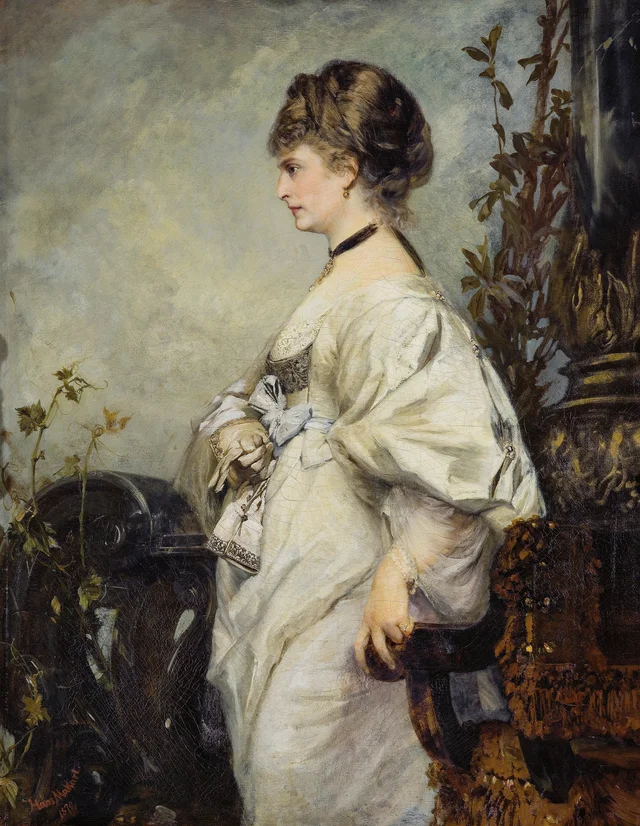
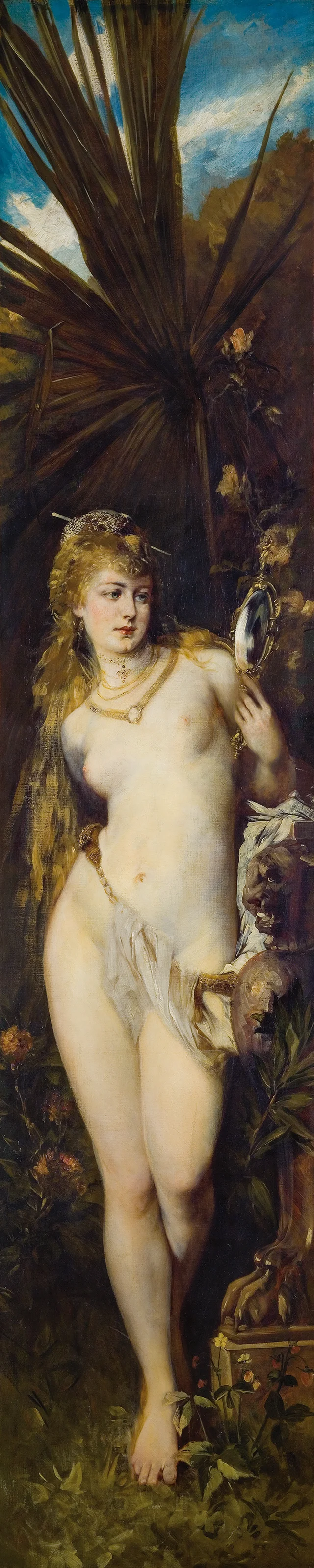
Makart painted enormous, richly coloured history and allegory canvases, crowded with velvet, flowers and bare flesh in the manner of Rubens, whom he adored. His taste spread far beyond his paintings into furniture, interiors and fashion, until the whole opulent look of the era carried his name, the Makartstil. His studio, a vast hall stuffed with tapestries, weapons, plants and casts, became a social attraction in its own right, where Viennese society came to watch him work.
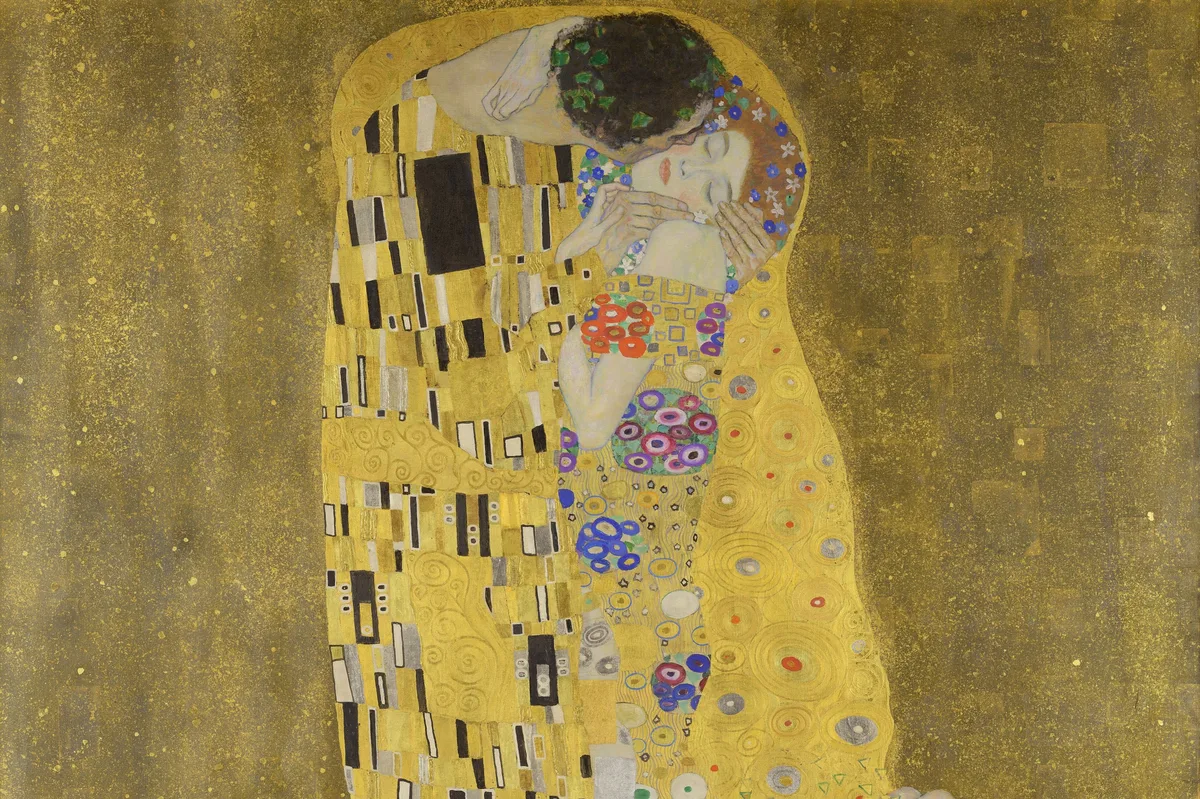
He worked at speed and lived at speed, and he died in 1884 at just 44, his health broken, at the height of his fame. His reputation faded almost as fast as it had risen. Among the young painters who had passed through his orbit was Gustav Klimt, then in his early twenties, who took Makart's love of gold and pattern somewhere new. Makart's own giant canvases, like the five tall allegorical nudes of The Five Senses, now hang in the Belvedere museum in Vienna.