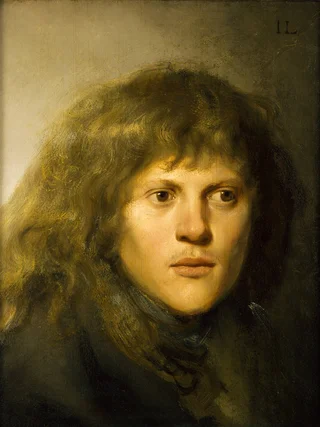
Jan Lievens
1607–1674 · Dutch Republic · Dutch Golden Age, Baroque
The story
In the late 1620s two very young painters were working side by side in the town of Leiden in the Dutch Republic, and for a while it was hard to tell them apart. One was Rembrandt. The other was Jan Lievens, a year younger, and at the time arguably the more precocious of the two.
Lievens had been a prodigy. He was sent to train in Amsterdam as a boy and was running his own studio back in Leiden by the age of 12. When Constantijn Huygens, secretary to the Prince of Orange and one of the sharpest judges of art in the country, visited the pair around 1628, he was dazzled by Lievens' boldness and grand ambition, and thought he might even outdo Rembrandt in some things.
For a few years the two shared models, props and ideas so closely that even their contemporaries mixed up their pictures. Then their paths split. Lievens left for England and the court of Charles I, then for Antwerp, where the sweeping elegance of Anthony van Dyck and Rubens reshaped his style into something grander and more courtly.
He spent his later career as a sought-after painter of portraits and large decorative commissions in Amsterdam and The Hague. For a long time afterwards his reputation was overshadowed by the studio-mate he had once rivalled, and a number of his finest early works spent centuries hanging under Rembrandt's name.
Works
13 works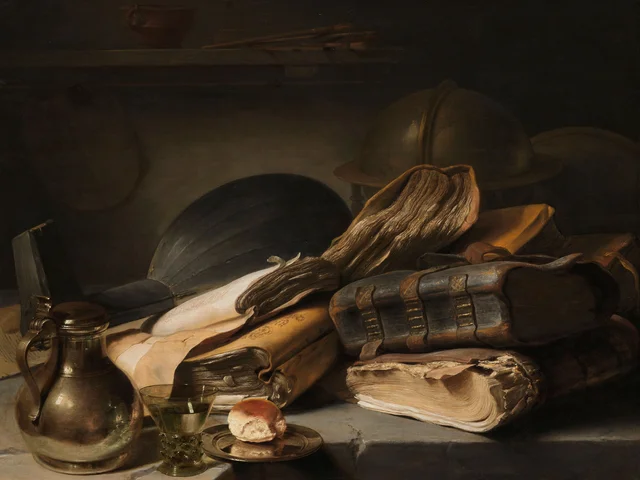 Still Life with BooksJan Lievens, 1628
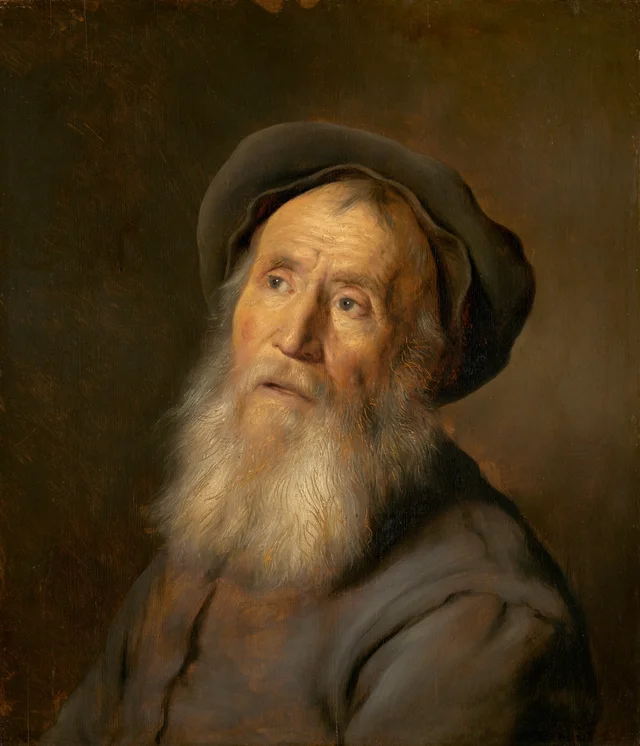 Bearded Man with a BeretJan Lievens, 1630
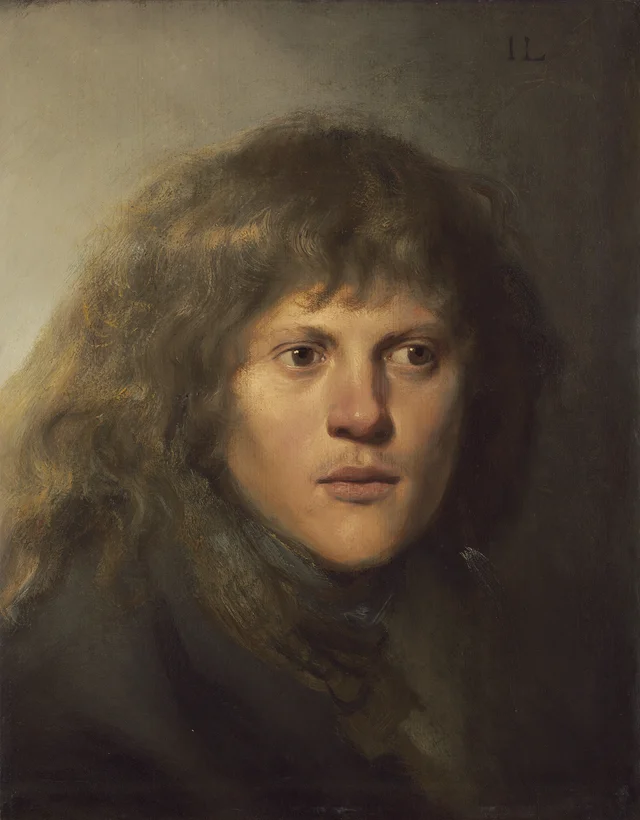 Self-PortraitJan Lievens, 1629
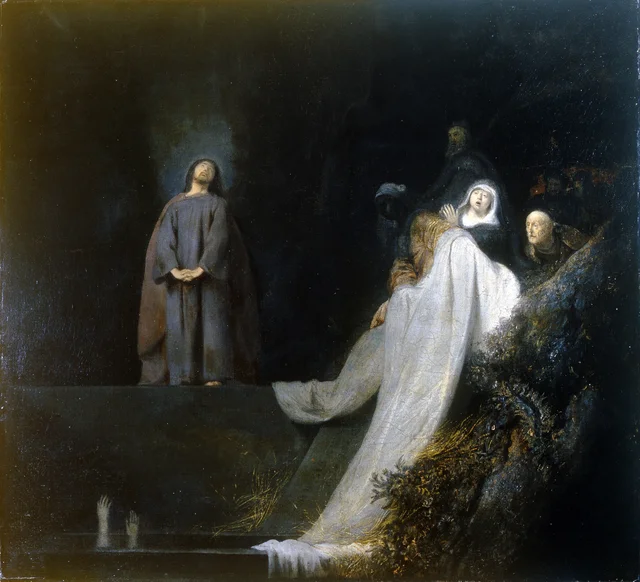 The Raising of LazarusJan Lievens, 1631
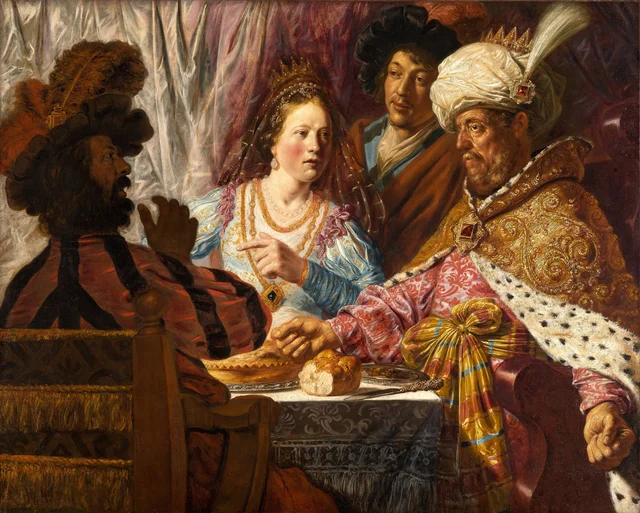 The Feast of EstherJan Lievens, 1625
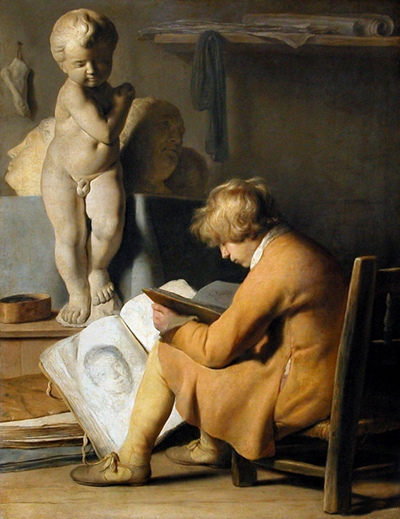 Young Boy in a StudioJan Lievens, 1644
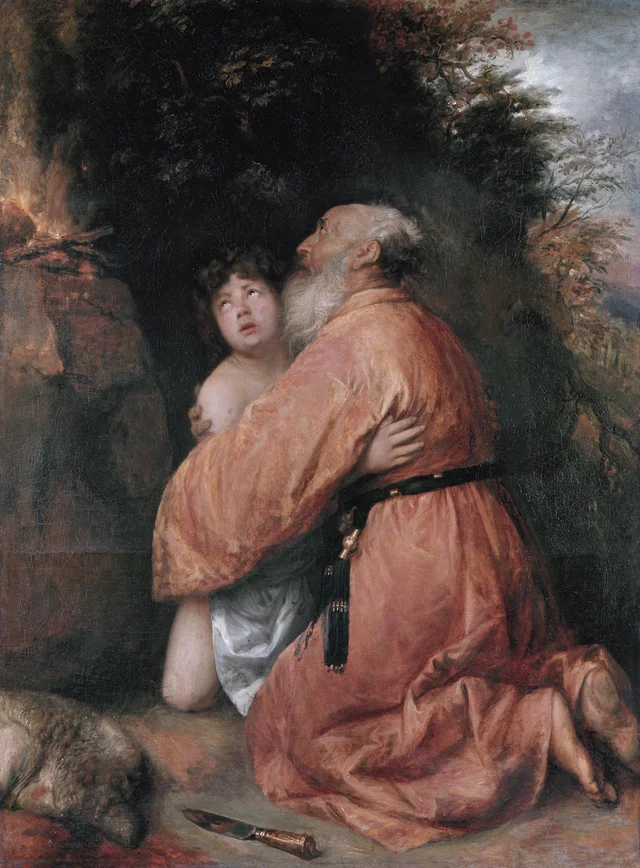 Abraham sacrifices the ram instead of Isaac, the Lord renews his promise to Abraham (Genesis 22:13-18)Jan Lievens, 1638
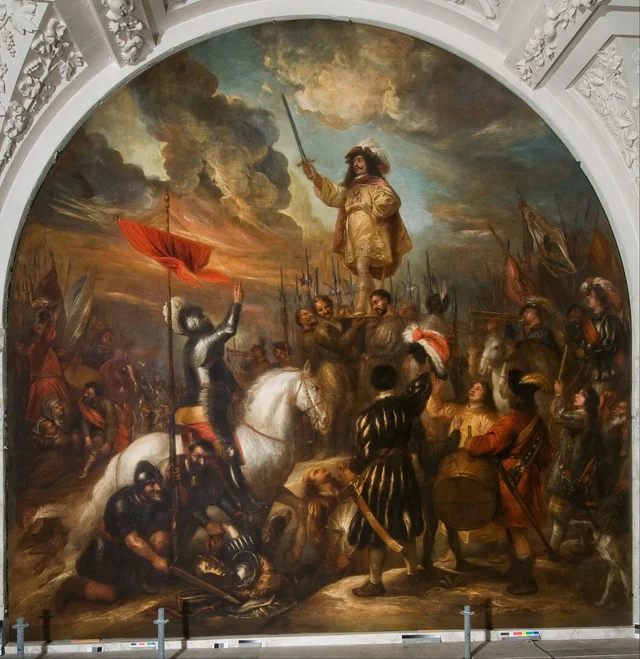 Brinio Raised on a ShieldJan Lievens, 1661
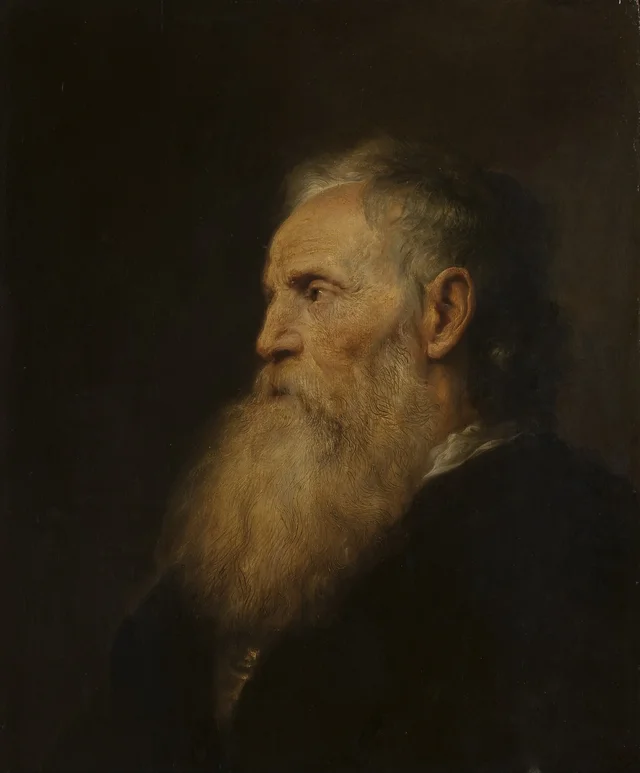 Portrait of an Old ManJan Lievens, 1631
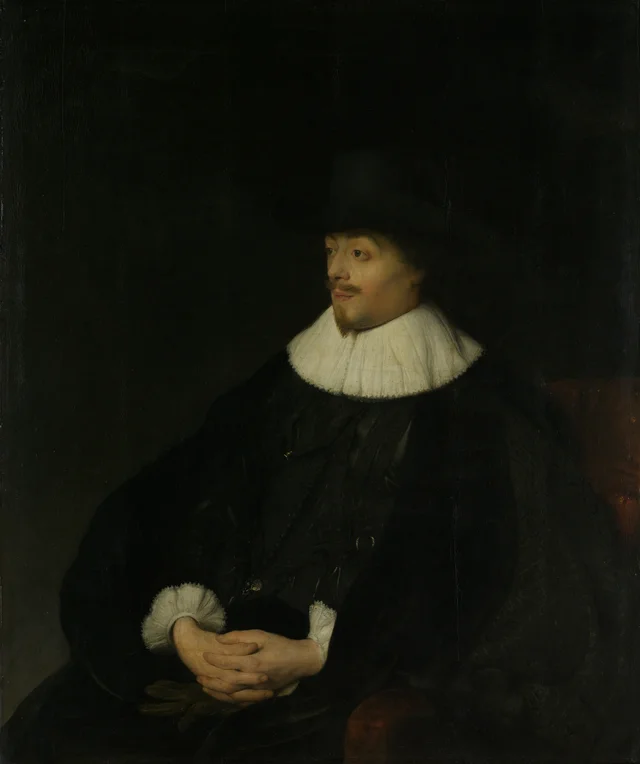 Portrait of Constantijn HuygensJan Lievens, 1628
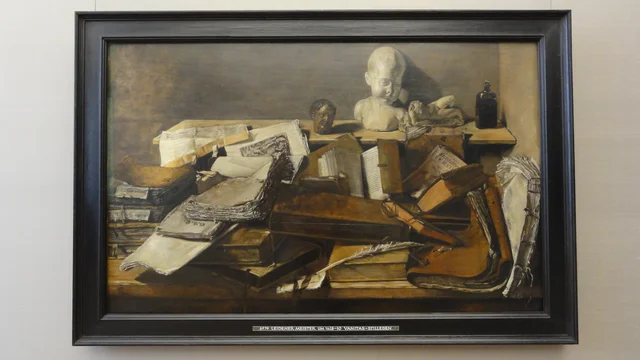 Still-Life with BooksJan Lievens, 1628
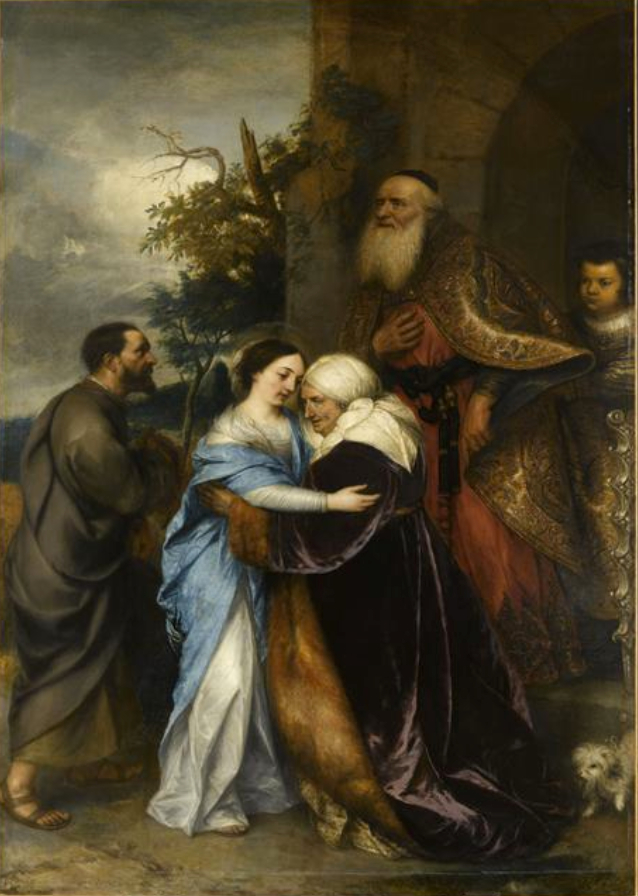 The VisitationJan Lievens, 1640
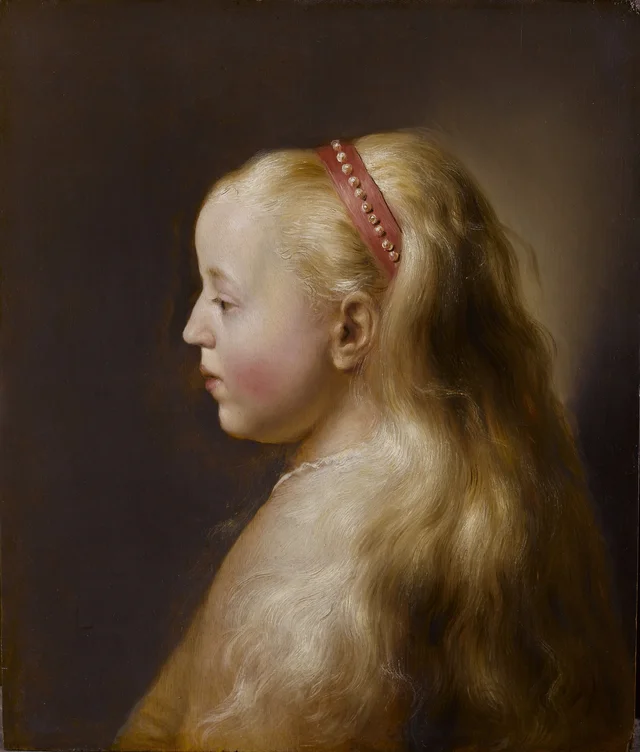 Young Girl in ProfileJan Lievens, 1632