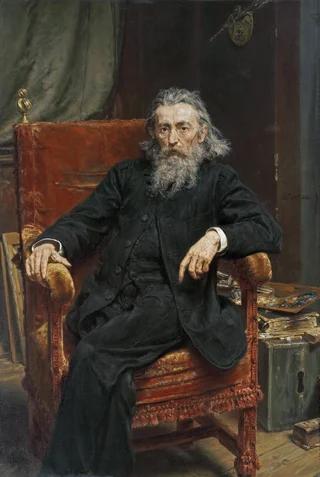
Jan Matejko
1838–1893 · Free City of Kraków · History painting, Romanticism, 19th-century realism
The story
Jan Matejko was born in 1838 in Kraków, in a Poland that did not exist on the map. The country had been split three ways by Russia, Prussia, and Austria six decades earlier, and by the time Matejko was painting, most of his countrymen had never lived under a Polish government. He answered that erasure with size. His paintings of Polish history run to enormous scale, the Battle of Grunwald from 1878 stretches nearly 10 meters wide, crowded with named kings, knights, and banners from a 1410 victory over the Teutonic Knights that Poles could still take pride in even with no state of their own.
Matejko compressed decades into a single canvas, invented meetings that never took place, and dressed his figures for dramatic effect rather than documented costume, choices later historians have criticized. Even so, the paintings were reproduced constantly as prints and postcards, hung in homes across the partitioned Polish lands, doing work that a national museum or a national government could not do at the time.
He taught at Kraków's School of Fine Arts for the last two decades of his life, training the next generation of Polish painters, and died in 1893, buried in the same city where the enormous Grunwald canvas had drawn crowds fifteen years earlier.
Works
56 works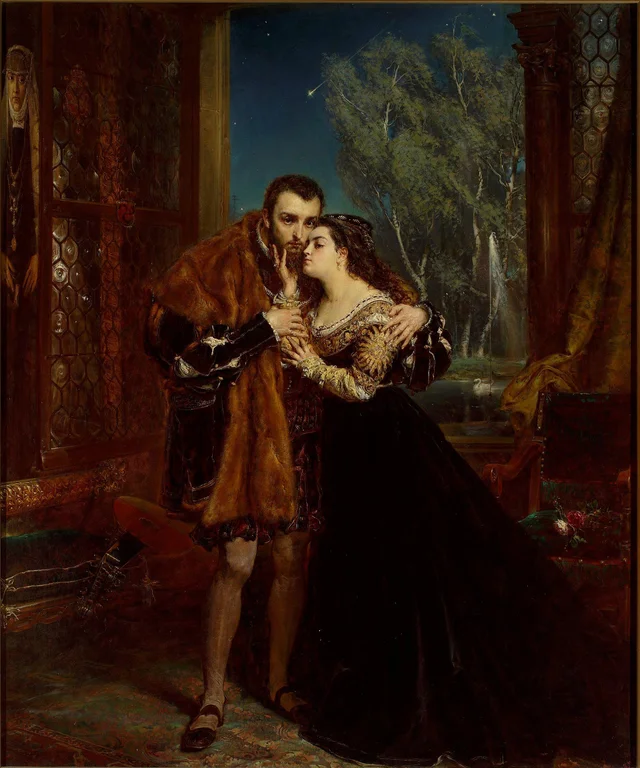 Sigismund Augustus and Barbara at the Radziwiłł court in VilniusJan Matejko, 1867
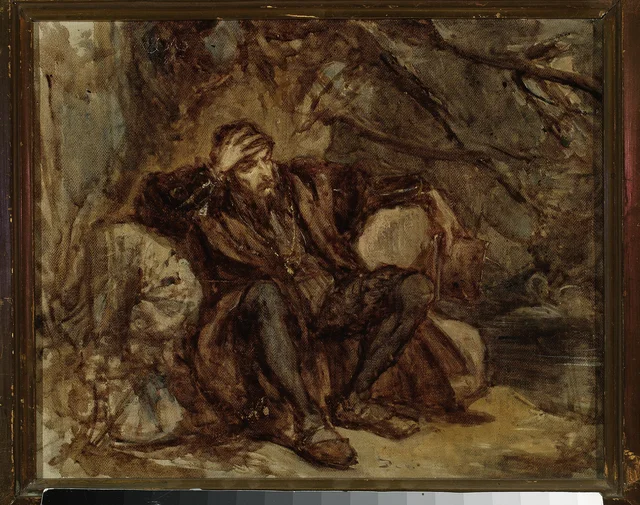 Sigismund Augustus in the Vilnius garden, sketchJan Matejko, 1865
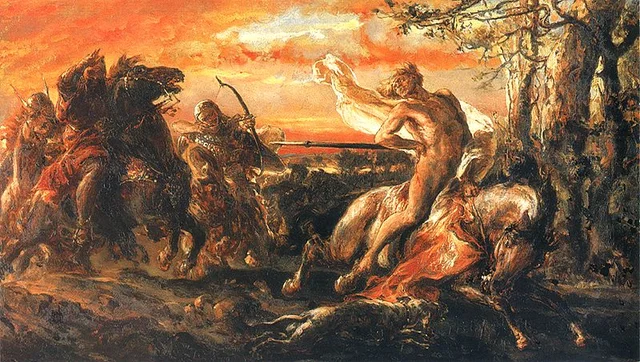 The death of Leszek the WhiteJan Matejko, 1880
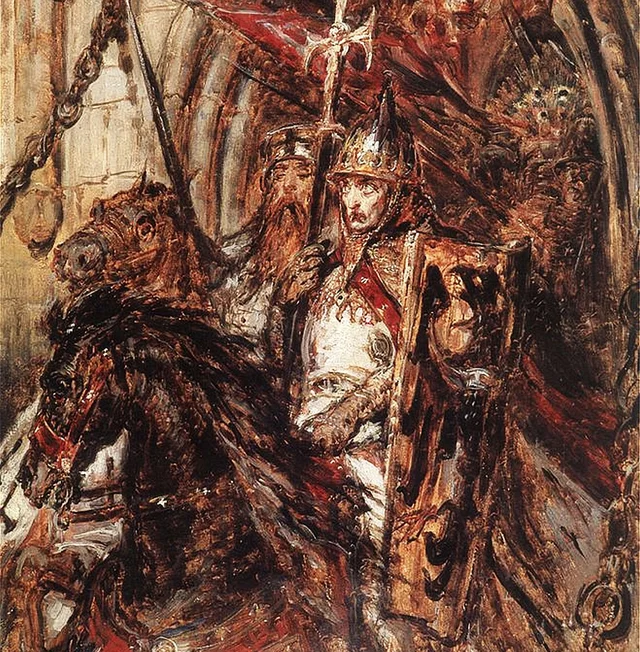 The Departure of Henry the Pious from LegnicaJan Matejko, 1865
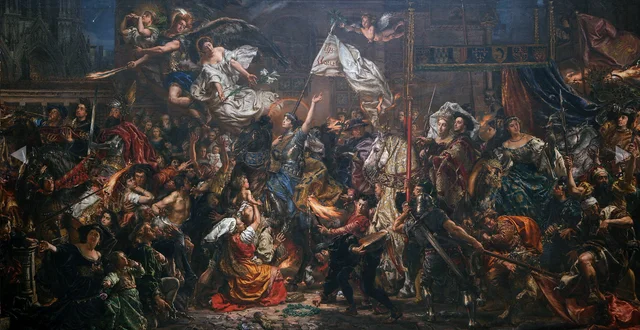 The Maid of OrléansJan Matejko, 1886
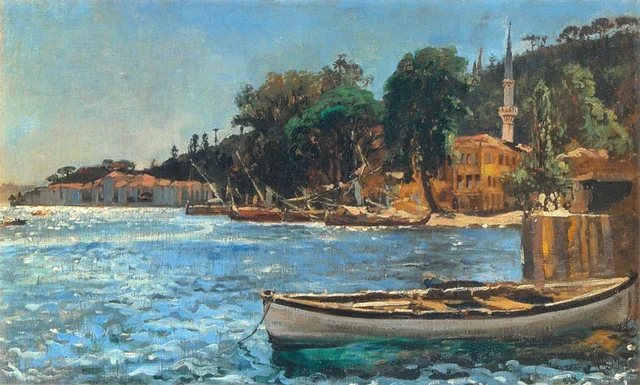 View of Bebek near ConstantinopleJan Matejko, 1872