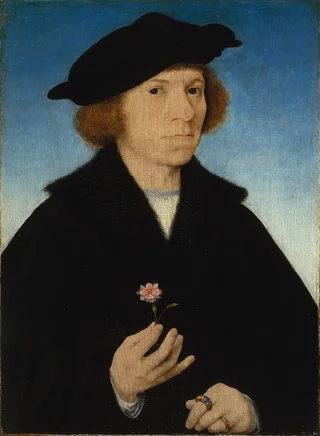
Joos van Cleve
1540 · Habsburg Netherlands · Northern Renaissance, Early Netherlandish painting, Flemish Renaissance
The story
For nearly four centuries no one knew his name. The paintings were grouped under a workshop label, the Master of the Death of the Virgin, after a large triptych in Cologne showing the Virgin's final hours. Then in 1894 a monogram on the back of that panel was read as Joos van der Beke, and a real Antwerp painter stepped out of anonymity: Joos van Cleve, who took his surname from Kleve, the town on the Lower Rhine.
He ran a busy shop in Antwerp from about 1511, in the city that had just become the trading capital of northern Europe, and he watched Italian ideas arrive with the merchants. In his Virgin and Child pictures you can see him borrowing Leonardo's soft, smoky modelling of a face, the technique called sfumato, grafted onto a Flemish love of bright colour and fine detail.
His portraits were good enough to be summoned abroad. Around 1530 he was called to the French court, where he painted King Francis I and his queen, Eleanor of Austria. The likeness of Francis survives, a wide, watchful face above heavy, embroidered sleeves.
Works
8 works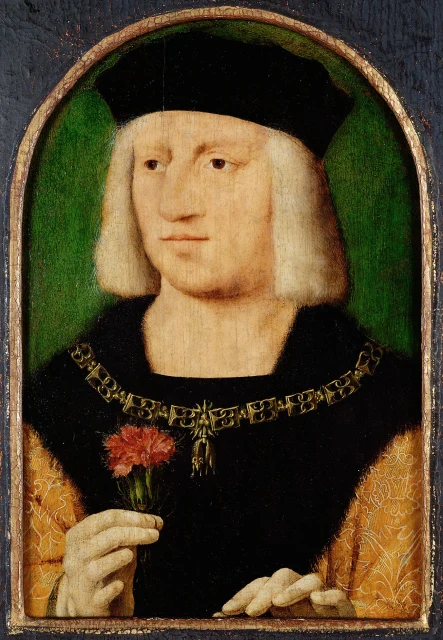 Emperor Maximilian IJoos van Cleve, 1508
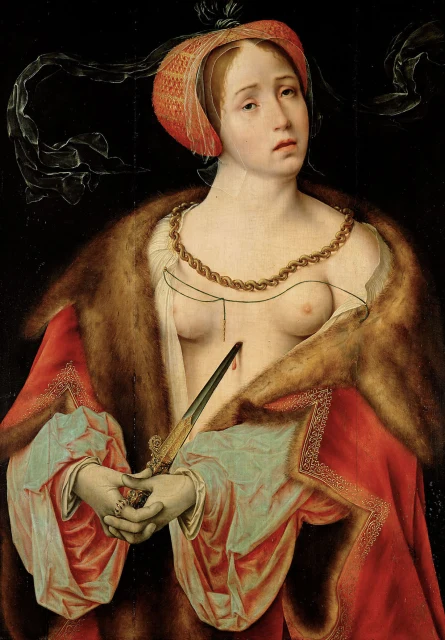 LucretiaJoos van Cleve, 1522
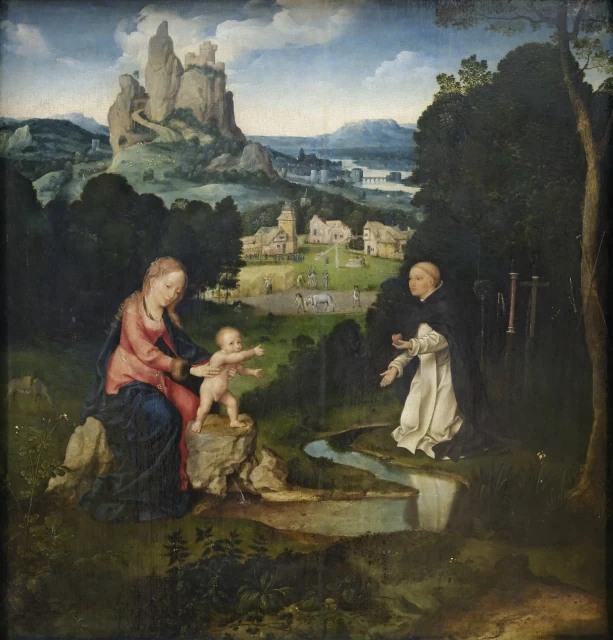 Madonna and Child with a Dominican Offering His HeartJoos van Cleve, 1516
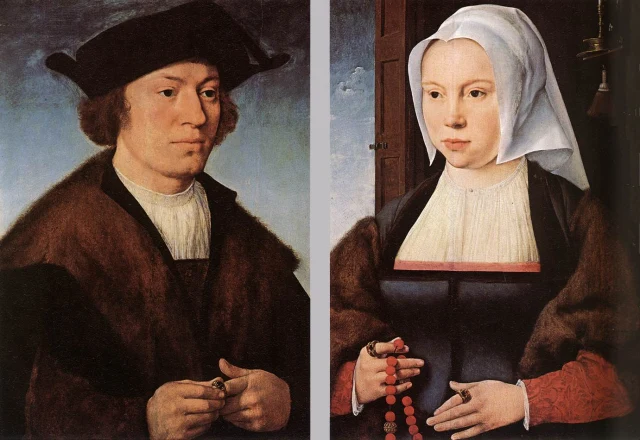 Portrait of a Man and His WifeJoos van Cleve, 1520
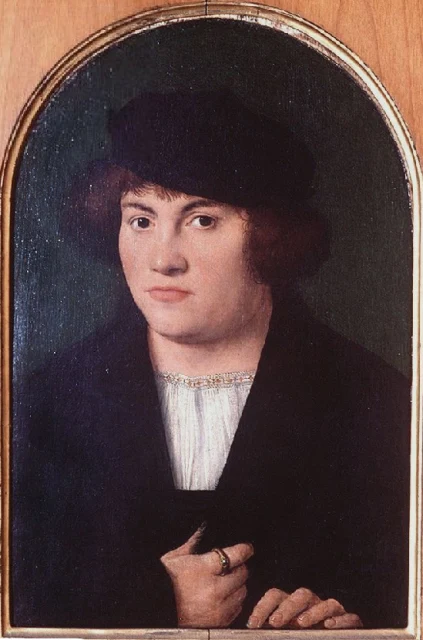 Portrait of an Unknown ManJoos van Cleve, 1512
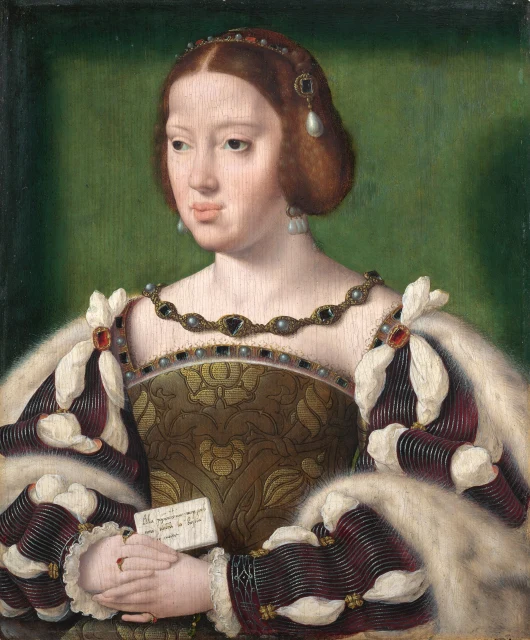 Queen Eleanor of AustriaJoos van Cleve, 1532
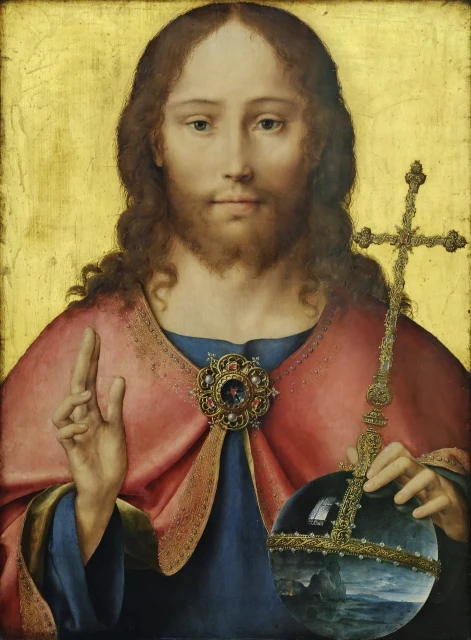 Salvator MundiJoos van Cleve, 1517
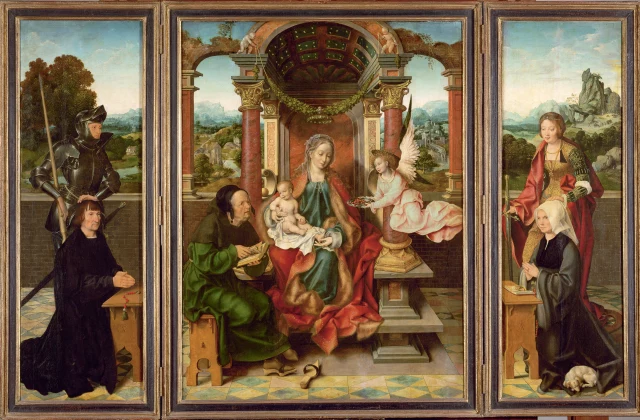 Winged AltarpieceJoos van Cleve, 1530