Joseph-Siffred Duplessis
1725–1802 · France · Neoclassicism
The story
When Benjamin Franklin reached Paris in 1776 to win French backing for the American Revolution, he became a celebrity, and the portrait everyone now knows came from Joseph-Siffred Duplessis. He painted the American in a plain grey coat, hair loose and no wig, the image of unfussy republican virtue the French found irresistible. That face, refined across several versions, is the one engraved on the United States hundred-dollar bill.
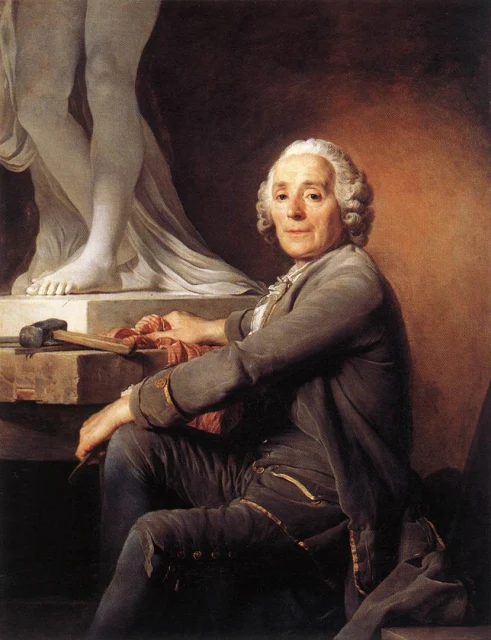
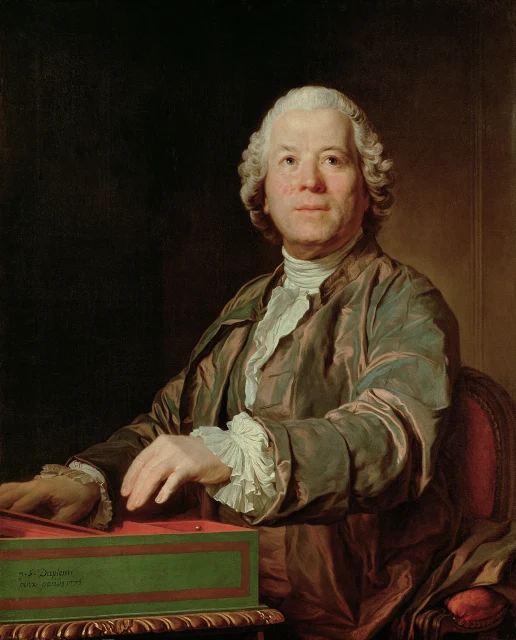
Duplessis was by then official portraitist to Louis XVI, having painted the king in 1774, and the royal work had made him rich. He aimed for a clear, sober likeness, whether the sitter was a monarch or the composer Christoph Willibald Gluck, whom he caught in 1775 at the keyboard, mid-thought, head turned as if listening.
The Revolution swept away his royal clientele and much of his fortune. He ended his days as keeper of the museum at Versailles, looking after the paintings of a court that no longer existed.