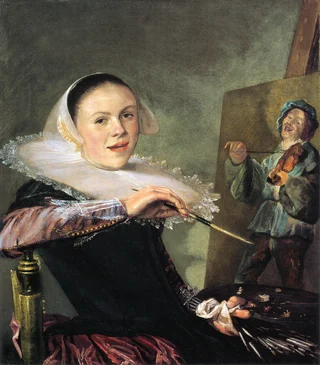
Judith Leyster
1609–1660 · Dutch Republic · Caravaggisti
The story
In 1893 the Louvre took a fresh look at a lively little painting it had bought as a Frans Hals, and found, hidden under a false Hals signature, a small monogram: the letters JL threaded through a shooting star. The star was a pun. Judith Leyster's family name meant lodestar, the guiding star, and she had signed her work with it more than 250 years earlier.
In her own time she had been no secret. One of very few women admitted as a master to the painters' guild in Haarlem, she ran a workshop, took on apprentices, and painted confident, warm scenes of people making music, laughing, or caught by candlelight. She even took the older Frans Hals to the guild over an apprentice who left her studio for his.
Then she married a fellow painter, her output fell away, and after her death in 1660 her name faded so completely that her pictures were quietly reassigned to Hals or to her husband. The star hidden under the false signature began putting that right, and today the paintings hang again under her own name.
More articles
Works
21 works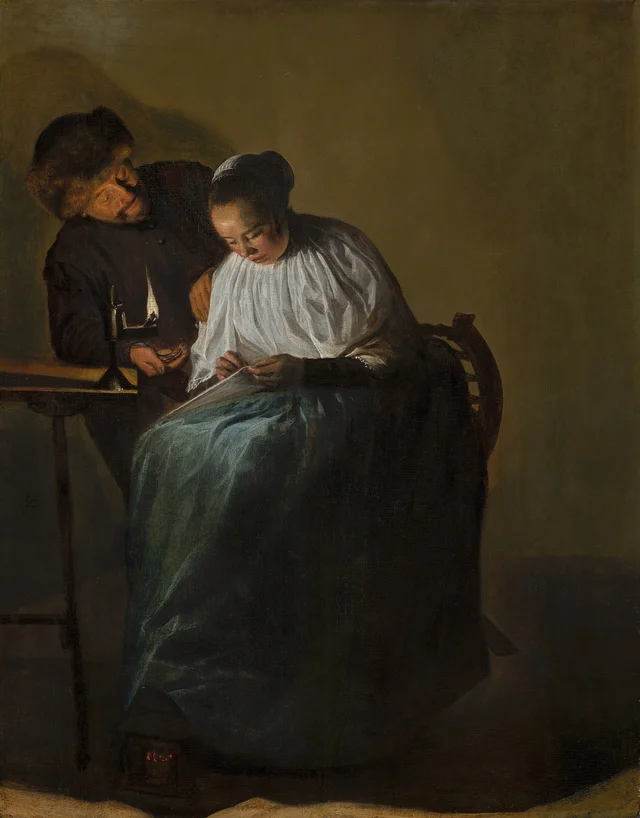 The PropositionJudith Leyster, 1631
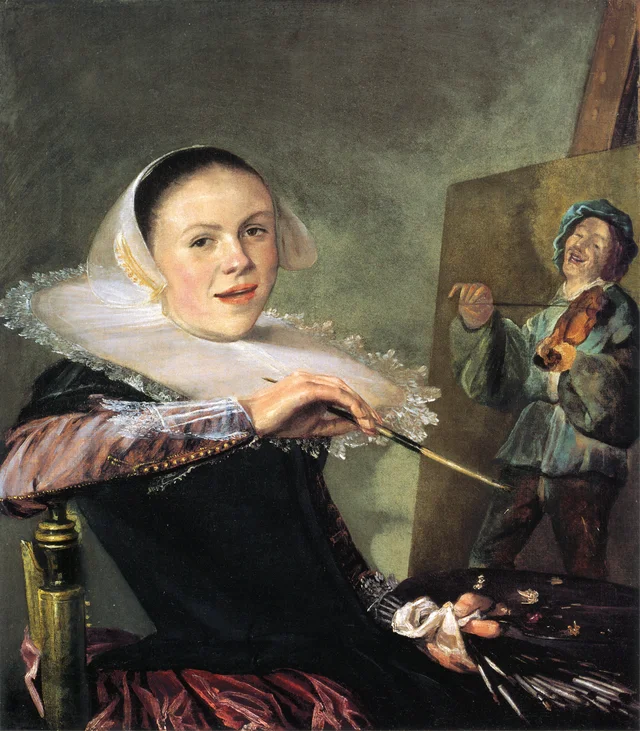 Self-portraitJudith Leyster, 1630
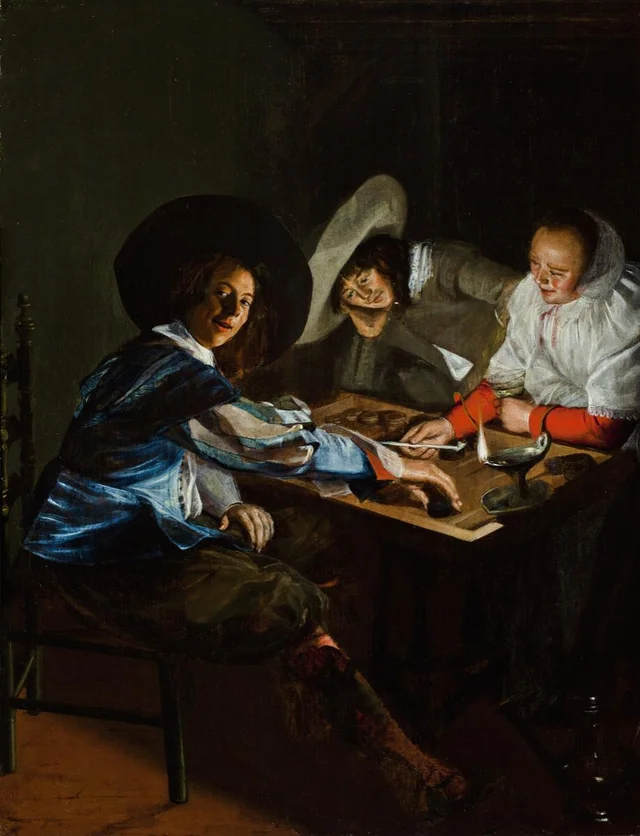 A Game of Tric TracJudith Leyster, 1630
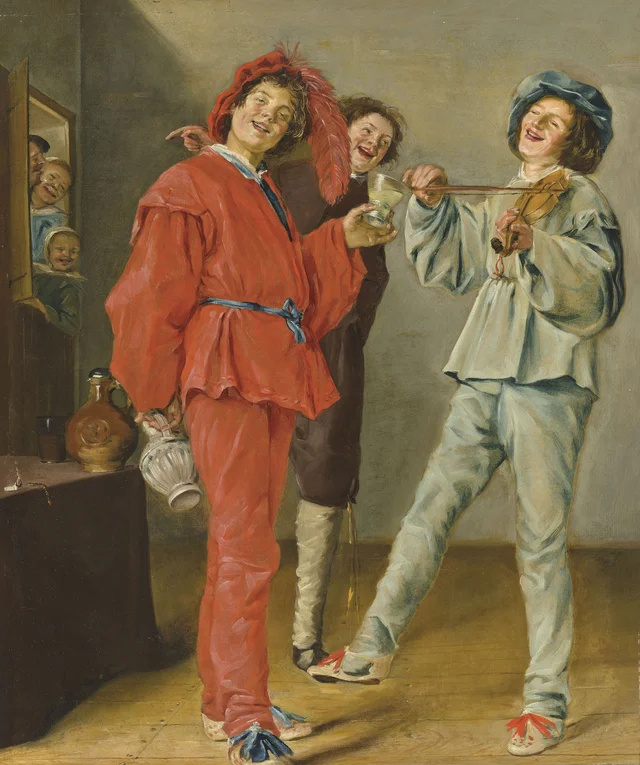 Merry TrioJudith Leyster, 1631
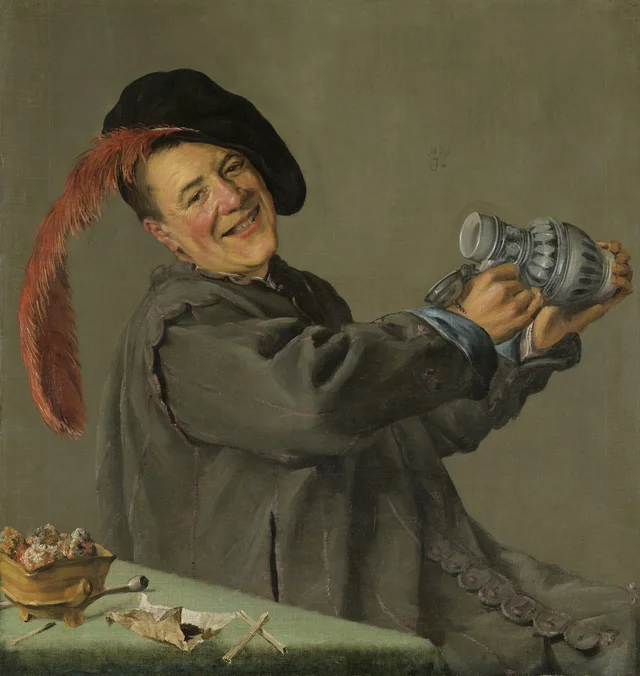 The Jolly ToperJudith Leyster, 1629
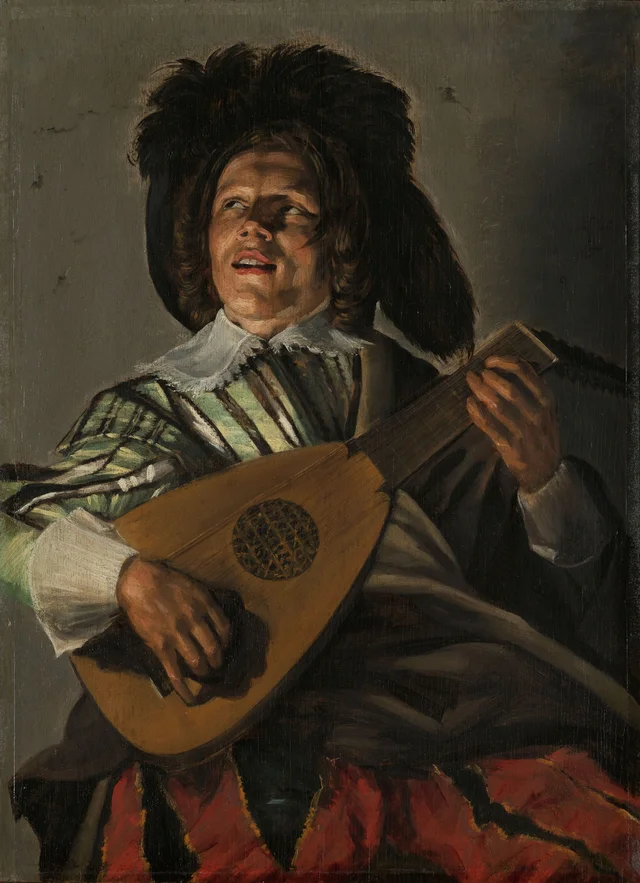 The SerenadeJudith Leyster, 1629
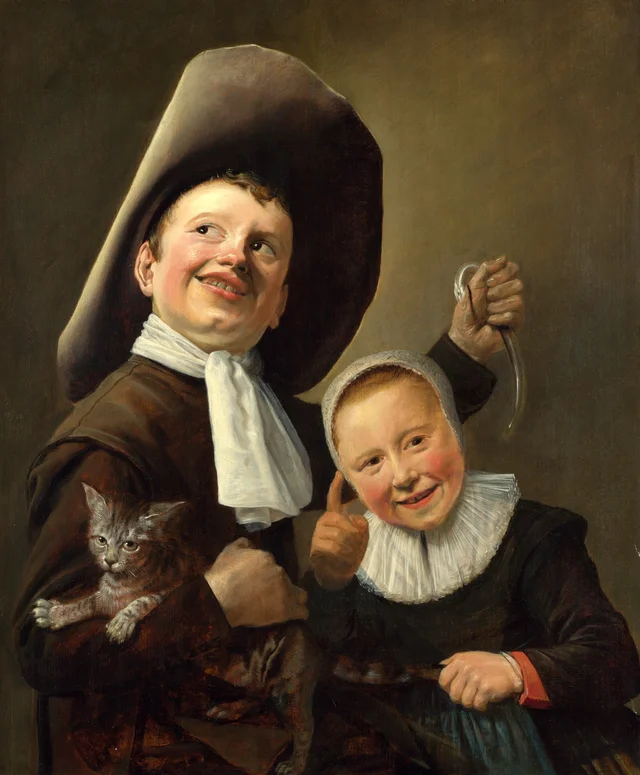 A boy and a girl with a cat and an eelJudith Leyster, 1635
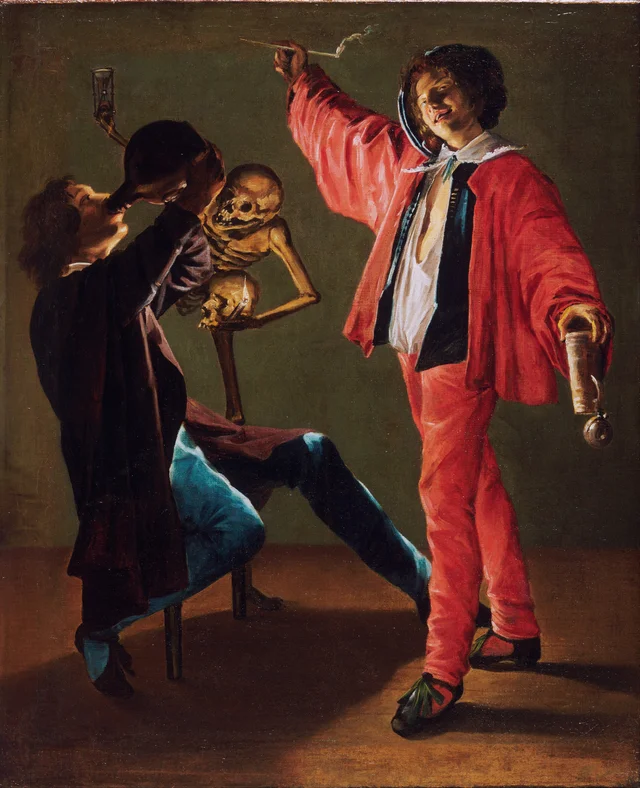 The Last DropJudith Leyster, 1639
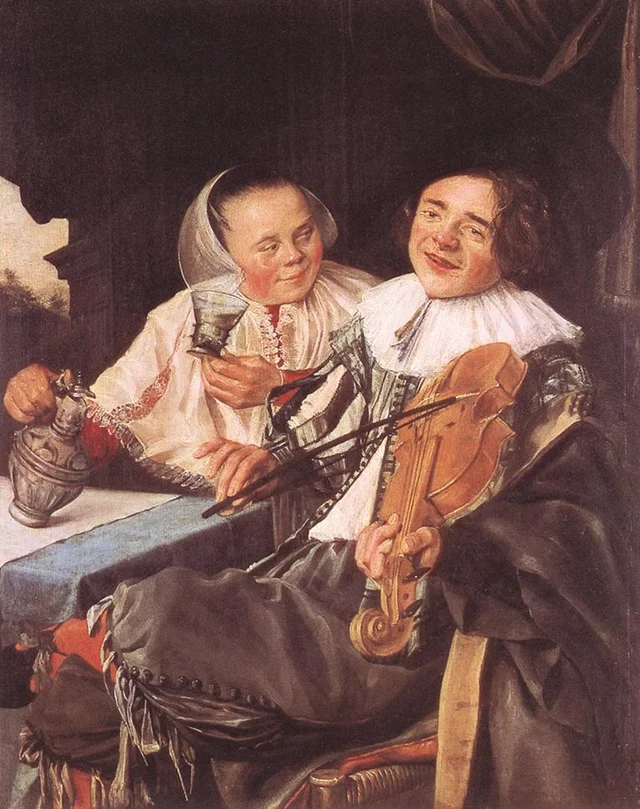 Carousing CoupleJudith Leyster, 1630
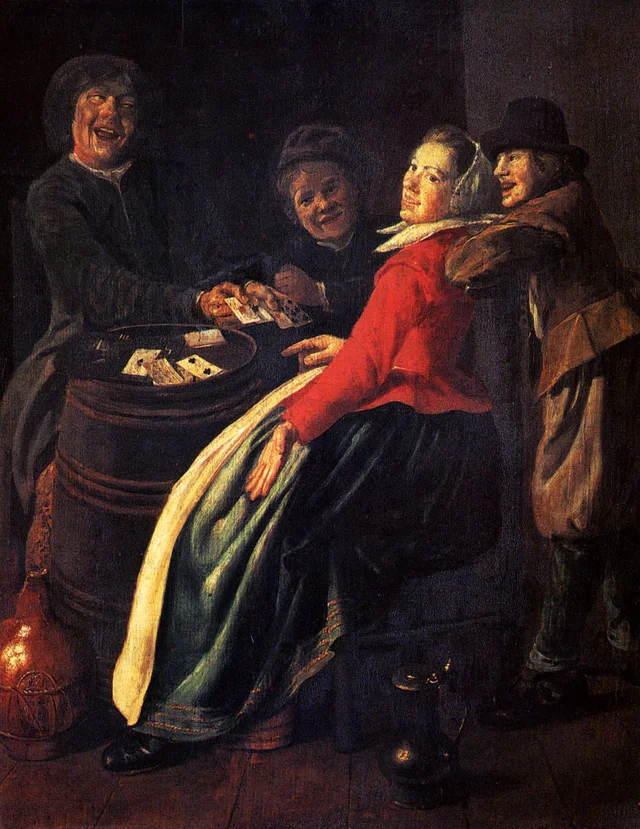 A Game Of CardsJudith Leyster, 1633
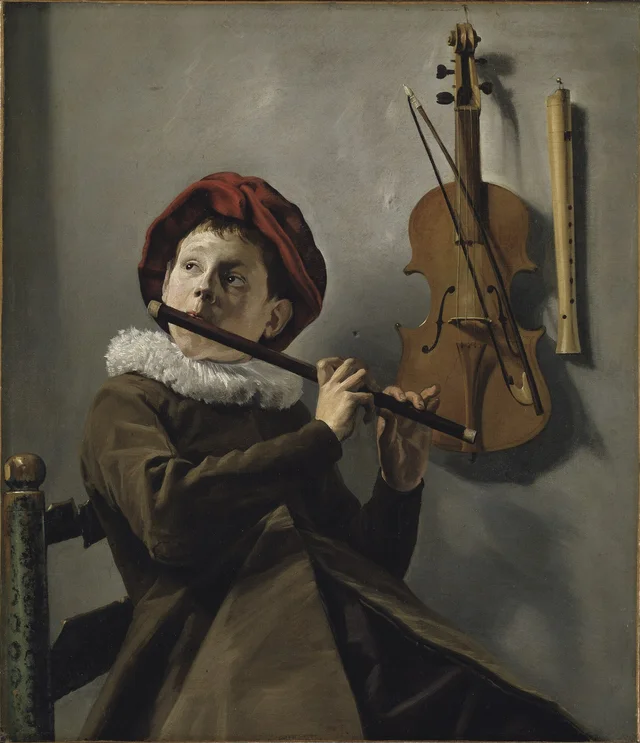 Boy playing the FluteJudith Leyster, 1635
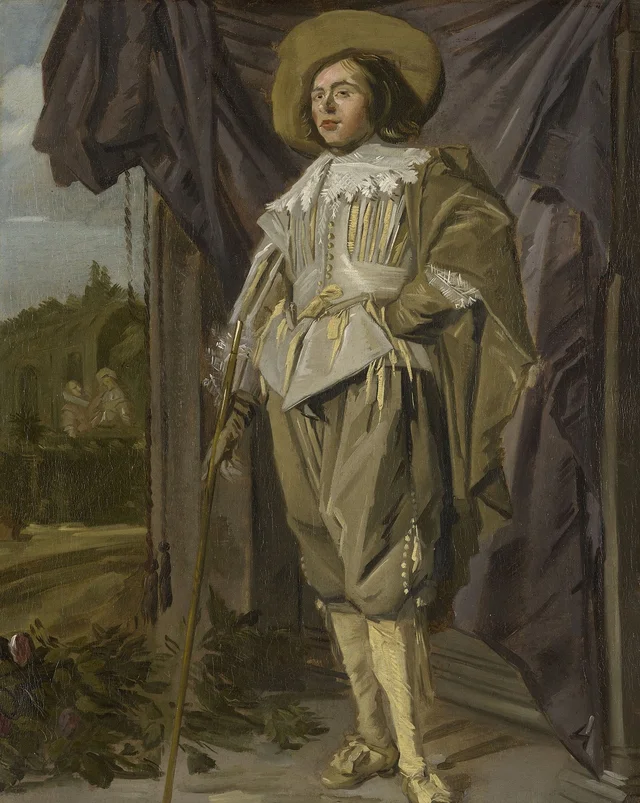 Standing CavalierJudith Leyster, 1630
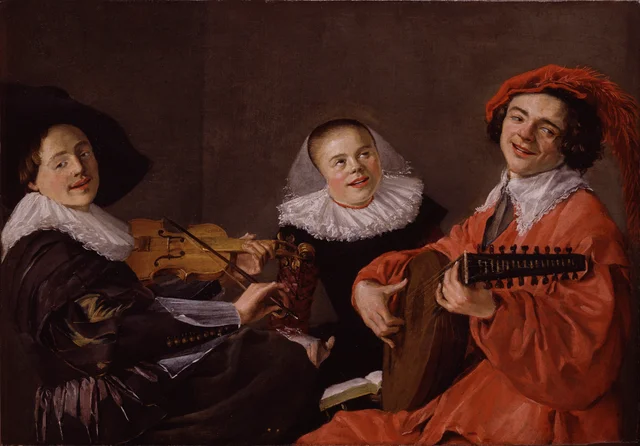 The ConcertJudith Leyster, 1633
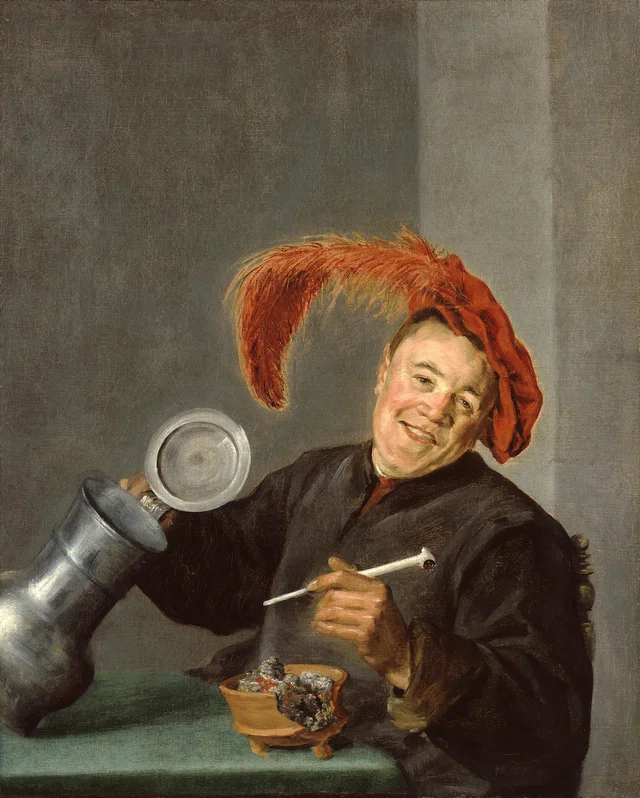 The Merry ToperJudith Leyster, 1629
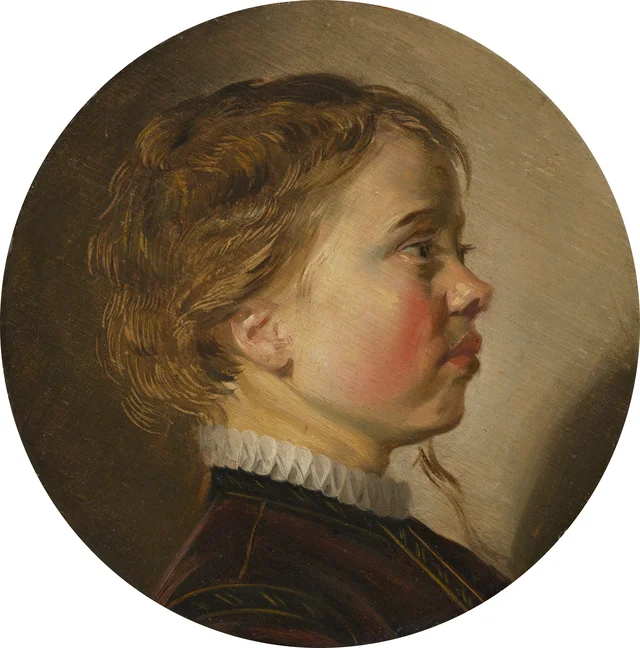 Young Boy in ProfileJudith Leyster, 1630
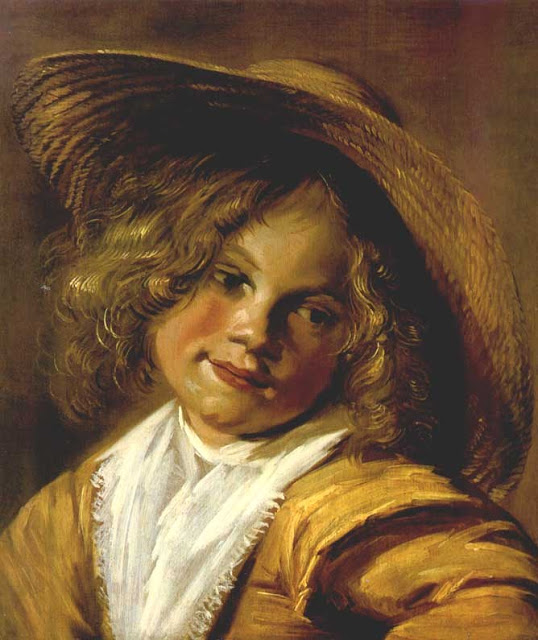 Girl in a Straw HatJudith Leyster, 1650
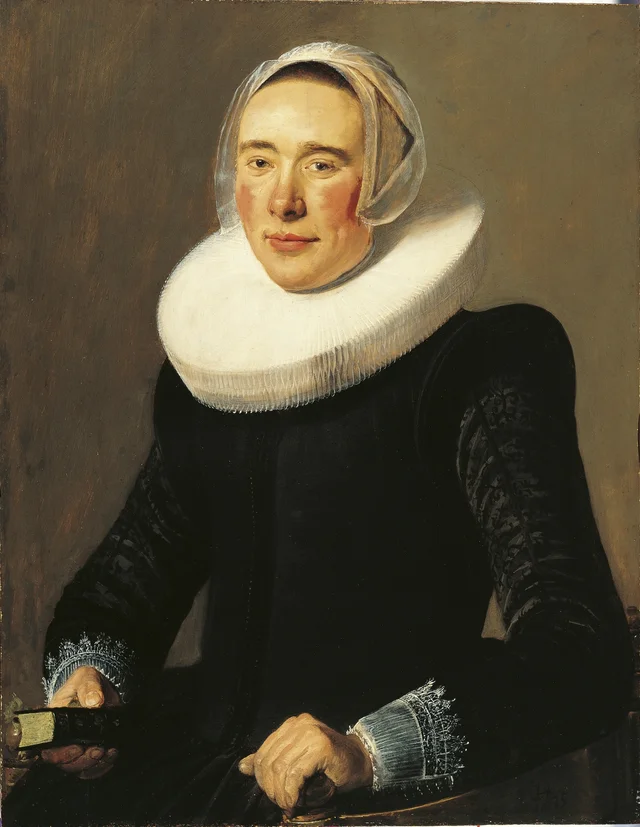 Portrait of an unknown womanJudith Leyster, 1635
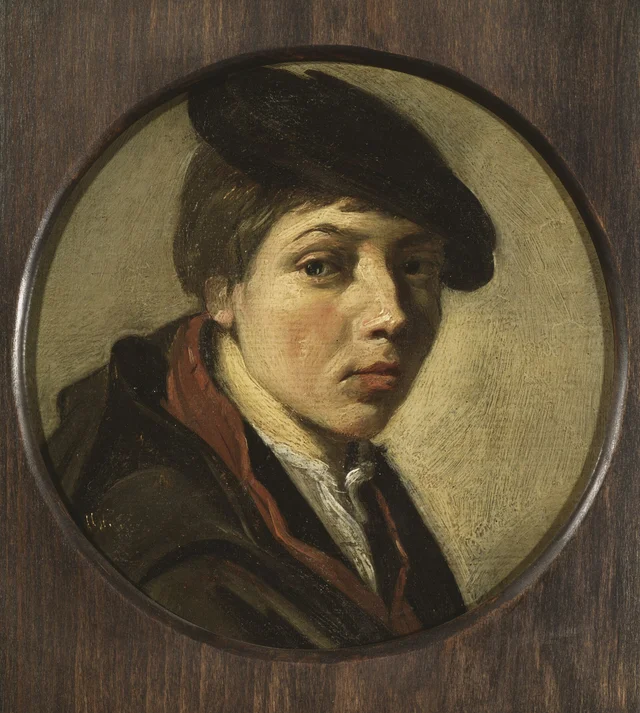 Round portrait of a boy with beretJudith Leyster, 1632
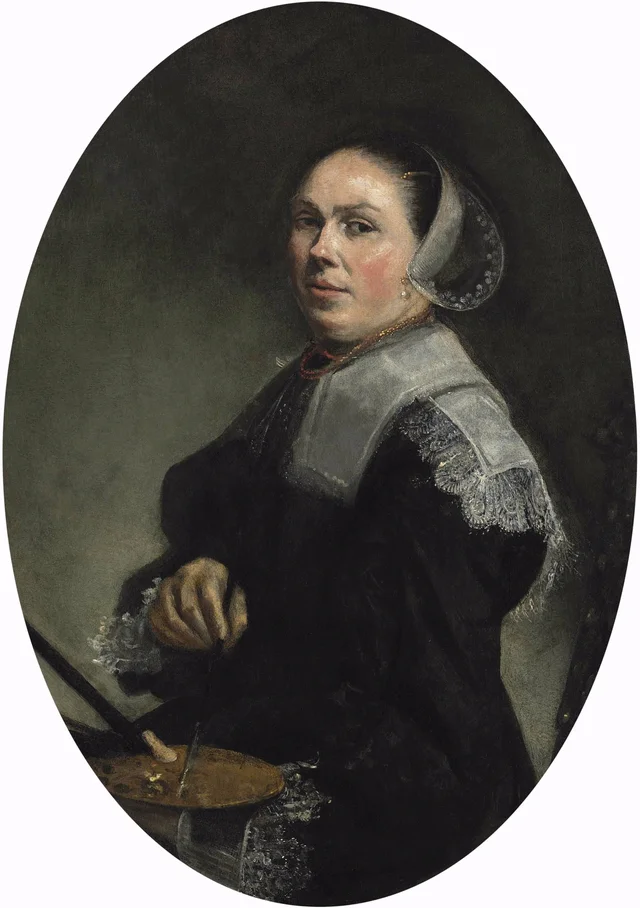 Self-portraitJudith Leyster, 1653
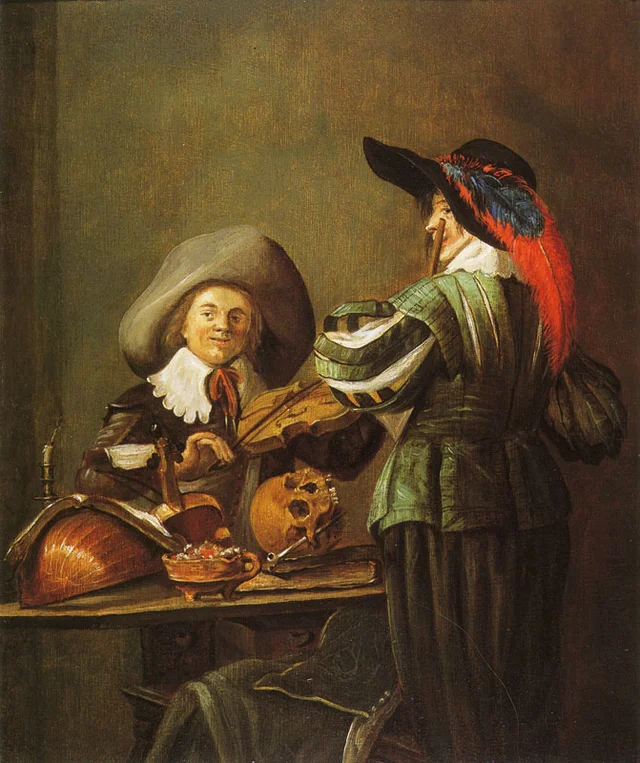 Two MusiciansJudith Leyster, 1629
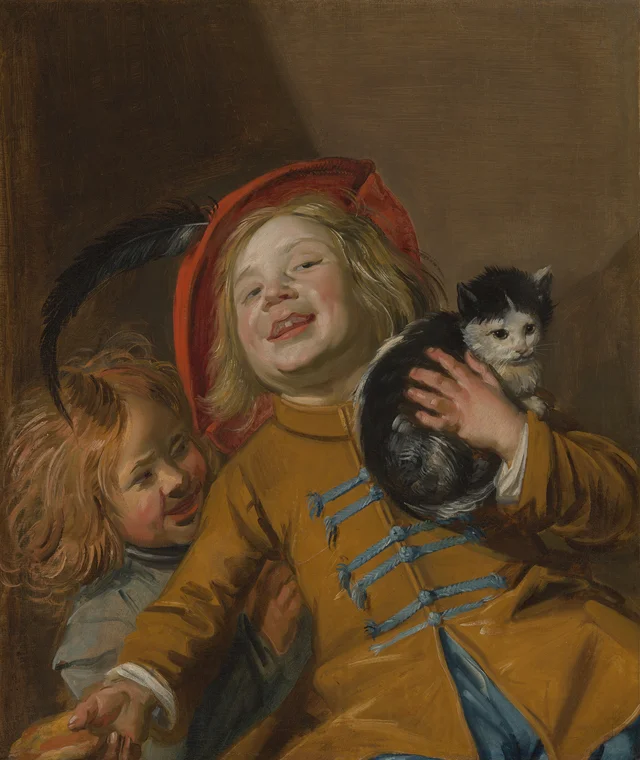 Two Children with a CatJudith Leyster, 1630