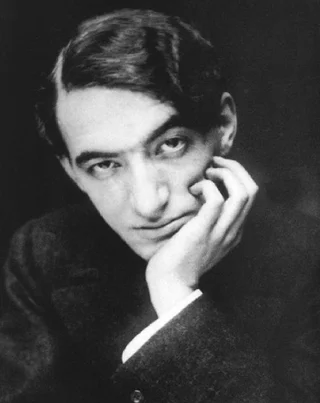
Jules Pascin
1885–1930 · Bulgaria, France · Expressionism
The story
He was born Julius Pincas in 1885 in Vidin, a Danube town in Bulgaria, the son of a Sephardic Jewish grain merchant. By his early twenties he was in Munich drawing biting cartoons for the satirical magazine Simplicissimus, and he rearranged the letters of his name to spare his respectable family the embarrassment. Pascin reached Paris in 1905 and became one of the fixtures of Montparnasse, the artists' quarter on the Left Bank.
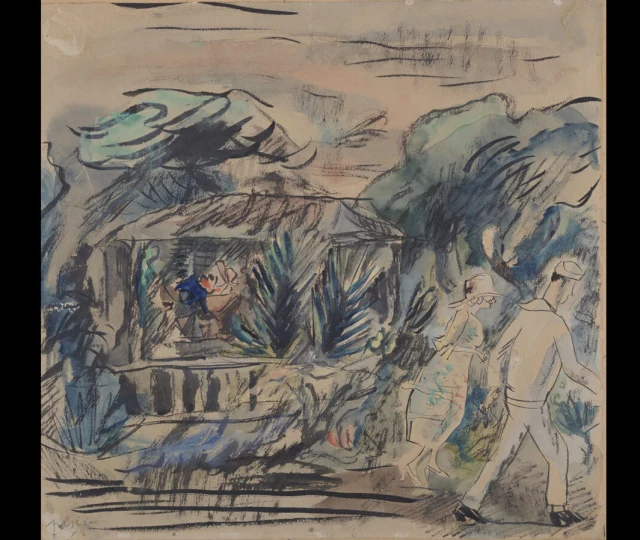
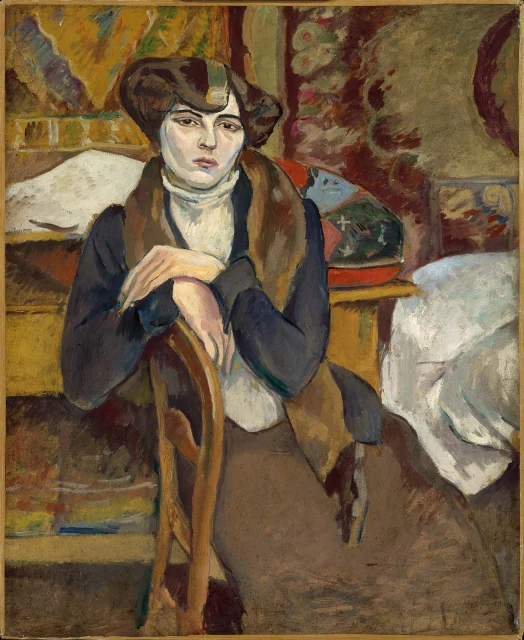
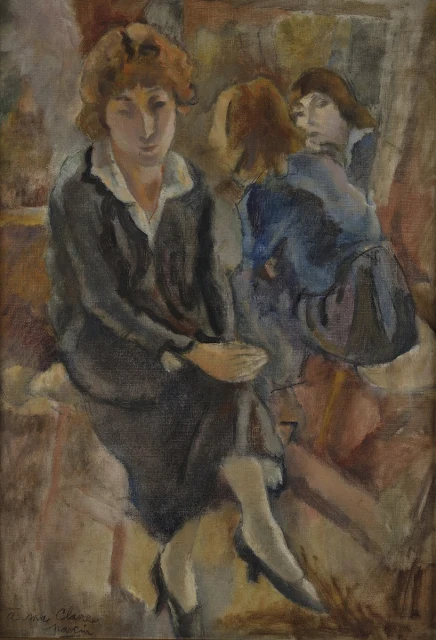
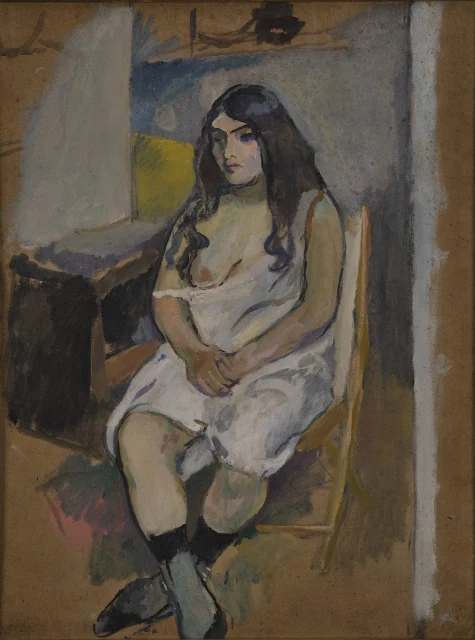
Friends called him the Prince of Montparnasse. He threw enormous parties, picked up the bill for half the neighbourhood, and painted quietly in between: soft, pearly nudes and portraits of young models and working women, drawn with a nervous, tender line that never flattered and never mocked them. When the First World War came he sailed to the United States, took American citizenship in 1920, then returned to the same cafes and the same models.
Underneath the generosity was a heavy drinker prone to despair. In June 1930, on the eve of his first big solo exhibition at the Galerie Georges Petit, he shut himself in his studio, cut his wrists, and wrote a goodbye to Lucy Krohg, the woman he loved, in blood on the door. He was 45. On the day of his funeral every art gallery in Paris closed, and more than a thousand people walked behind the coffin to the Montparnasse cemetery.