Konrad Witz
1400–1446 · Holy Roman Empire · Renaissance
The story
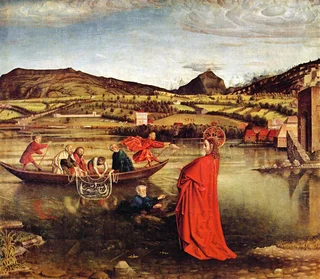
When Konrad Witz painted the miracle of the fishes in 1444, he did something almost no European painter had done before. Instead of an imagined Holy Land, he set the gospel scene on water he could actually see, Lake Geneva, with the shoreline, the town, and the snow on the Savoy Alps and Mont Blanc in the distance all drawn from observation. It is often called the earliest surviving faithful portrait of a real place in Western art.
The panel belonged to an altarpiece made for the cathedral of Geneva, and it shows Christ standing on the shore while the apostle Peter clambers toward him through the shallow water. Witz even worked out the reflections and the way the lake bottom shows through the clear water near the bank.
He was born in Swabia, in what is now southwestern Germany, around 1400, and settled in Basel, the Swiss city then hosting a great church council that drew clergy and visitors from across Europe. He died young, around 1446, and only a handful of his works survive. That one lake, painted more than five centuries ago, is still recognisably the same view.
More articles
Works
14 works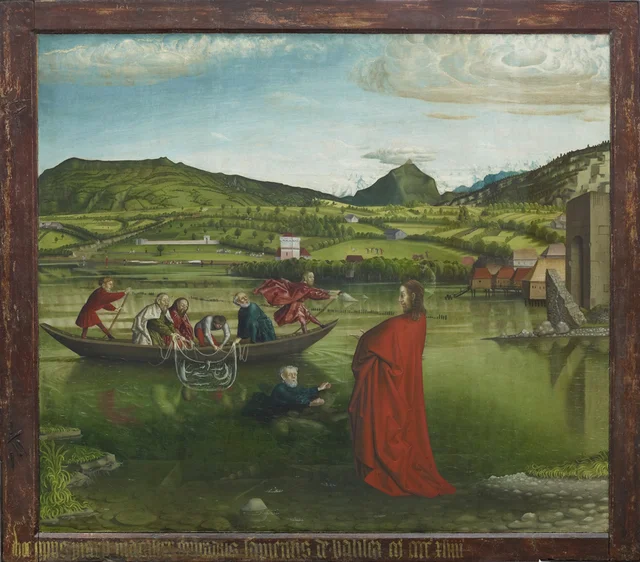 The Miraculous Draft of FishesKonrad Witz, 1444
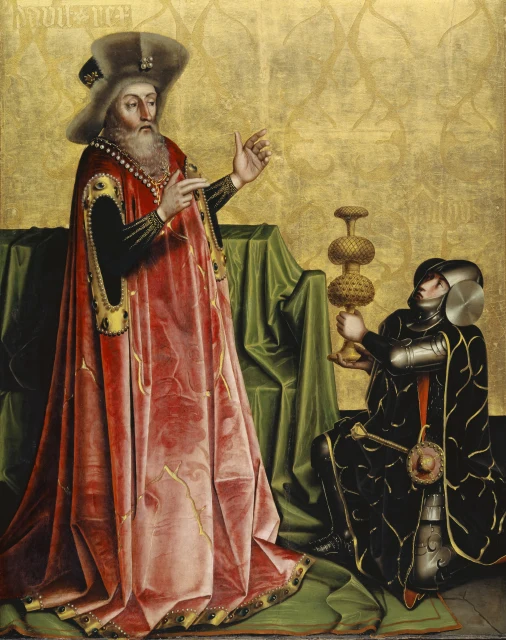 Abishai before DavidKonrad Witz, 1435
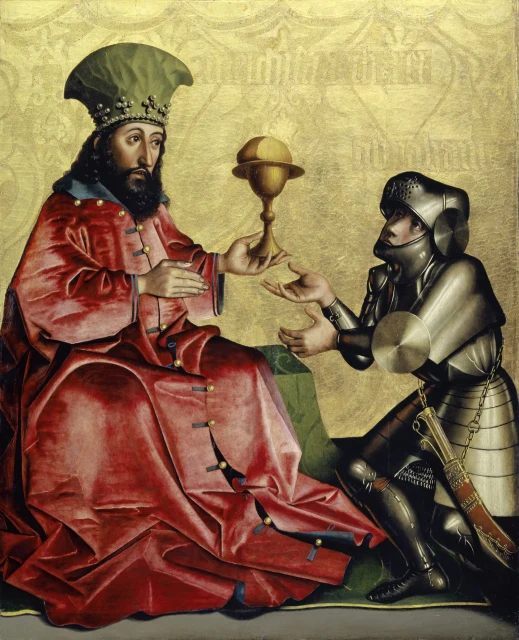 Abraham before MelchizedekKonrad Witz, 1435
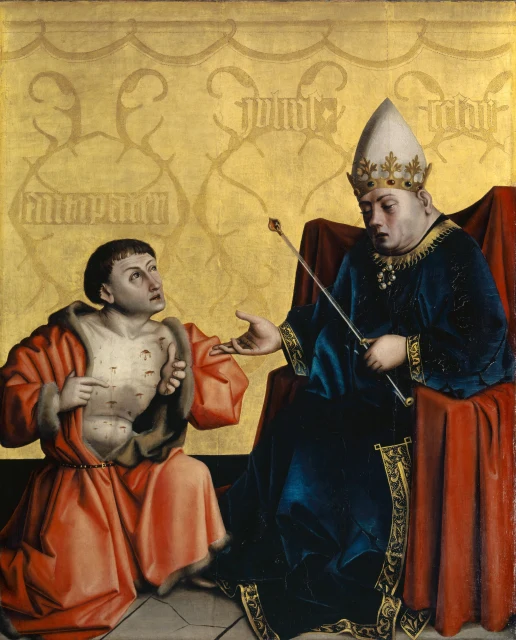 Antipater before Julius CaesarKonrad Witz, 1435
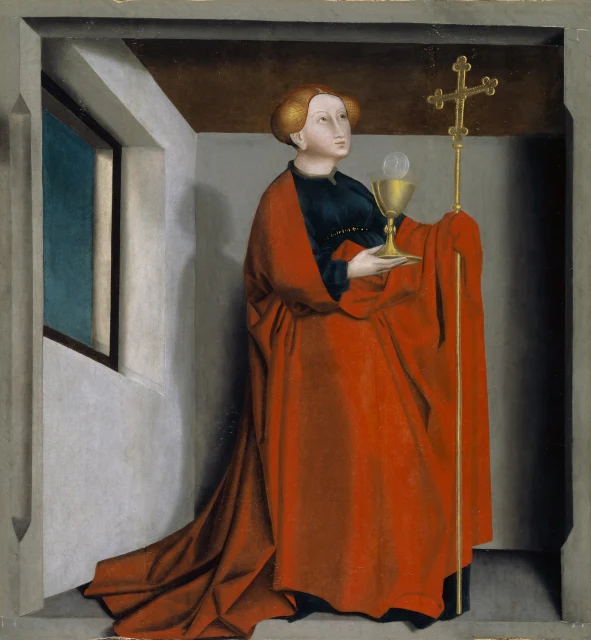 EcclesiaKonrad Witz, 1435
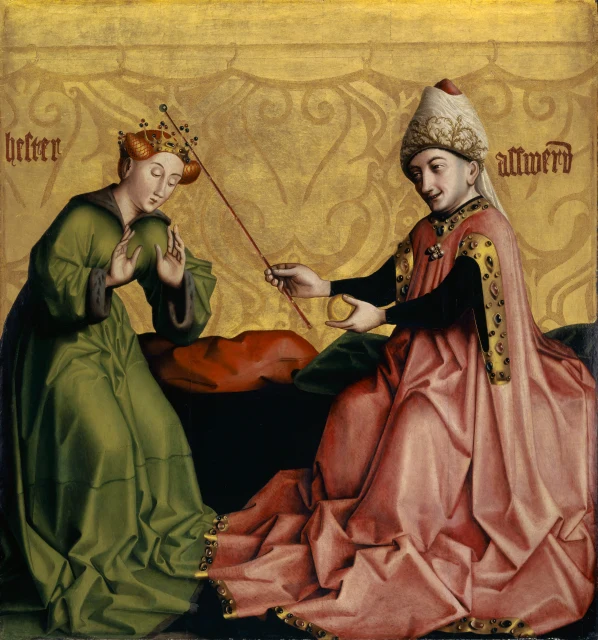 Esther before AhasuerusKonrad Witz, 1435
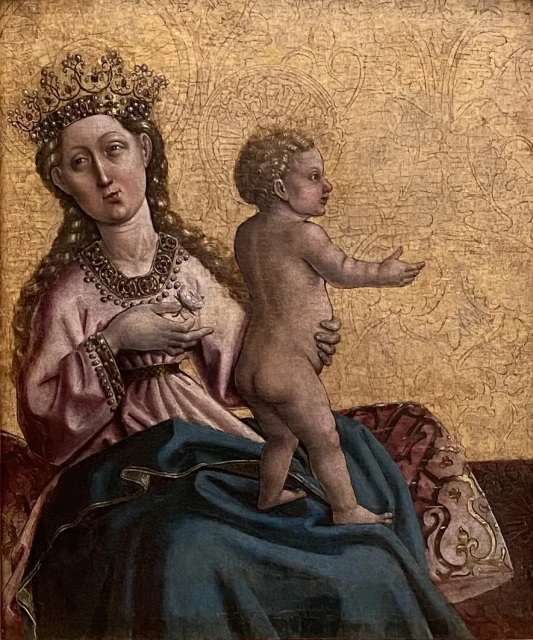 Mary with ChildKonrad Witz, 1430
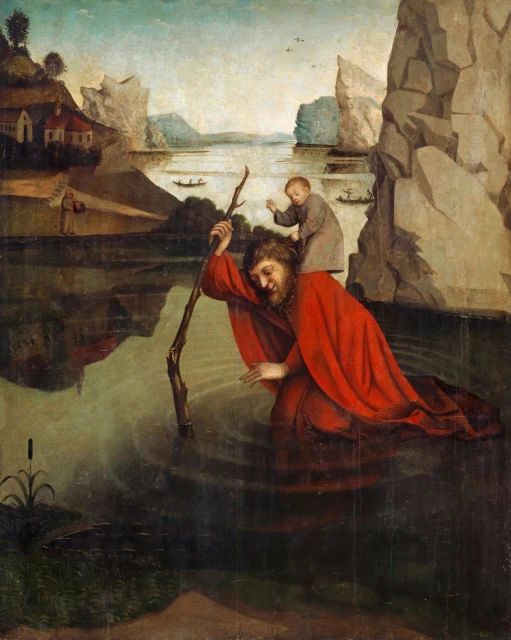 Saint ChristopherKonrad Witz, 1440
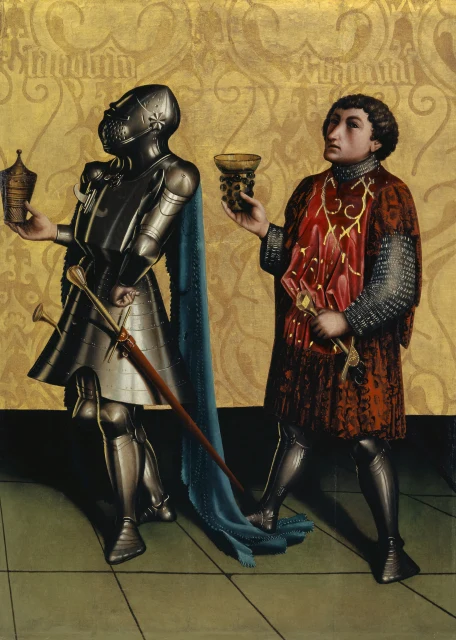 Sibbecai and BenaiahKonrad Witz, 1435
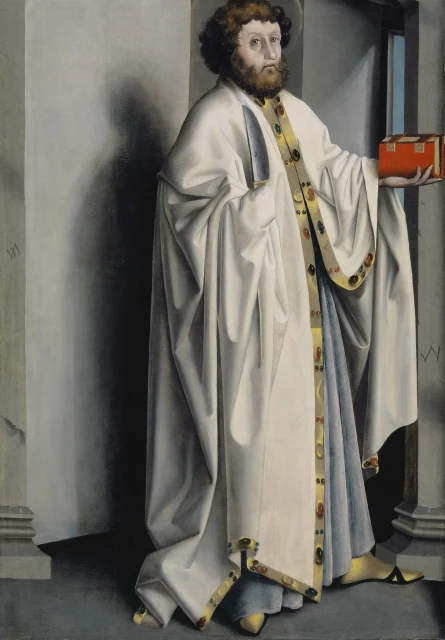 St BartholomewKonrad Witz, 1435
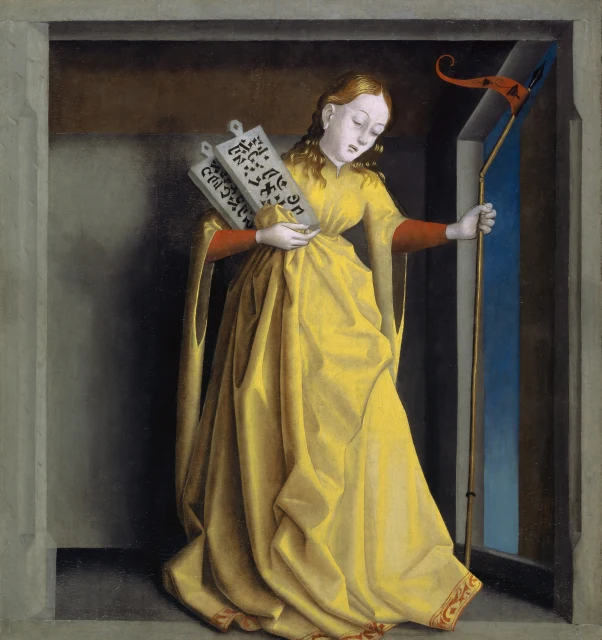 SynagogueKonrad Witz, 1435
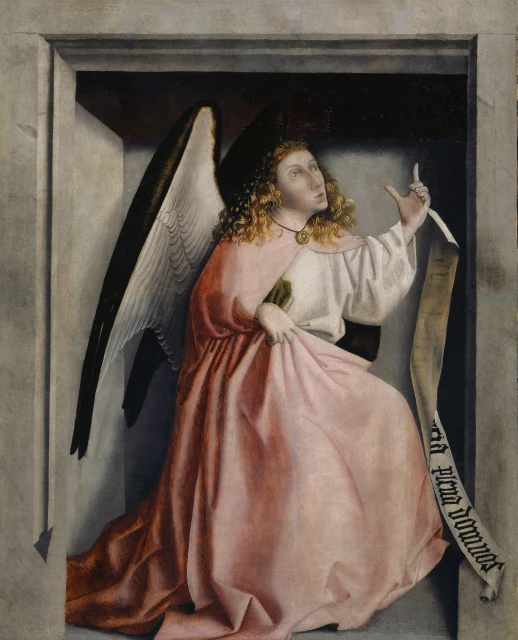 The Angel of the AnnunciationKonrad Witz, 1435
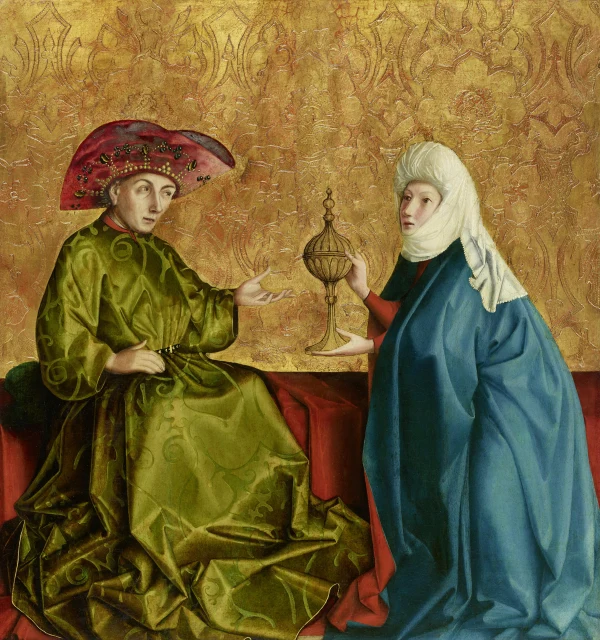 The Queen of Sheba before SolomonKonrad Witz, 1435