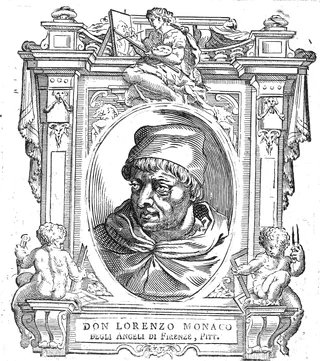
Lorenzo Monaco
1425 · Republic of Florence · Late Gothic, Early Renaissance
The story
In 1390, in Florence, a young man named Piero di Giovanni took vows at the strictly cloistered monastery of Santa Maria degli Angeli and, with them, a new name: Lorenzo Monaco, Lorenzo the Monk. He spent his career as both a monk and a painter, and as demand for his work grew he had to ask his superiors, more than once, for permission to leave the cloister to take on commissions. They kept granting it.
He was the last great master of the late Gothic style in Florence, working for some 30 years while a younger generation was already turning toward the Renaissance. His art keeps the older world's tall, swaying figures, its clear colour and gold, and he was a gifted illuminator of manuscripts as well as a painter of panels.
His best-known work is the Coronation of the Virgin, which he signed and dated in early 1413. It is a towering polyptych made for the high altar of his own monastery church, showing Christ setting a crown on the Virgin's head amid ranks of saints. That altarpiece now hangs in the Uffizi in Florence.
More articles

Works
11 works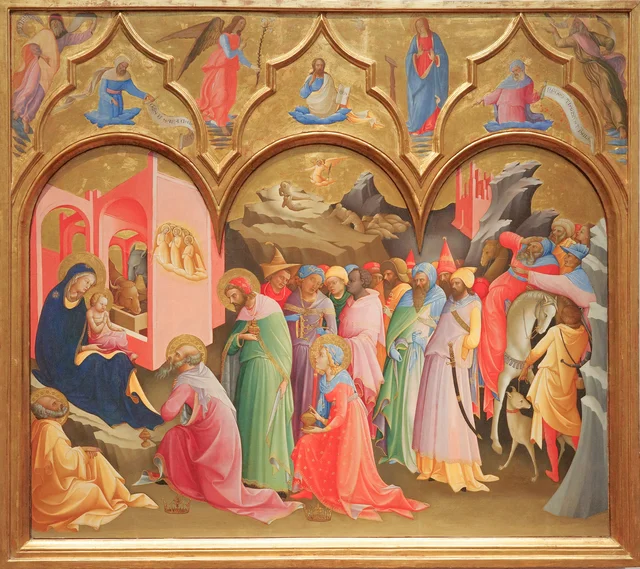 Adoration of the MagiLorenzo Monaco, 1420
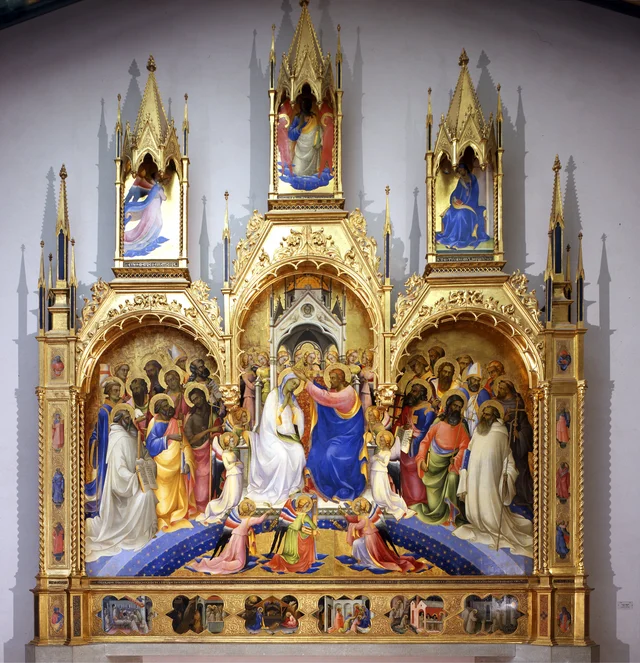 Coronation of the VirginLorenzo Monaco, 1414
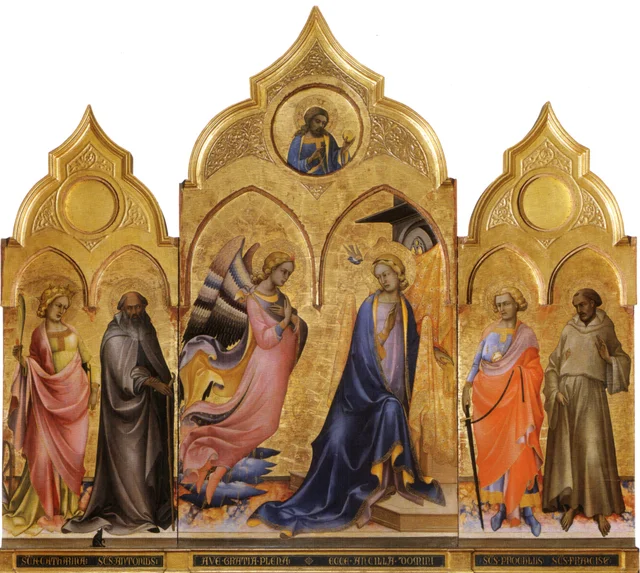 Annunciation TriptychLorenzo Monaco, 1406
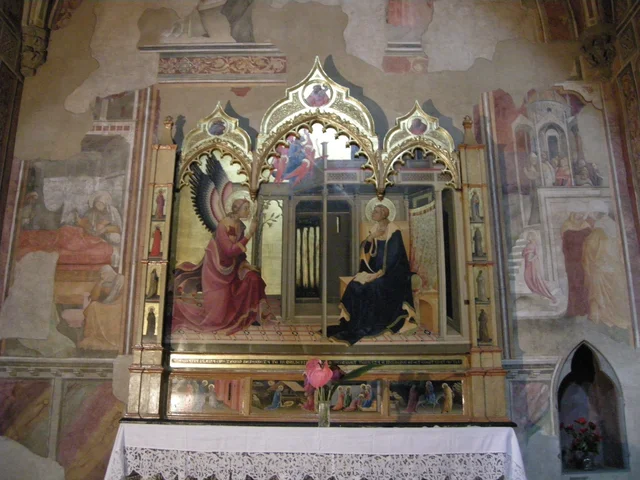 Bartolini Salimbeni AnnunciationLorenzo Monaco, 1420
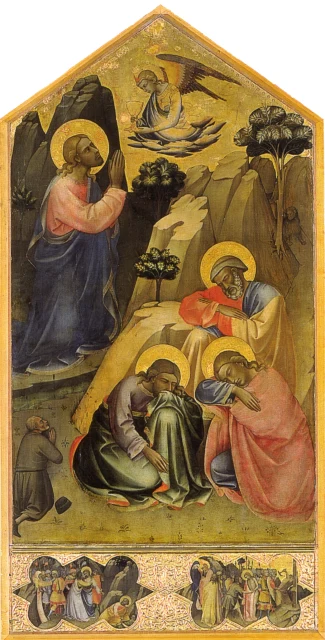 Agony in the GardenLorenzo Monaco, 1397
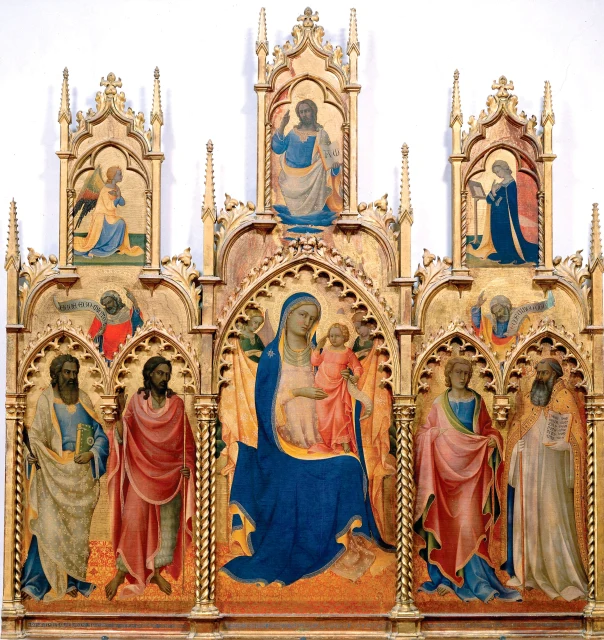 Madonna and Child Enthroned with Saints Bartholomew, John the Baptist, Thaddeus and Benedict (Monte Oliveto Altarpiece)Lorenzo Monaco, 1410
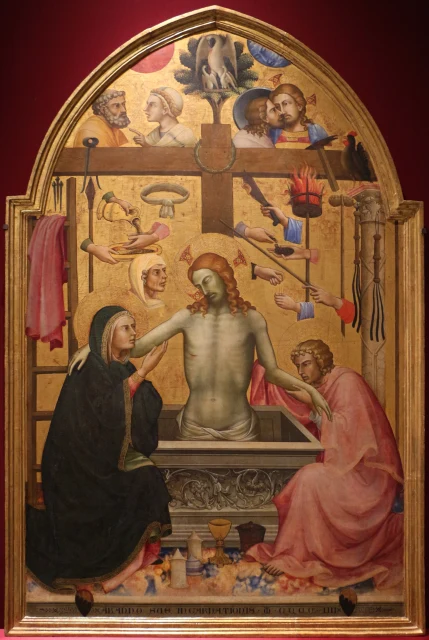 Man of Sorrows with the Mourners and Symbols of the PassionLorenzo Monaco, 1404
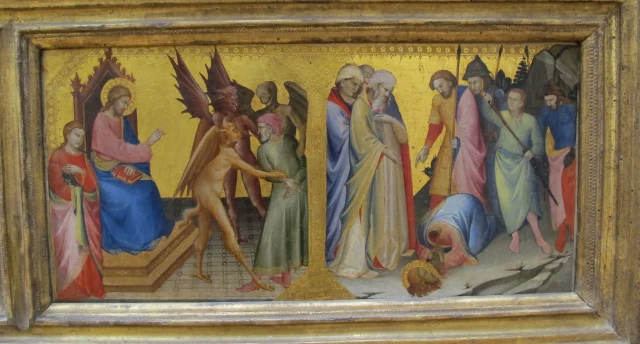 Saint James the Greater Meeting Hermogenes, and the Martyrdom of Saint JamesLorenzo Monaco, 1388
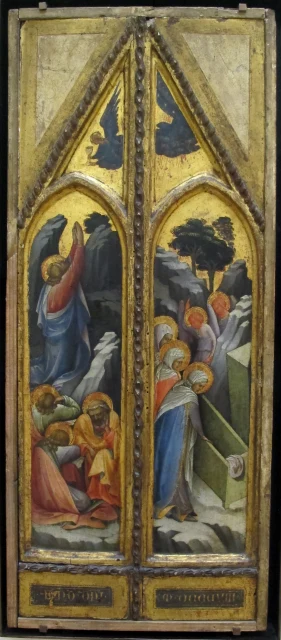 The Agony in the Garden and The Holy Women at the TombLorenzo Monaco, 1408
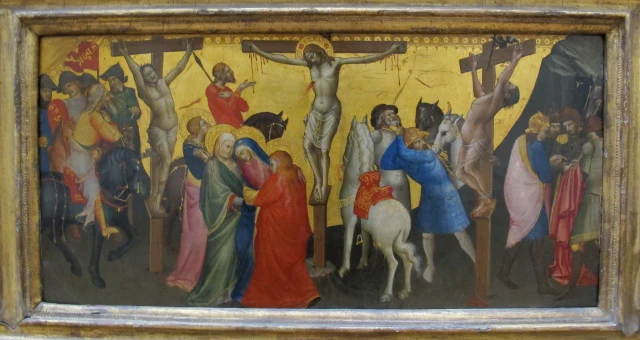 The CrucifixionLorenzo Monaco, 1388
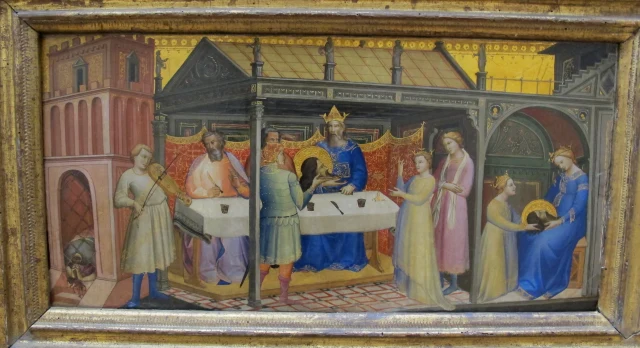 The Feast of Herod, with Herodias and SalomeLorenzo Monaco, 1388