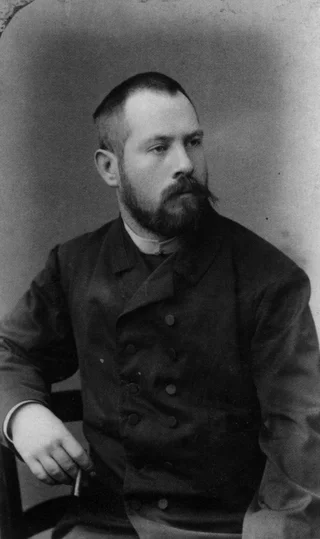
Lovis Corinth
1858–1925 · Kingdom of Prussia · Expressionism
The story
In December 1911 Lovis Corinth had a stroke that left his left side paralysed. He was 53, prosperous, and had just been made president of the Berlin Secession, the group of independent German artists. Many thought his career was over.
Instead his painting changed. Before the stroke he was a robust, worldly realist of German Impressionism, painting nudes, feasts and slaughtered oxen with a loaded brush. Afterward, working again with real effort, his hand grew looser and rougher, the paint more agitated, the mood darker, and this late work is what pulls him toward Expressionism. He had once been hostile to the younger Expressionists, and now his own pictures met them halfway.
From 1919 he spent his summers at the Walchensee, a mountain lake in Bavaria, and painted it over and over, around 60 canvases in which the water and peaks dissolve into loose, glowing strokes. Many count these among his finest works. He died at Zandvoort on the Dutch coast in 1925, on a trip to see the old Dutch masters he loved.
More articles
Works
10 works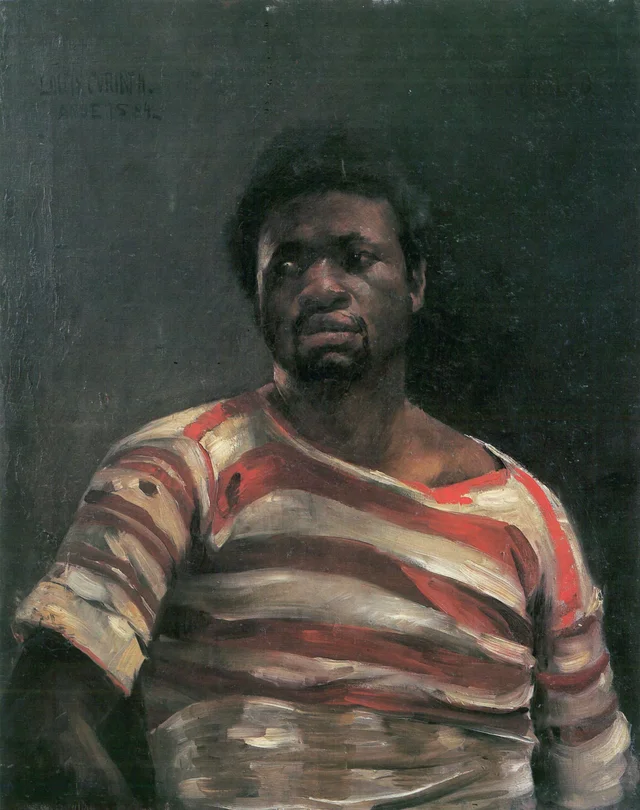 Black OthelloLovis Corinth, 1884
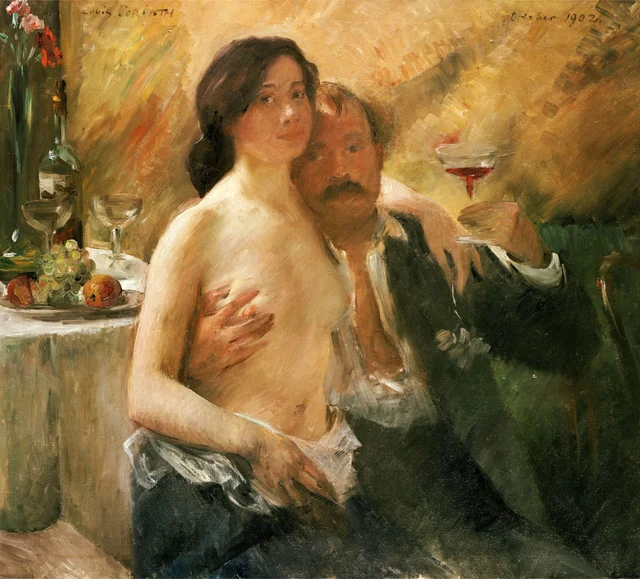 Self portrait with his wife Charlotte Berend-Corinth and a sekt glassLovis Corinth, 1902
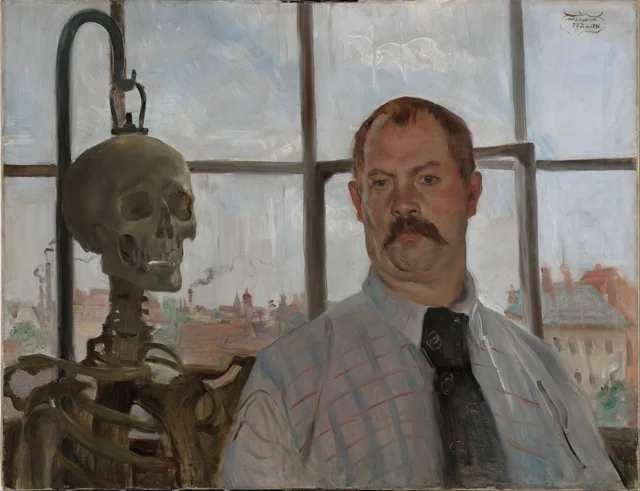 Self-portrait with SkeletonLovis Corinth, 1896
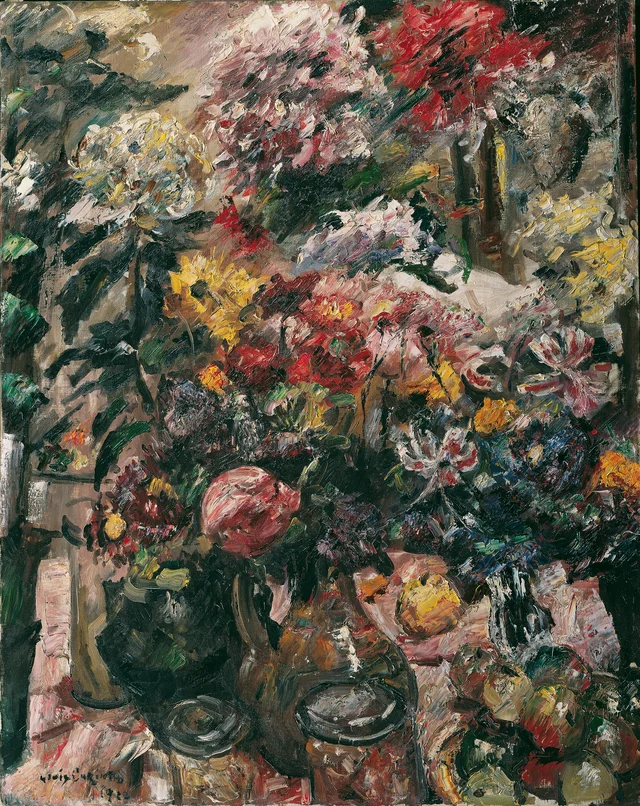 Still life with chrysanthemums and amaryllisLovis Corinth, 1922
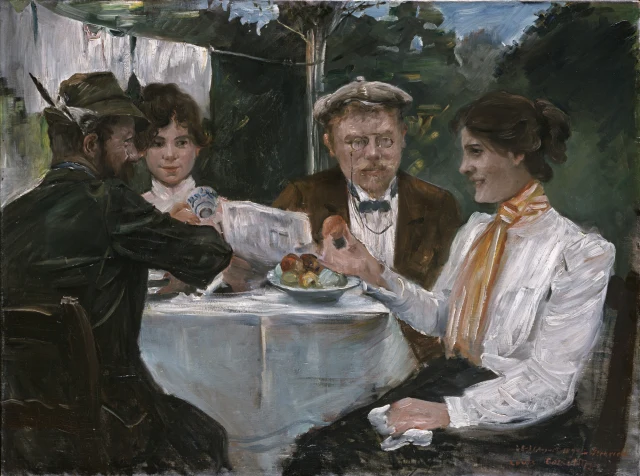 Breakfast in Max Halbe's GardenLovis Corinth, 1899
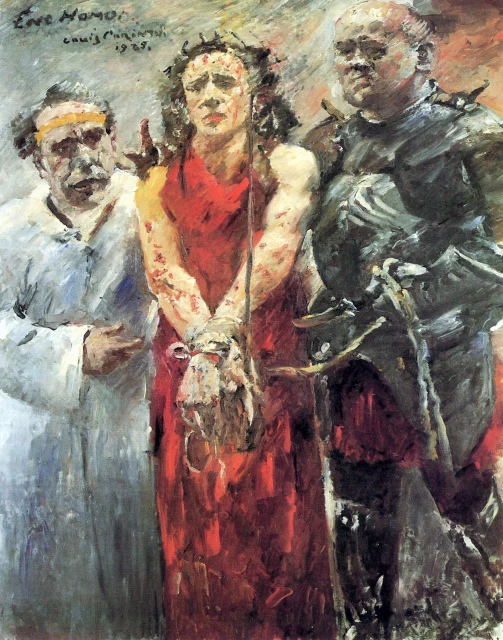 Ecce HomoLovis Corinth, 1925
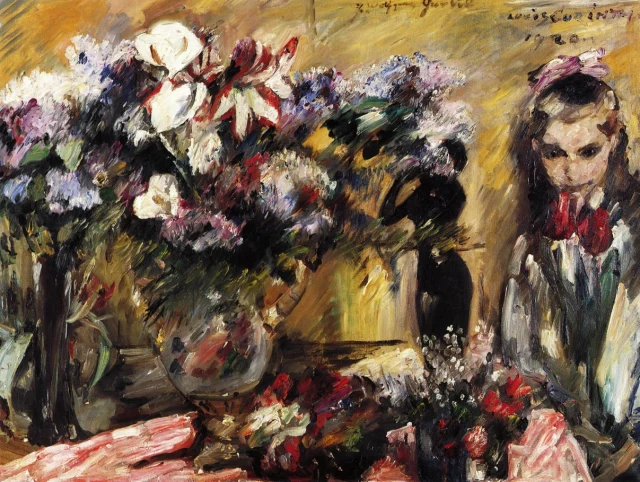 Flowers and Daughter WilhelmineLovis Corinth, 1920
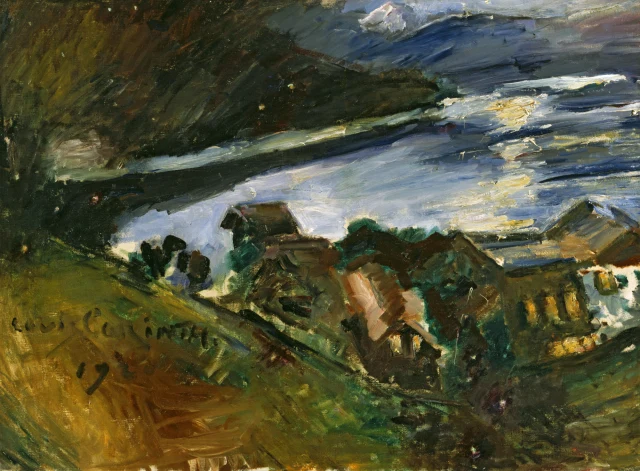 Lake Walchensee by MoonlightLovis Corinth, 1920
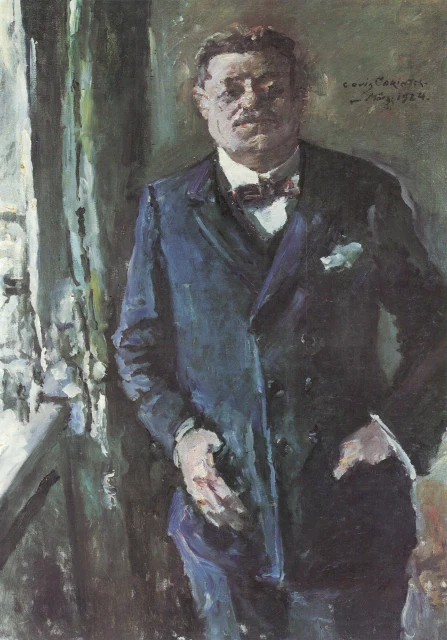 Portrait of the Reich President, Friedrich EbertLovis Corinth, 1924
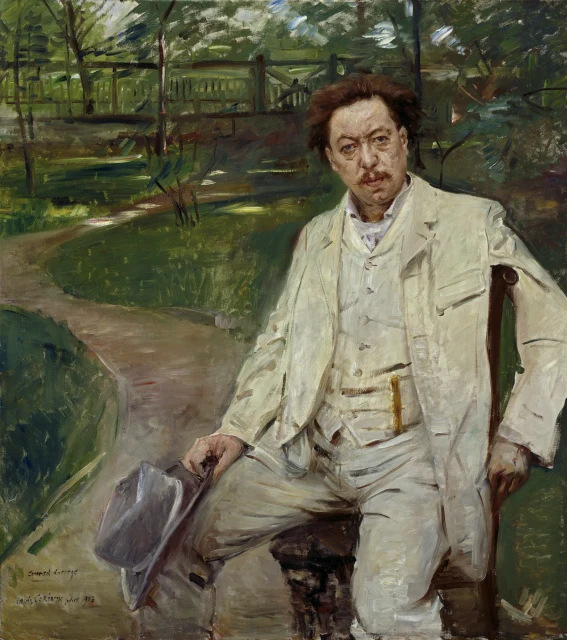 The Pianist Conrad AnsorgeLovis Corinth, 1903