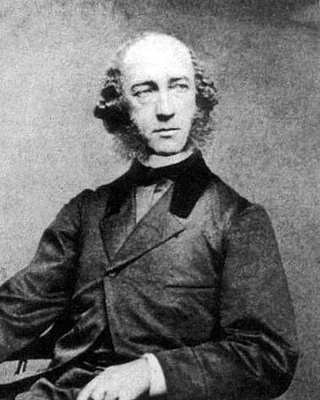
Martin Johnson Heade
1819–1904 · United States · Hudson River school
The story
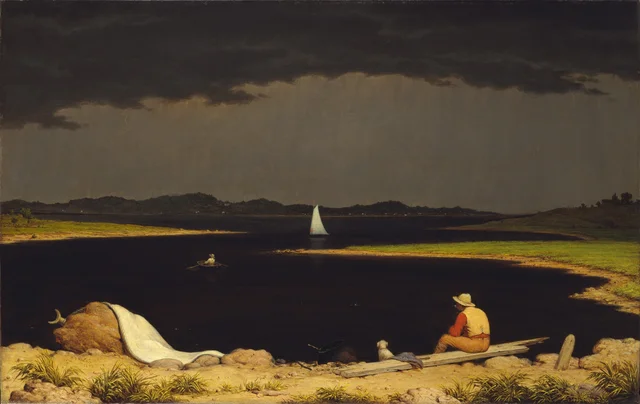
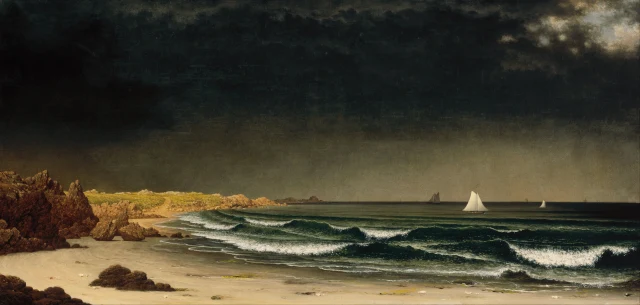
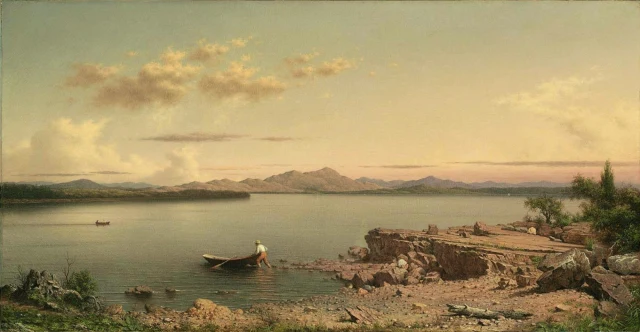
Martin Johnson Heade never settled into one thing, and for most of his life that cost him. He learned to paint as a boy under the folk artist Edward Hicks in rural Pennsylvania, began with stiff portraits, then in his forties found the subject that suited him: the salt marshes of New England, laid out in long, low horizontal canvases under a cool, still light. That patient study of light and air links him to the group of American painters later called the luminists.
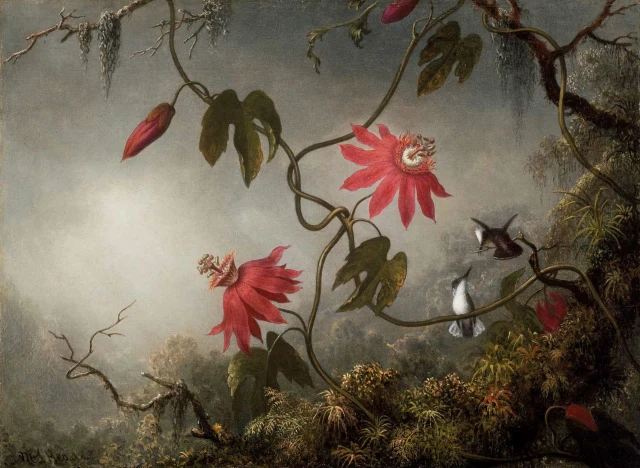
In 1863 he sailed to Brazil, fell for its hummingbirds, and set out to make a book of them, a series of small panels he called The Gems of Brazil. The book never appeared, but the birds stayed with him, and for years he painted hummingbirds among tropical orchids and passion flowers. Emperor Dom Pedro II of Brazil was taken enough with the work to make him a knight of the Order of the Rose.
Heade married late and moved to St Augustine in Florida, where he painted the local marshes and, again and again, cut magnolia blossoms laid on dark velvet. When he died in 1904 he was barely known beyond a small circle. Collectors and scholars rediscovered him in the 1940s, four decades on, and his quiet marsh scenes now hang in major American museums.