Michaelina Wautier
1604–1689 · Spanish Netherlands · Baroque
The story
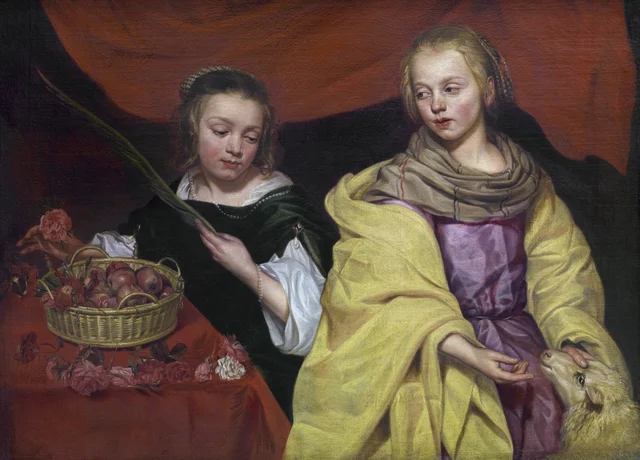
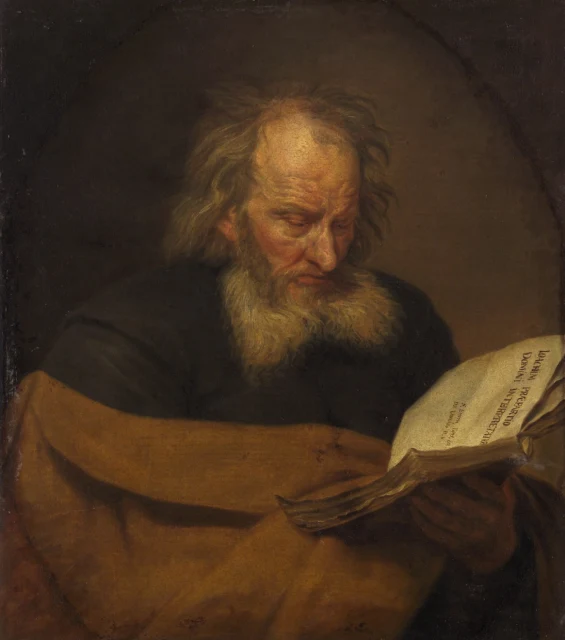
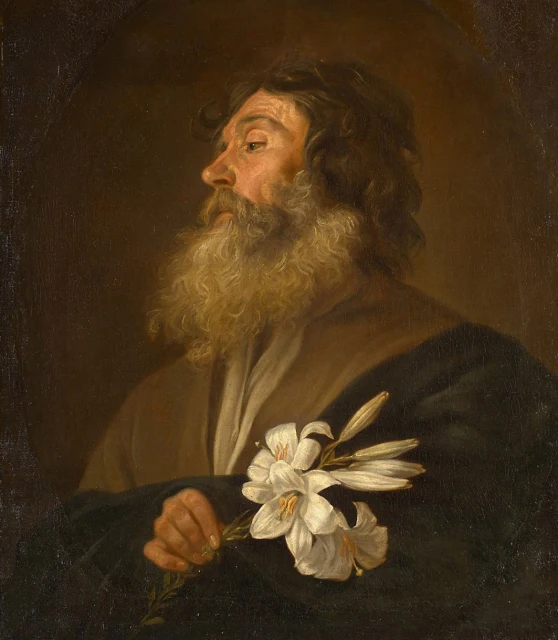
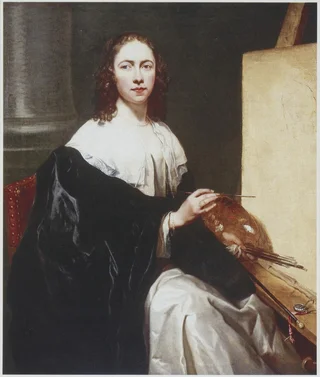
For nearly three centuries her finest paintings hung under other men's names, most often that of her own brother Charles. Michaelina Wautier worked in Brussels in the middle of the 1600s, and she took on what women of her day were largely kept away from — large history paintings, the most prestigious and demanding kind of picture — alongside portraits, flowers and religious scenes.
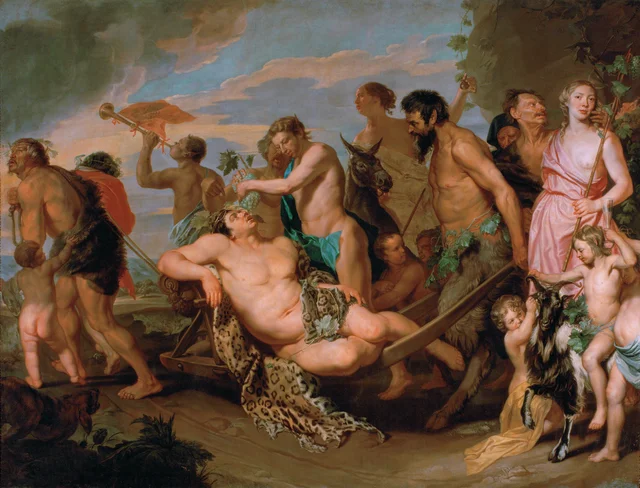
Her boldest surviving work is the Triumph of Bacchus, a wall-sized canvas crowded with drunken figures around the Roman wine god. Among the revelers she painted herself, dressed as a bacchante and looking straight out at the viewer, quietly claiming the picture as her own. One of her patrons was Archduke Leopold Wilhelm, the Habsburg governor of the Southern Netherlands, who kept several of her canvases in his famous collection.
She never married, shared a household with Charles, and after her death in 1689 slipped almost entirely out of the record. Recognition came only recently: the Belgian art historian Katlijne Van der Stighelen spent years reassembling her work, and in 2018 the Rubens House in Antwerp gave her the first exhibition devoted to her alone.