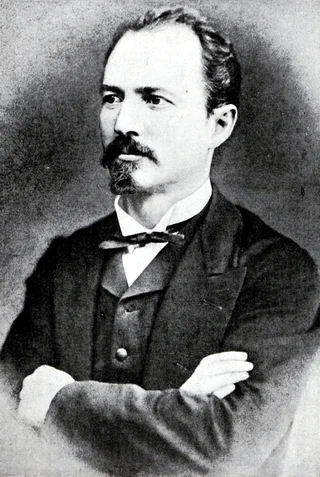
Nicolae Grigorescu
1838–1907 · Romania · Barbizon school, Realism
The story
At 23 Nicolae Grigorescu was painting the inside of a monastery church, the walls of Agapia in the hills of Moldavia, in a careful blend of Byzantine icon tradition and a softer modern manner. That was the trade he had learned as a boy, apprenticed young to a workshop that turned out icons and church frescoes.
In 1861 a scholarship took him to France, and there everything shifted. He fell in with the painters of Barbizon, a village at the edge of the forest of Fontainebleau where artists such as Jean-François Millet had left the studio to paint outdoors, straight from the fields. Grigorescu carried the habit home: peasant girls, white oxen dragging carts down dusty roads, the ordinary Romanian countryside seen in open air and daylight.
In 1877, when Romania fought for its independence from the Ottoman Empire, he went with the army to the front and sketched the soldiers at the fortifications of Grivița. He is usually called the father of modern Romanian painting, and most of his work has stayed in the country. The ox-cart on a sunlit road became almost his signature image.
More articles
Works
22 works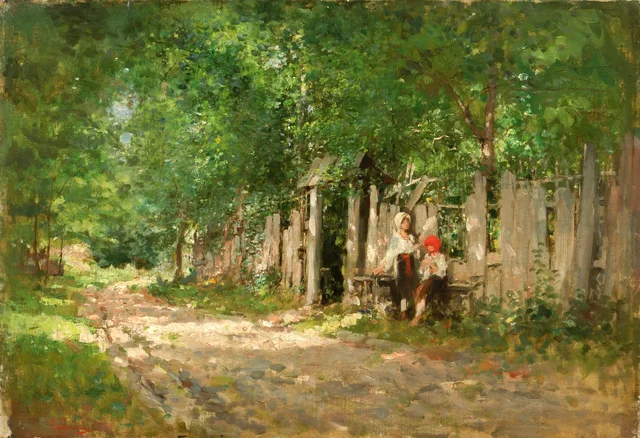 Girls Spinning at the GateNicolae Grigorescu, 1885
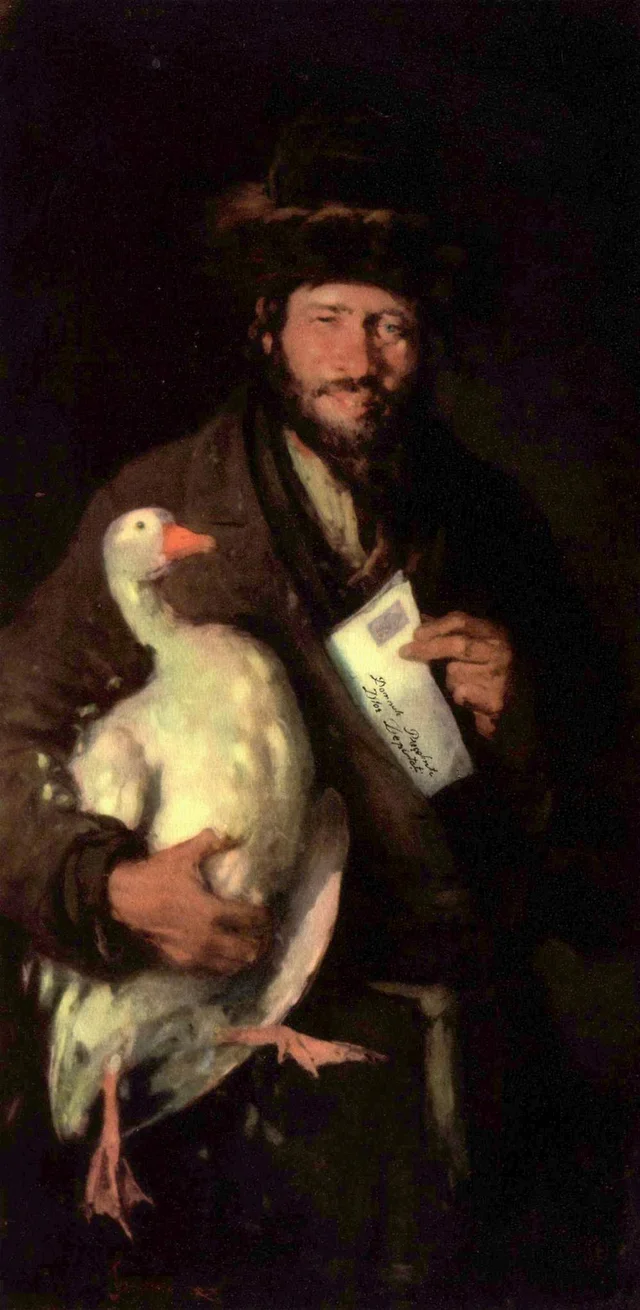 Jew with GooseNicolae Grigorescu, 1880
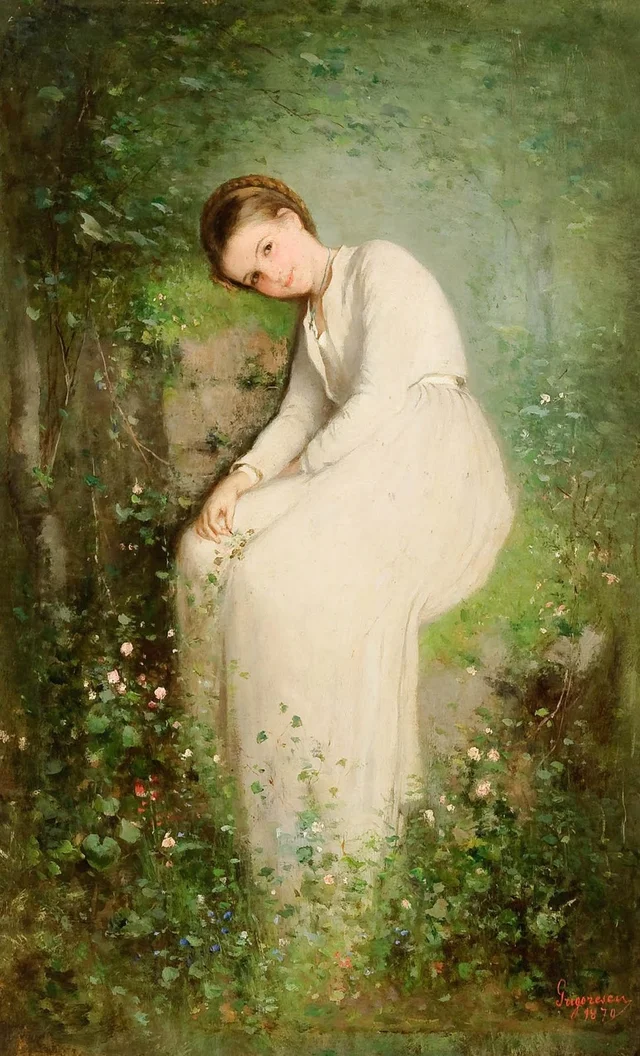 A flower among the flowersNicolae Grigorescu, 1870
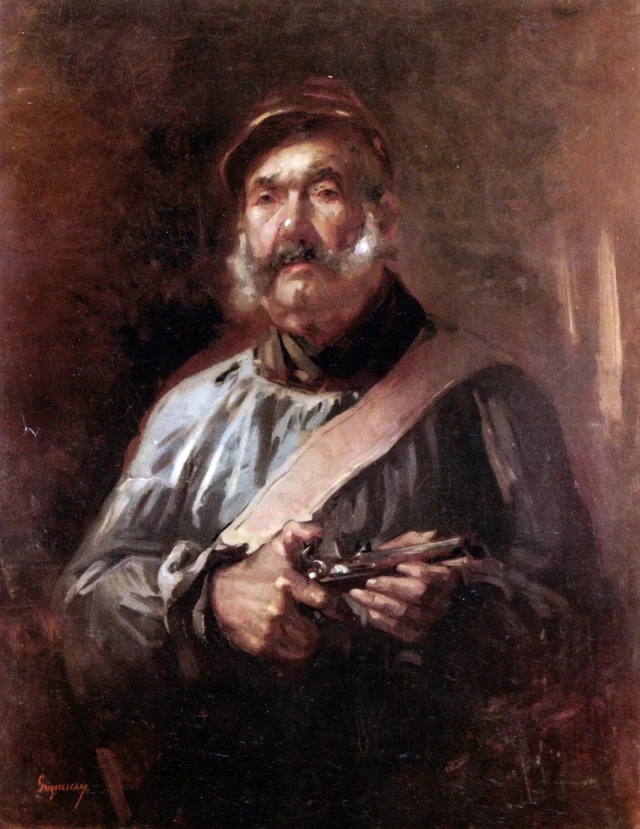 Chailly guardNicolae Grigorescu, 1867
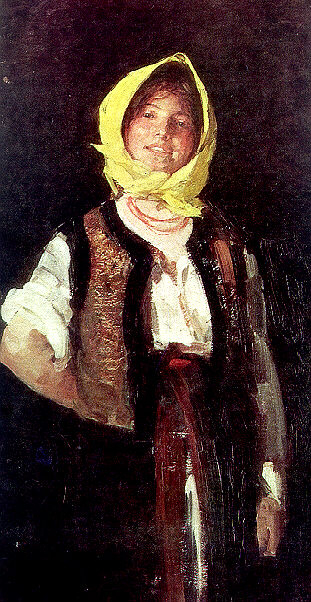 Cheerful peasantNicolae Grigorescu, 1894
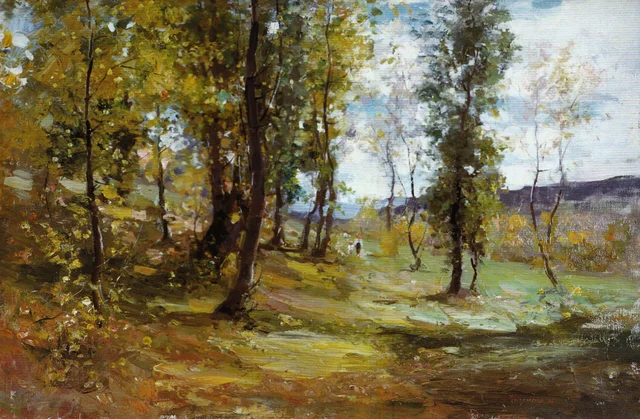 ClearingNicolae Grigorescu, 1896
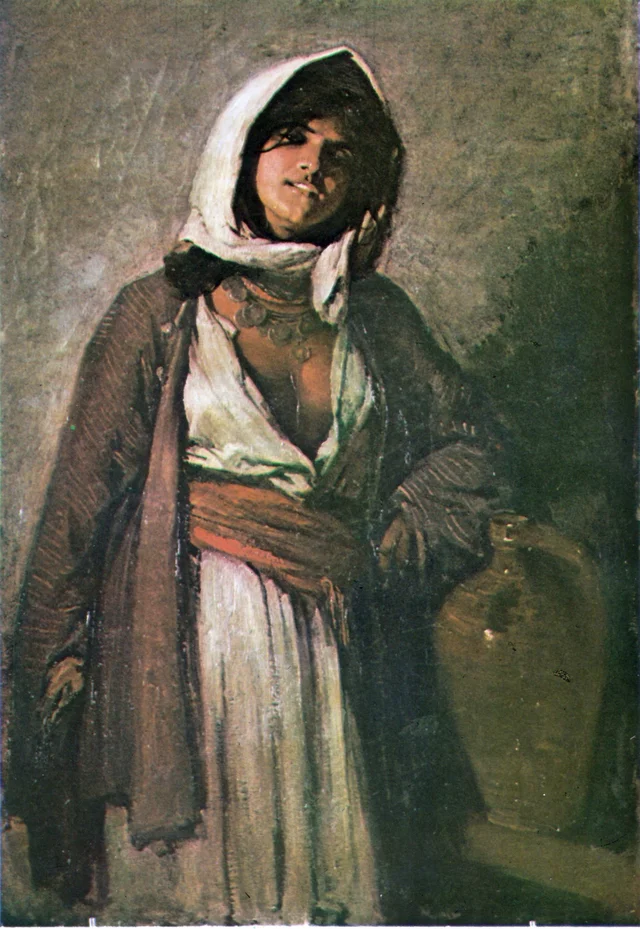 Ghergani GypsyNicolae Grigorescu, 1872
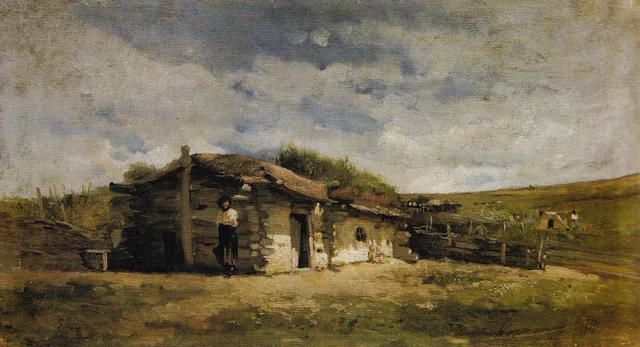 HutNicolae Grigorescu, 1873
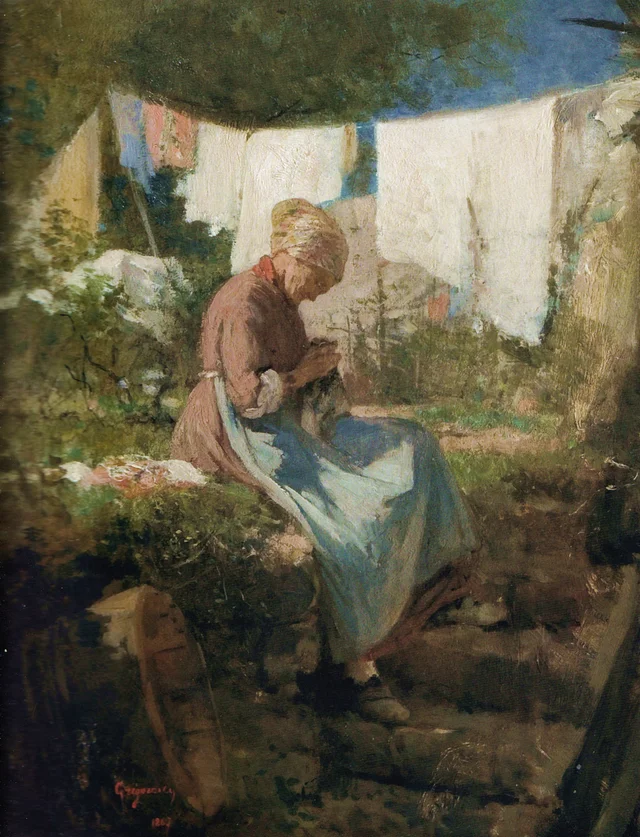 Old Woman MendingNicolae Grigorescu, 1867
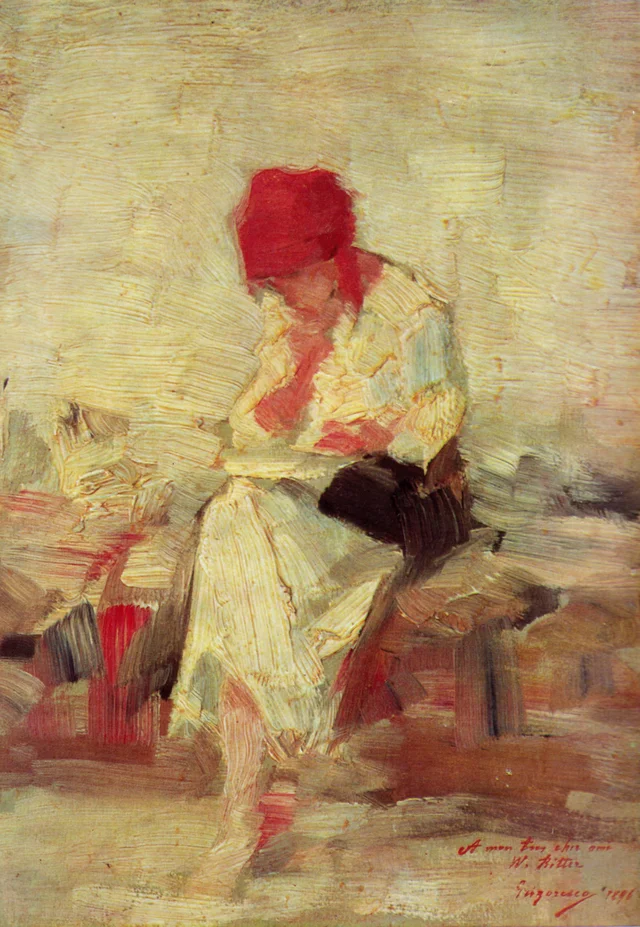 Peasant readingNicolae Grigorescu, 1896
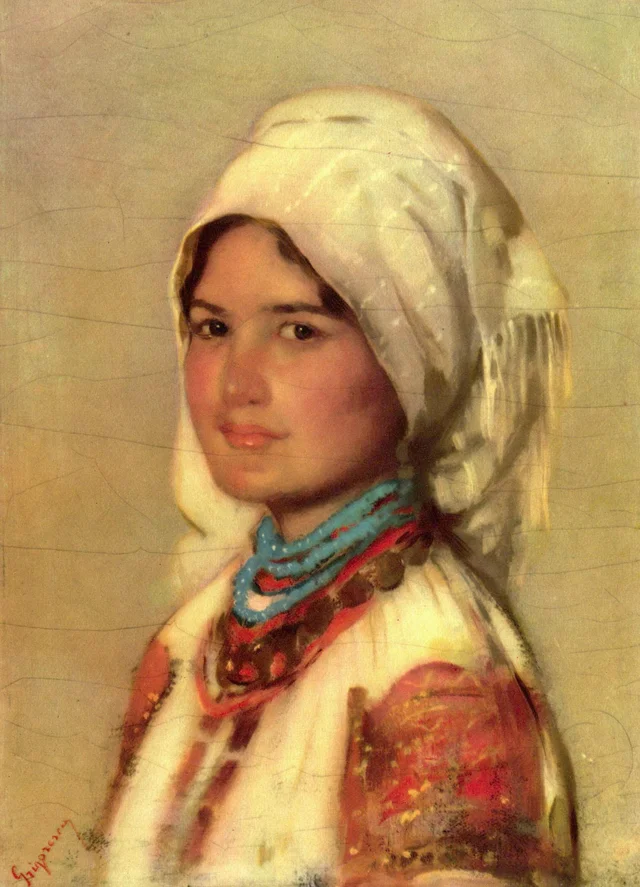 Peasant Woman from MuscelNicolae Grigorescu
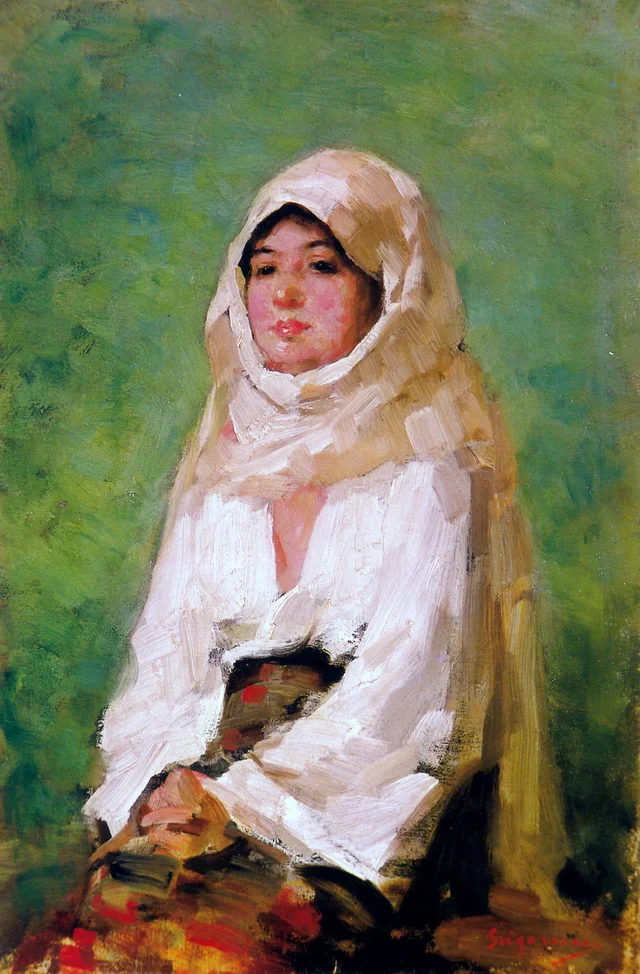 Peasant Woman with a VeilNicolae Grigorescu
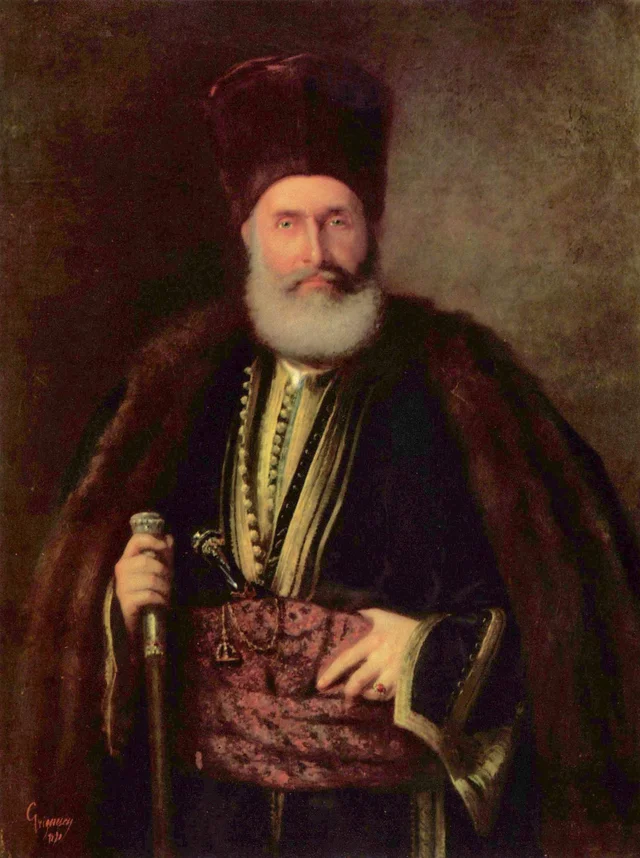 Portrait of the Grand Ban Năsturel HerescuNicolae Grigorescu, 1870
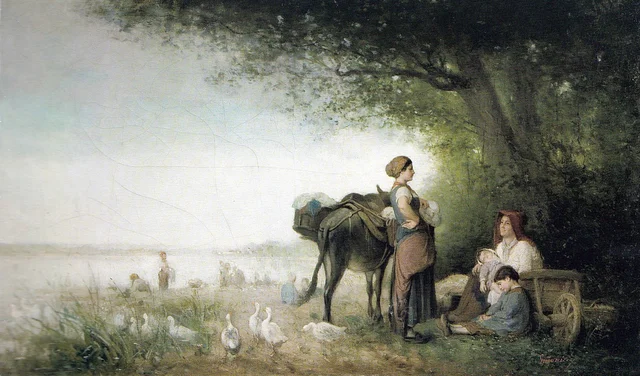 River washNicolae Grigorescu, 1867
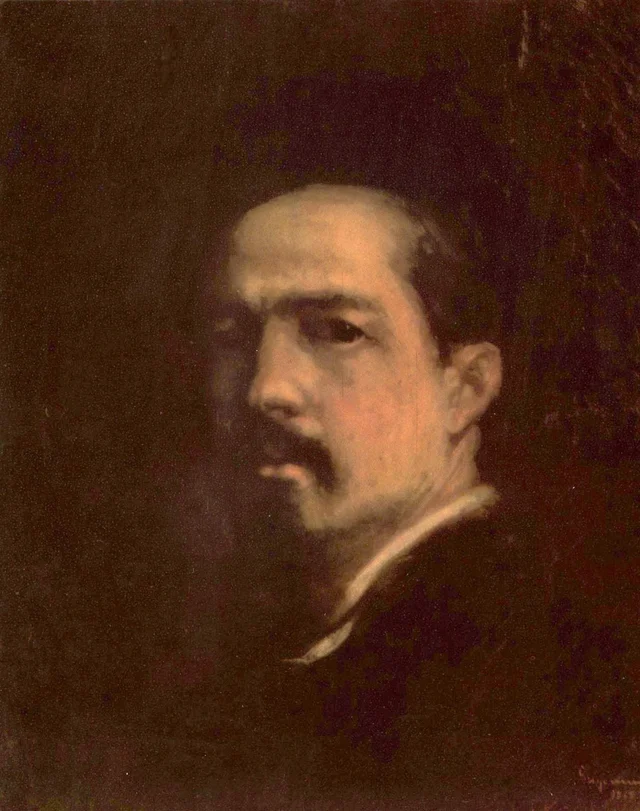 Self-PortraitNicolae Grigorescu, 1868
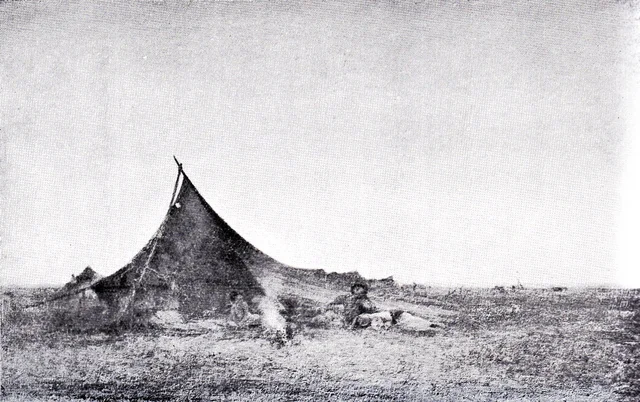 Tents at sunsetNicolae Grigorescu, 1869
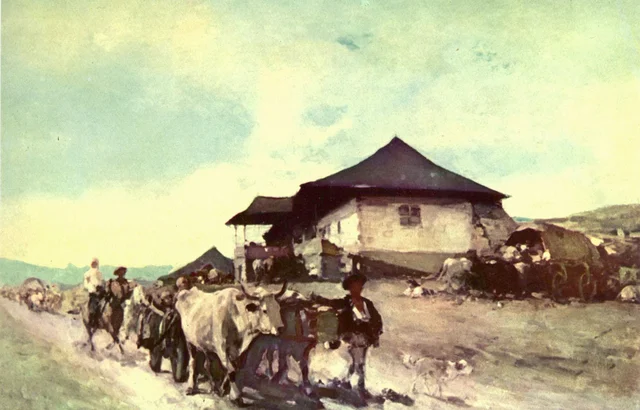 The Inn at OrățiiNicolae Grigorescu
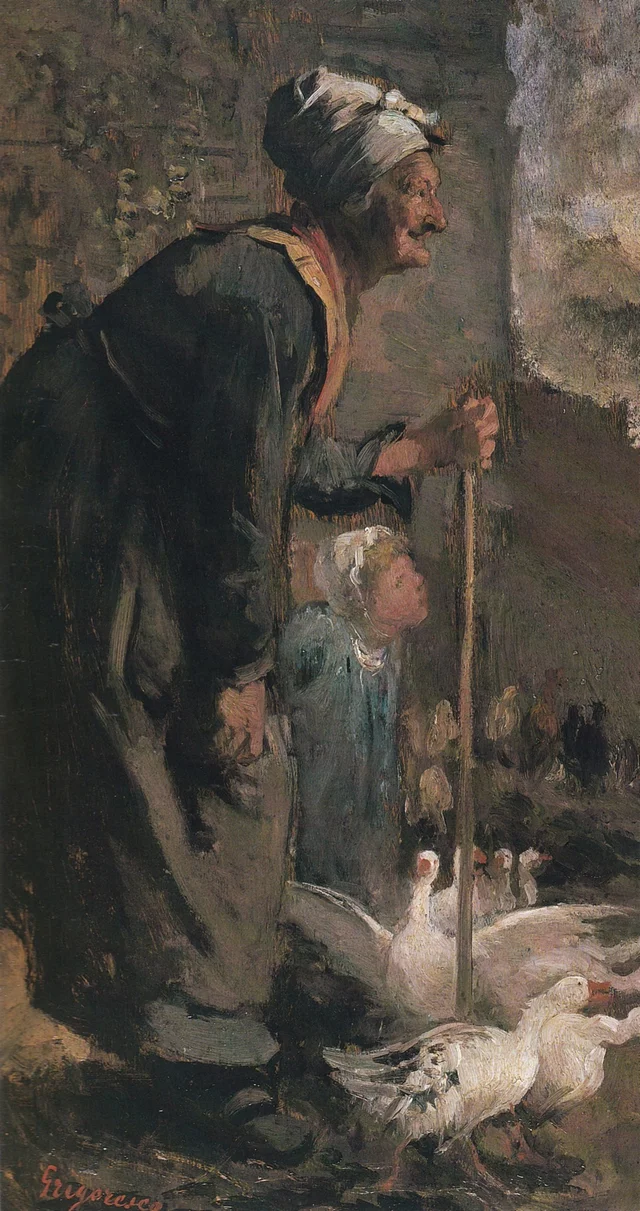 The old lady with geeseNicolae Grigorescu, 1868
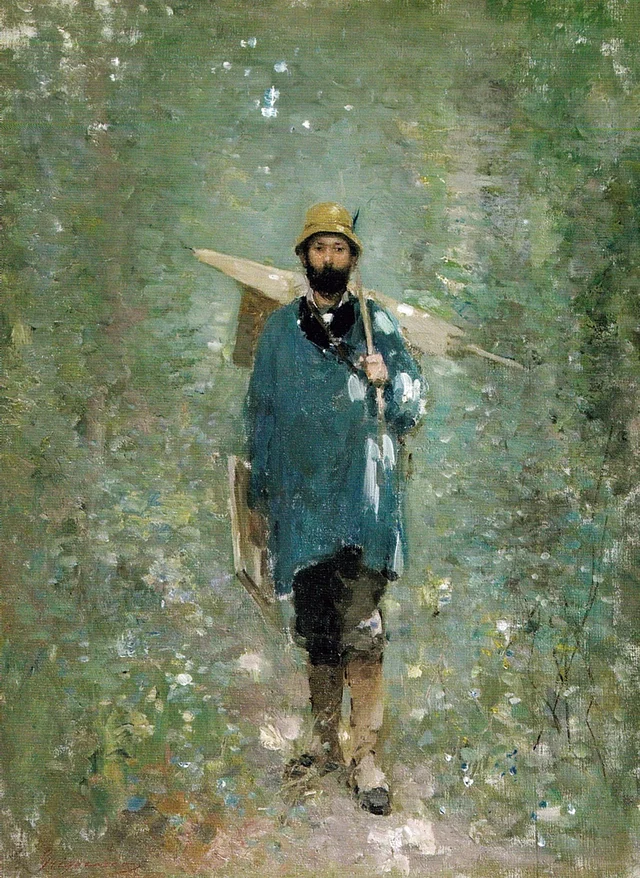 Andreescu at BarbizonNicolae Grigorescu, 1882
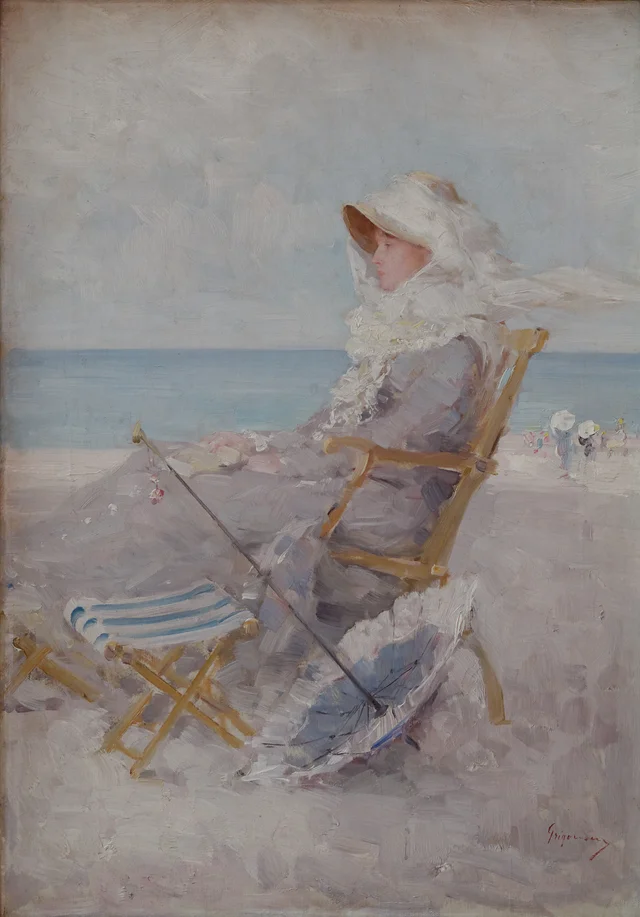 By the SeaNicolae Grigorescu, 1881
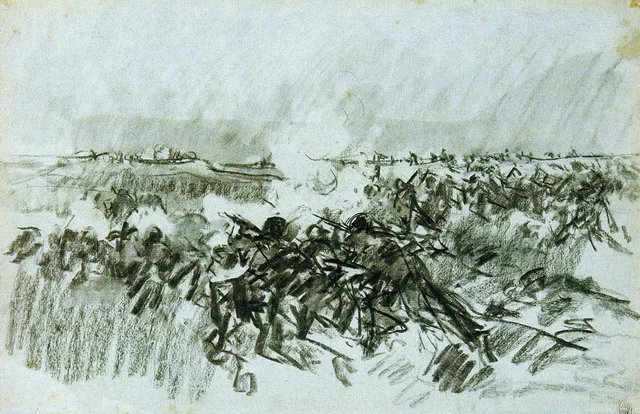 Infantry attackNicolae Grigorescu, 1877
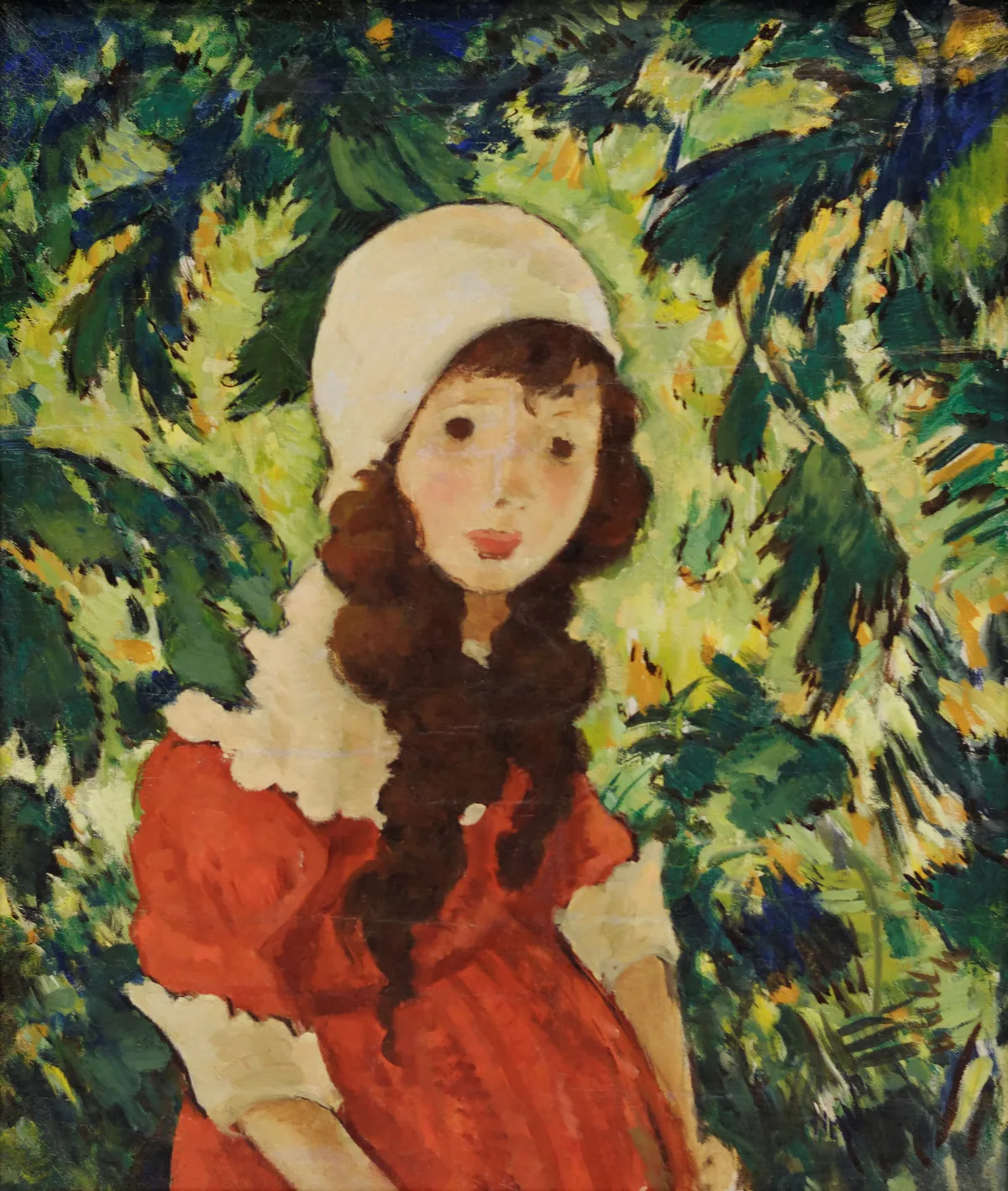
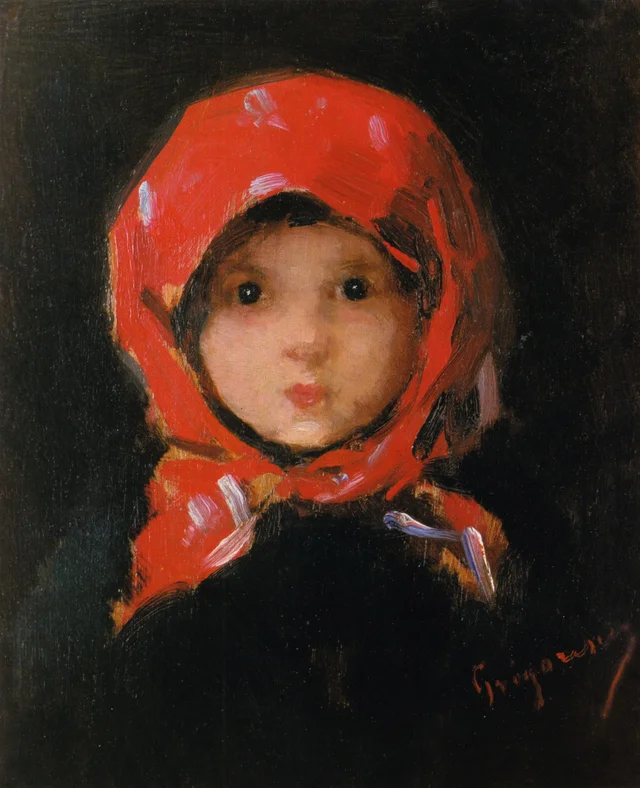 Portrait of a little girlNicolae Grigorescu