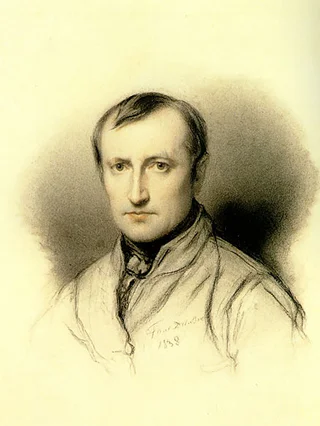
Paul Delaroche
1797–1856 · France · Romanticism, Academicism, Neoclassicism
The story
Paul Delaroche gave the 19th century its history in the form of gripping, theatrical scenes, painted so smoothly you could believe you were watching them happen. His most famous is the Execution of Lady Jane Grey, the young English queen of nine days, blindfolded and feeling for the block in a dark Tower of London while an official gently guides her hand.
Enormously popular in his day, Delaroche specialised in these tense, tearful moments from English and French history, doomed royals and prisoners, painted with a polish that appealed to a wide public. Critics later found the work too stagey, and his fame dimmed.
He is remembered now almost as much for a sentence as for a picture. Shown one of the first daguerreotypes, the new photographs of the late 1830s, he is said to have exclaimed that from that day painting was dead. He was wrong, and seemed to know it, going on to praise photography as a tool for artists. He also taught a large studio of pupils, among them Jean-Léon Gérôme, before his death in 1856.
Works
9 works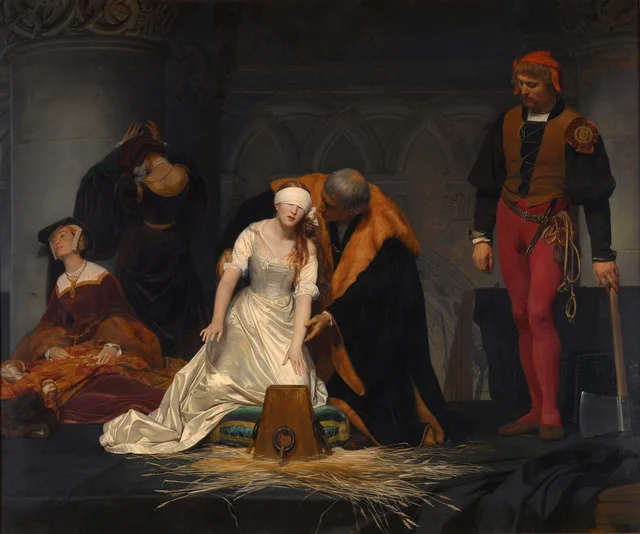 The Execution of Lady Jane GreyPaul Delaroche, 1833
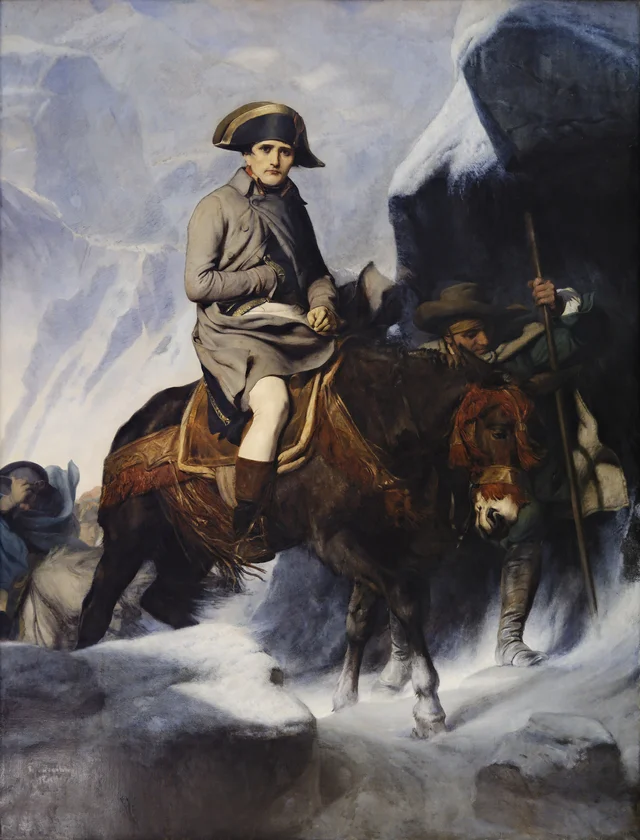 Bonaparte Crossing the AlpsPaul Delaroche, 1848
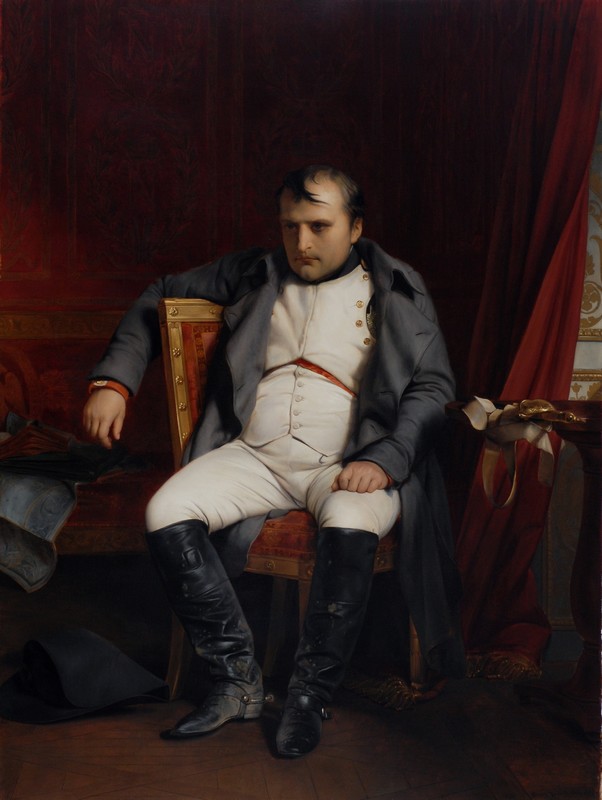 Napoléon Bonaparte abdicated in FontainebleauPaul Delaroche, 1845
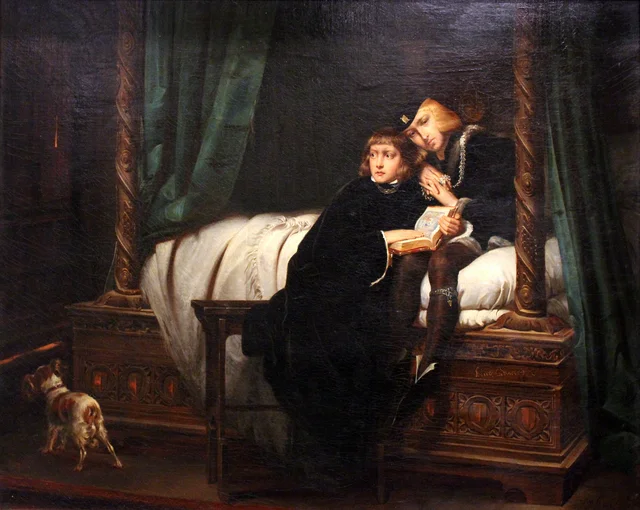 The Children of EdwardPaul Delaroche, 1830
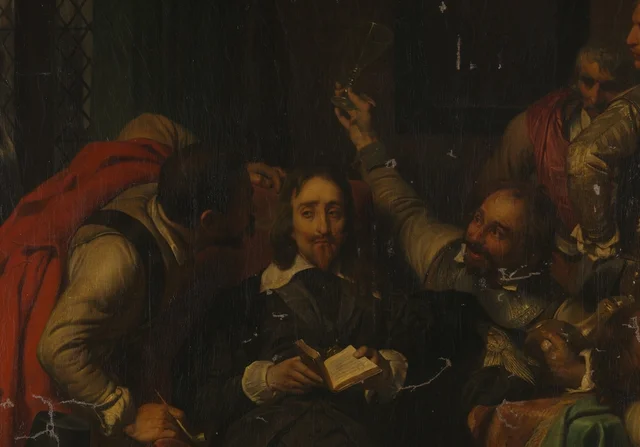 Charles I Insulted by Cromwell's SoldiersPaul Delaroche, 1836
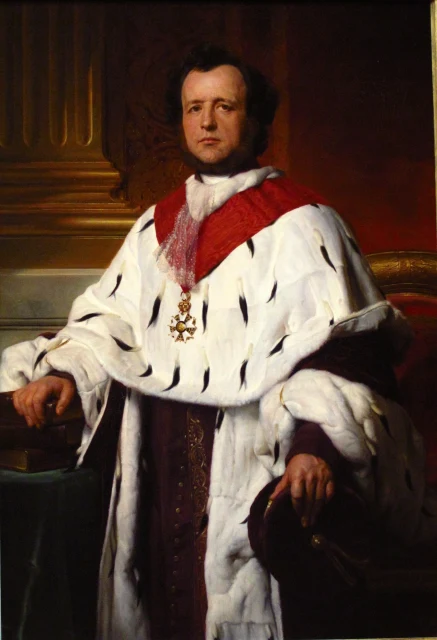 Count Narcisse-Achille de Salvandy, Grand Master of the UniversityPaul Delaroche, 1846
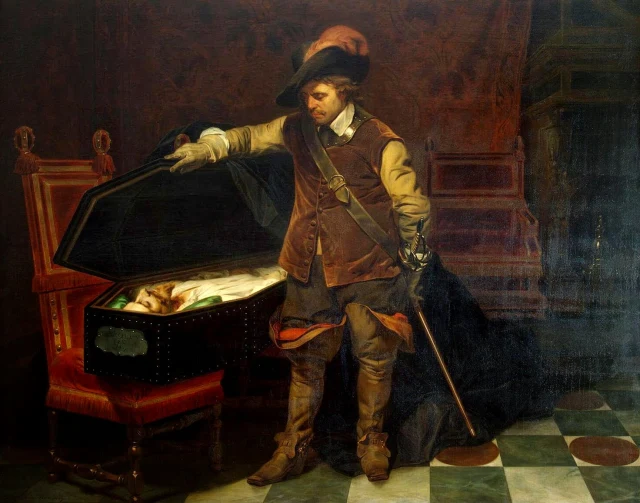 Cromwell before the Coffin of Charles IPaul Delaroche, 1831
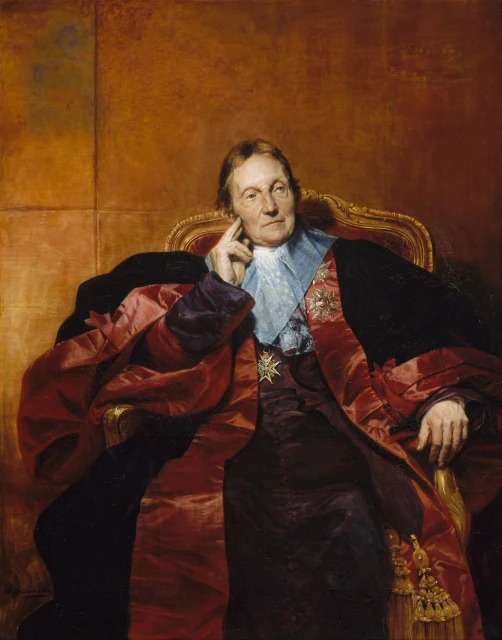 Marquis de PastoretPaul Delaroche, 1829
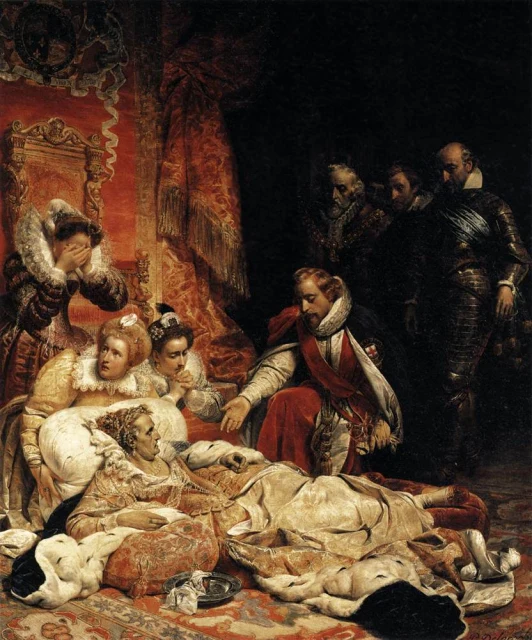 The Death of Elizabeth I, Queen of England, in 1603Paul Delaroche, 1828