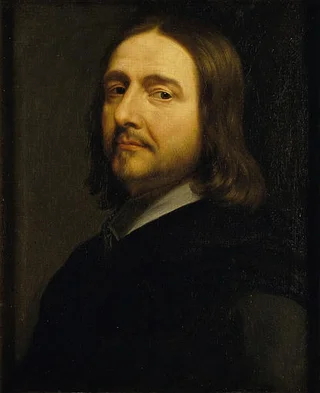
Philippe de Champaigne
1602–1674 · Kingdom of France · Classicism
The story
Philippe de Champaigne was a Flemish-born painter who became the grave, exact portraitist of France's ruling men. He painted Cardinal Richelieu, the power behind Louis XIII, more than once, including a famous study showing the cardinal's head from three angles at once, made to guide a sculptor.
In middle life he drew close to Port-Royal, the austere Jansenist community whose stern Catholicism valued plainness and inwardness. His art grew quieter and more severe to match, stripped of Baroque display, the sitters set against dark grounds with an unsettling honesty.
Out of that world came his strangest and most personal picture. In 1662 his daughter, a nun at Port-Royal, was reported cured of a paralysis after prayer, and Champaigne painted her and the prioress in silent thanks, an ex-voto with a long inscription recording the event. He kept the picture in his own house for the rest of his life, and died in Paris in 1674.
Works
14 works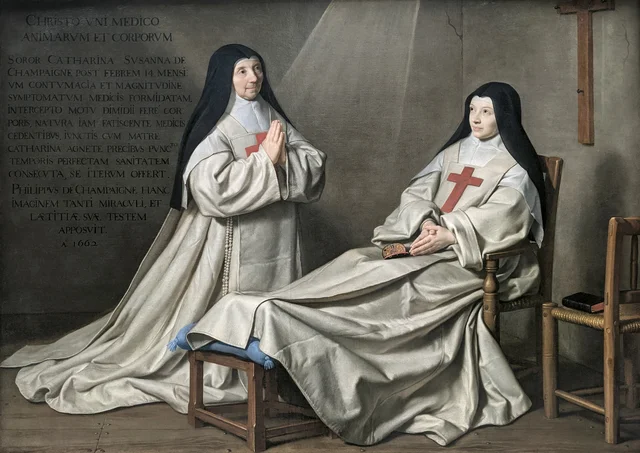 Mother Catherine-Agnès Arnault and Sister Catherine de Sainte Suzanne de ChampaignePhilippe de Champaigne, 1662
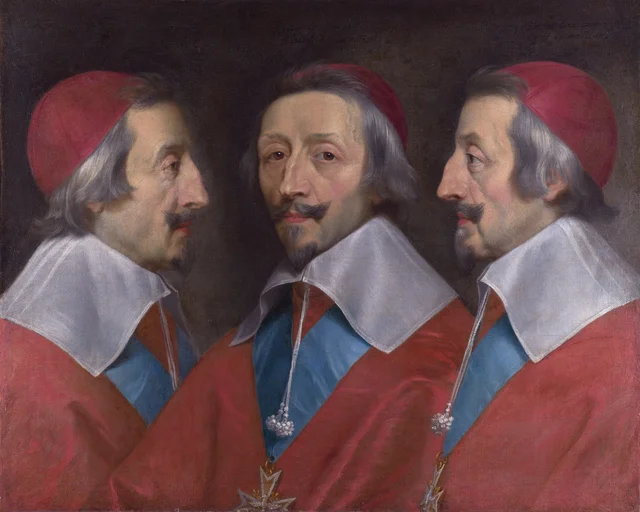 Triple portrait of Cardinal de RichelieuPhilippe de Champaigne, 1642
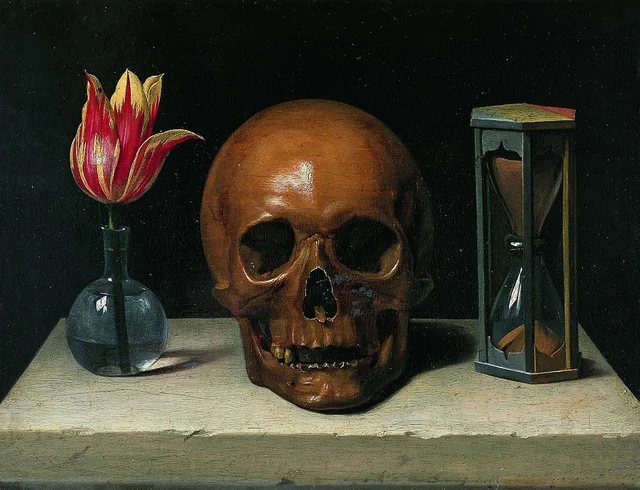 VanitasPhilippe de Champaigne, 1646
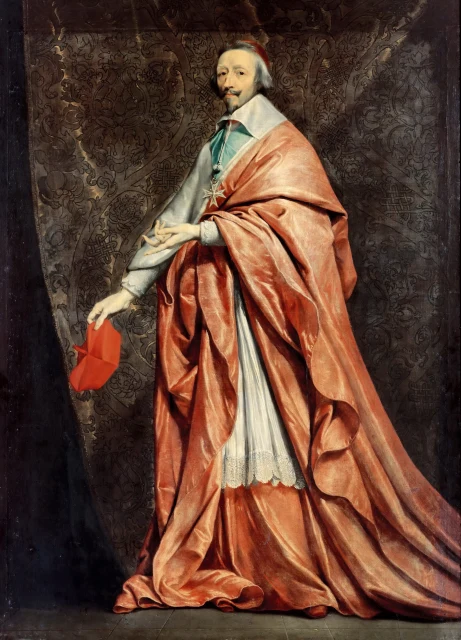 Cardinal de RichelieuPhilippe de Champaigne, 1637
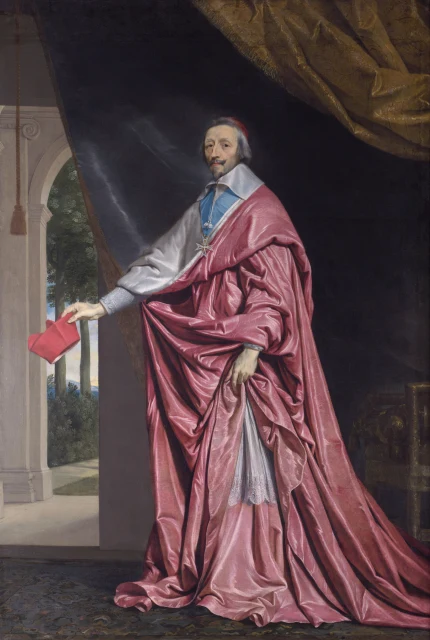 Cardinal de RichelieuPhilippe de Champaigne, 1636
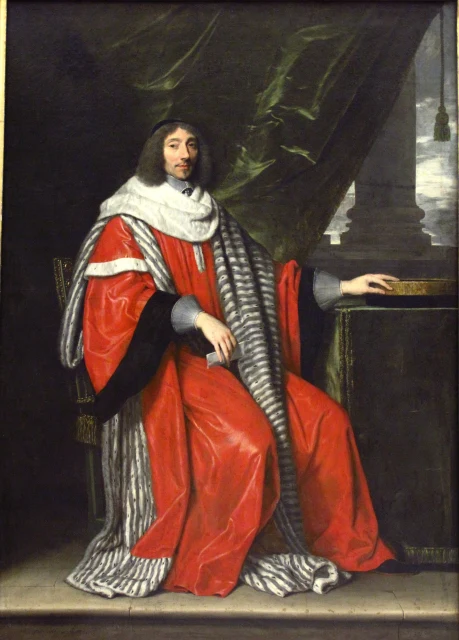 Jean-Antoine de Mesmes (1598-1673), President at the Parlement of ParisPhilippe de Champaigne, 1653
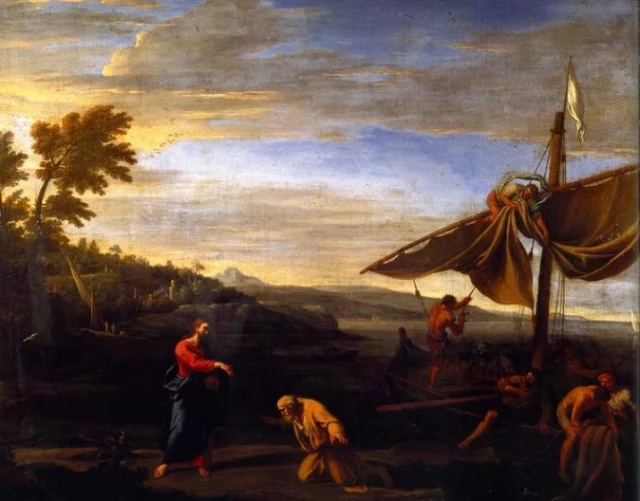 Landscape with the Calling of Saint PeterPhilippe de Champaigne
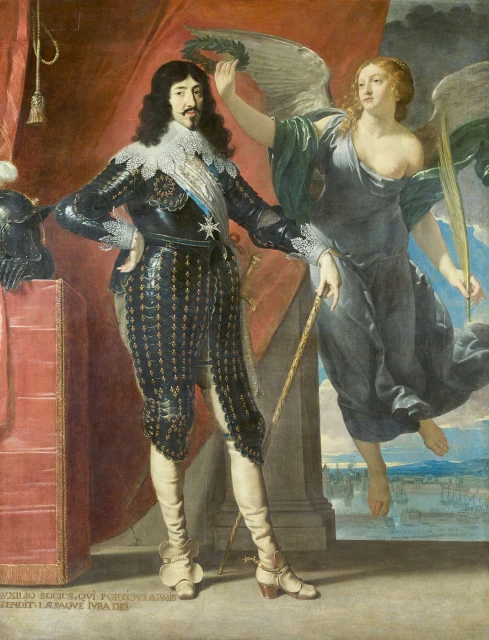 Louis XIII Crowned by VictoryPhilippe de Champaigne, 1634
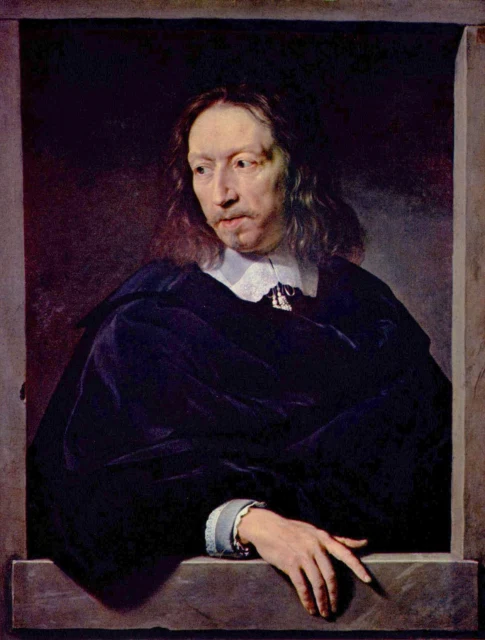 Portrait of a ManPhilippe de Champaigne, 1650
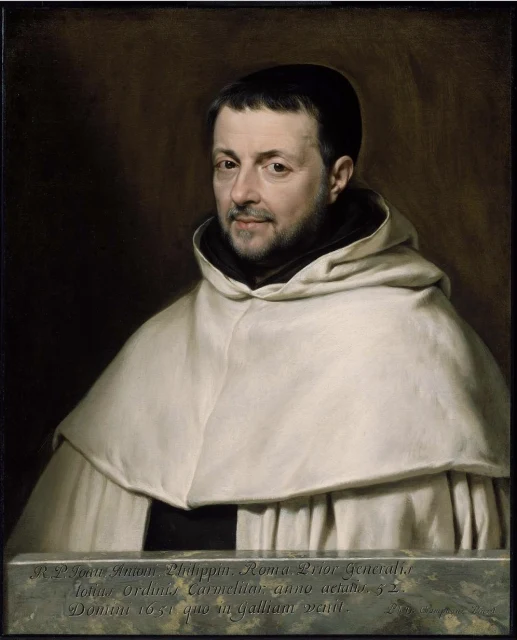 Reverend Father Giovanni Antonio PhilippiniPhilippe de Champaigne, 1651
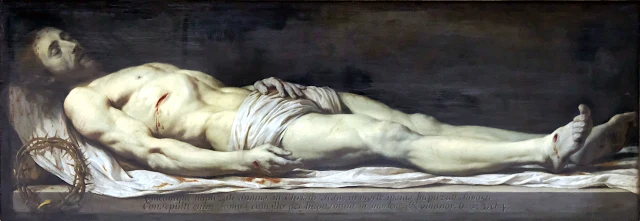 The Dead ChristPhilippe de Champaigne, 1652
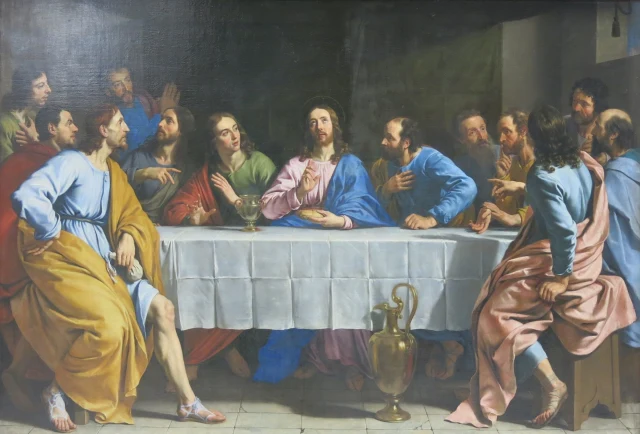 The Large Last SupperPhilippe de Champaigne, 1652
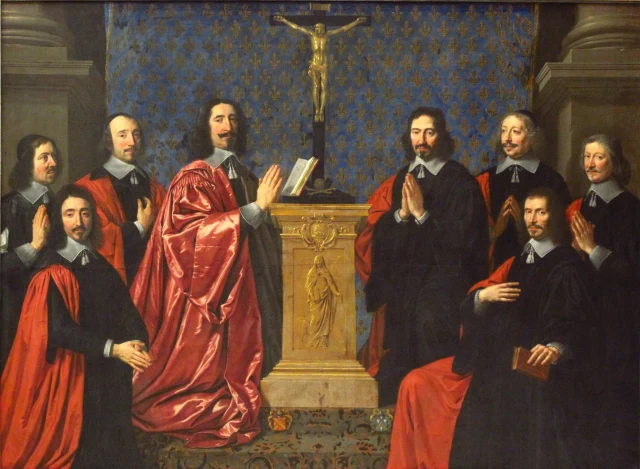 The Provost of the Merchants and the Aldermen of the City of ParisPhilippe de Champaigne, 1648
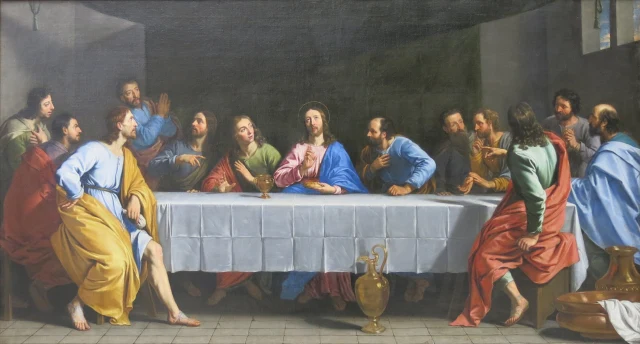 The Small Last SupperPhilippe de Champaigne, 1651