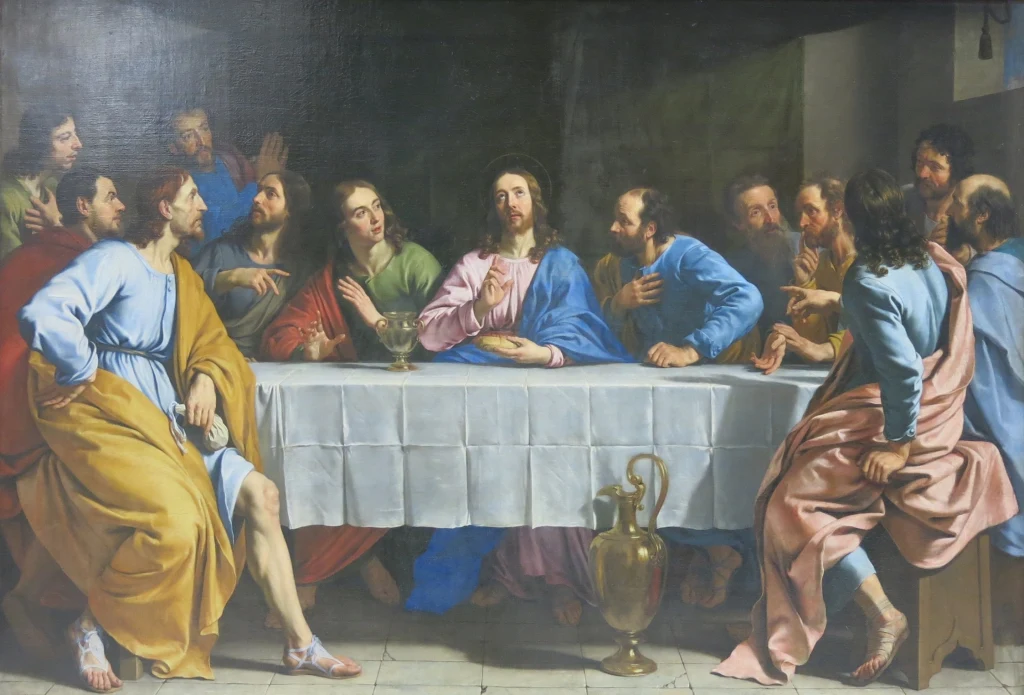
The Large Last Supper
Details
The story
In 1643 Antoine Arnauld, the leading theologian of Port-Royal, published a book on frequent communion. He argued that the sacrament demanded real inner preparation and should never be taken lightly, and the book opened a long quarrel in the French Church. Port-Royal itself was a convent of nuns southwest of Paris, and in 1647 the community took the name Institute of the Holy Sacrament. For the high altar of their church Champaigne painted this Last Supper. Of all the moments in the story he chose the one their devotion turned on, Christ instituting the Eucharist. For the arrangement he looked back to a Raphael design spread by engravings, and very probably to the Last Supper by Frans Pourbus that had stood over an altar in the Paris church of Saint-Leu since 1618, now also in the Louvre. The museum itself gives two dates. Its catalogue header says around 1662, while its own commentary places the picture around 1652, and a larger version in Lyon has also been published as the painting made for that altar. The later story is clearer. The canvas was seized at the Revolution and was on show when the Louvre opened as a museum in 1793.
More works by Philippe de Champaigne
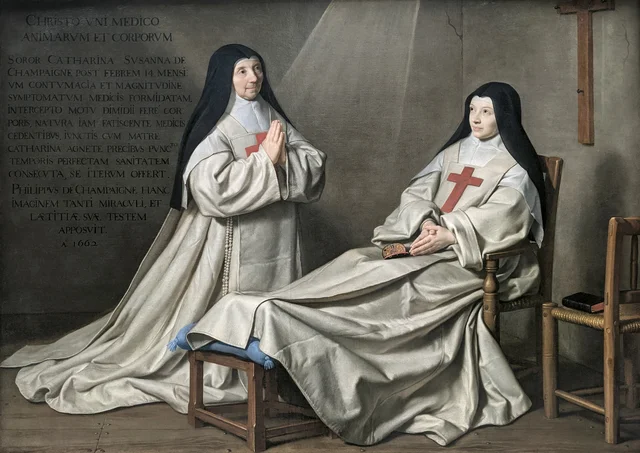 Mother Catherine-Agnès Arnault and Sister Catherine de Sainte Suzanne de ChampaignePhilippe de Champaigne, 1662
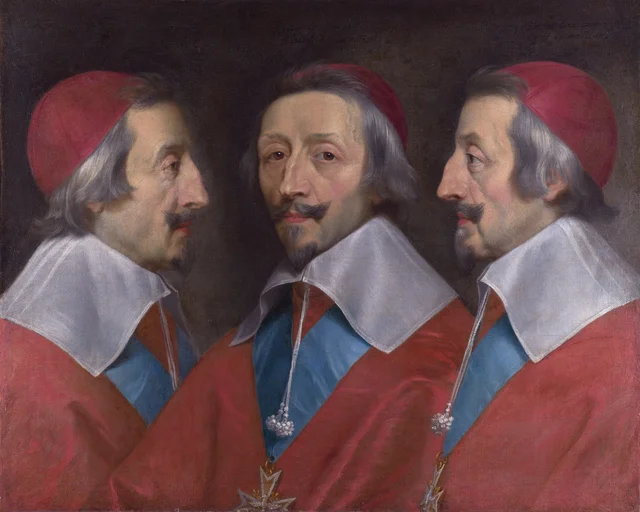 Triple portrait of Cardinal de RichelieuPhilippe de Champaigne, 1642
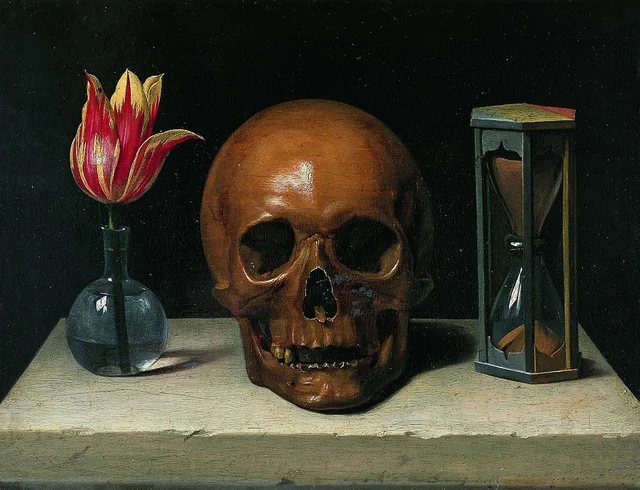 VanitasPhilippe de Champaigne, 1646
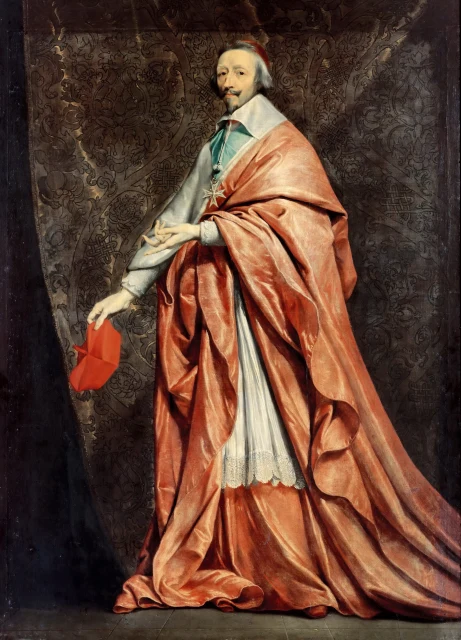 Cardinal de RichelieuPhilippe de Champaigne, 1637
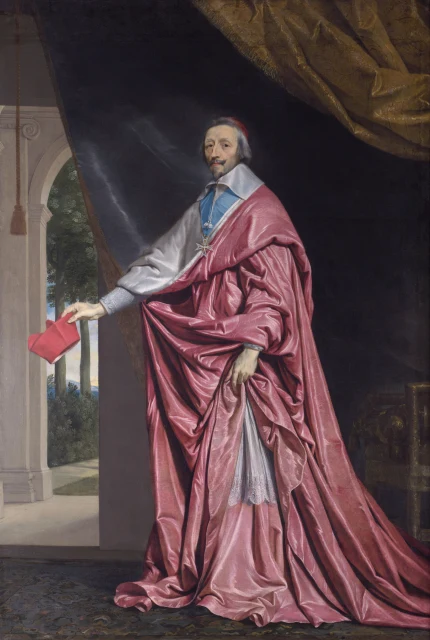 Cardinal de RichelieuPhilippe de Champaigne, 1636