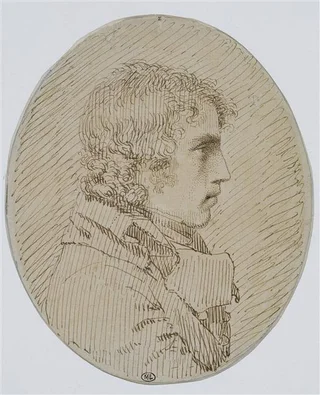
Pierre-Paul Prud'hon
1758–1823 · France · Neoclassicism
The story
While Jacques-Louis David, the reigning master of French painting, and his followers held to hard edges and cold Roman clarity, Pierre-Paul Prud'hon went the other way, into soft shadow and dreamlike sensuality. He had spent three years in Italy in the 1780s, absorbing the melting light of the Renaissance painter Correggio and the smoky transitions of Leonardo, and his contemporaries took to calling him the French Correggio.
The style suited power. Under Napoleon he became a favourite of both empresses, Josephine and Marie-Louise, painting portraits at court and designing decorations for imperial ceremonies. His most famous canvas, from 1808, was commissioned for a Paris criminal courtroom: 'Justice and Divine Vengeance Pursuing Crime,' where two avenging goddesses swoop through the dark after a fleeing murderer.
His private life ran into tragedy. Prud'hon worked for years beside his pupil Constance Mayer, a painter who became his companion after his own marriage failed. When he would not, or could not, marry her, she fell into despair and took her own life in 1821 with his razor. He organised a memorial exhibition of her work, finished the painting she had left unfinished, and survived her by barely two years.
Works
10 works La Justice et la Vengeance Divine poursuivant le CrimePierre-Paul Prud'hon, 1808
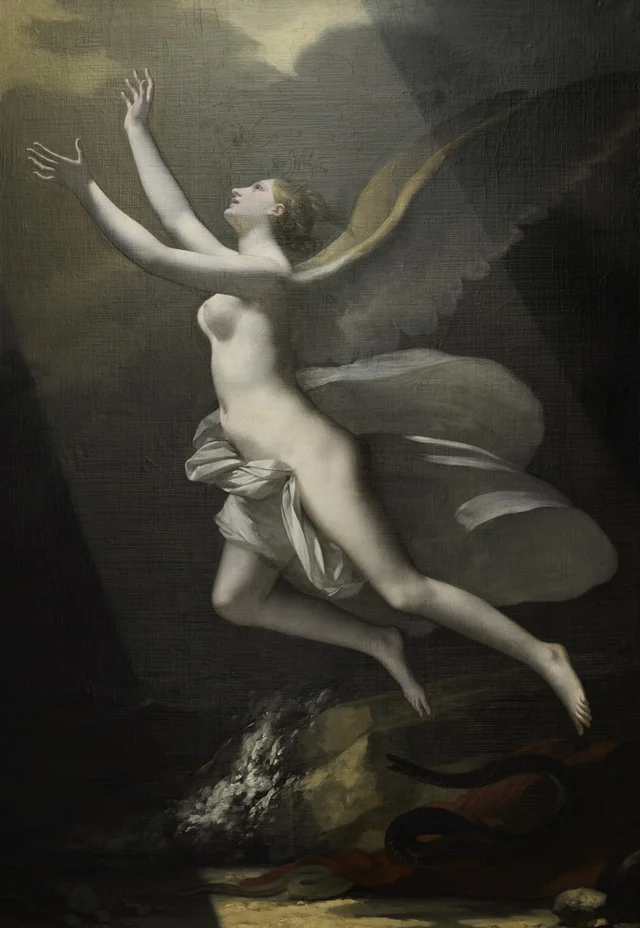 The Soul Breaking the Links Holding it to the EarthPierre-Paul Prud'hon, 1822
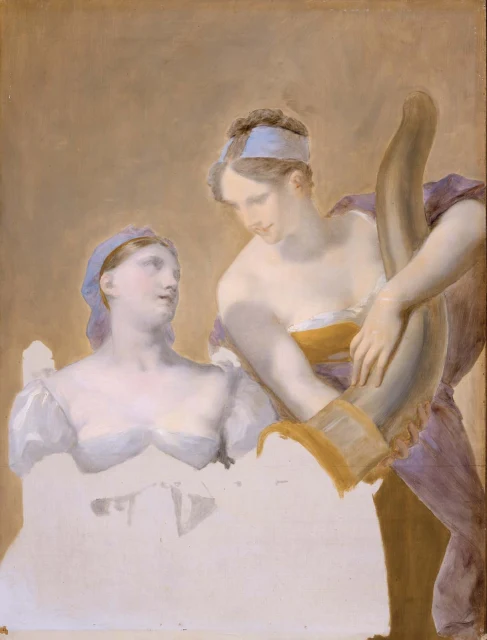 AbundancePierre-Paul Prud'hon, 1816
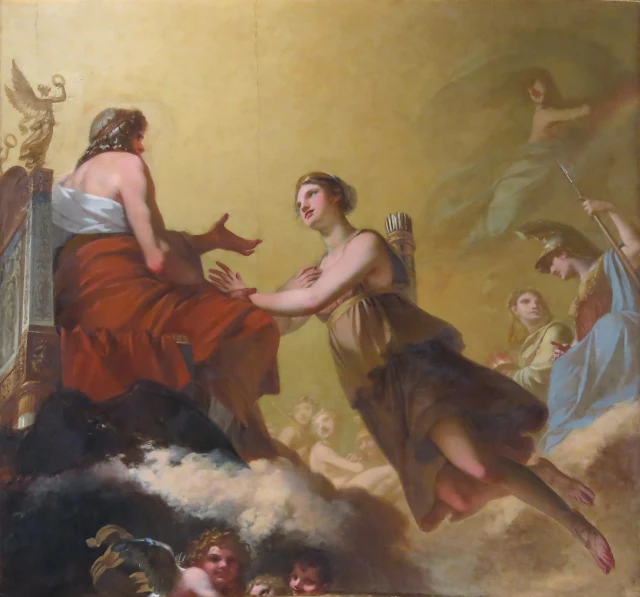 Diana Imploring Jupiter Not to Subject Her to the Laws of MarriagePierre-Paul Prud'hon, 1803
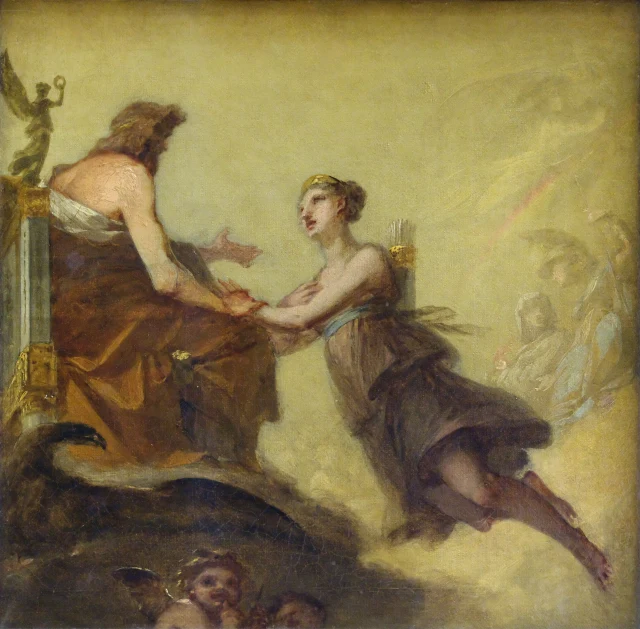 Diana Imploring Jupiter Not to Subject Her to the Laws of Marriage (Sketch)Pierre-Paul Prud'hon, 1802
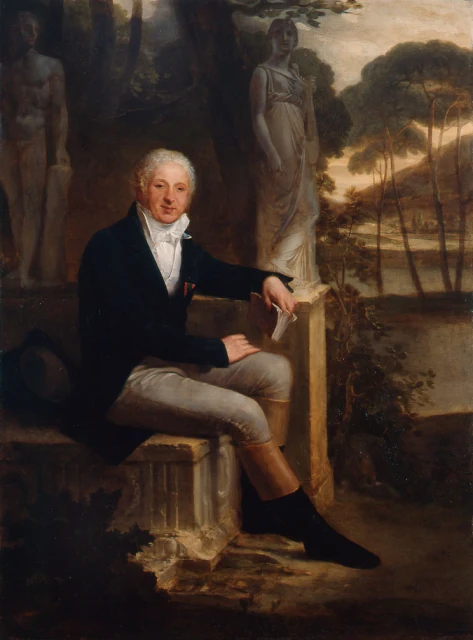 Portrait of Giovanni Battista SommarivaPierre-Paul Prud'hon, 1813
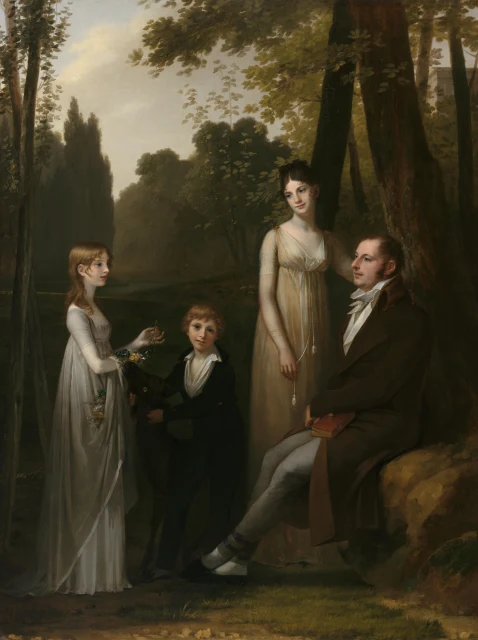 Portrait of Rutger Jan Schimmelpenninck and Catharina Nahuys with their ChildrenPierre-Paul Prud'hon, 1801
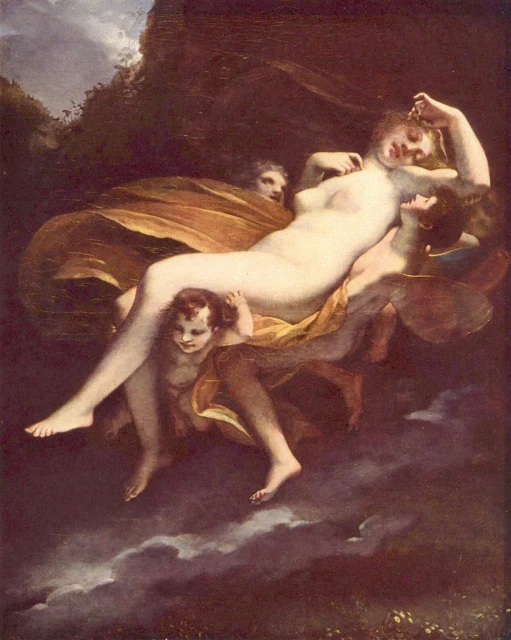 The Abduction of PsychePierre-Paul Prud'hon, 1808
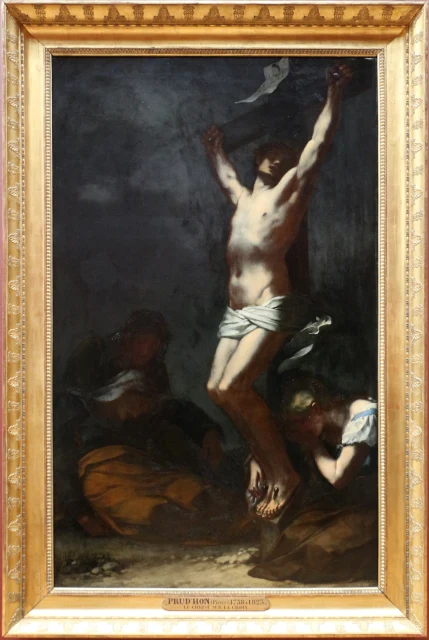 The CrucifixionPierre-Paul Prud'hon, 1822
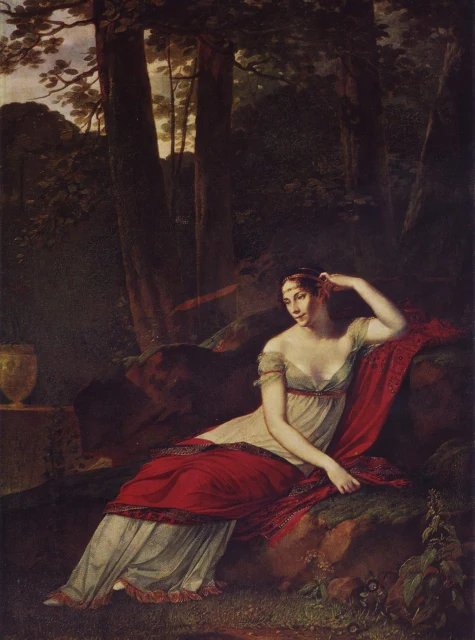 The Empress JoséphinePierre-Paul Prud'hon, 1805