Samuel Finley Breese Morse
1791–1872 · United States · Neoclassicism, American Romantic movement
The story
The name comes up every time a message clicks out in dots and dashes: Samuel Morse gave his name to the code and built the electric telegraph that carried it. For the first half of his life, though, he wanted one thing, and it had nothing to do with wires. He wanted to be a great American painter.
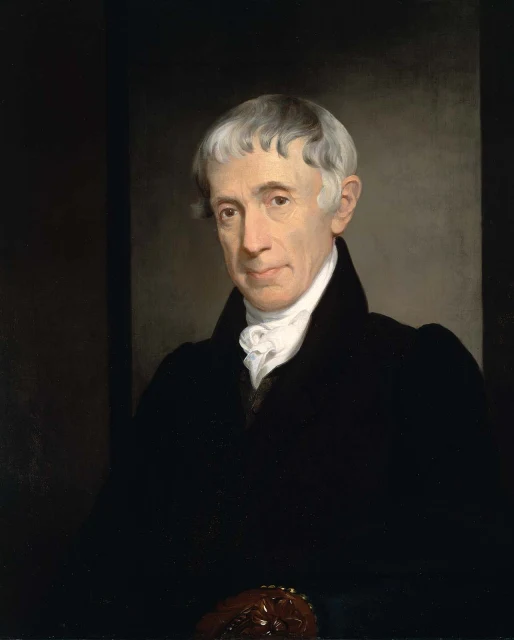
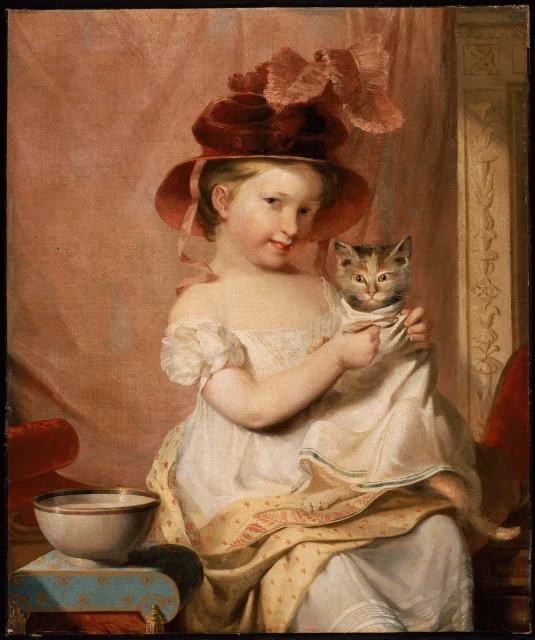
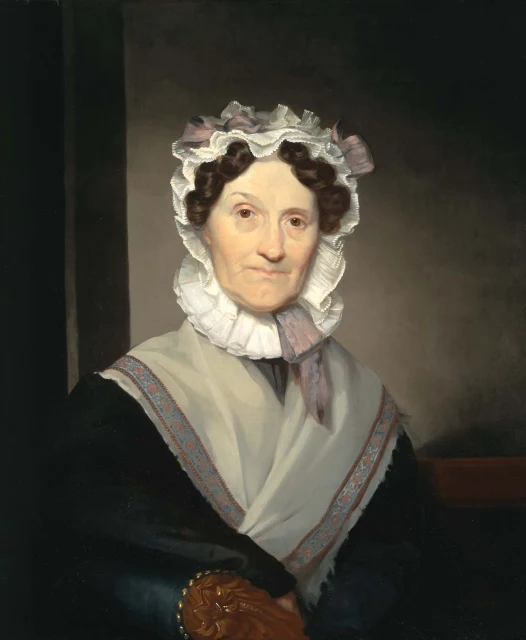
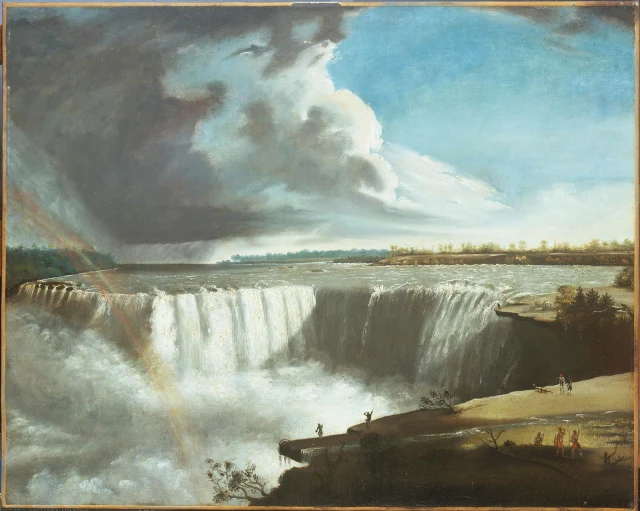
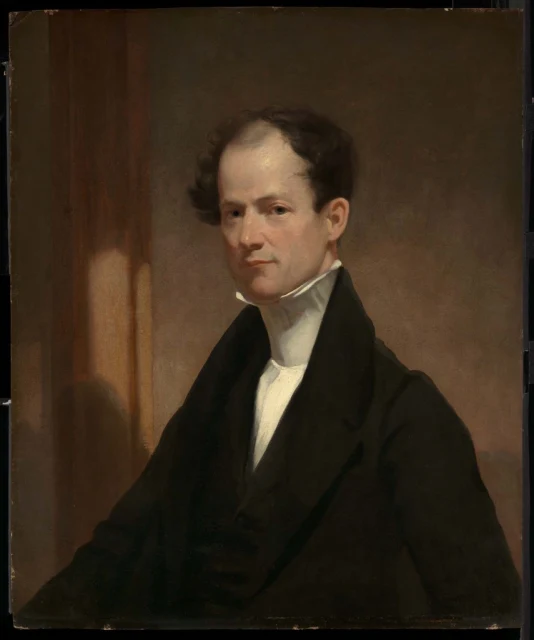
He was good enough for it. He trained in London, painted portraits to pay his way, and in 1826 helped found the National Academy of Design in New York, becoming its first president. His real ambition was the grand historical picture, and in the early 1830s he poured it into 'Gallery of the Louvre', a single canvas crowded with tiny copies of the museum's masterpieces, a whole art education packed into one frame. He finished it in 1833 and showed it to an America that mostly shrugged.
That indifference broke something in him. The young republic had little use for the monumental art he revered, and after losing a coveted commission to paint one of the murals in the Capitol rotunda in Washington, he gave up painting almost entirely. The idea for the telegraph had come to him on the ship home from Europe in 1832, and he turned to it with the energy he could no longer spend on canvas. By the time he died in 1872 he was world-famous as an inventor, and the paintings he had cared about most sat largely unseen.