Ștefan Luchian
1868–1916 · Romania · Post-Impressionism, Impressionism, Art Nouveau
The story
In 1915 a young prosecutor went to a house in Bucharest to arrest a painter and found him unable to get out of bed. Ștefan Luchian had been ill with multiple sclerosis for 15 years, and a fraud complaint claimed that the canvases still appearing under his name were really painted by other hands. The prosecutor declared him arrested where he lay. The poet Tudor Arghezi, one of his closest defenders, called the affair monstrous in print.
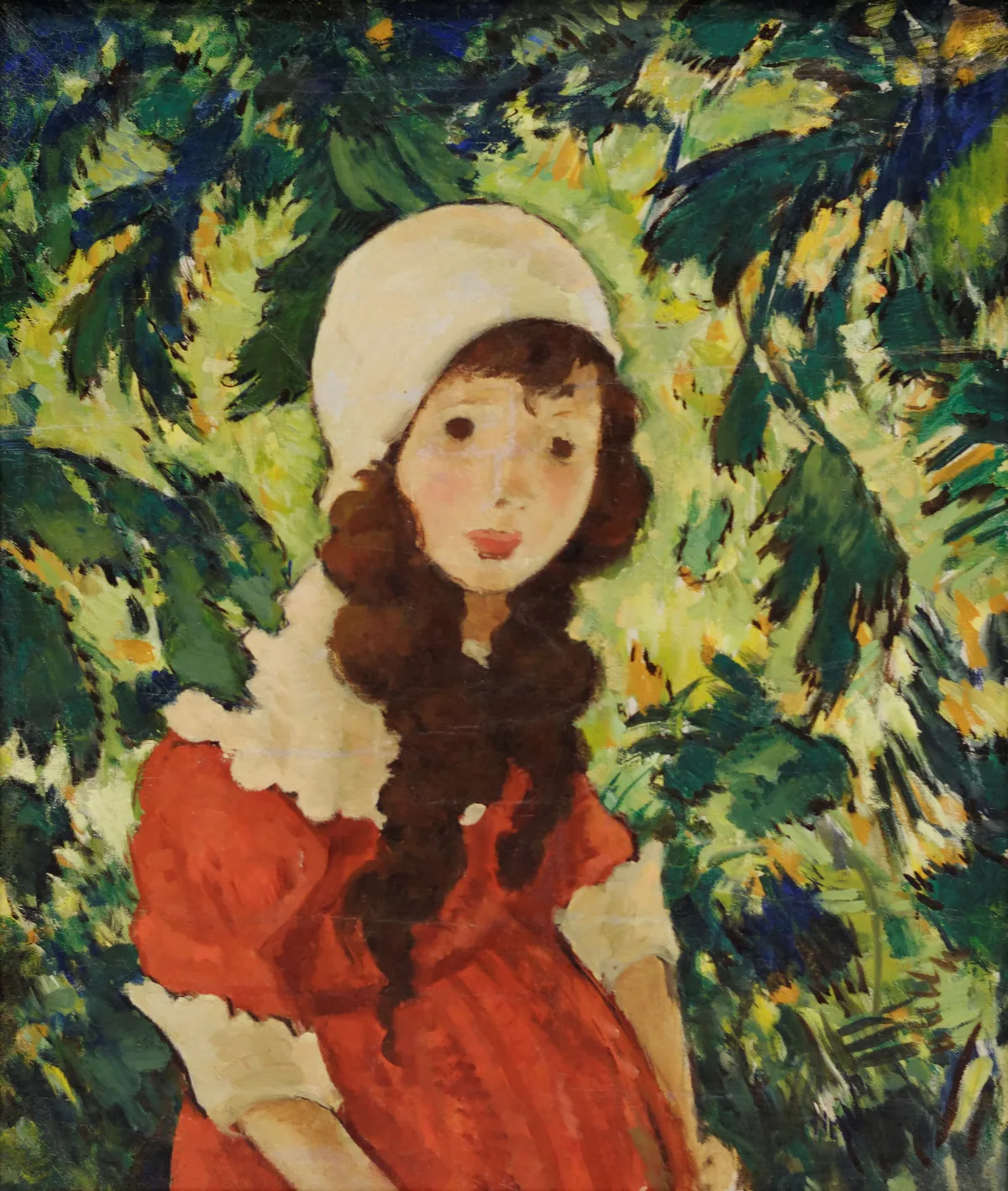
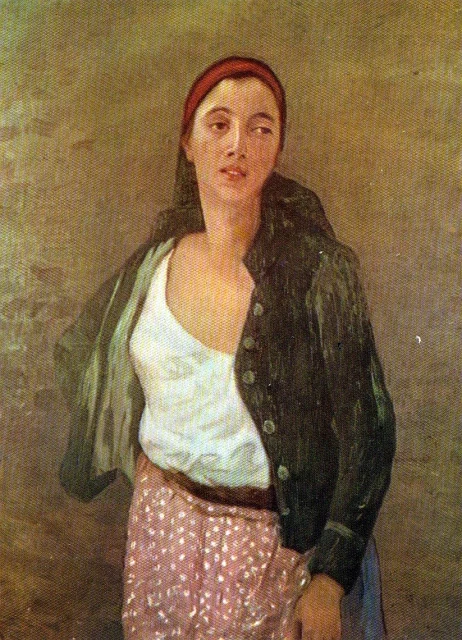
The suspicion grew out of a real situation. The first signs of the disease appeared around 1900, and from about 1909 Luchian was confined to an armchair. In his last years he could no longer grip a brush, so it was tied to his hand. The painter Nicolae Tonitza, then a young man, later described fastening it to Luchian's right forearm and watching the hand move stiffly across the canvas. Much of this late work is flowers, anemones above all, painted again and again in small still lifes, alongside landscapes such as the willows at Chiajna, a village outside Bucharest, from 1909.
He had reached this loose, bright manner from an academic start. He studied in Bucharest, then at the Munich Academy in 1889 and at the Académie Julian in Paris, where he first saw Impressionist painting. Home again, he admired Nicolae Grigorescu, the leading Romanian landscape painter of the day, and in 1896 helped organise a Salon of Independents as an alternative to the official exhibitions. Buyers were slow to come. At his exhibition of 1905 only one painting sold, and the buyer was Grigorescu himself.
His final painting is usually given as Lorica, an interior of 1913, three years before he died in Bucharest in June 1916.