Zahari Zograf
1810–1853 · Bulgarian · Bulgarian National Revival, Samokov School
The story
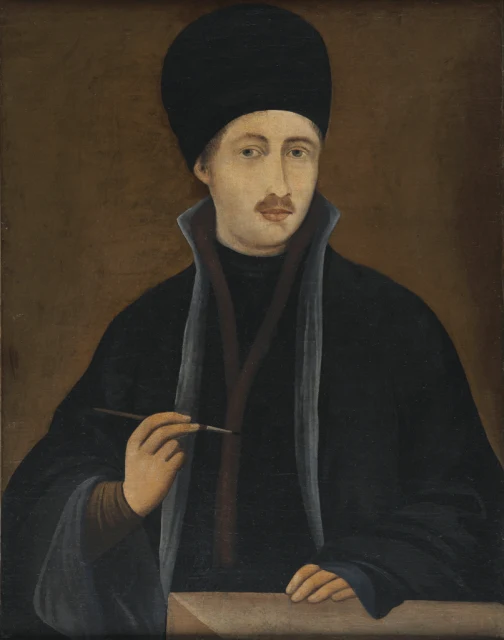
Walk into the church at Troyan Monastery in the Bulgarian mountains, look up, and among the painted saints you will find a young man in fashionable city clothes holding a scroll. That is the painter himself, Zahari Zograf, who signed his own face into sacred walls at a time when a muralist was meant to stay invisible behind the holy figures.
He worked in the 1840s, when Bulgaria was still an Ottoman province and its churches were among the few places a Bulgarian could commission grand painting. Zahari trained in the family workshop in Samokov, a mountain town known across the region for its icon painters, and pushed the old craft somewhere new. Between 1844 and 1845 he covered the main church of Rila Monastery, the largest in the country, with frescoes, and worked scenes of everyday life and recognizable local donors in beside the biblical ones. He left the same signed self-portraits at Bachkovo Monastery and at the Transfiguration Monastery near Veliko Tarnovo.
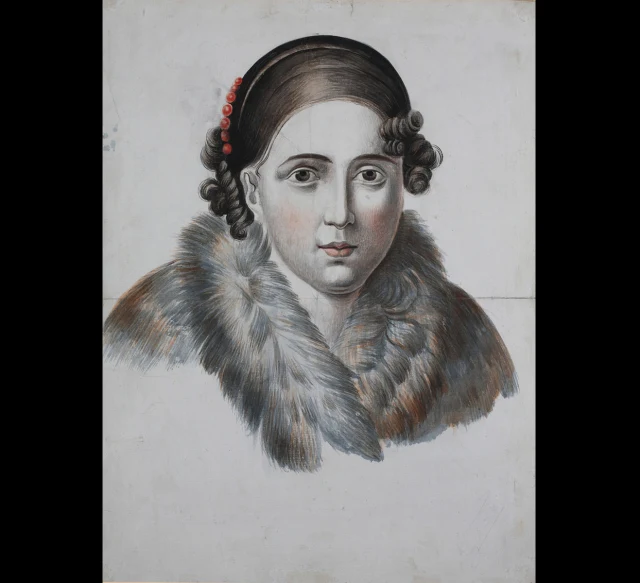
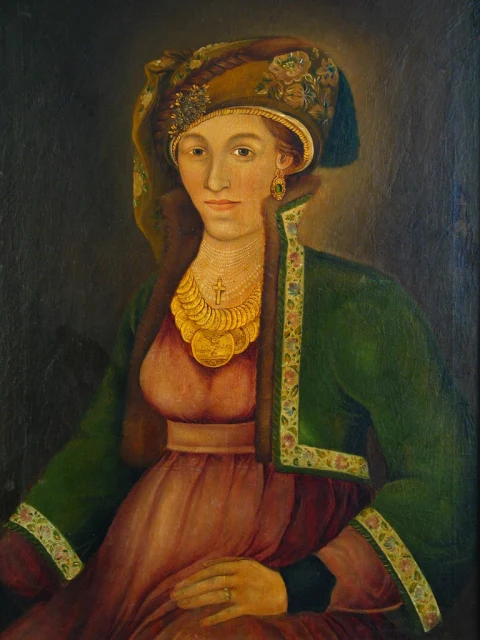
That instinct, putting a real, named person into a religious picture, is why he is remembered as the man who nudged Bulgarian art toward the secular. He also painted straightforward portraits on canvas, still rare for a Bulgarian of his day. Zahari died in 1853, only 43, of typhus, a few years before the first Bulgarians would leave to study painting in the Russian academies.