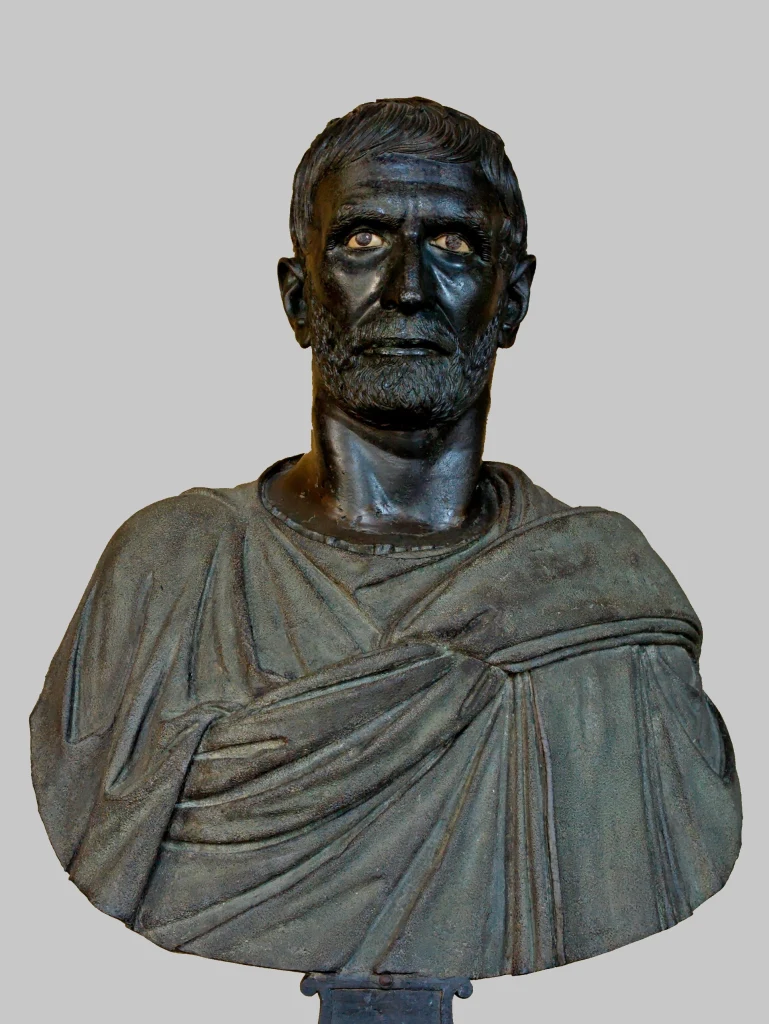
Capitoline Brutus
Details
The story
The name comes from a coin. In 54 BC Marcus Junius Brutus, the senator who ten years later would help kill Julius Caesar, issued silver coins showing his legendary ancestor Lucius Junius Brutus, the man said to have driven out Rome's last king and become its first consul. Those coins are how this bronze head got its name in the Renaissance. The museum calls the identification a learned guess without real foundation. It dates the head to the 4th or 3rd century BC, a Roman reworking of Greek portraits of poets and philosophers, and bronze portraits that early are extremely rare. Only the head is ancient. The draped bust was added in the Renaissance, and Cardinal Rodolfo Pio da Carpi gave the piece to the city in 1564.
The name then gave it a second life. To revolutionary France, Brutus was the hero who had ended a monarchy, and after the peace Napoleon imposed on the pope in 1797 the bust was sent to Paris. In July 1798 it was carried through the city in the triumphal procession of works taken from Italy, and in 1816 it returned to this palace.
More works by Unknown Roman sculptor (Republican period)
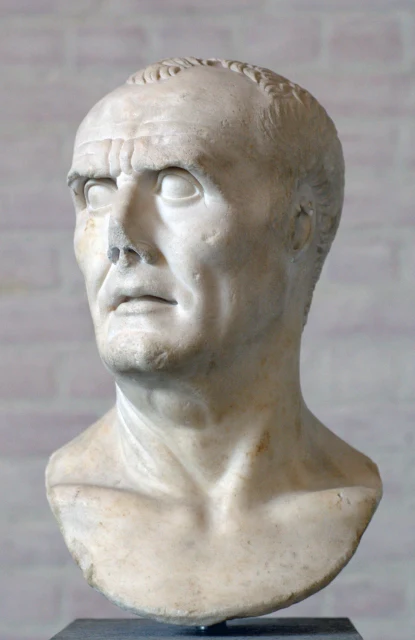 Bust of a Roman, the So-called "Marius"Unknown Roman sculptor (Republican period), -30
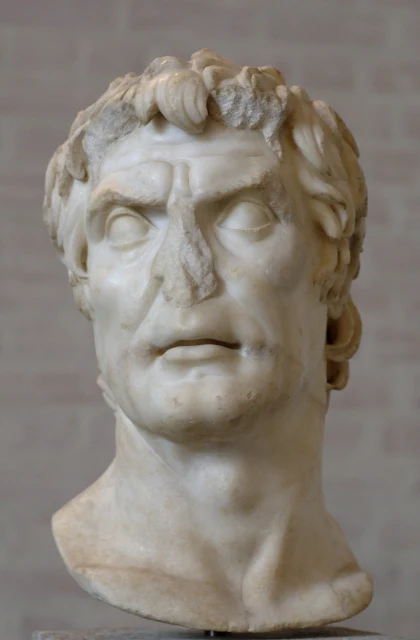 Bust of a Roman, the So-called "Sulla"Unknown Roman sculptor (Republican period), -30
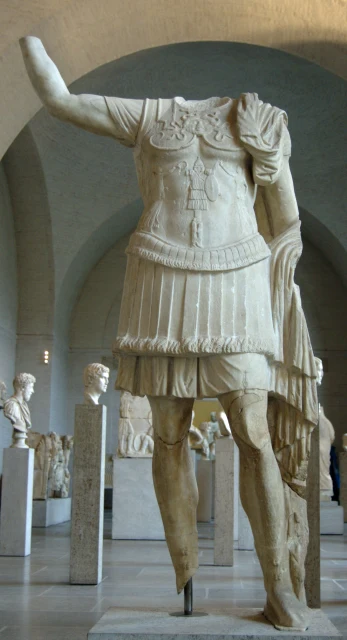 Cuirassed Statue of a Roman GeneralUnknown Roman sculptor (Republican period)
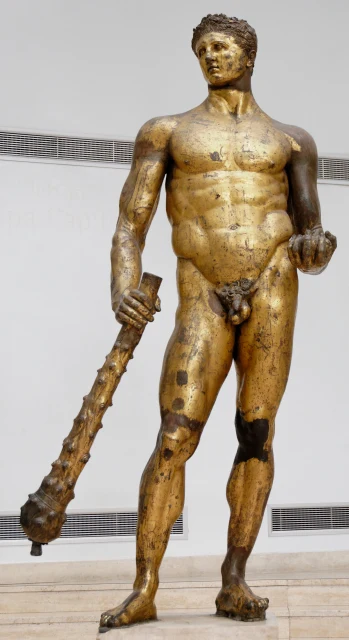 Gilded Bronze Statue of HerculesUnknown Roman sculptor (Republican period), -150
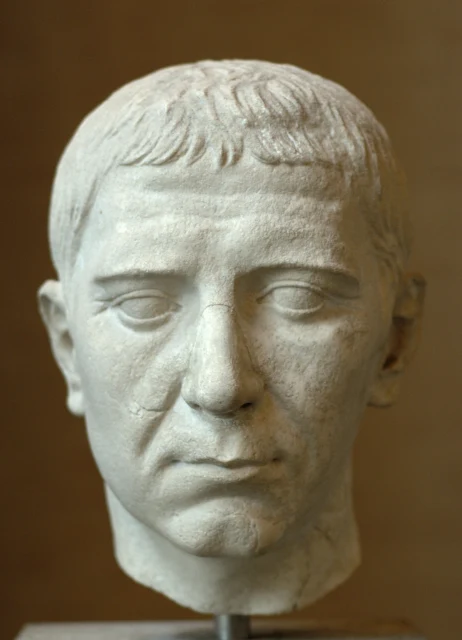 Head of a Roman Man (the "Brutus Rondanini")Unknown Roman sculptor (Republican period), -40