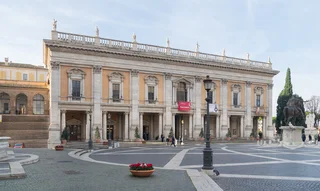
The story
In 1471 Pope Sixtus IV handed a group of ancient bronze statues over to the people of Rome and set them on the Capitoline Hill, the old centre of the ancient city. That gift is why these are often called the oldest public museums in the world, a collection given to citizens rather than kept for a prince.
The square they sit around was laid out by Michelangelo in the 1530s, a trapezoid with an oval pavement and three palaces, and at its centre once stood a bronze equestrian statue of the emperor Marcus Aurelius that survived the Middle Ages only because people mistook him for the Christian emperor Constantine. The original is now indoors and a copy holds the square.
Among the bronzes Sixtus gave is the she-wolf who, in the legend, suckled Rome's founders Romulus and Remus. Nearby is the Dying Gaul, a marble copy of a Greek statue of a wounded warrior sinking to the ground, and the giant marble head and hand that are all that remain of a colossal seated Constantine.
Collection
71 works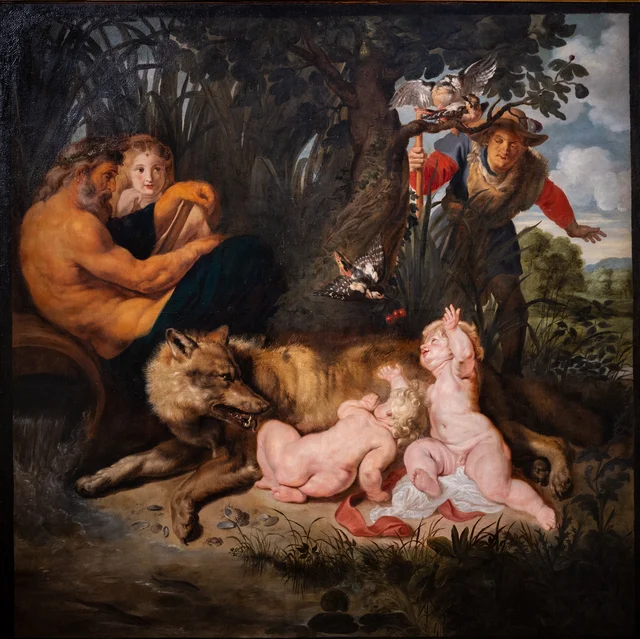 Romulus and RemusPeter Paul Rubens, 1615
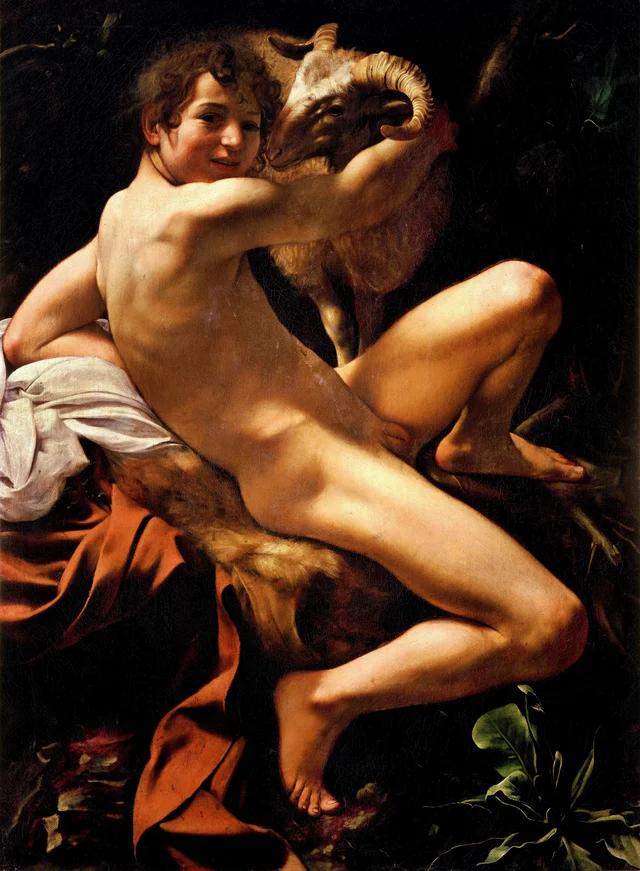 Young Saint John the Baptist with ramCaravaggio, 1602
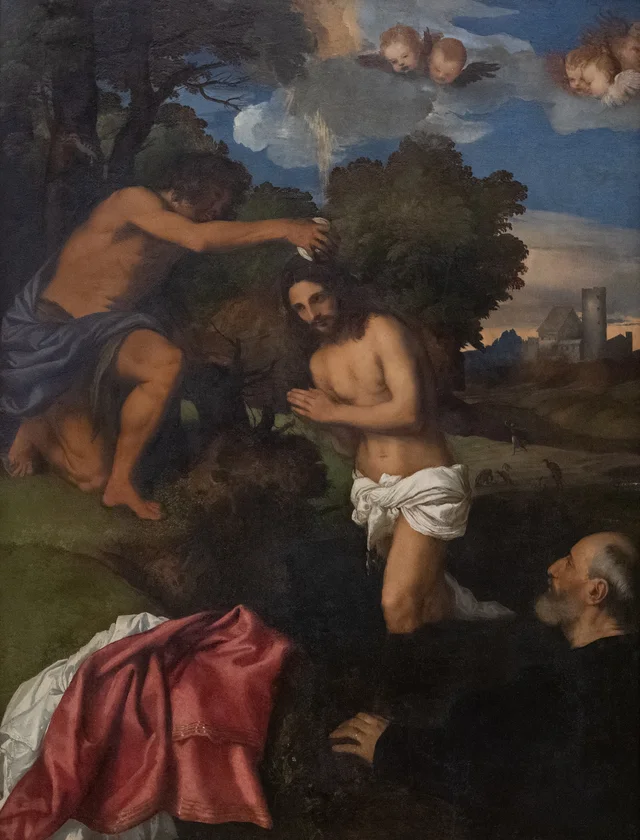 Baptism of ChristTitian, 1511
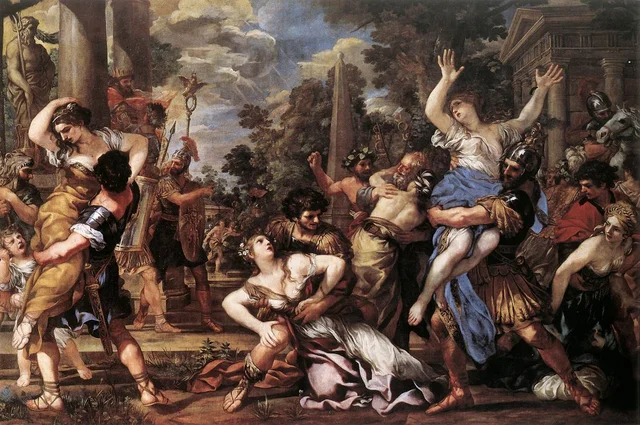 Rape of the Sabine WomenPietro da Cortona, 1630
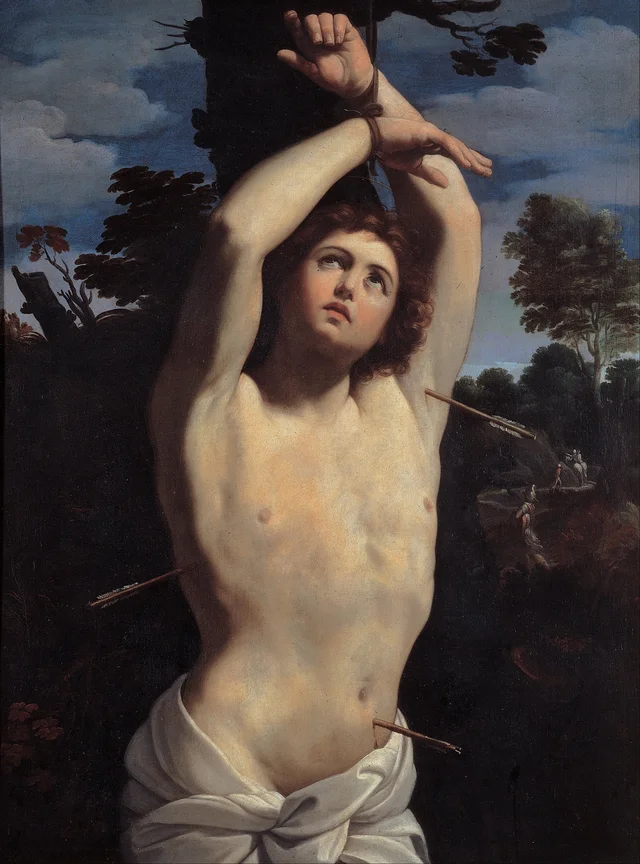 Saint SebastianGuido Reni, 1615
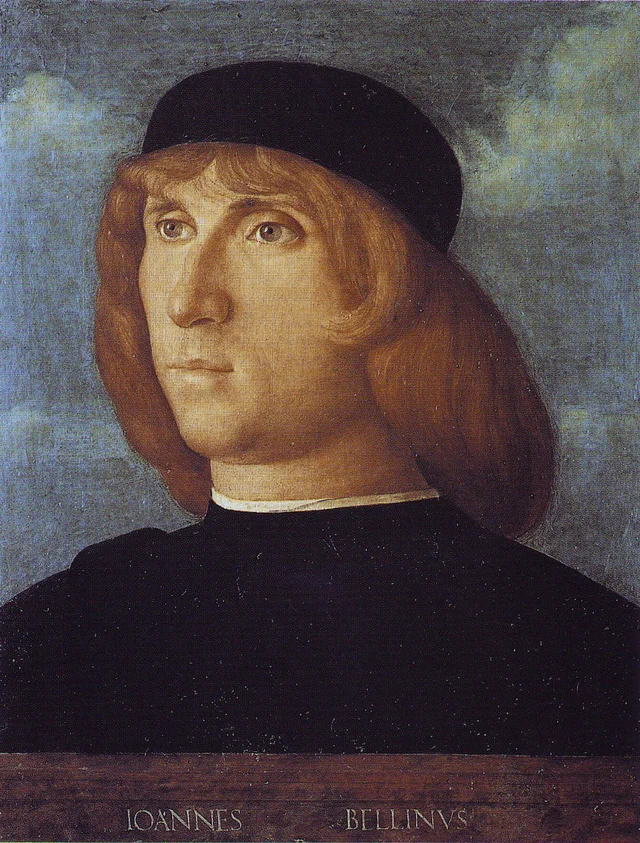 Portrait of a manGiovanni Bellini, 1490
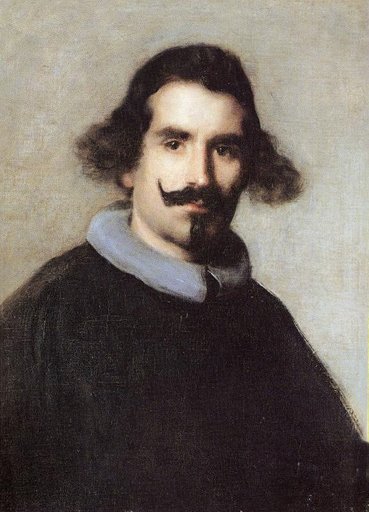 Portrait of Juan de CórdobaDiego Velázquez, 1650
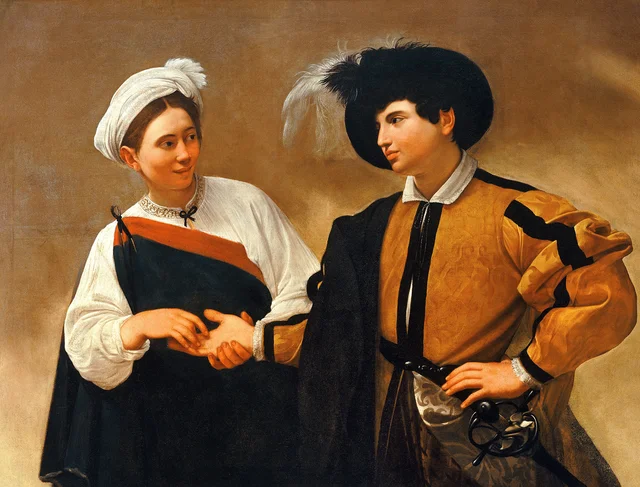 The Fortune TellerCaravaggio, 1596
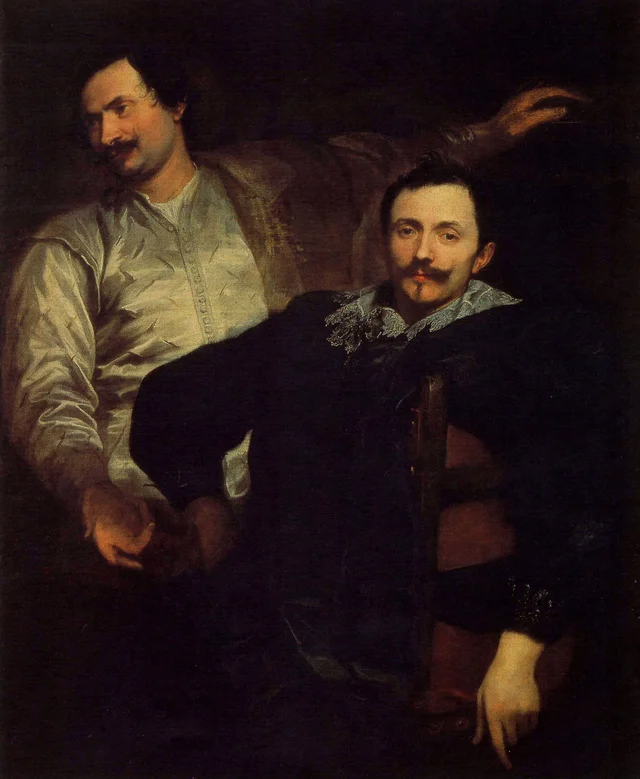 Double portrait of Cornelis and Lucas de WaelAnthony van Dyck, 1627
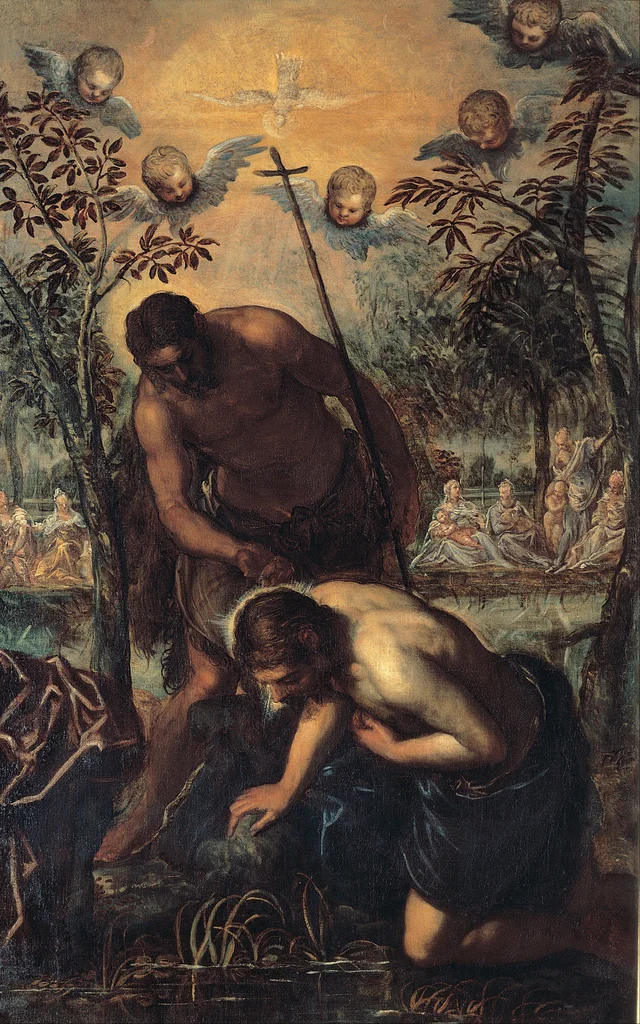 Baptism of ChristDomenico Tintoretto
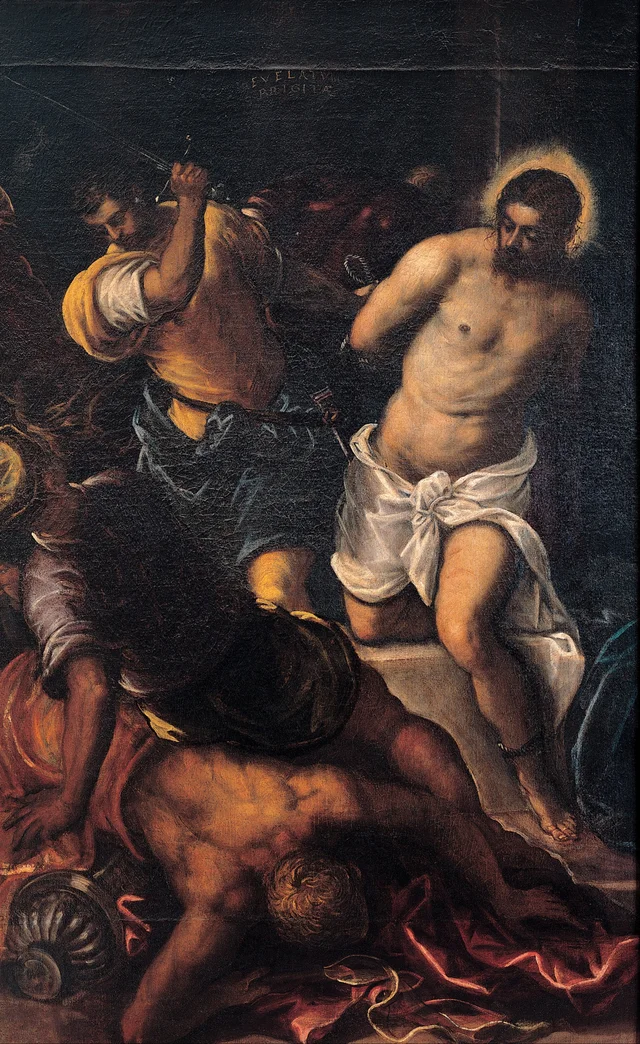 Crowning with thornsDomenico Tintoretto
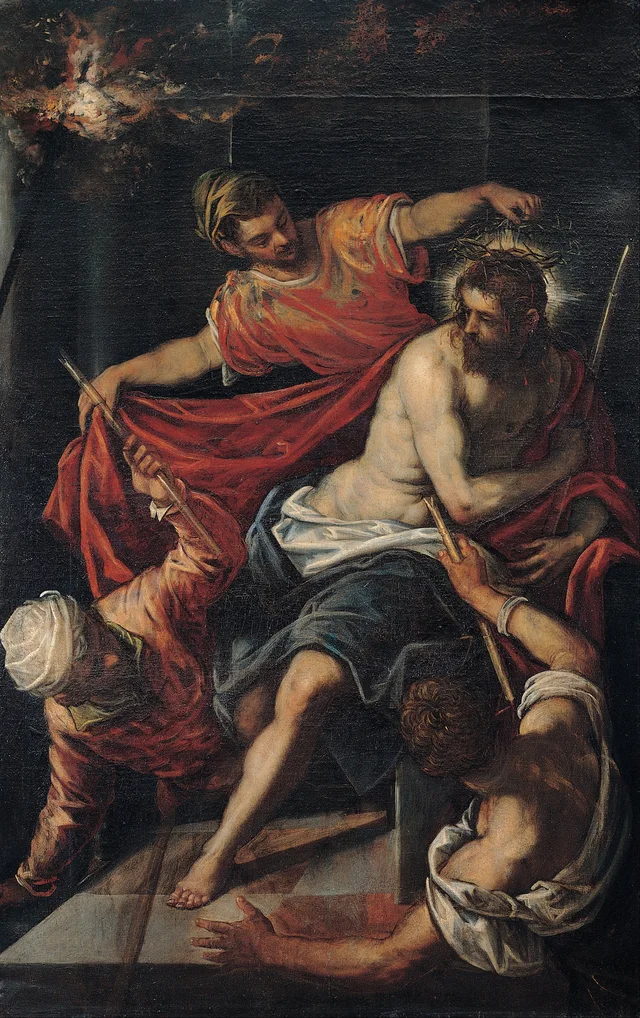 The FlagellationDomenico Tintoretto
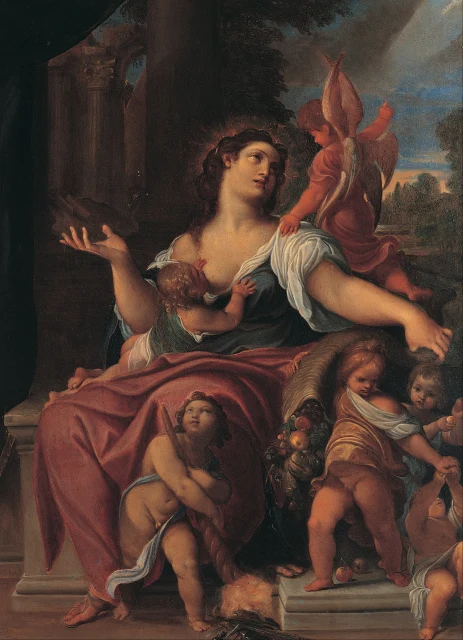 Allegory of Divine ProvidenceLudovico Carracci, 1604
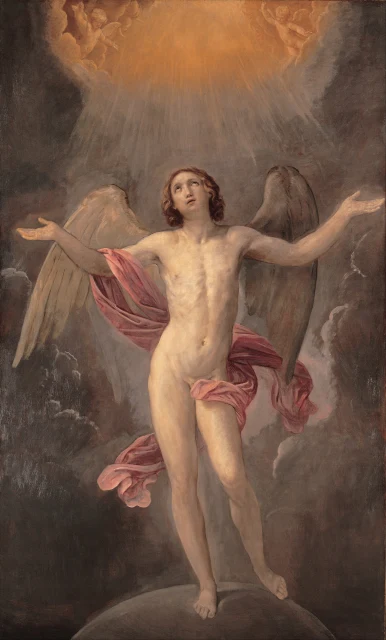 Blessed SoulGuido Reni, 1641
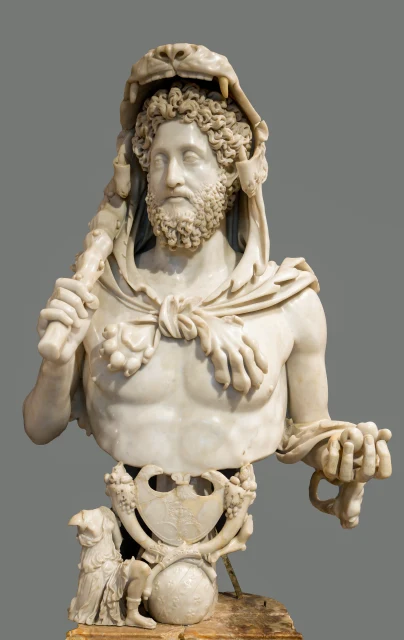 Bust of Commodus as HerculesUnknown Roman sculptor (Imperial period), 186
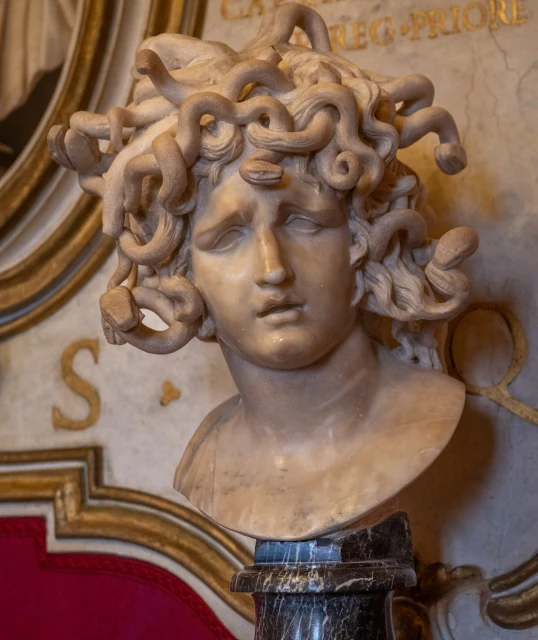 Bust of MedusaGian Lorenzo Bernini, 1646
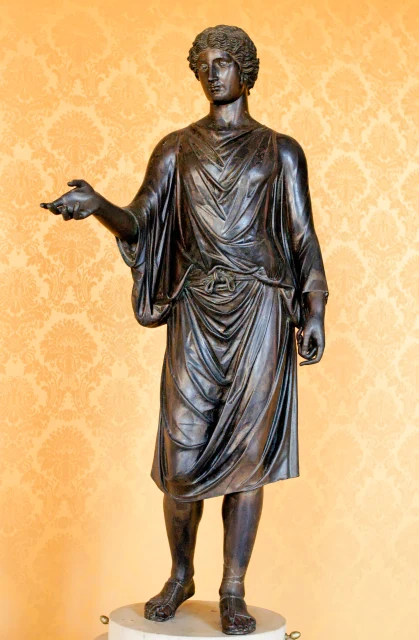 CamillusUnknown Roman sculptor (Imperial period), 50
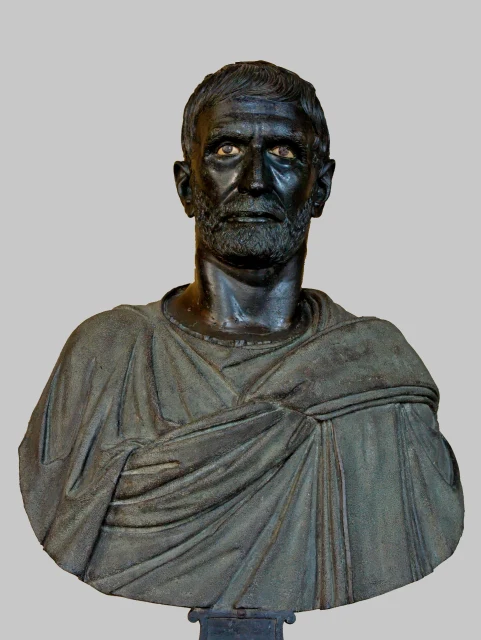 Capitoline BrutusUnknown Roman sculptor (Republican period), -300
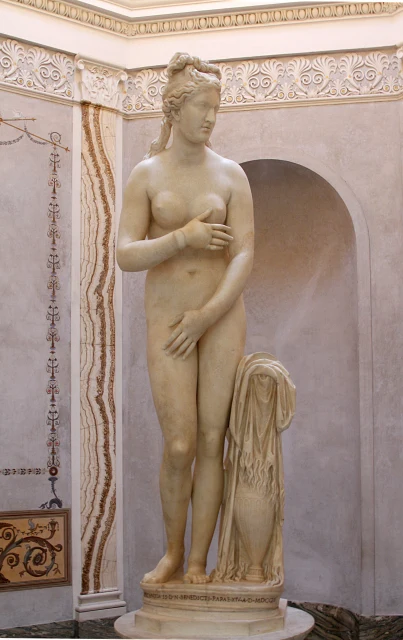 Capitoline VenusUnknown Roman sculptor (Imperial period)
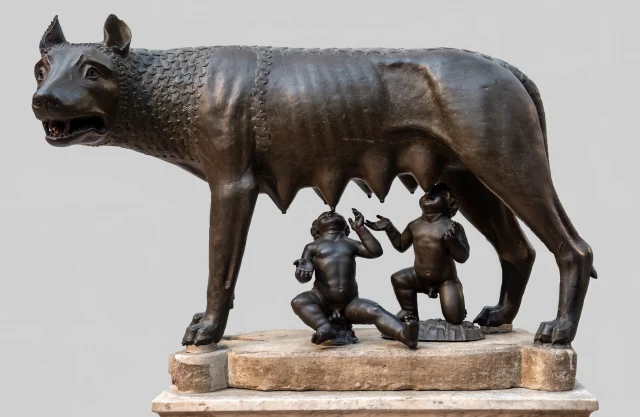 Capitoline WolfAnonymous
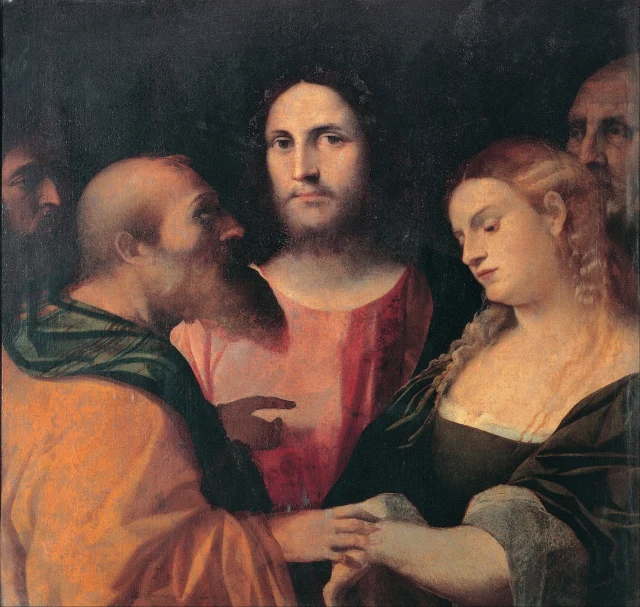 Christ and the AdulteressPalma Vecchio, 1526
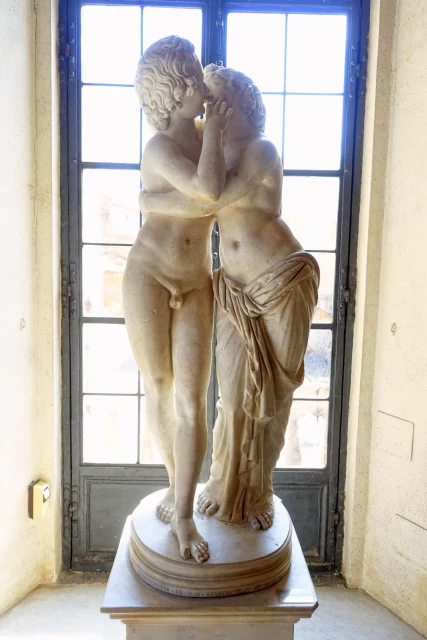 Cupid and PsycheUnknown Roman sculptor (Imperial period)
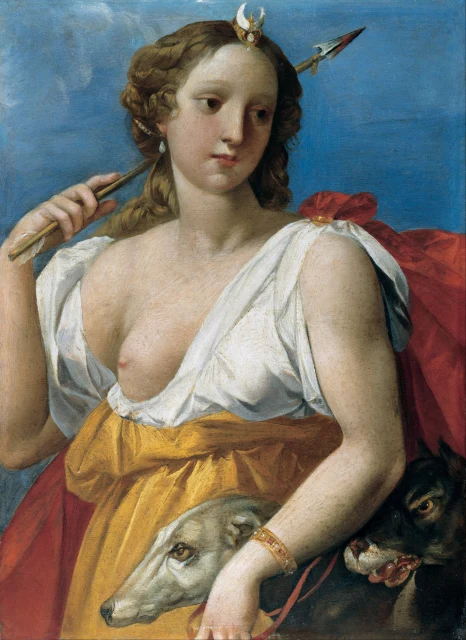 Diana the HuntressGiuseppe Cesari, 1602
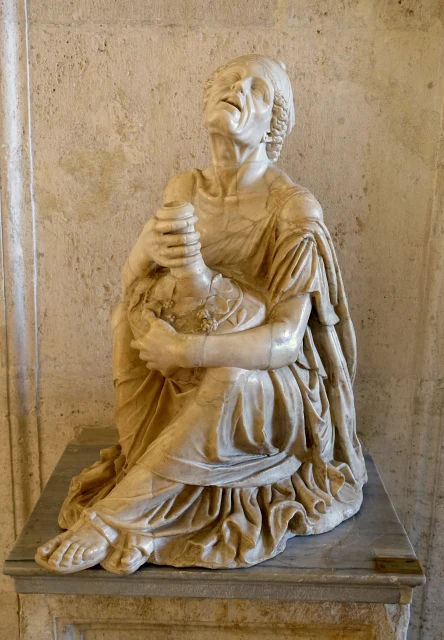 Drunken Old WomanUnknown Roman sculptor (Imperial period)
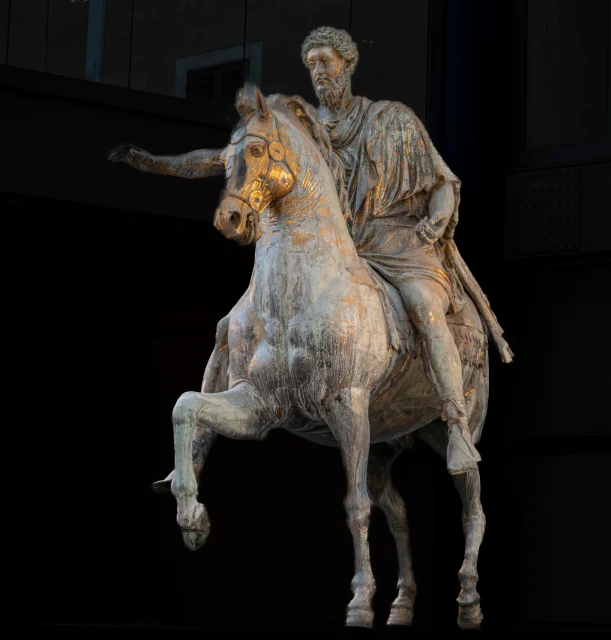 Equestrian Statue of Marcus AureliusUnknown Roman sculptor (Imperial period), 170